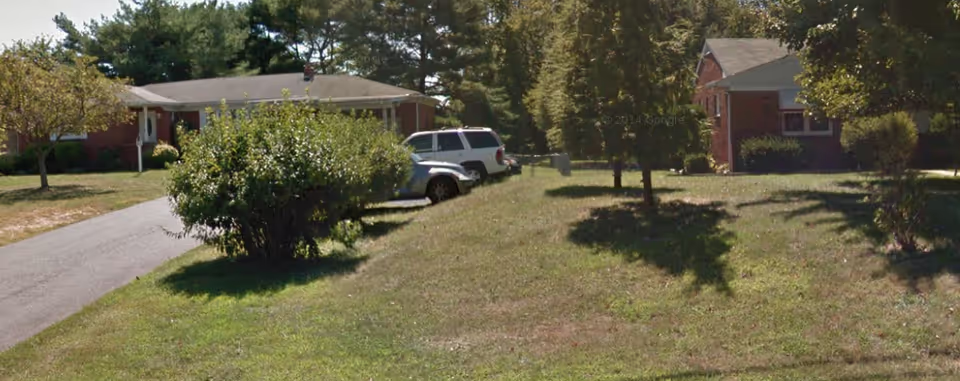
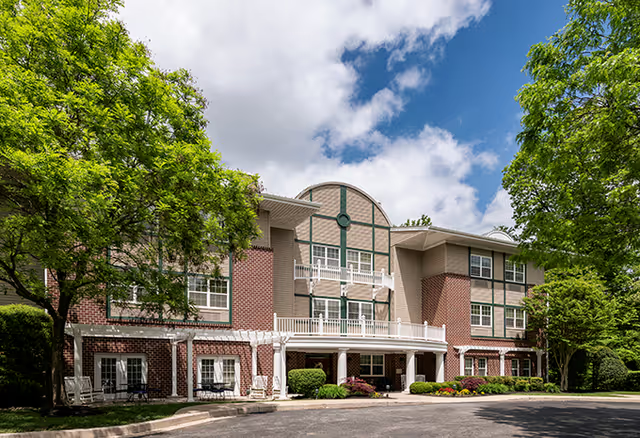
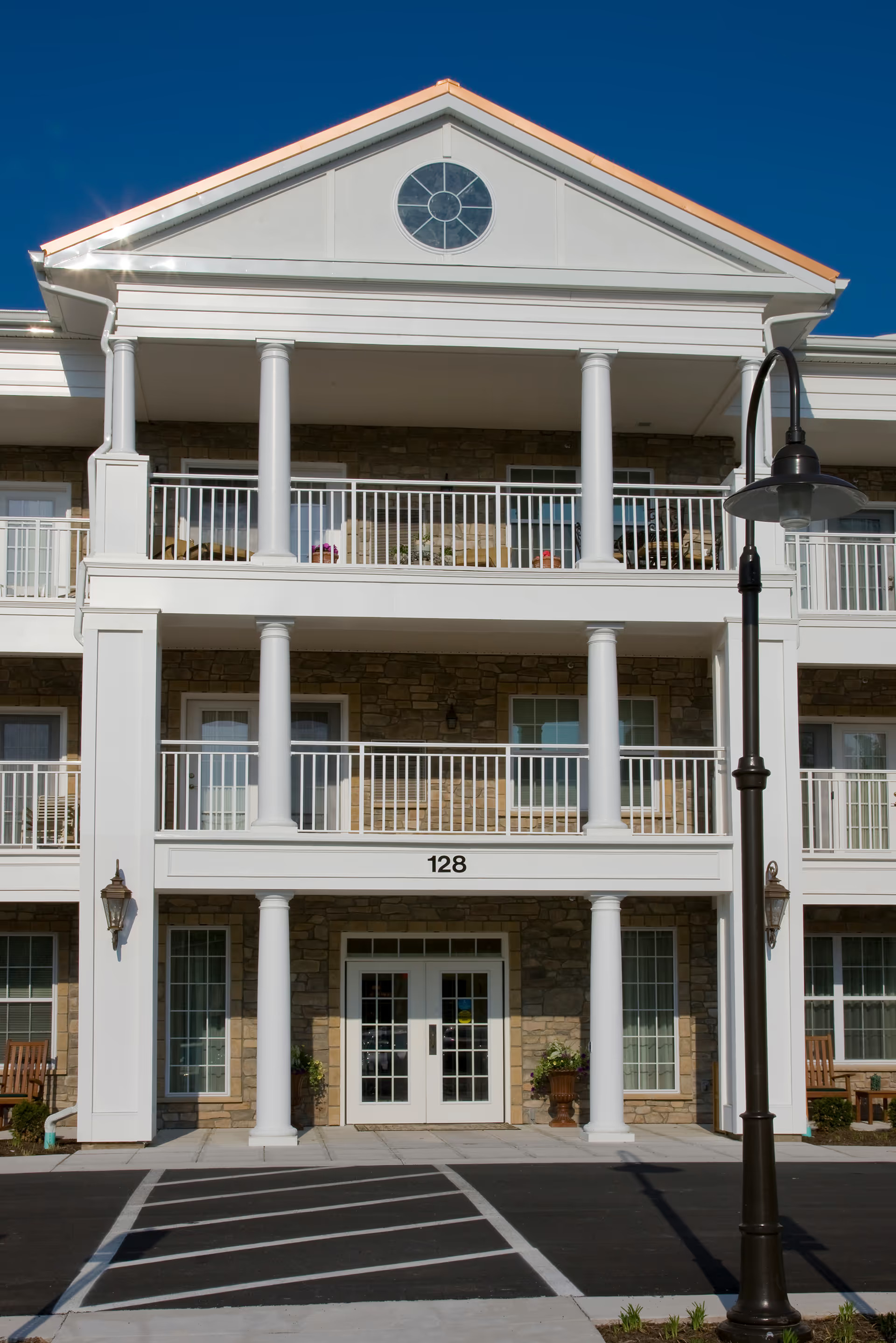
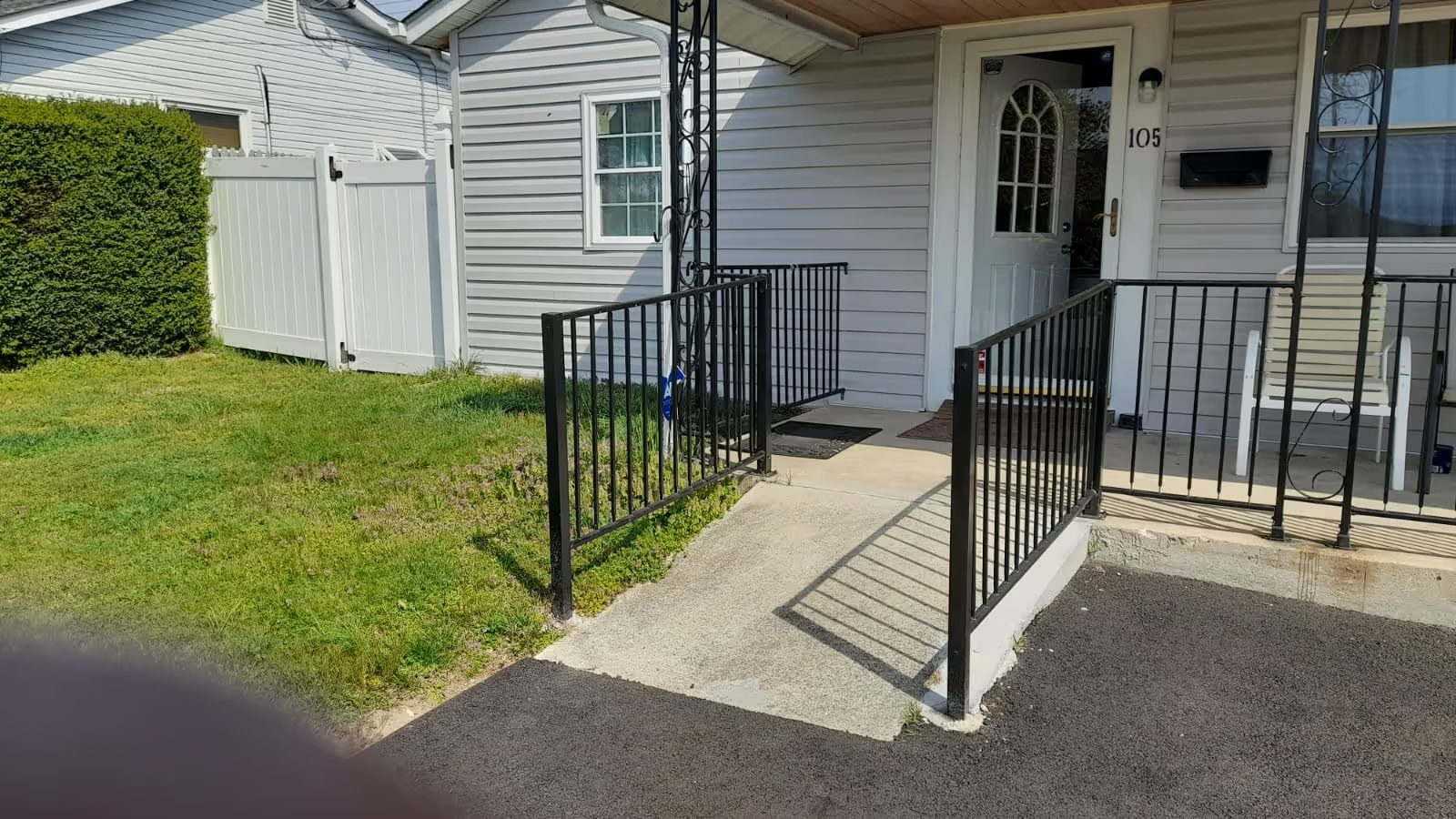
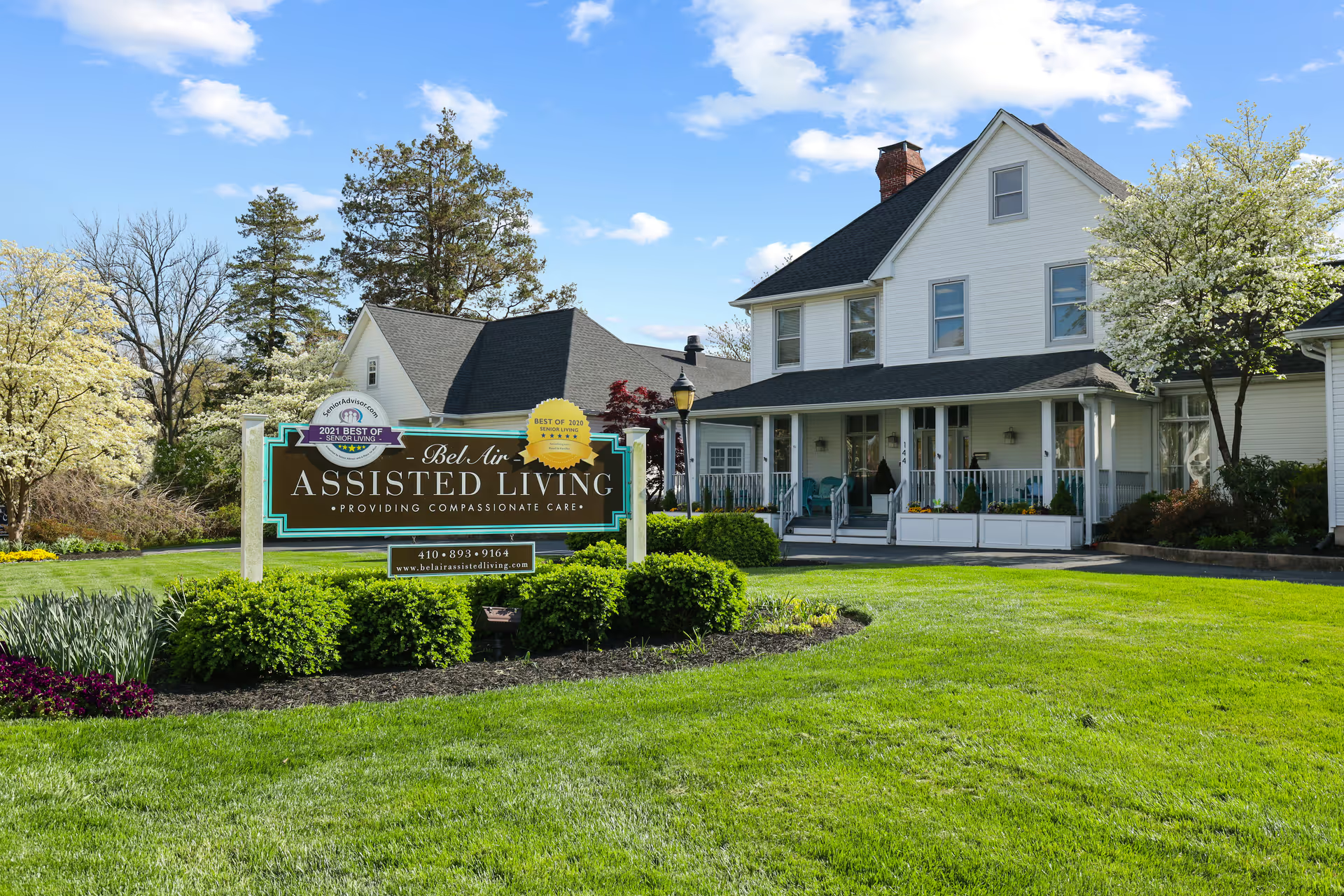
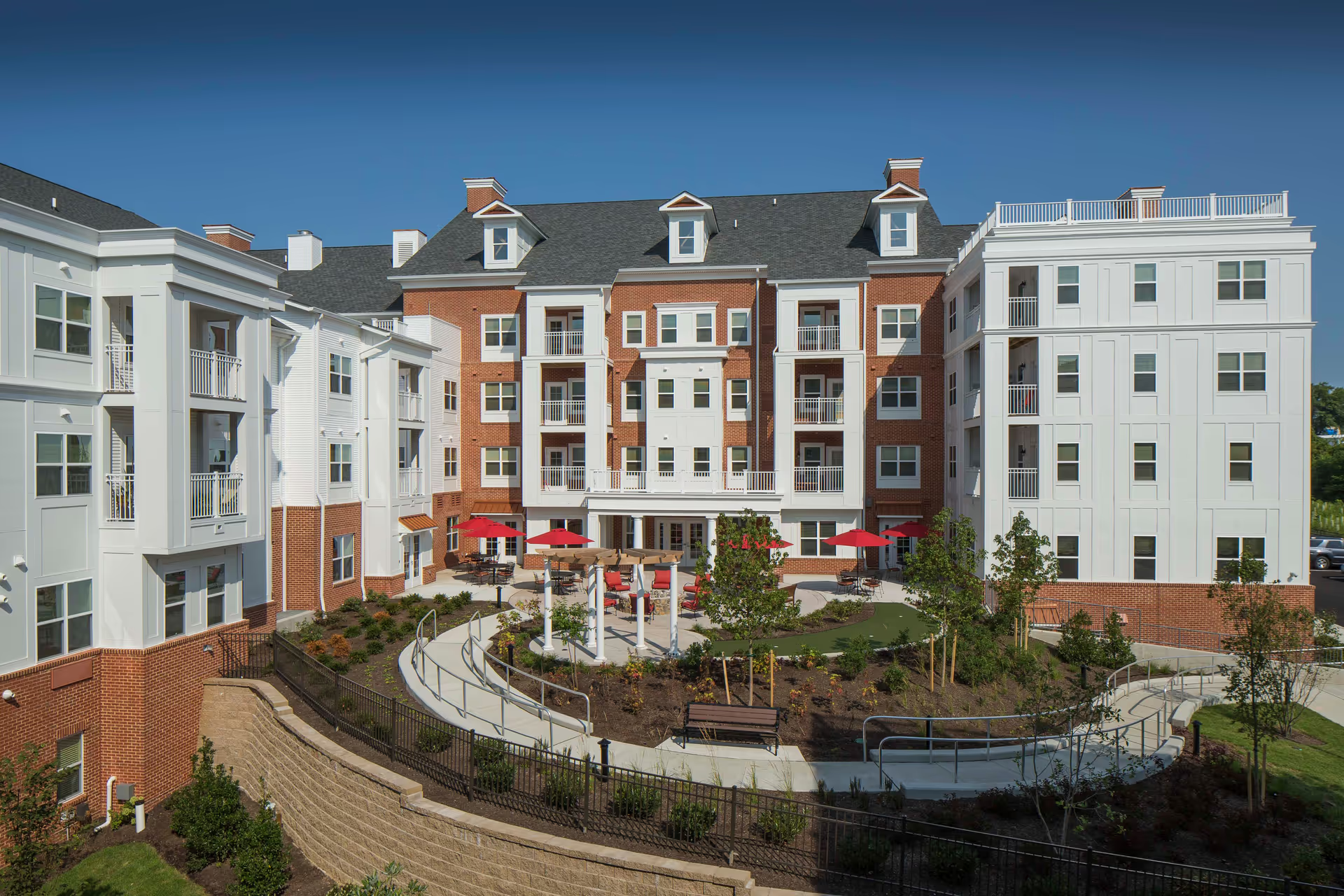
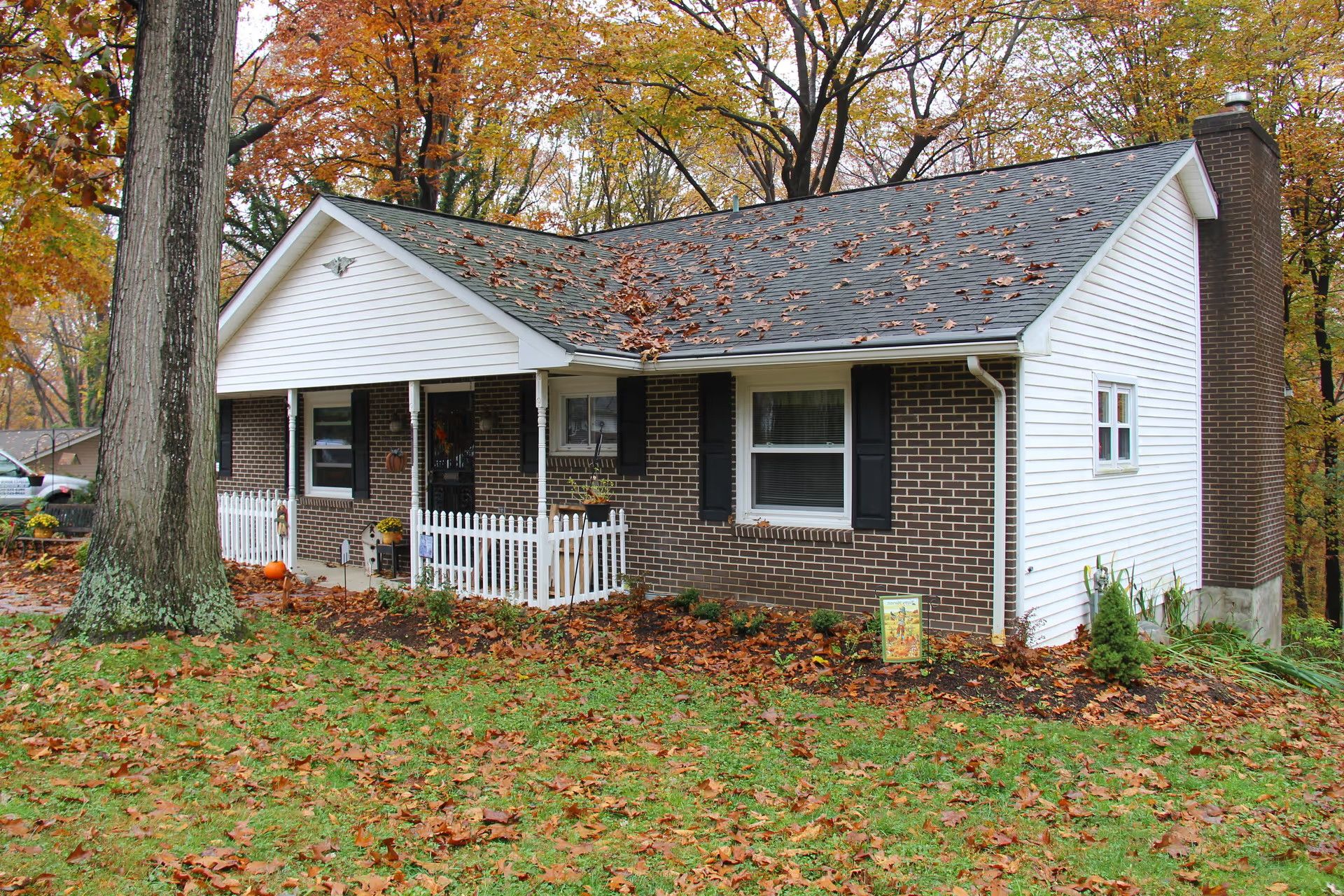
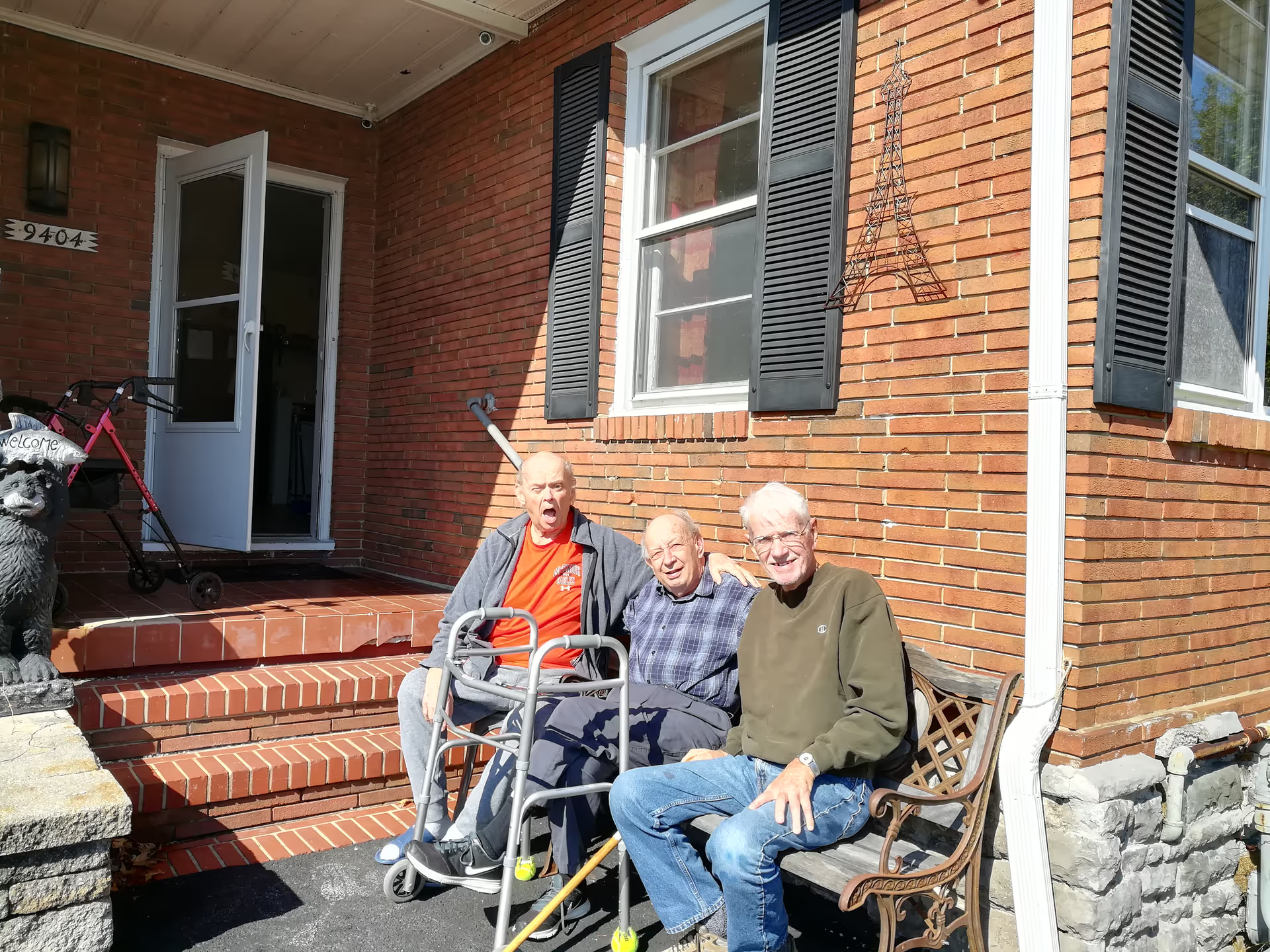
Young at Heart presents as a small, home-style assisted living with several clear strengths and a set of recurring operational concerns. Many reviewers emphasize a warm, family-like atmosphere: staff are frequently described as personable, compassionate, and attentive, and people praised individualized attention, smooth move-in transitions, and courteous ownership. The physical environment is repeatedly noted as clean, non-institutional, and up-to-date, with a single-level layout, spacious private rooms, attractive grounds, decks, and ample outdoor space that support easy navigation and outdoor activity.
Clinical and daily-care reports are mixed. Positive accounts highlight trained nursing staff, on-site physician visits, and a patient-first culture. Dining is often described as pleasant, with appealing aromas and home-style meals. At the same time, a subset of reviews raises operational concerns that have clinical implications: medication-management weaknesses, wound-care and pressure-injury prevention gaps, and inconsistent access to physician oversight. These issues suggest variability in clinical processes and follow-up rather than a uniform standard of practice across the facility.
Operational shortcomings appear most prominent around staffing and communication. Several reviewers describe inconsistent staff presence and engagement, including occasions when no staff were immediately available during a visit or entry. Family–facility communication and telephone routing were also identified as recurring pain points, and language-proficiency limitations among some staff were noted as a barrier to effective communication. There are additional facility-level items such as maintenance and utility reliability (for example, hot-water availability) and inconsistent adherence to prescribed meal/menu standards that prospective families should consider.
Overall, Young at Heart offers a homelike environment with many reports of compassionate care, cleanliness, and well-maintained grounds. However, reports of variability in clinical oversight, medication handling, wound-prevention practices, staffing consistency, and communication suggest the quality of the resident experience may depend on timing, specific caregivers, and unit-level management. Prospective residents and families would benefit from an in-person tour, direct questions about medication and wound-care protocols, staff-to-resident ratios and shift coverage, physician and nursing visit schedules, language support, maintenance response procedures, and recent quality or inspection records to better assess current consistency of care.