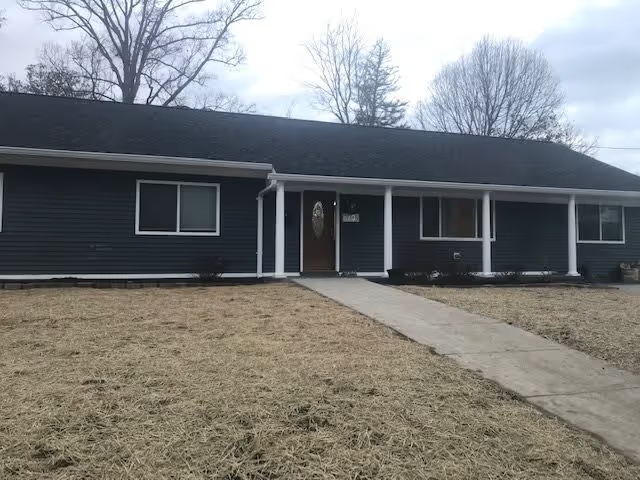
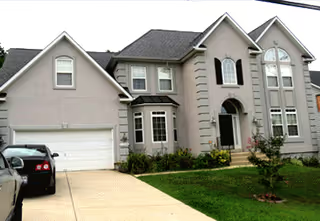
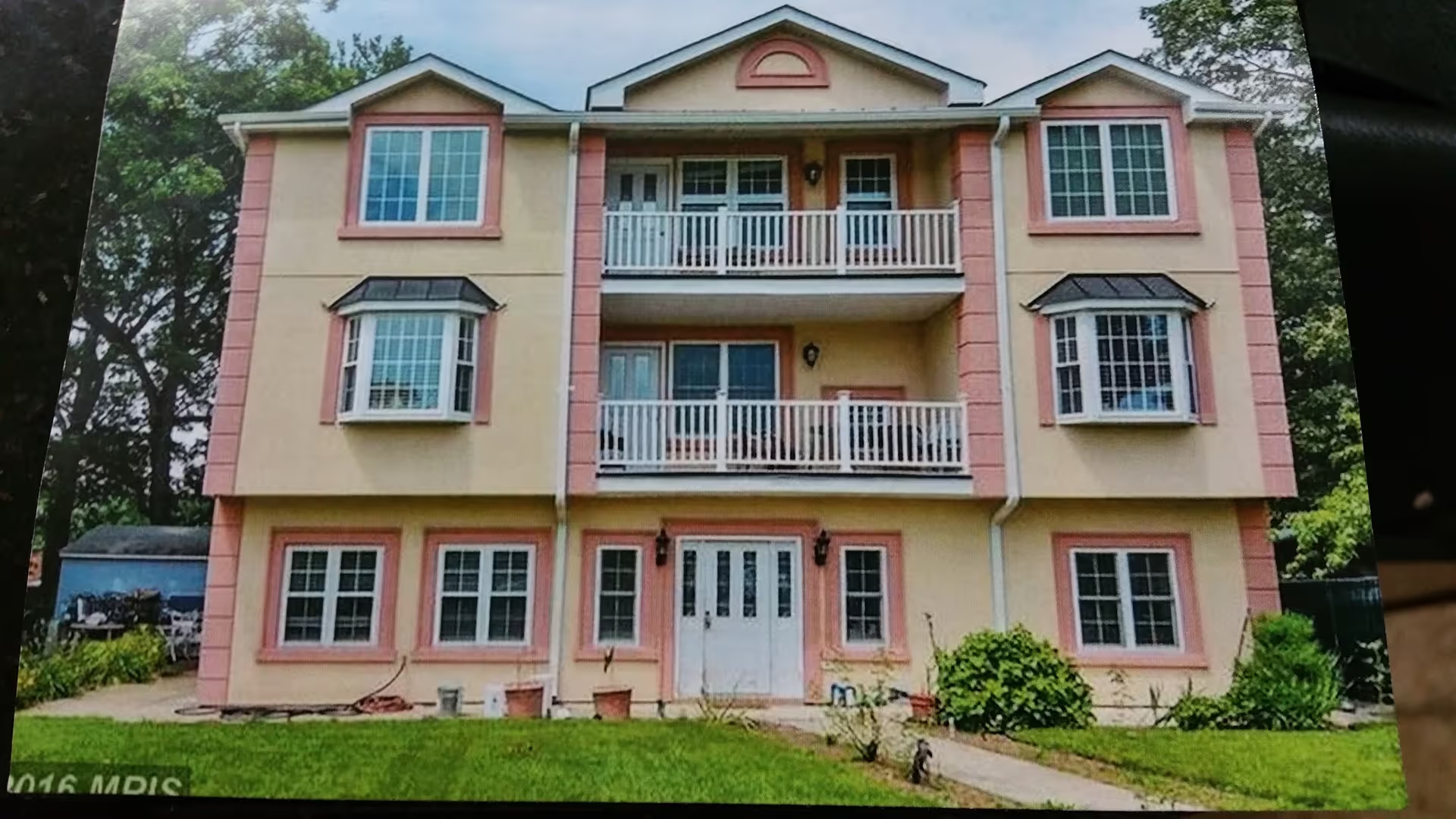
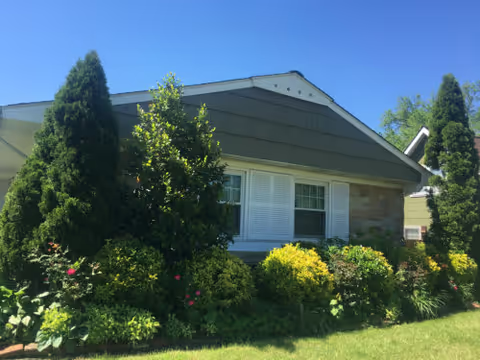
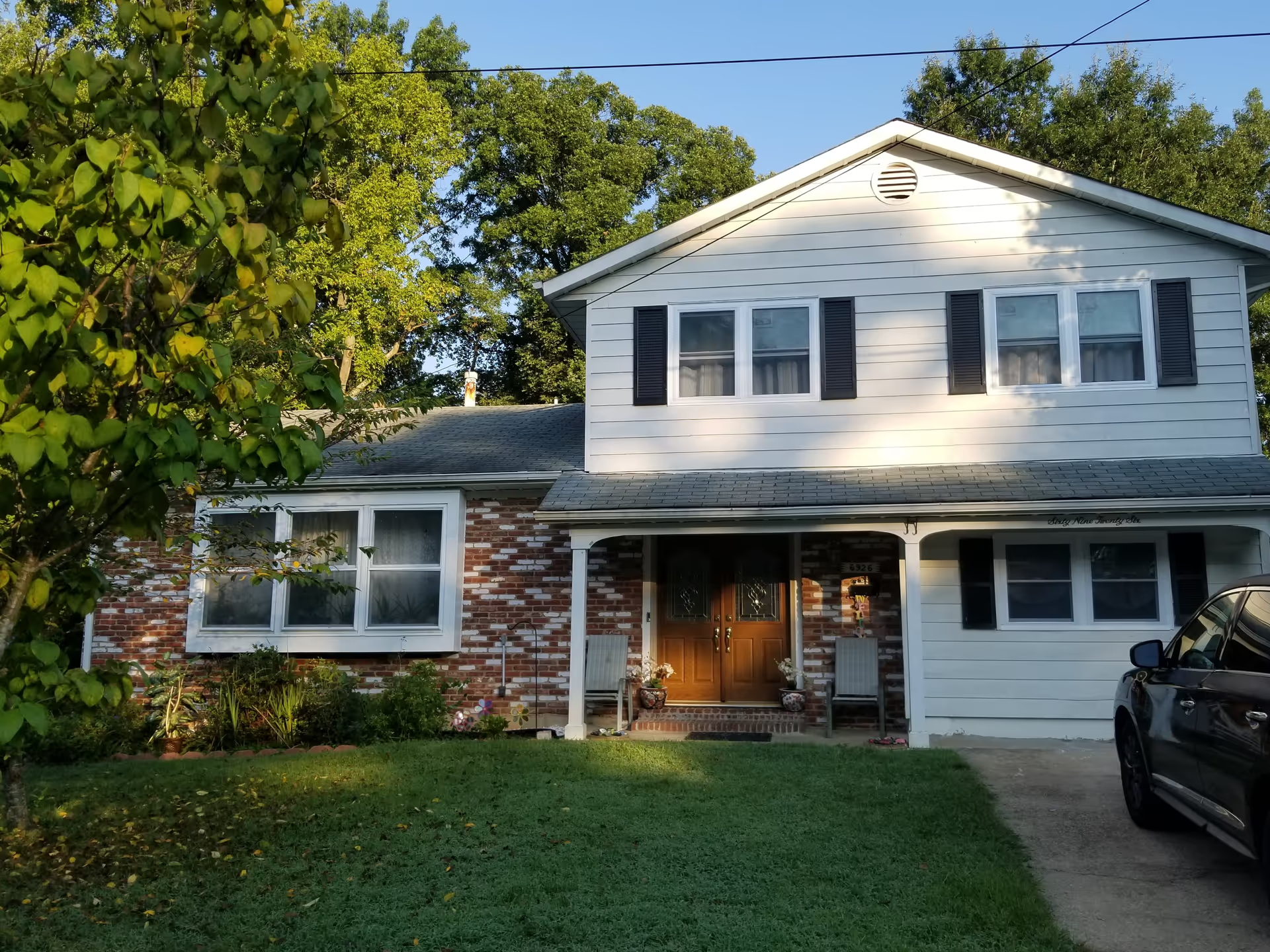
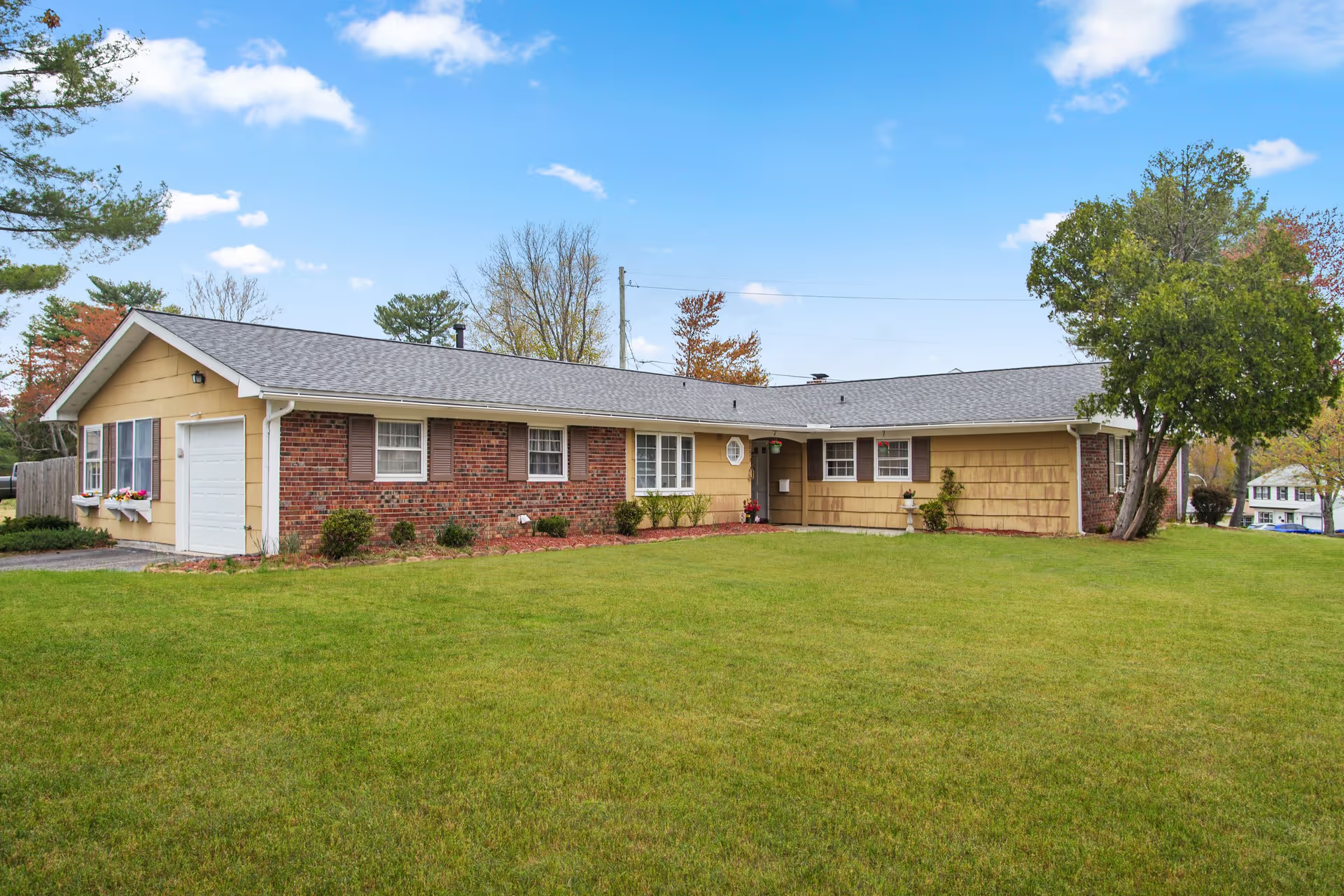
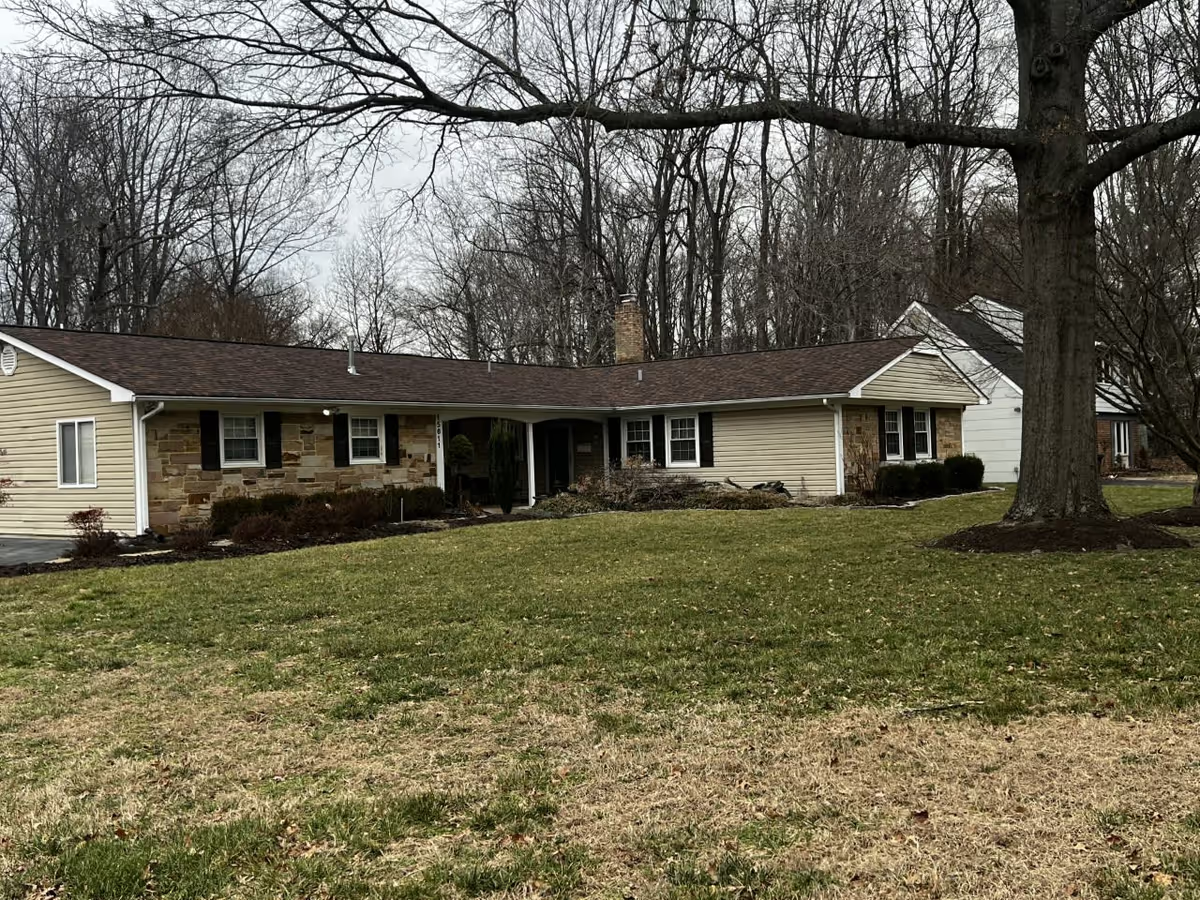
Russell Residence presents as a small, home-style assisted living with several operational strengths and some important areas for scrutiny. Many reviewers emphasize a family-like atmosphere, frequent owner involvement, and a high level of nursing presence; descriptions of a high nurse-to-resident ratio, individualized care plans, and structured turning protocols indicate attention to clinical needs for residents requiring hands-on assistance. The facility advertises and in many cases delivers individualized services such as mobility support, planned physical- and speech-therapy space, and on-site visiting clinicians (podiatrist and physician), which may benefit residents with ongoing medical requirements.
Dining and daily living features are commonly praised: reviewers note three daily meals plus a snack, accommodations for texture-modified diets, and generally positive meal preparation. The setting is described as clean and updated in multiple accounts, with home-like room decor, private-room availability, ample parking, attractive outdoor grounds and seating, and ongoing renovations to modernize spaces. A distinctive feature is an indoor/outdoor aquatic therapy pool and related exercise programming; when operable this pool is cited as a meaningful therapy resource, though at times it has been unavailable (for example, due to infection-control restrictions).
Activity offerings receive mixed commentary. Several families describe tailored activities — bingo, games, movie nights, aquatic exercises — and residents appearing engaged. At the same time, some assessments cite a need for expanded or more consistent programming and more staff-led engagement, suggesting variability in how robust the activity schedule is across days or shifts. Accessibility is generally supported by an entry ramp and chair lift, but the facility’s two-level layout does create limitations for some residents; stairs and unit configuration may require additional mobility supports for full access.
Operational and management patterns show both positives and concerns. Owner involvement and an informative admissions process are described as strengths, and many families report peace of mind and effective communication when the staff is engaged. Conversely, there are recurring concerns about inconsistent staff responsiveness, occasional lapses in cleanliness and maintenance, and variability in staff professionalism and tone. More serious clinical concerns also appear in the record: reviewers raise questions about medication management and gaps in clinical escalation that they link to delayed hospitalizations or functional decline. One review includes an explicit allegation regarding owner financial motives; given the seriousness of that claim, prospective families should seek documentation, regulatory history, and direct clarification during tours.
Bottom line: Russell Residence offers a homelike atmosphere with strong clinical staffing in many cases, solid meal services, on-site clinical providers, and therapeutic amenities such as an aquatic pool. These features make it a candidate to consider for families seeking a smaller, personalized assisted-living environment. Prospective residents and families should verify current staffing levels and turnover, observe cleanliness and maintenance during a visit, confirm the operational status of the pool and therapy spaces, review medication-management protocols and incident/transfer records, and discuss pricing and contract terms with management to determine fit and risk tolerance.