Reviewers describe a highly variable experience at Autumn Lake Healthcare at Catonsville, with a clear split between strong clinical/rehabilitation strengths and operational shortcomings. Many families and patients praise the facility’s therapy teams, noting measurable mobility gains and effective discharge planning. Nursing and caregiving staff are frequently characterized as compassionate and attentive, and specific departments (wound care, IV therapy, activity programming) receive consistent positive mentions. These strengths suggest the facility can deliver meaningful clinical improvement for appropriate rehabilitation patients.
At the same time, a recurring theme is inconsistency: staffing levels and responsiveness appear uneven, producing long wait times for assistance and delays in routine care. Several accounts point to lapses in medication practices and clinical oversight, and there are multiple concerns about fall prevention and monitoring. Communication style and staff conduct are described variably—some families report respectful, helpful interactions while others describe brusque or unresponsive behavior. Together these patterns indicate that individual staff members and shifts can materially affect a resident’s daily experience.
Dining and activities show a similar divergence. The activity program and its director receive favorable comments for personalization and engagement, and some reviewers praise the nutrition planning and ability to accommodate diets. Conversely, meal quality and service consistency are problem areas for many: temperature, limited substitutions, and sparse beverage choices are repeatedly mentioned. Prospective residents who prioritize social programming will likely find strong offerings, but those with specific culinary expectations should verify menu options and substitution policies.
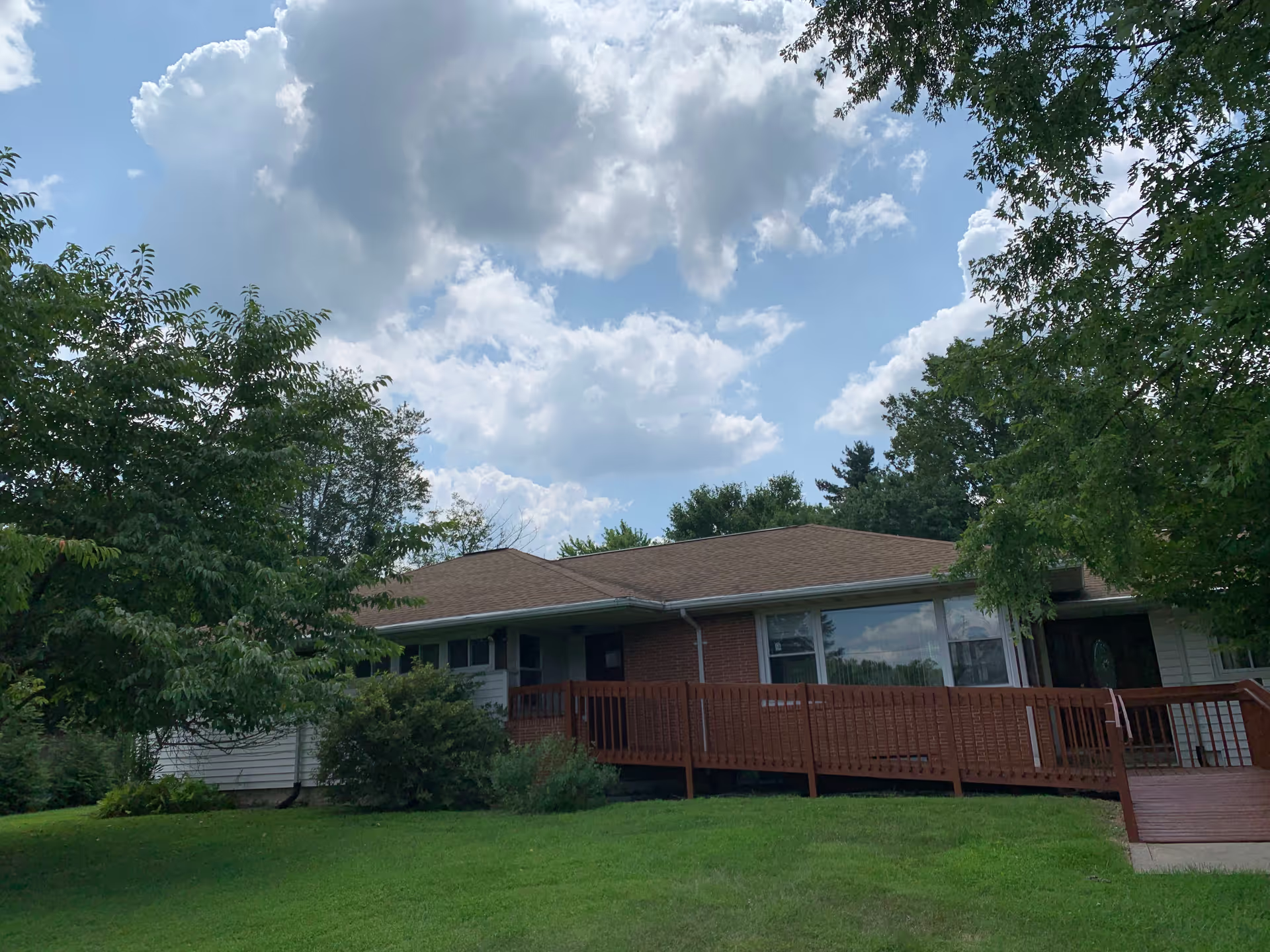
Facility condition and operations are mixed. Numerous reviewers describe clean, well-kept common areas and an overall tidy presentation in parts of the building, while others note sanitation and pest-control concerns, inconsistent laundry and linen availability, and maintenance issues such as HVAC or elevator problems. Room layouts are often multi‑bed and can limit privacy and storage; several notes highlight awkward bathroom accessibility and TV/bed placement that complicate mobility and comfort. Parking is constrained and point-of-care supply shortages are sometimes reported, indicating operational stress in day-to-day logistics.
Management and administrative responsiveness also vary. Several reviewers single out department leaders and administrators positively for hands-on involvement and problem resolution; others describe difficulties contacting business-office staff, slow responses to grievances, and unresolved concerns. There are also serious individual allegations, including theft and significant clinical-care incidents; these items merit follow-up during any decision process and, if relevant, discussion with regulatory bodies or legal counsel.
For families considering this facility, the pattern suggests it performs well for residents who require active rehabilitation and who are fortunate to be on well-staffed shifts or in departments with strong leadership. To evaluate fit, visitors should ask about staffing ratios and shift coverage, fall‑prevention protocols, medication-administration safeguards, linen and laundry turnaround times, pest-control practices, dining substitution policies, activity schedules, and how management handles complaints and incident reporting. A focused tour that verifies these operational areas and a conversation with therapy and nursing leadership will help clarify whether the facility’s strengths align with a specific resident’s needs.