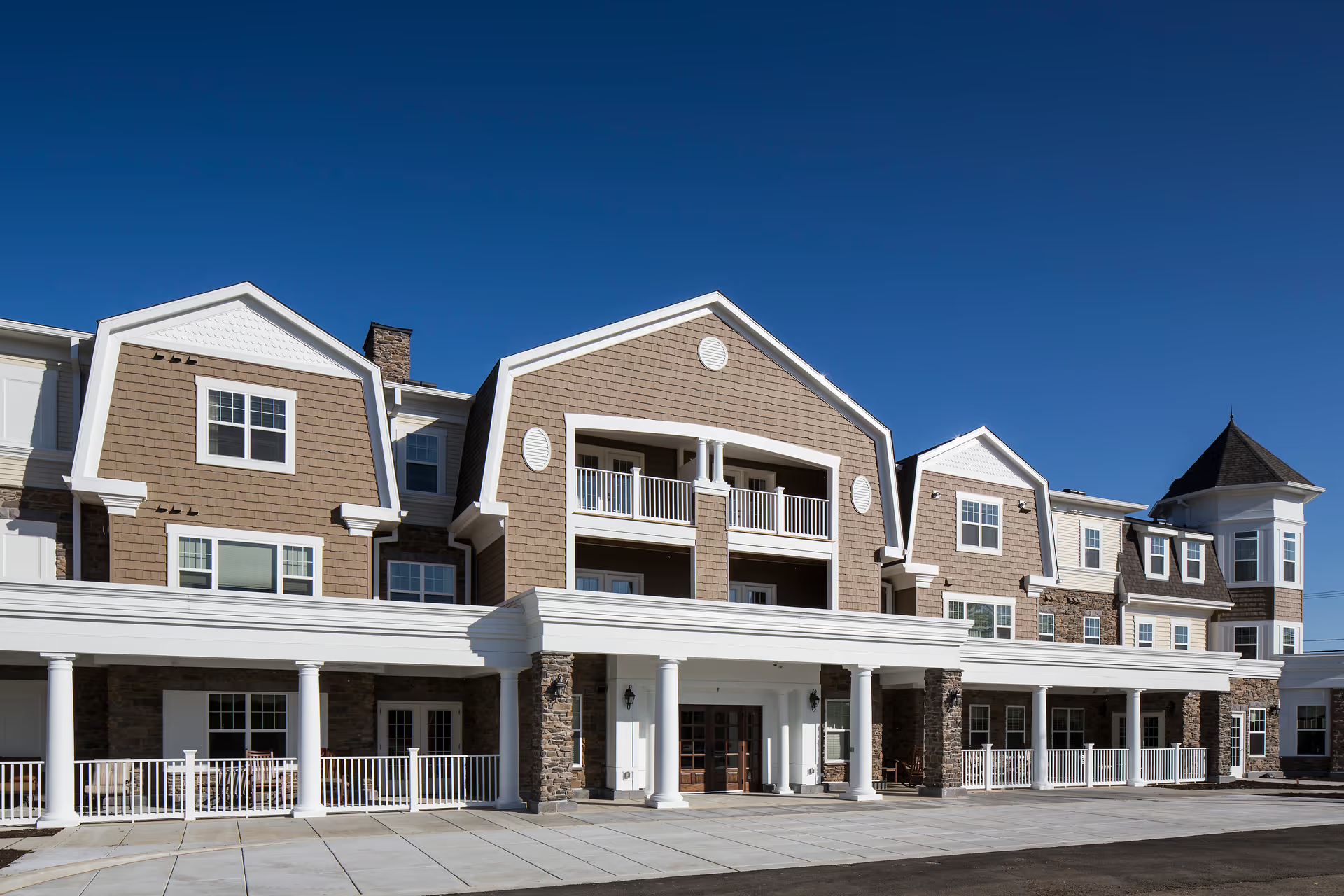
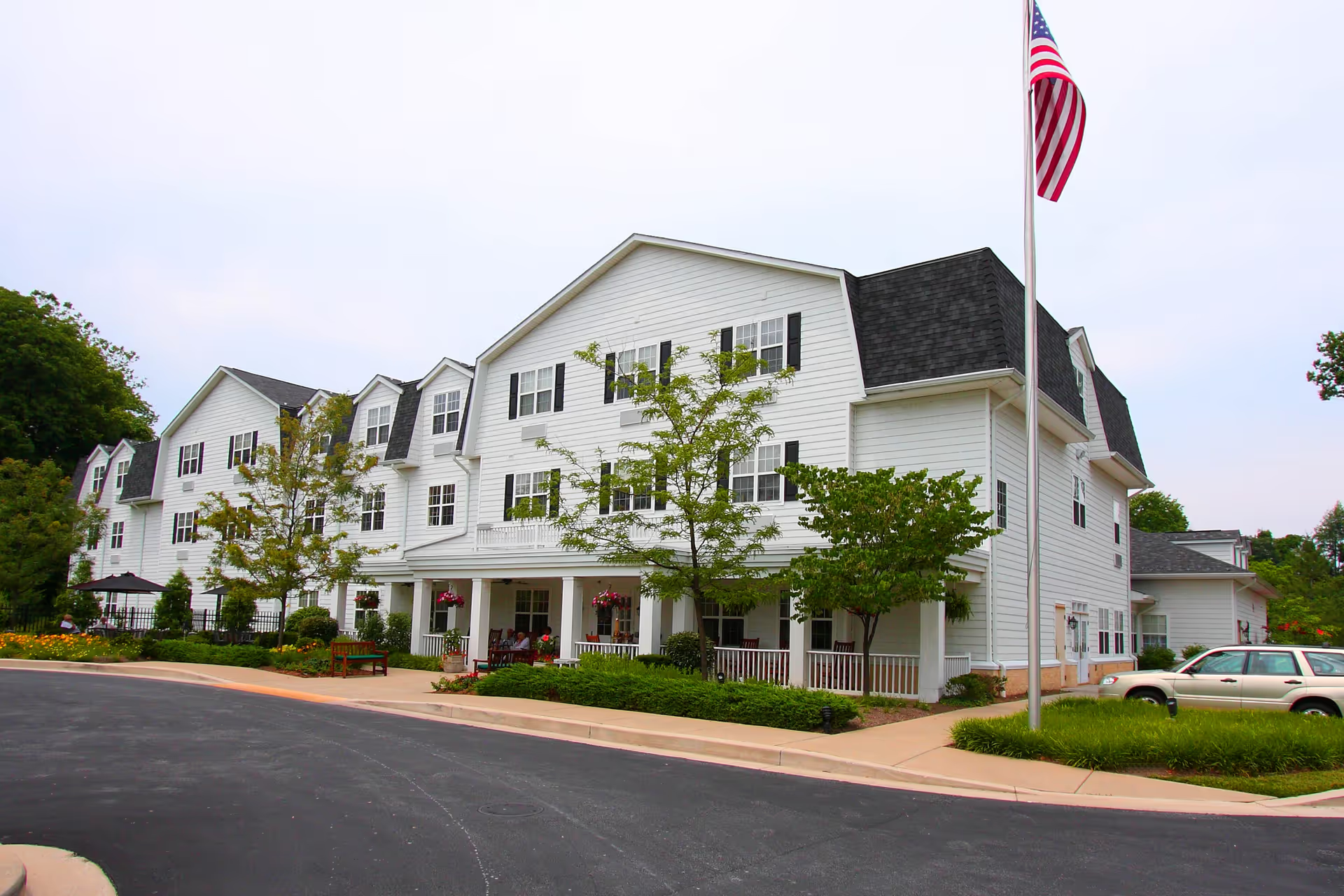
Charlestown presents as a large, full-service senior living campus with an extensive range of built-in amenities and a broad clinical continuum. Strengths repeatedly cited include high-quality common spaces and landscaping, climate-controlled connected buildings, multiple dining venues, indoor pool and fitness facilities, on-site salon and convenience services, and integrated rehabilitation and medical services. The campus supports diverse living options — independent, assisted, memory, and Parkinson's care — and many reviewers praised the availability of on-site therapy, rehab expertise, and continuity of care when those services are accessible.
Staffing and care quality show a dual pattern. Many families and residents describe caring, attentive, and long-tenured staff members, positive interactions with sales and front-desk employees, and strong rehab/long-term care teams. At the same time, there are repeated operational concerns: variability in frontline staffing levels, inconsistent responsiveness to wellness calls and checks, and lapses in medication administration and clinical coordination. These patterns have led to instances of delayed attention, care-transition challenges, and family frustration around communication. There are also serious individual claims — including allegations of staff theft — that warrant direct follow-up by prospective residents and families.
Dining and programming are notable selling points but not uniformly experienced. The facility offers many restaurant-style dining rooms and generally well-regarded meals, with some reviewers praising restaurant-quality food and service. However, reviewers also describe variability in meal quality, limits on included meals depending on contract, and inconsistent accommodation of dietary needs (for example, sodium or diabetic considerations). Social programming is wide-ranging — concerts, clubs, game nights, Parkinson's-specific offerings, and frequent activities — yet some residents reported loneliness, lack of age-appropriate programming for certain cohorts, or uneven inclusion by activity staff.
Facilities and campus scale are mixed blessings. The landscaped grounds, scenic walkways, and indoor amenities contribute to a resort-like environment appreciated by many residents. Conversely, the sheer size of the campus can feel overwhelming, produce navigation challenges, and make some residents feel less connected. Apartment quality varies across buildings: some units are modern and spacious with attractive finishes, while others show aging appliances or small layouts and may require paid upgrades. Practical concerns raised by families include limited visitor parking, distant overflow lots, and occasional front-desk or gate-staff professionalism issues.
Management and contract issues recur in reviews. Common themes include complex billing, post-move charges or upgrade fees, large entrance deposits, and occasional frustration with move-in/move-out coordination. Some reviewers noted service reductions over time in conjunction with price increases; others raised questions about eligibility criteria for short-term rehab. Prospective residents should carefully review contract terms, fee schedules, upgrade costs, and policies governing transitions between levels of care.
Overall, Charlestown is well-suited to those who prioritize a broad amenity base, on-site medical and rehab services, and a campus with many social options. The facility’s strengths in therapy, dining variety, and grounds maintenance make it attractive for many older adults and families. At the same time, variability in frontline staffing, clinical coordination, and fee transparency are persistent operational concerns. Recommendations for prospective residents: visit multiple times at different hours, meet with clinical leadership, ask for written policies on staffing and medication administration, review all contract and fee disclosures, and verify assisted-living availability and transfer procedures before committing.