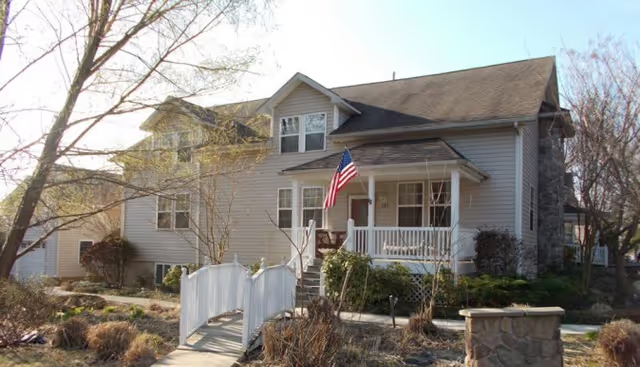
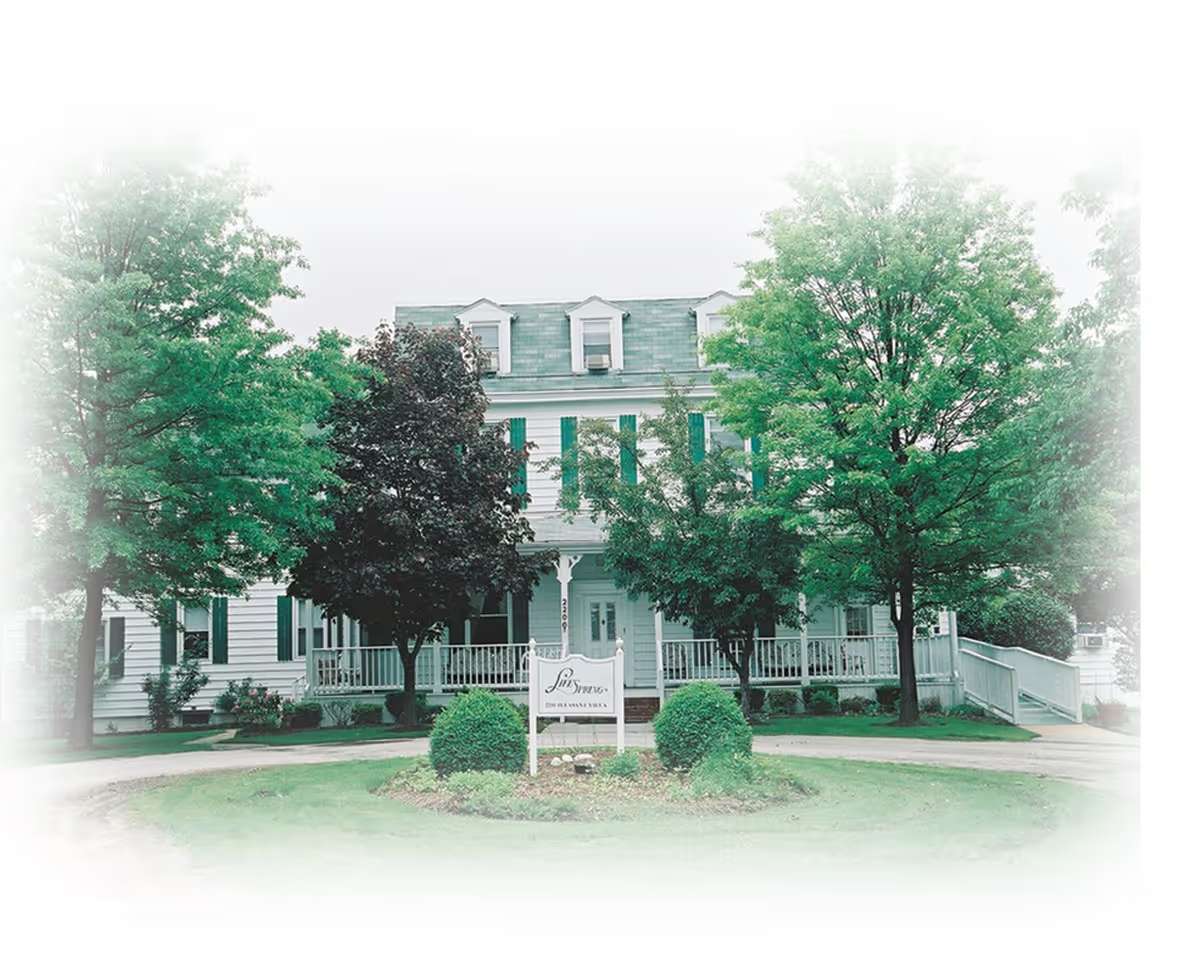
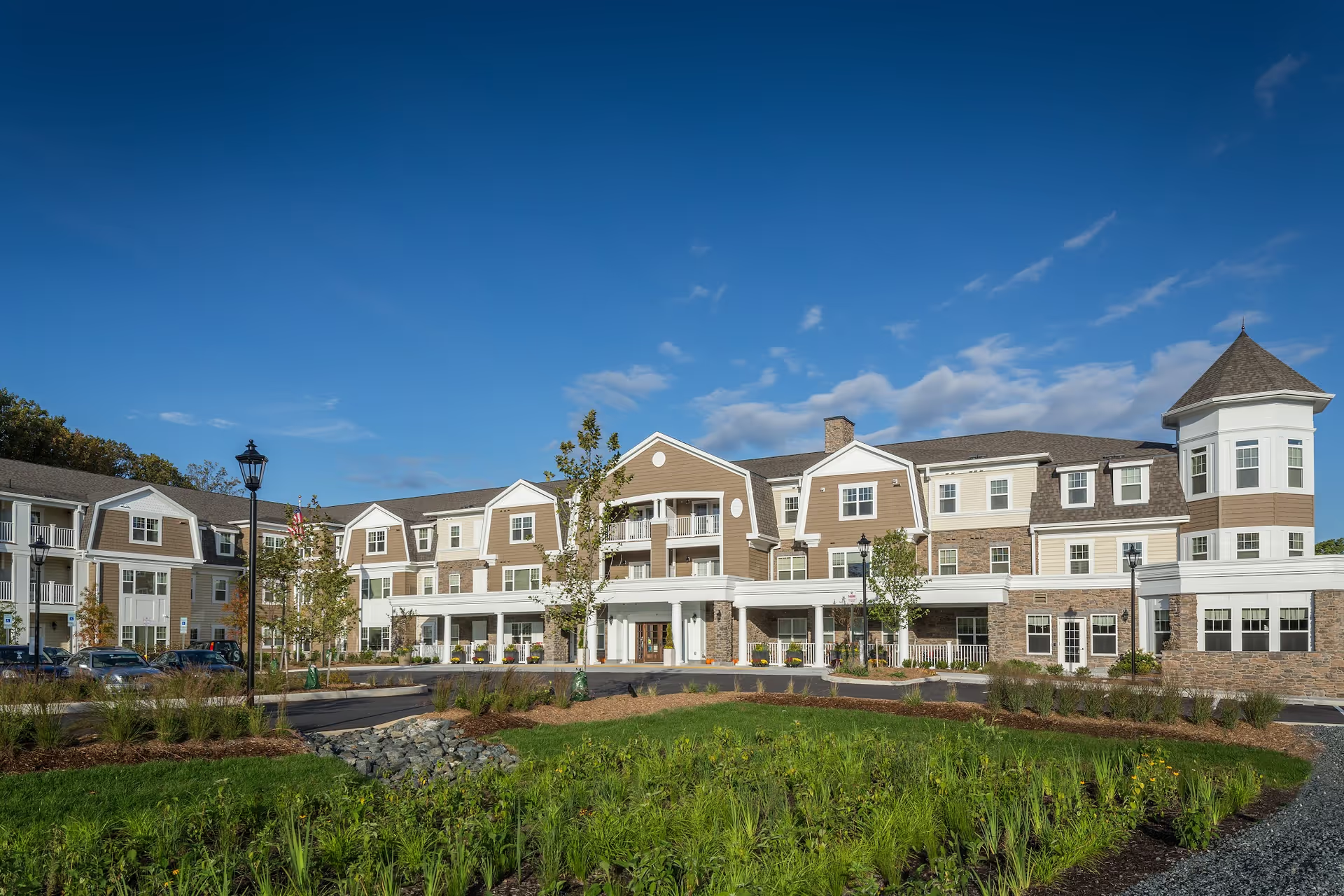
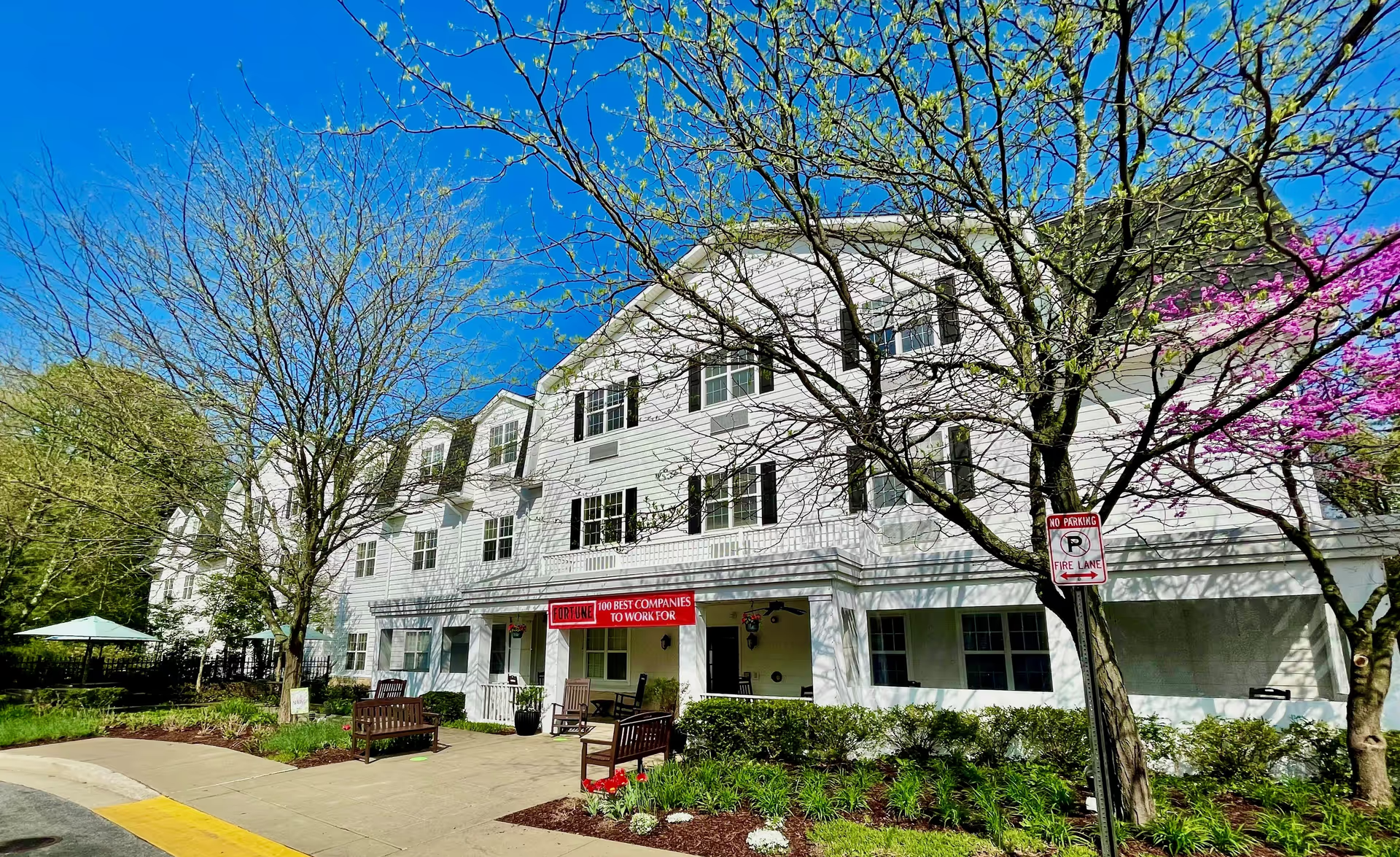
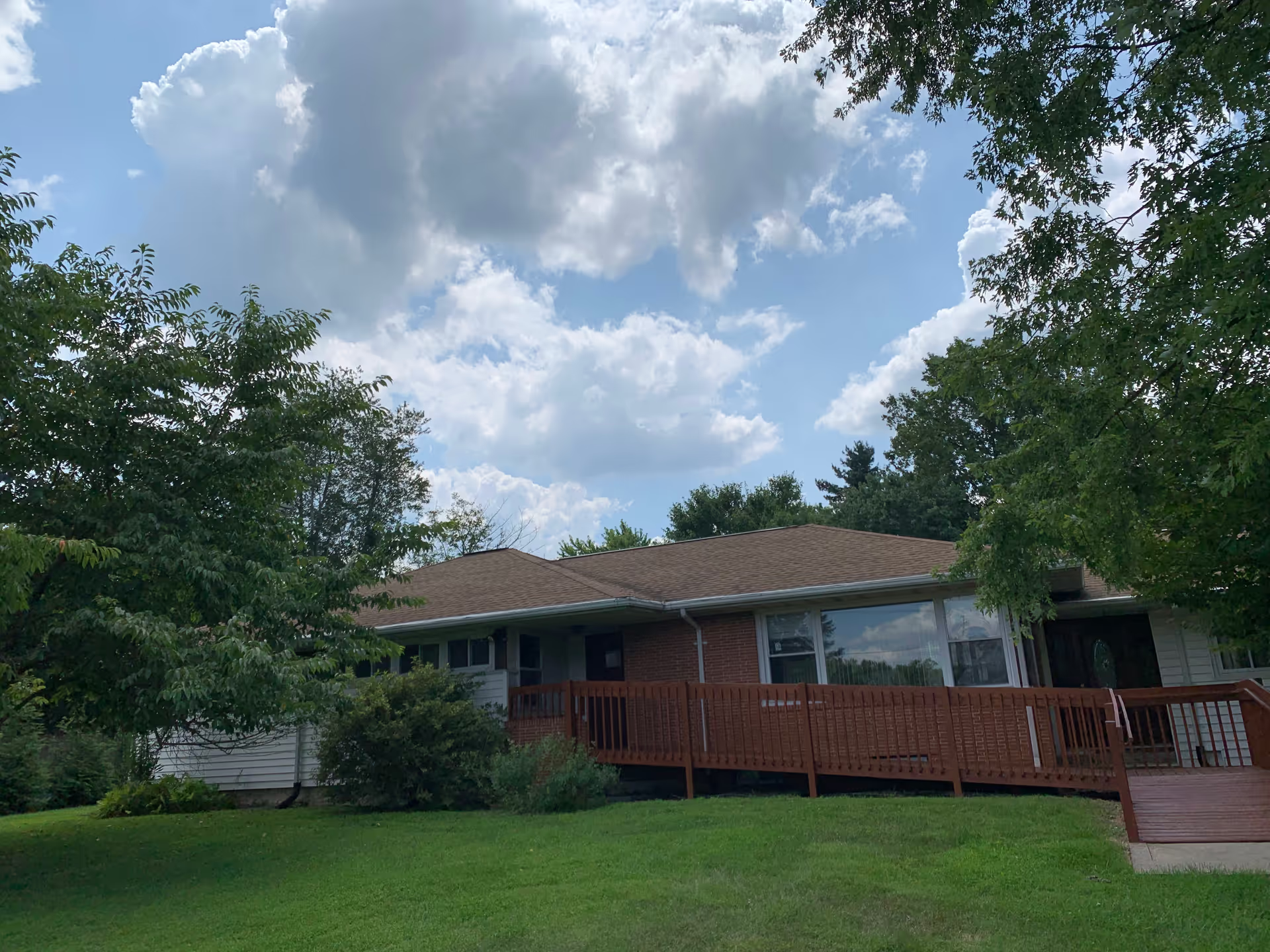
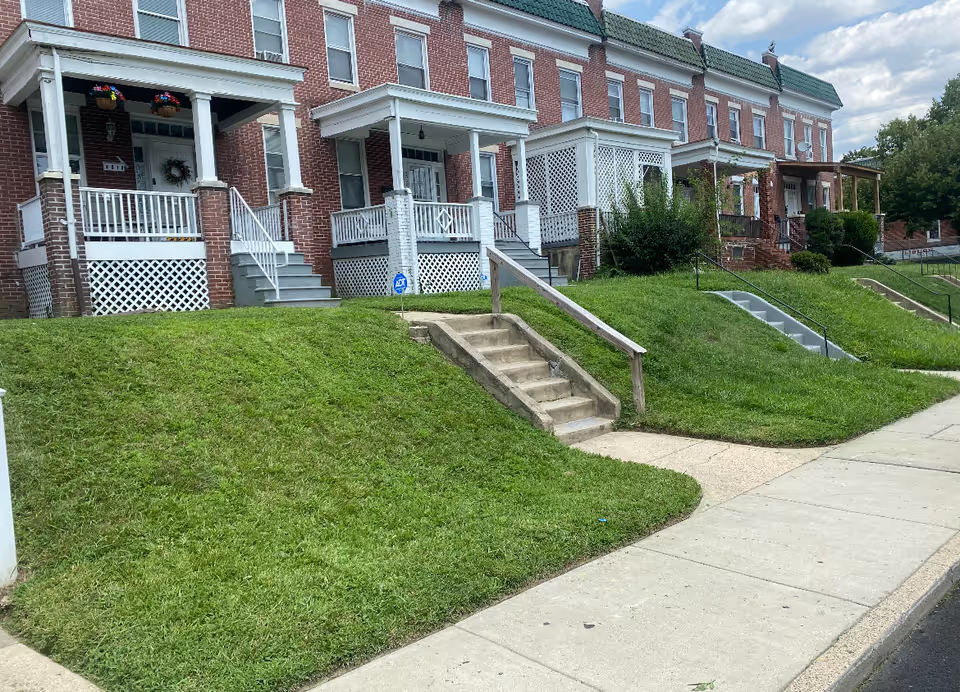
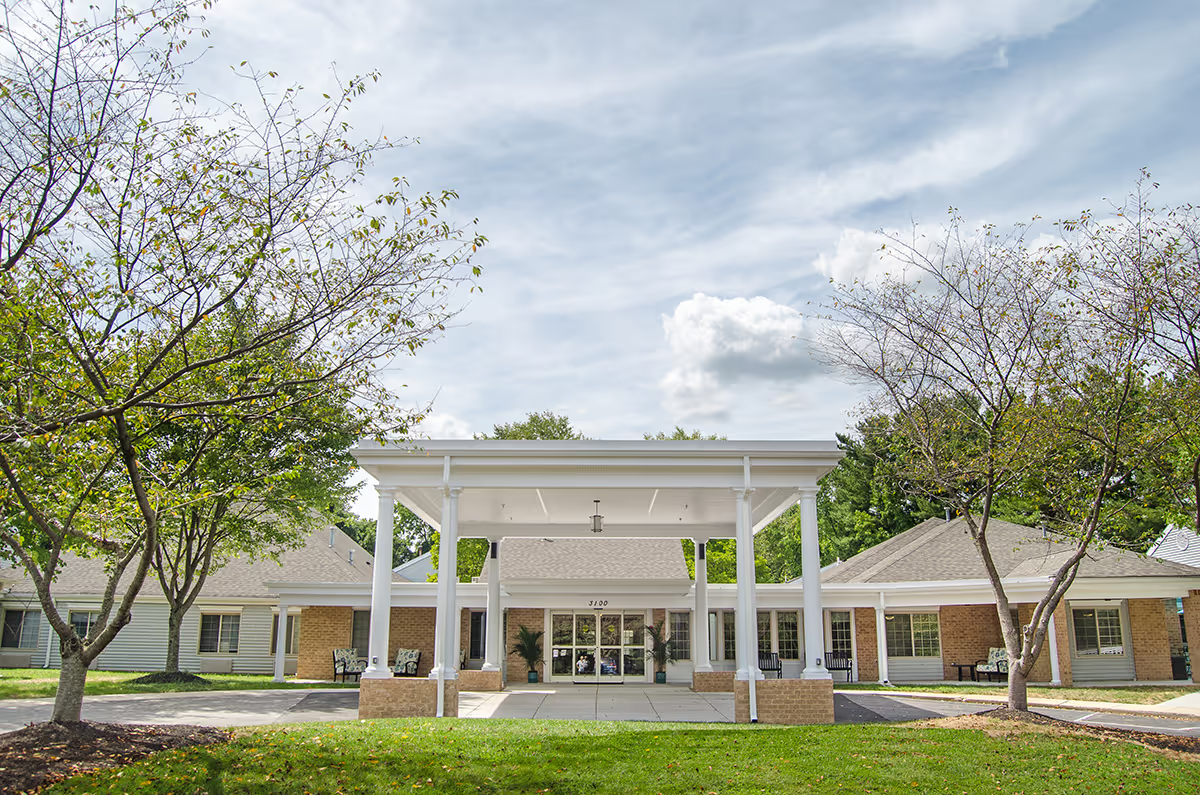
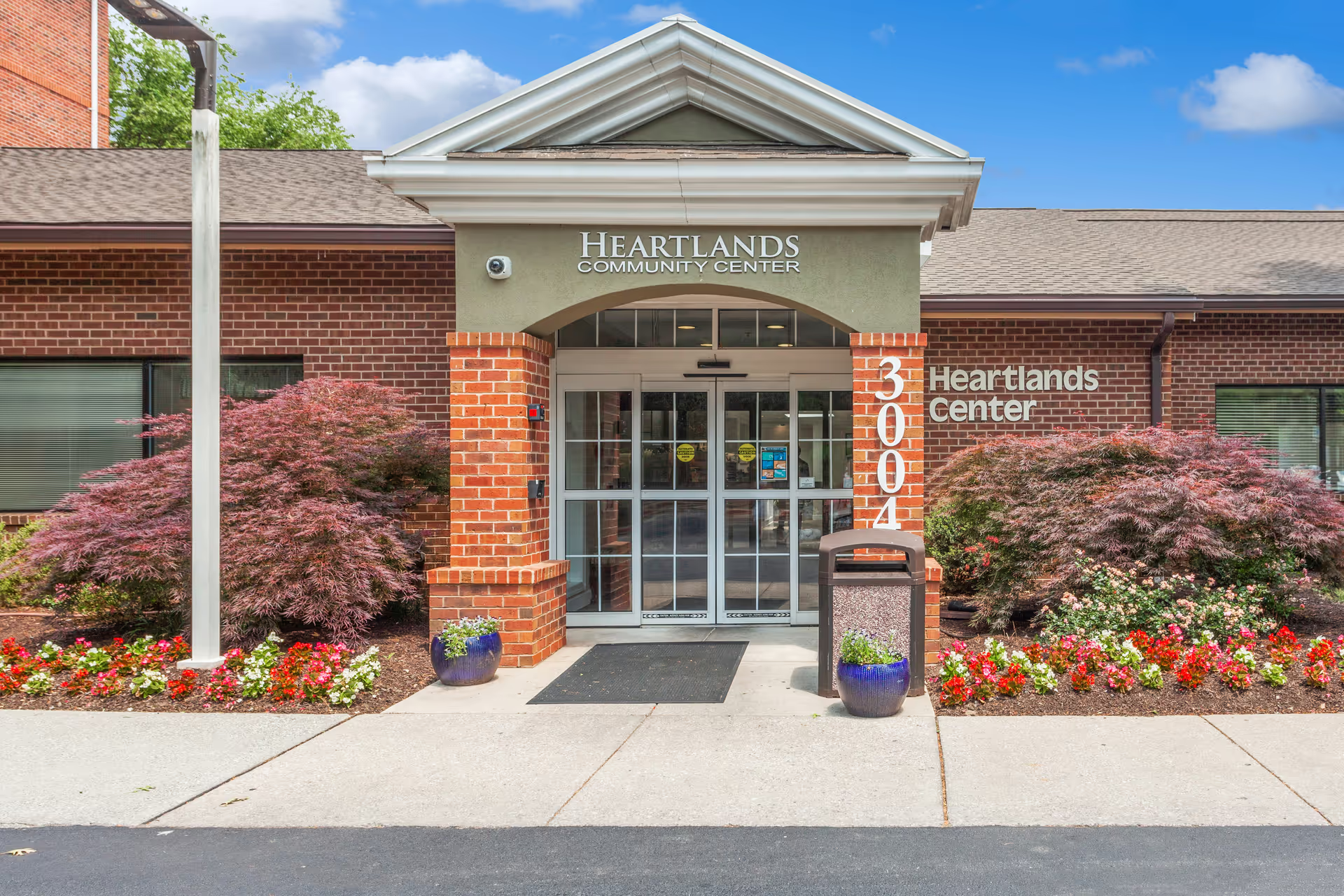
Rolling Meadows Assisted Living presents a juxtaposition of strong hospitality-style attributes and several operational concerns. Many families highlight the facility's attractive Victorian character, recent remodeling, and generally clean, well-kept interiors and grounds. Resident rooms are frequently described as large and well appointed, and reviewers commonly praise warm, attentive caregivers who provide prompt assistance with daily needs. The dining program is regularly noted as a positive feature, with multiple accounts of nutritious meals that residents enjoy. Administrative staff have also been credited with supportive move-in assistance and accommodating family visitation policies.
Care quality appears mixed. Positive accounts emphasize timely help with bathing, mealtimes, and package delivery, alongside individual staff members who engage residents in activities. However, other accounts raise substantive clinical concerns: several families describe inadequate dementia-specific training and supervision, problems with medication administration and recordkeeping, and delays in escalating medical issues. There are also cited incontinence-care concerns and instances where hygiene and infection-prevention practices appear inconsistent. Together, these point to variability in clinical oversight and care-process reliability that prospective families should evaluate closely.
Staff and culture show a similar divide. Many reviewers depict staff as kind, responsive, and welcoming, with examples of staff going beyond routine duties to support residents and families. At the same time, others report inconsistent communication tone, lapses in professionalism during night shifts or leadership communications, and variability in how staff interact with families. This suggests a generally capable workforce with uneven training, supervision, and behavior standards.
Activity programming and family engagement are inconsistent. The facility maintains activity schedules and has staff-led engagement (including positive mentions of specific activities and staff members), but several accounts note that posted programs are sometimes not executed, residents spend substantial time watching television, and opportunities for outdoor time and meaningful engagement can be limited. During periods of restricted access (e.g., pandemic-related shutdowns) technology for remote family viewing was not consistently available.
Facility infrastructure and logistics show both strengths and weaknesses. The building's aesthetic improvements and prompt attention to episodic maintenance (for example, quick responses to plumbing incidents) are cited positively. Conversely, reviewers note recurring operational issues: slow elevators, temporary bathroom outages, gaps in supplies (toiletries, condiments), temperature-control variability in rooms, and concerns about property security and missing items. Ancillary pricing has also been flagged as opaque by families who found toiletries and extras priced higher than expected.
Management impressions are mixed. A recent change in ownership and renovation efforts are viewed favorably by some families, and several describe accessible leadership who support move-in and financial conversations. Other families report problematic communications from leadership and express concern about how the facility handles escalations and serious clinical events. Taken together, these points indicate pockets of strong management practice alongside areas needing improvement in transparency and crisis communication.
Notable patterns for prospective residents and families: the facility offers a homelike environment with solid hospitality strengths (cleanliness, meals, remodeling, and individual caregivers who connect with residents). At the same time, there are recurring operational themes—dementia-care competency, medication controls, emergency-response reliability, activity consistency, supply and maintenance management, pricing transparency, and accessibility—that warrant careful inquiry. Recommended next steps for families considering Rolling Meadows include direct questions about dementia-care training and supervision, medication administration protocols and audits, emergency escalation procedures, activity implementation (not just schedules), ancillary-fee policies, and a walkthrough to assess accessibility and climate control in specific rooms. Random or unannounced check-ins by family members may also help validate day‑to‑day practices observed during a tour.