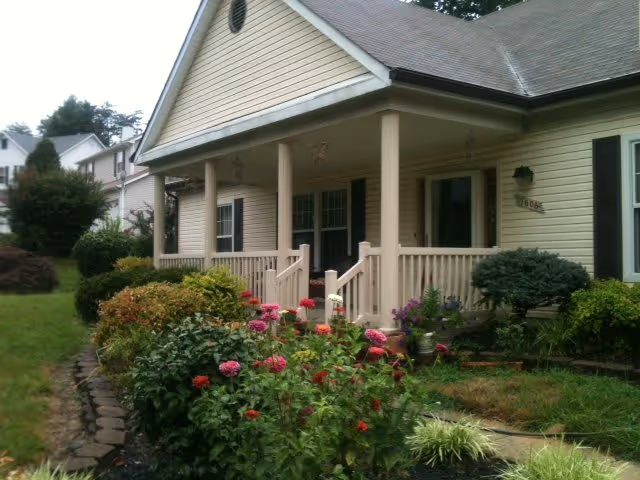
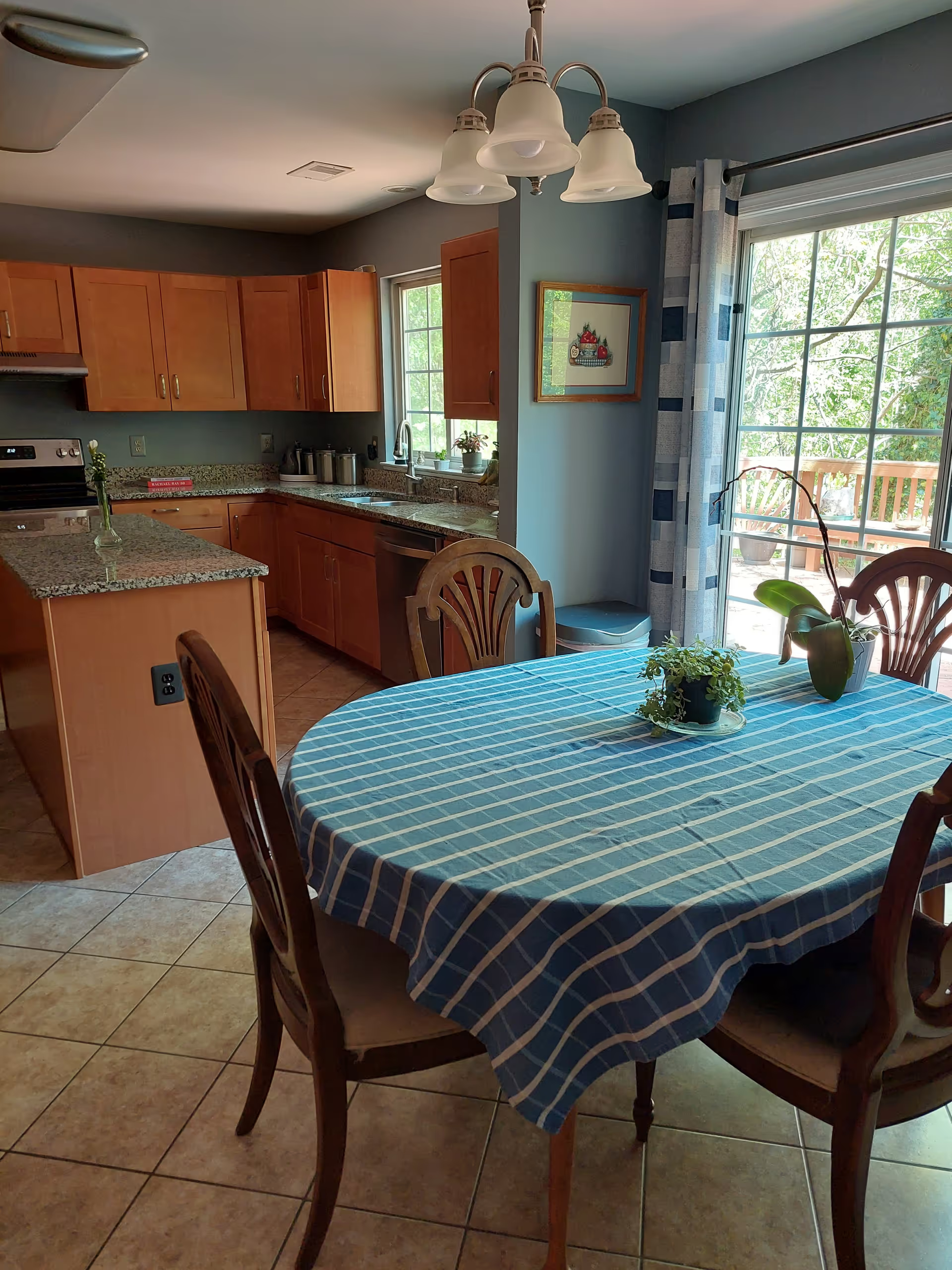
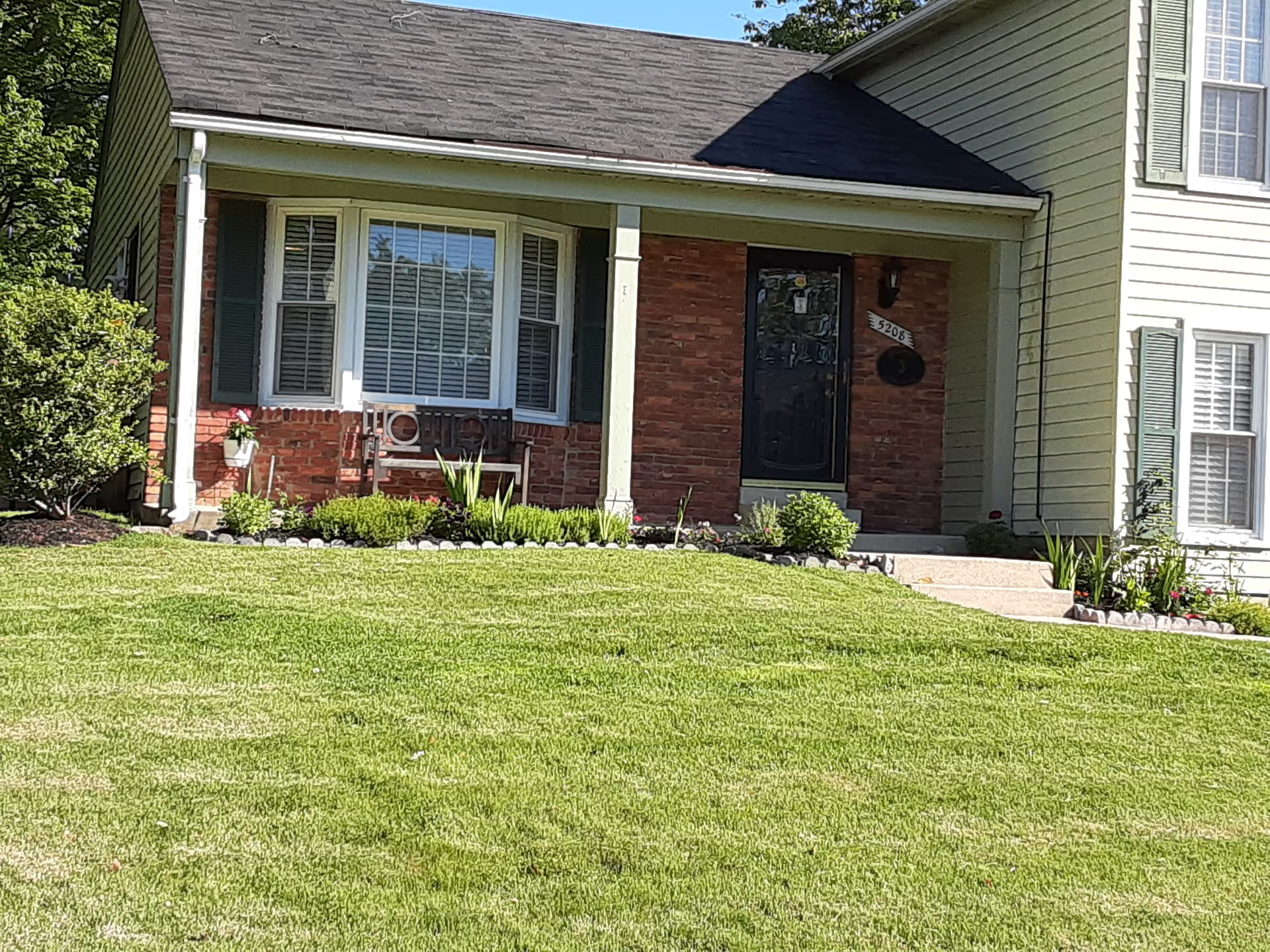
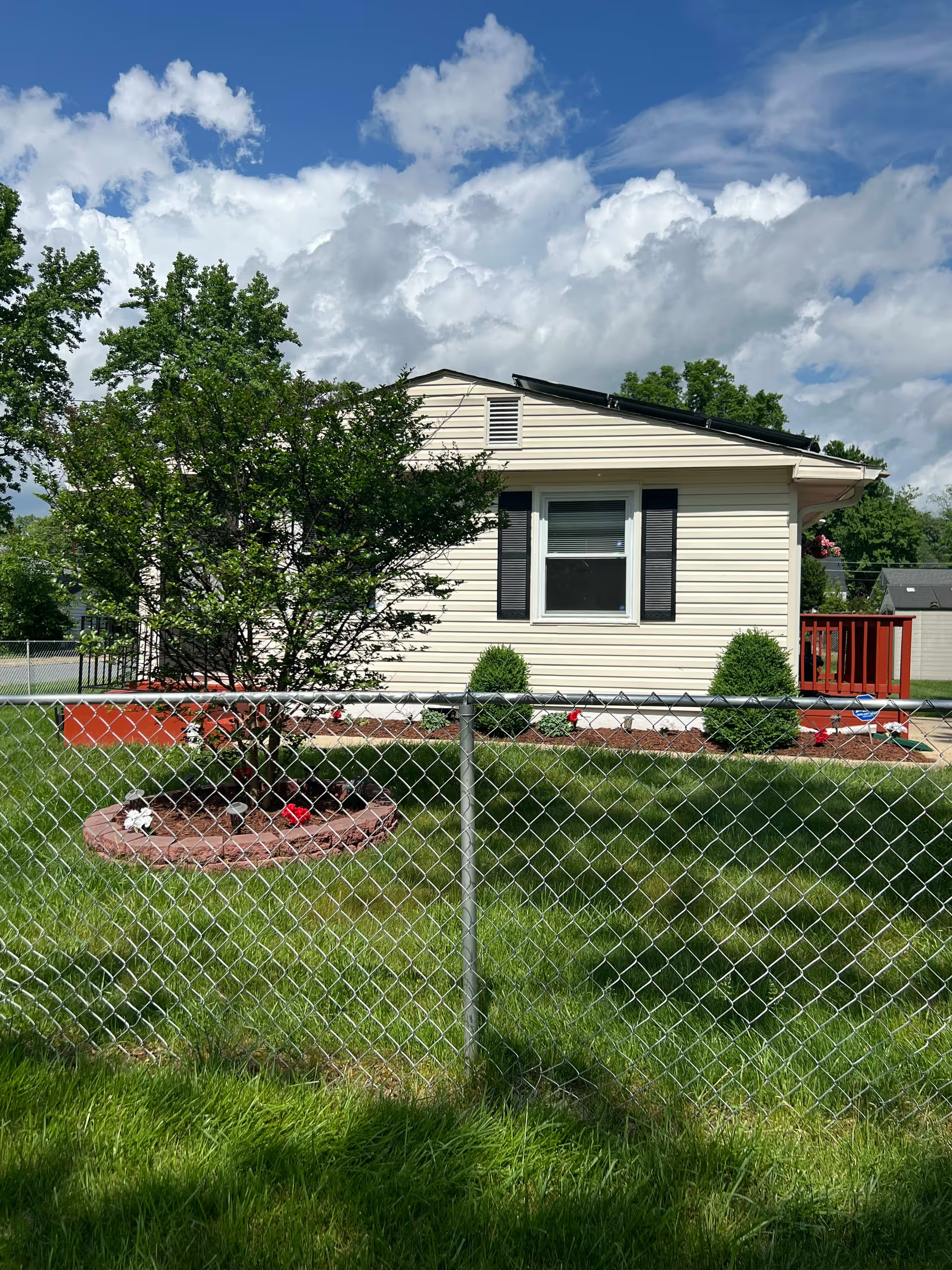
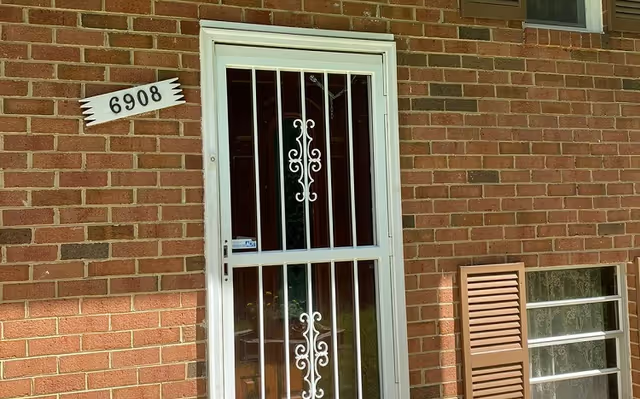
Majestic Assisted Living Home is described primarily as a small, home-like residential setting with a warm atmosphere that many families find reassuring. Positive aspects repeatedly highlighted include compassionate, attentive staff; a non-institutional layout with shared living areas, kitchenette and dining table; private and shared room options; and easy access to outdoor space including a community garden that residents enjoy. Several accounts emphasize that rooms are spacious and can be personalized, and that families feel included in care planning, producing a sense of trust and peace of mind for many residents.
Care quality and staffing are presented as strong in numerous reports: reviewers praise a dedicated team that provides reliable, nurturing support, helps with transitions, and maintains close, person-centered relationships. These elements appear to contribute to observable resident contentment and positive emotional outcomes. At the same time, there are recurring operational concerns that suggest variability in how care is delivered. Specific issues raised point to inconsistent cleanliness and sanitation practices, gaps in incontinence-care processes, and uneven attention to personal grooming and hygiene support. These indicate potential differences in performance by shift or individual staff members rather than a uniform facility standard.
Dining and activities reflect the home-style model: dining is organized around communal tables and kitchenette areas rather than institutional meal halls, and activity offerings include multiple common spaces and a favored community garden that supports self-expression. These features align with the facility’s small-scale, residential approach and appear to support resident engagement. Families looking for more structured programming may wish to ask for details about the regular activity schedule and how activities are tailored to individual needs.
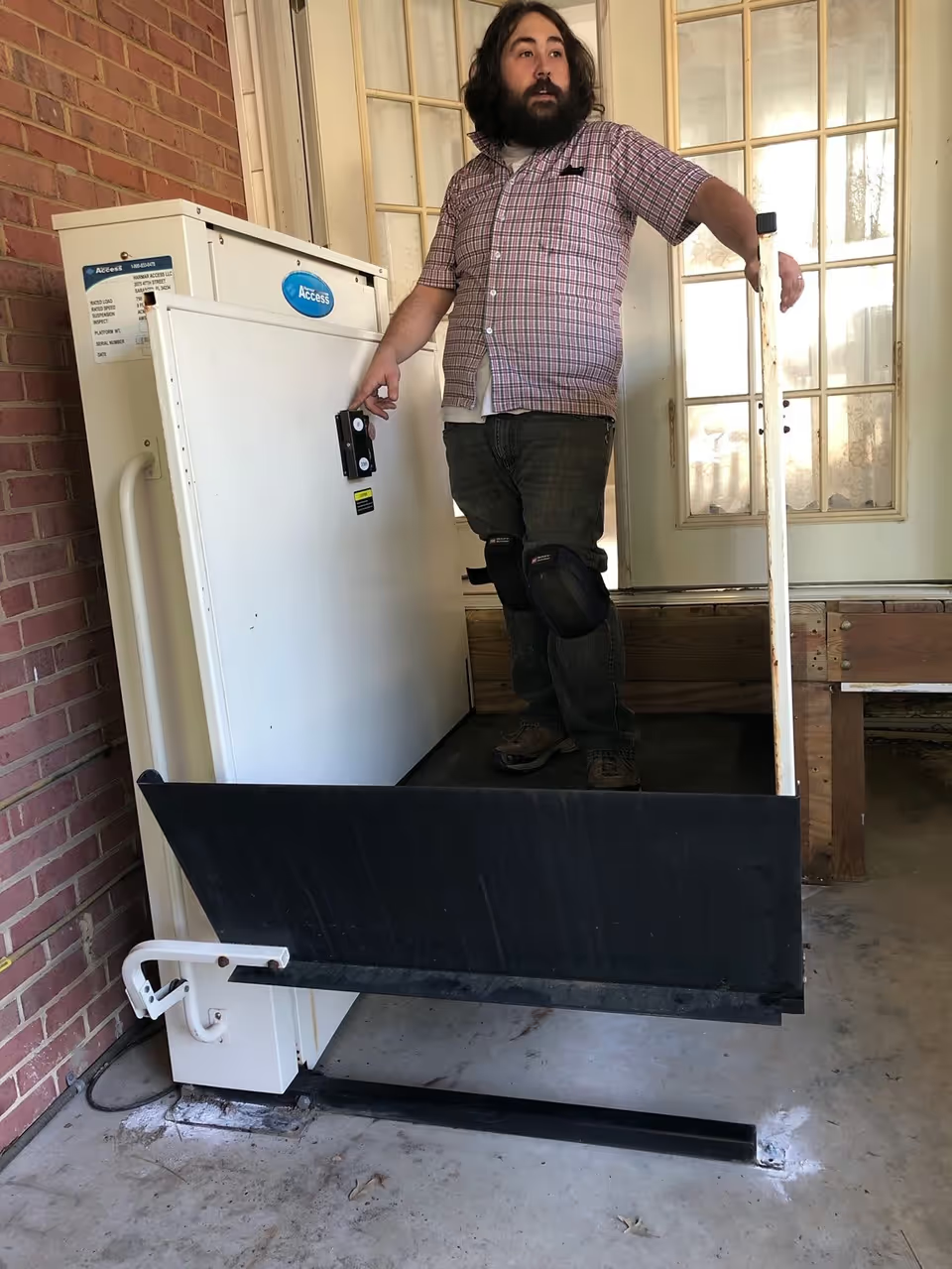
Facility layout and amenities reinforce the residential feel: the cul-de-sac location, living room, and outdoor access create a quieter, neighborhood-like environment. Accessible bathrooms and rooms configured for two beds are noted positives for mobility and roommate flexibility. However, several reviews raise concerns about the accuracy of online marketing materials and facility listings; there are allegations of mismatches between posted photos/descriptions and on-site conditions. Relatedly, some families describe gaps in documentation and transparency when incidents occur, and occasional lapses in prompt responsiveness to urgent resident needs.
Overall, the pattern is mixed but leans positive: many families express strong satisfaction with the emotional climate, individualized attention, and physical environment, while a smaller set of reports point to operational weaknesses that could affect daily comfort and hygiene. Prospective residents and families would benefit from an in-person visit that inspects current living areas, reviews hygiene and incontinence protocols, asks about staffing patterns and shift coverage, and requests recent photographs and documentation of policies. Asking about the facility’s corrective actions for sanitation and responsiveness issues and how they monitor consistency across staff may help clarify whether the home’s strengths are consistently delivered.