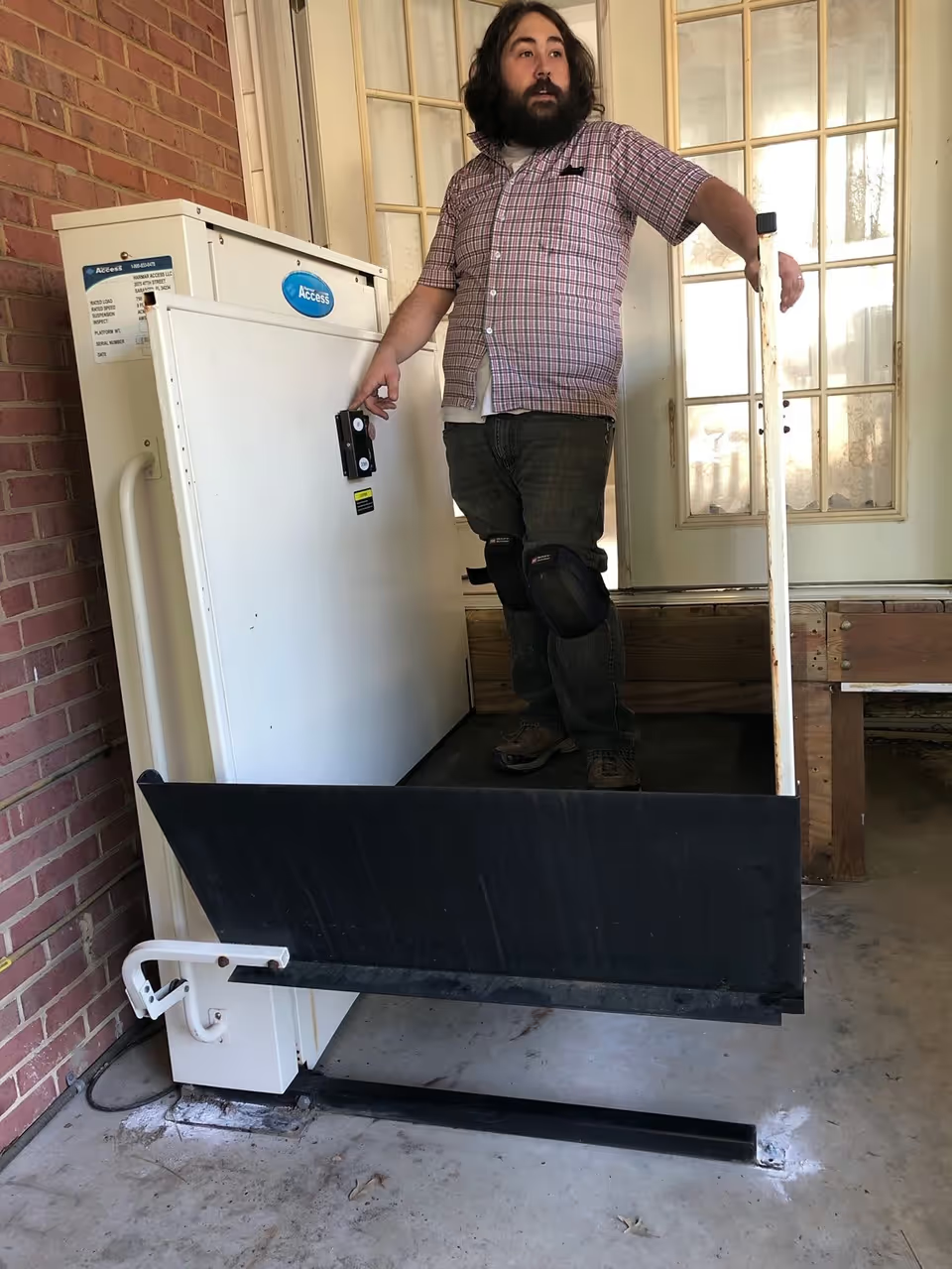
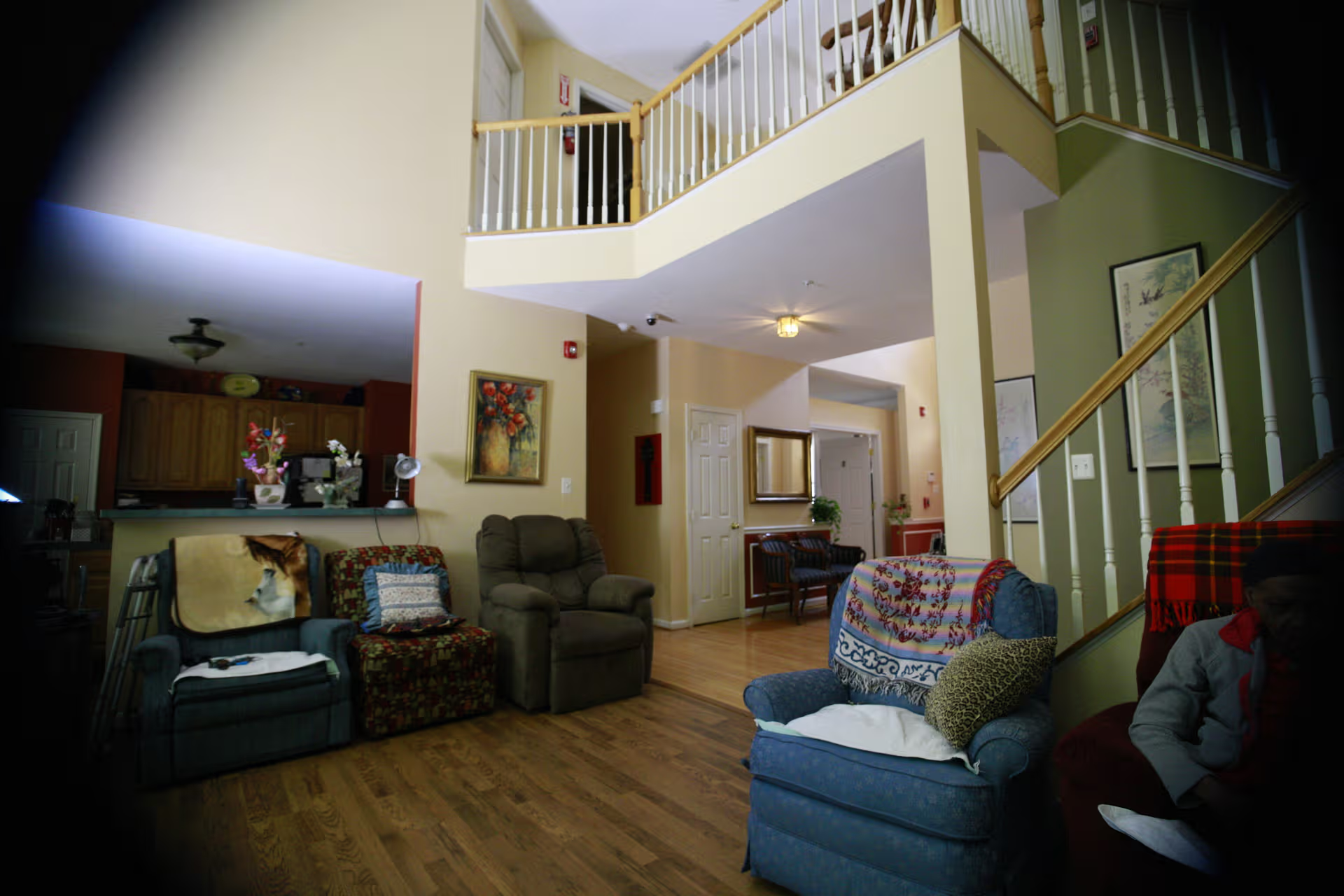
Overall impression Prince of Peace Assisted Living is consistently described as a small, family-oriented facility with a clean, well-kept interior and a staff that many families find welcoming and professional. The environment is often characterized as home-like, with home-cooked meals and respectful staff–resident interactions that contribute to noticeable improvements in resident mood and family peace of mind. The community offers dementia-focused care, accessible room options (including desirable first-floor rooms and stairlift provision), transportation services, and links to physical-therapy resources.
Care quality and staff Care quality is a strong theme: reviewers emphasize dignity, respect, and personalized attention. Several families highlighted a “family” atmosphere and said staff went above and beyond routine tasks. The facility’s approach to residents with dementia is cited positively. However, there is variation in staff engagement across accounts. Some families described staff as highly informative and responsive, while others experienced less-engaged interactions. Clinically, the facility does not maintain 24/7 on-site nursing coverage, which should be clarified with admissions staff for residents needing continuous clinical oversight.
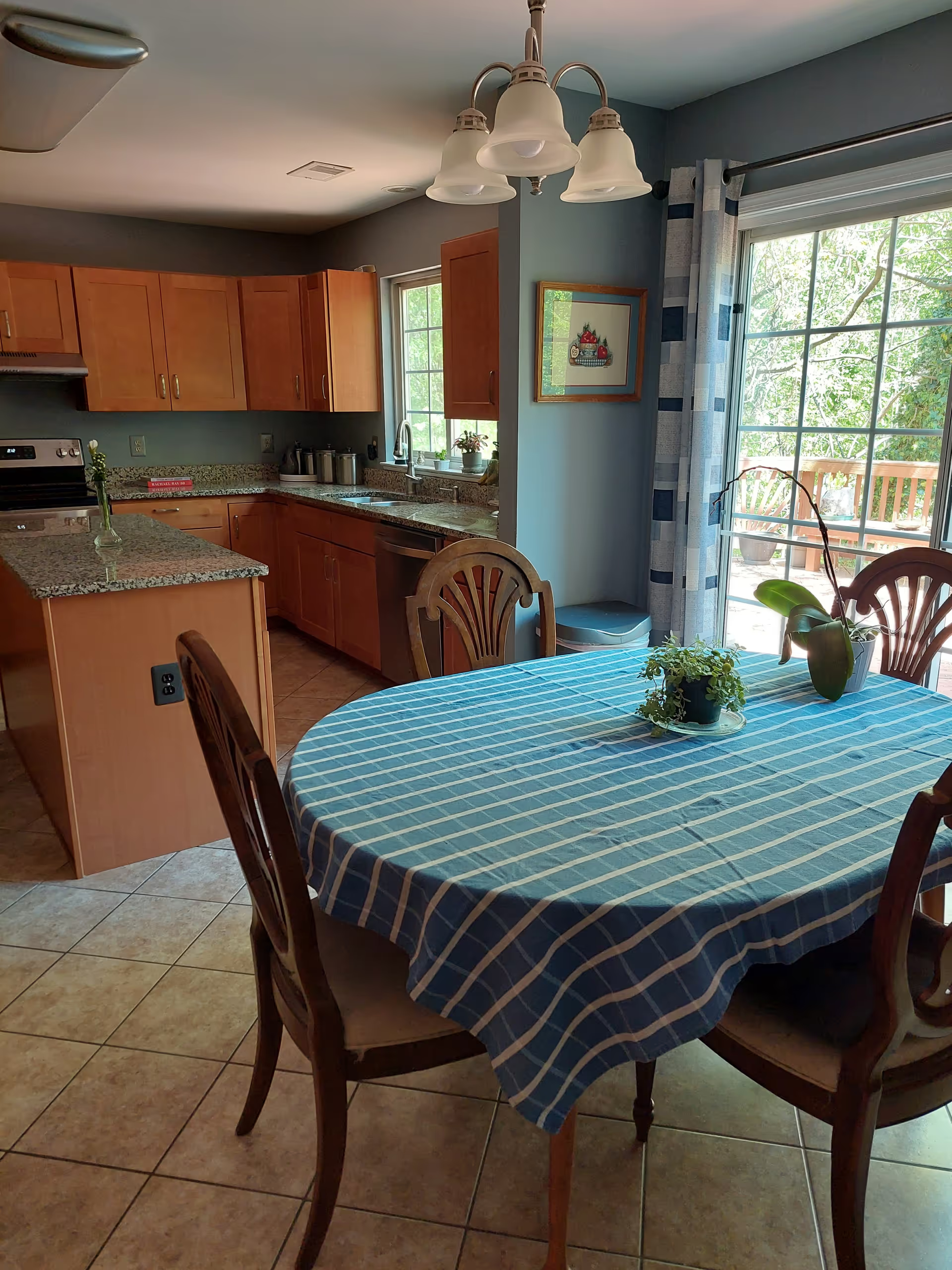
Dining and activities Dining receives favorable remarks for home-cooked meals and a positive mealtime atmosphere; families felt residents were well fed and included in communal meals. Activity programming and amenities appear limited: common areas are small in places, and offerings beyond television and outdoor porch time are described as minimal. There is transportation availability and some therapy options, but prospective residents should ask about structured social and recreational programming if those services are a priority.
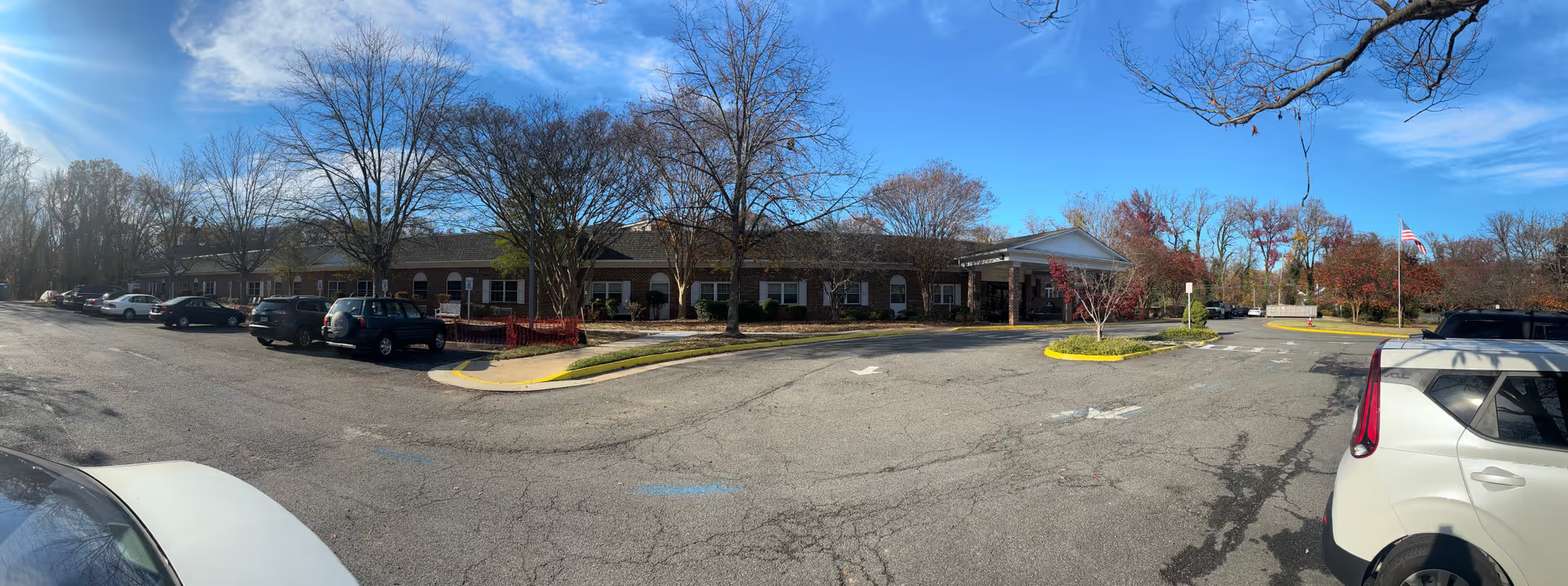
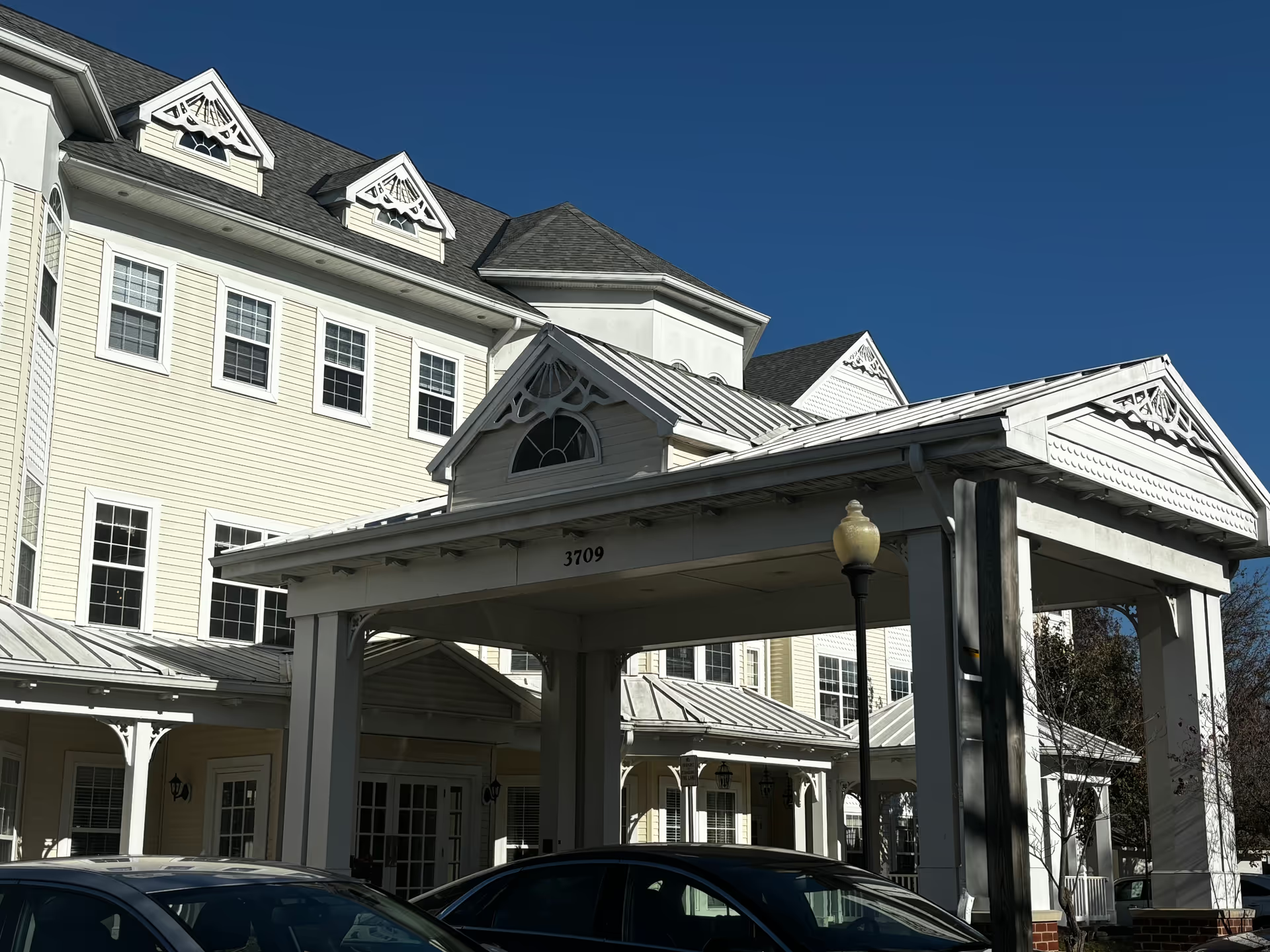
Facilities and layout The property as a whole is described as pleasant and well maintained, with some spacious downstairs areas and a large outdoor setting. At the unit level, however, rooms are frequently described as small, and the overall layout can feel cramped or awkward to some visitors. The facility does accommodate personalized room adjustments and mobility aids, which is a practical strength for shared rooms or second beds.
Management and operations Families generally find management communicative about operations and appreciated owner involvement and informational transparency during tours. At the same time, there are operational weaknesses to note: several accounts indicate billing and financial-communication issues, including unexpected charges and the need for clearer billing practices. Staff responsiveness appears to vary by shift or individual, and the absence of continuous on-site nursing points to limits in clinical capacity. Cost is perceived by some as high relative to the level of amenities and activity programming provided.
Notable patterns and considerations for families Consistent strengths are the caring, family-style culture, cleanliness, and dementia care focus; many families observed improved resident well-being after admission. Areas to investigate during a visit include room size and layout, schedule and variety of activities, the extent of clinical staffing (nurse coverage and on-call arrangements), and detailed billing practices and authorization processes. Asking for a sample activity calendar, clarification of clinical response protocols, and written billing policies will help families determine fit given the facility’s intimate scale and trade-offs between personalized care and limited amenities.