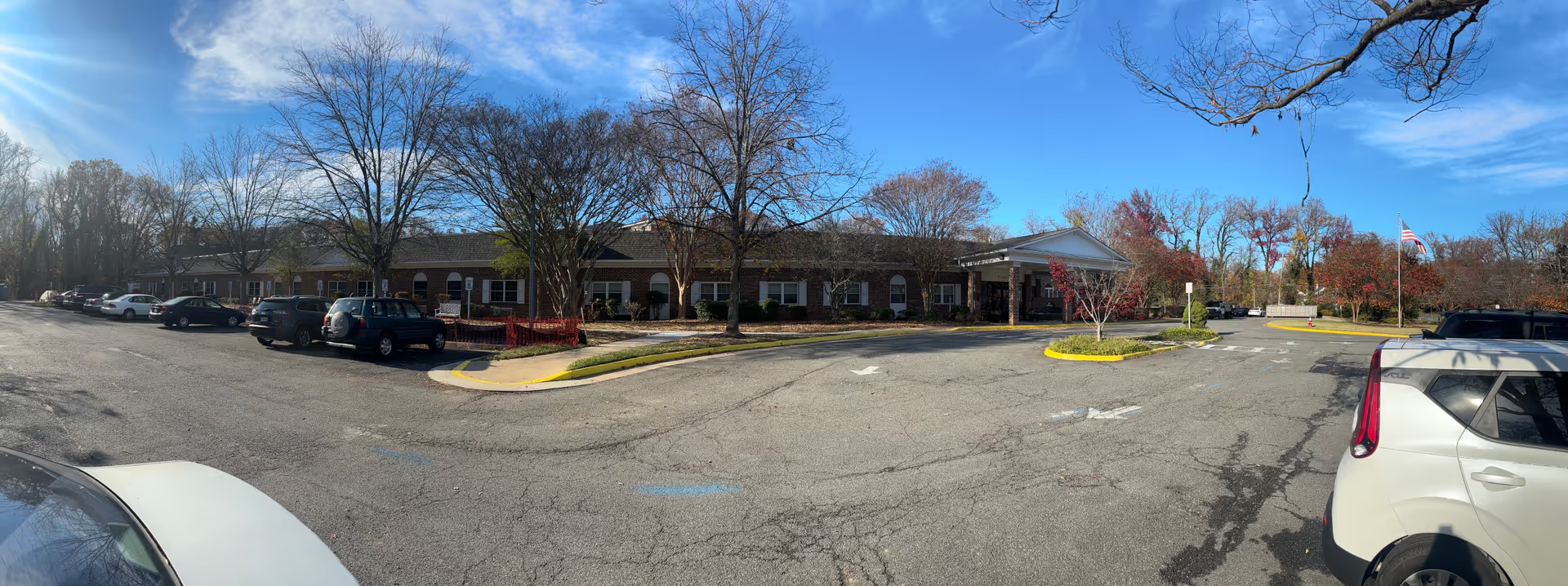
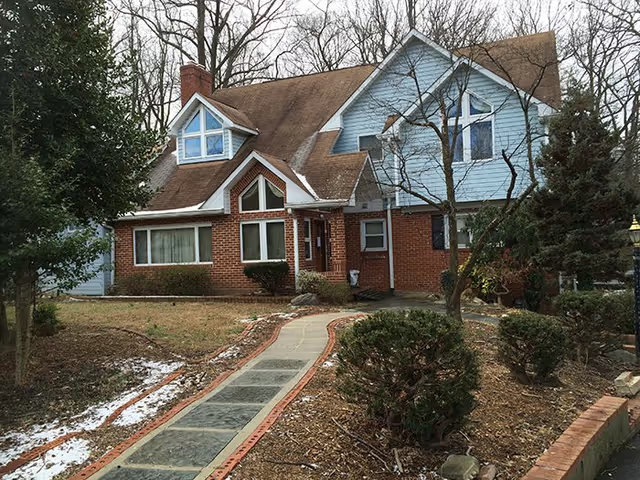
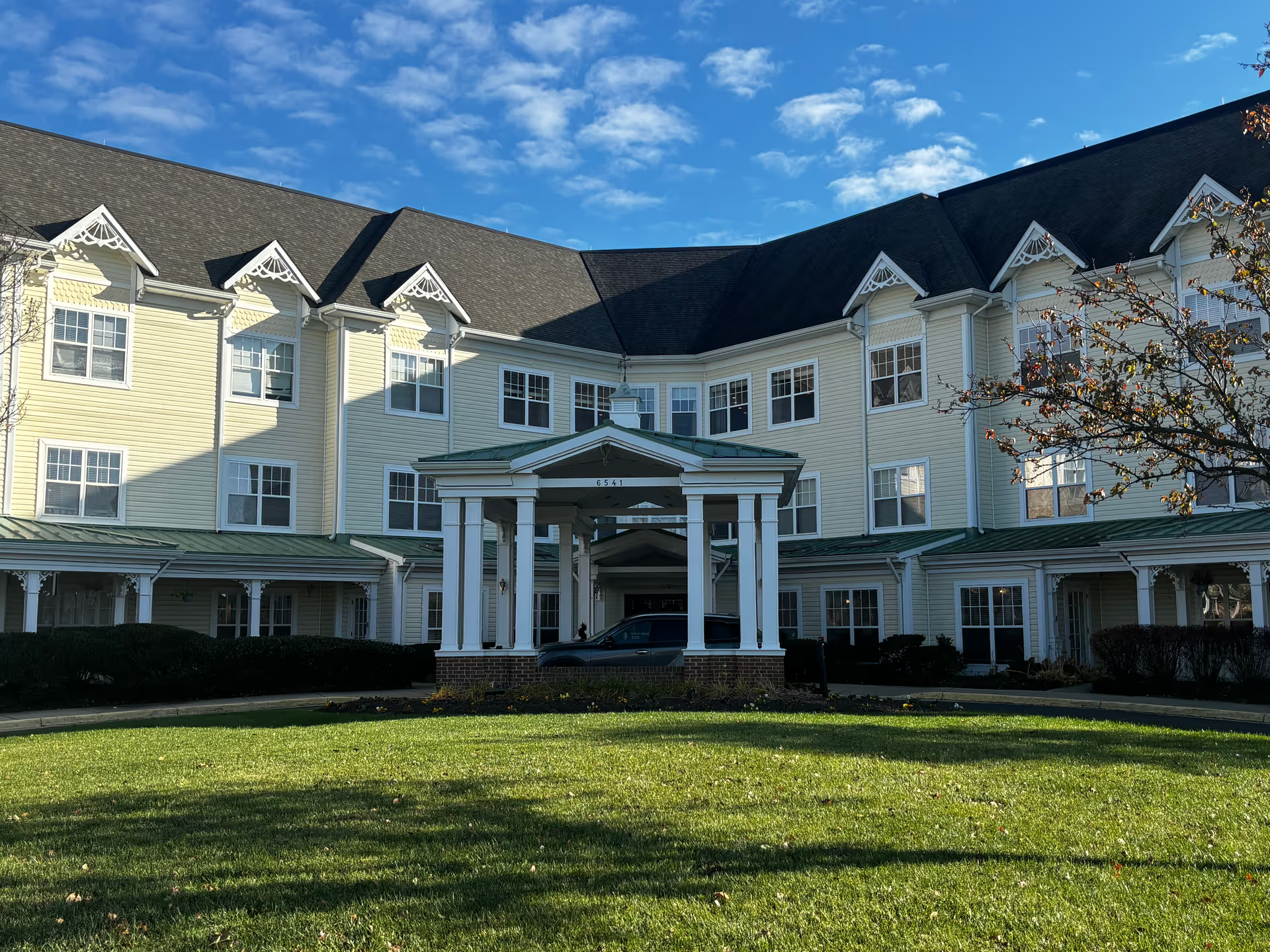
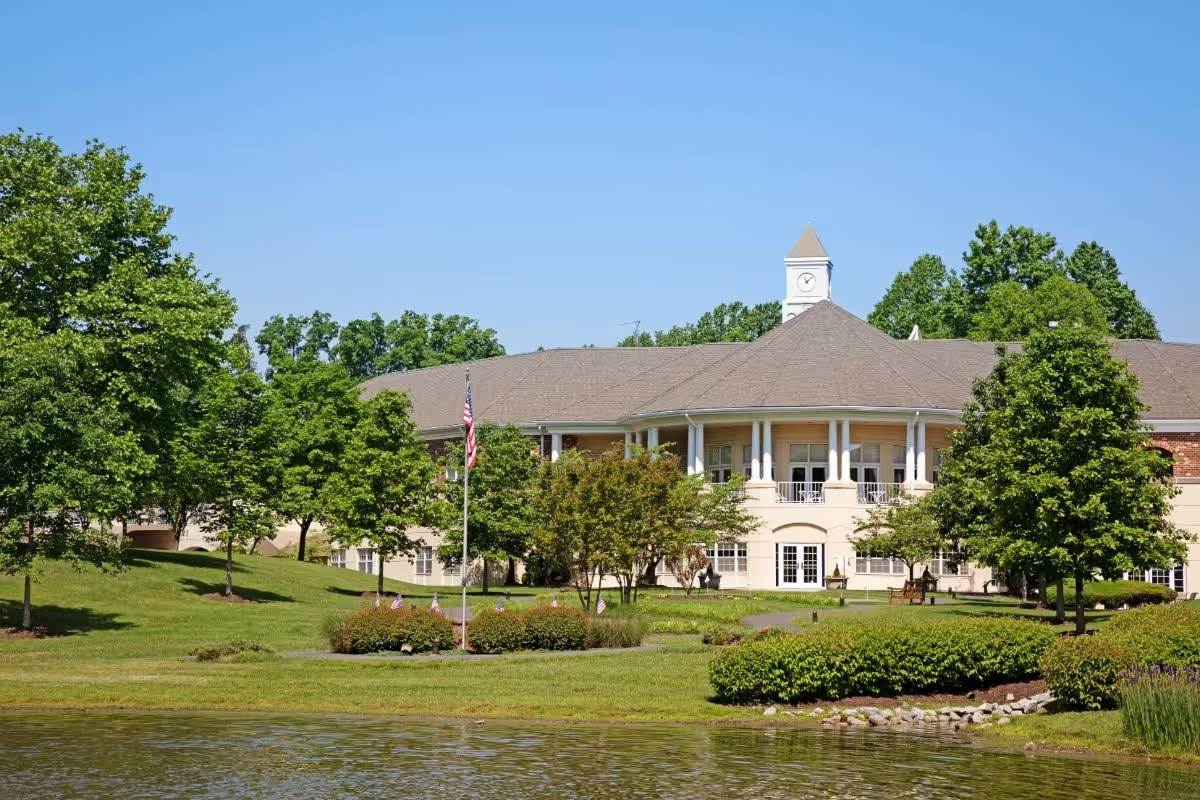
Spring Hills Mount Vernon presents a mixed but generally positive profile. Strengths consistently described across reviews include a robust and energetic activities program, a dining program that offers restaurant-style meals with chef accommodations and flexible hours, and on-site clinical services such as physical, occupational, speech, and memory specialists. Many families praised the compassionate and personable caregiving staff, the creativity of the activities leadership, and the presence of landscaped outdoor areas and gardening plots that support resident engagement. The community’s apartment-style floor plans (studios and one-bedrooms), accessible common areas, and frequent social events contribute to a home-like atmosphere for many residents.
Care quality is described as variable. Several accounts highlight attentive nursing leadership and individualized attention—especially in the small memory-care unit—while other accounts indicate inconsistencies in day-to-day clinical responsiveness, delayed care rounds, and isolated incidents involving medication handling and falls. The facility offers rehabilitation and therapy services and often involves families in care planning; however, prospective residents with high-dependency needs or advanced dementia may wish to confirm aide-to-resident ratios and dementia training before committing.
Staffing and communication are clear fault lines in the reviews. Positive notes emphasize hardworking, kind staff members and strong activity and administrative personnel. At the same time, reviewers frequently cite staff turnover, thin staffing at times, language or scheduling gaps, and phone/voicemail issues that hinder timely family communication. Several reviews reference delayed or inconsistent follow-up from management and a desire for more transparent, timely incident investigations and care-plan communication.
Dining and activities are among the community’s strongest features. Many reviewers praise the menu variety, individualized meal plans, accommodating chefs, and long dining hours that permit flexible visitation. The activities department is repeatedly described as energetic and creative, offering a wide range of options (music, gardening, games, outings) and making concerted efforts to meet residents where they are. Some reviewers noted reductions in activity frequency or variety tied to budget and staffing constraints, so program availability may fluctuate.
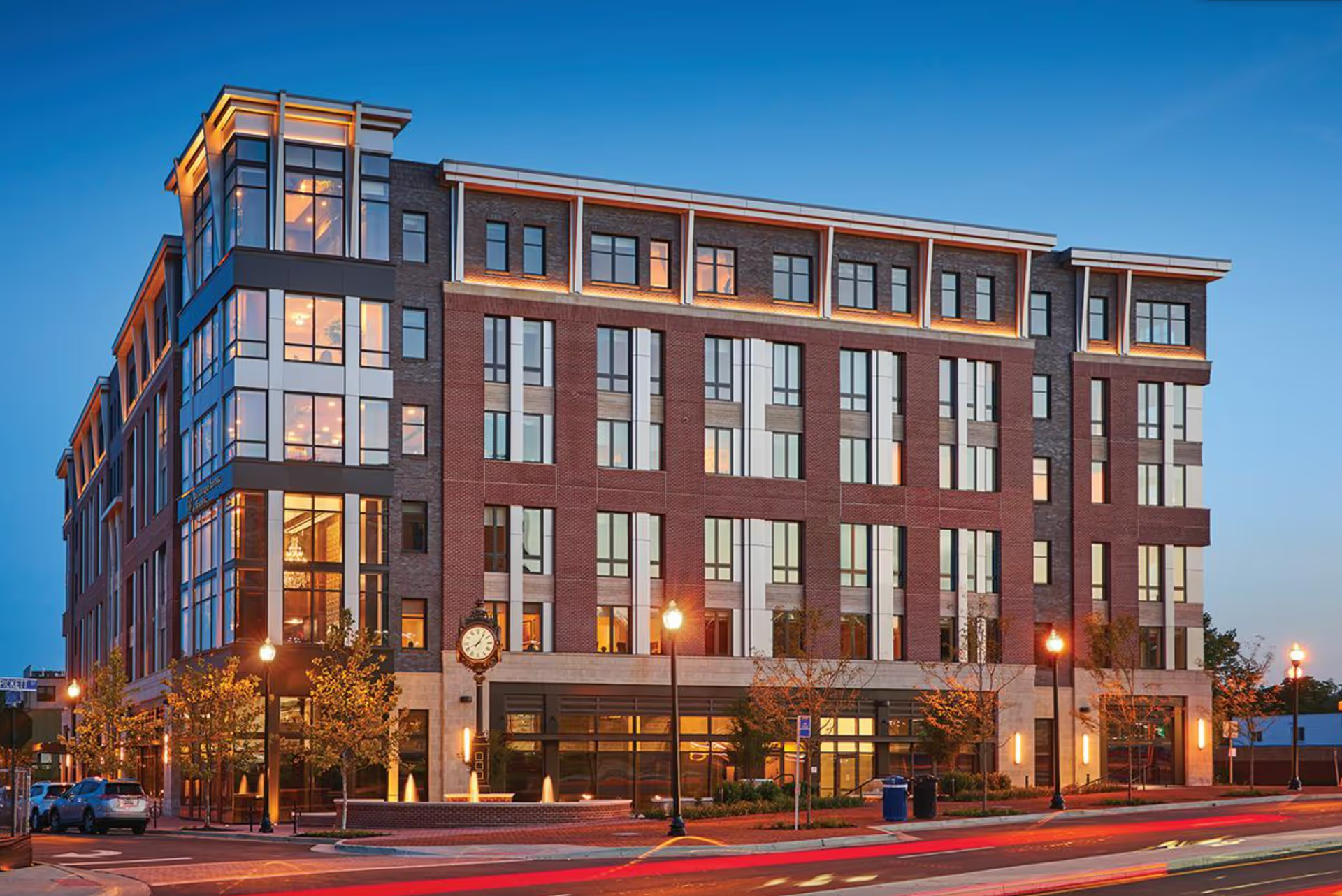
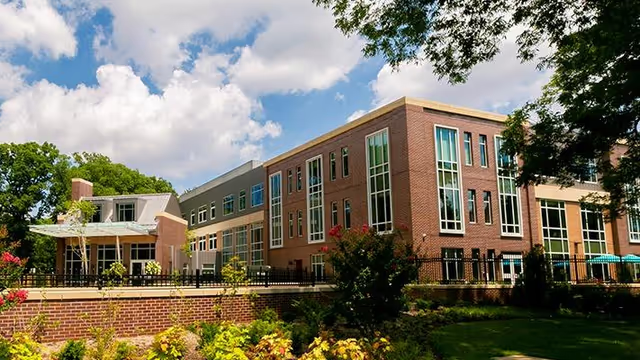
Facility condition and operations show both positives and areas for improvement. Public areas, dining rooms, and many apartments are described as clean, well-maintained, and attractively decorated. Conversely, some reviewers noted maintenance items needing attention (elevators, entry systems), occasional odor concerns in certain areas, and uneven housekeeping in some units. Concerns about management practices surfaced in relation to intake/sales transparency, room-assignment changes, and handling of resident belongings and laundry; families are advised to clarify contractual and inventory procedures during admission.
Notable patterns: the overall impression is polarized—many families express strong satisfaction, citing safety, engaging programs, and genuine staff warmth; a significant minority describe operational lapses with potentially serious consequences (communication failures, medication/administration inconsistencies, unattended incidents). There are also references to regulatory inquiries and family escalations in isolated cases, which suggest the value of direct verification. Prospective residents and families should prioritize clarifying current staffing levels, dementia-care training, emergency response protocols, medication-administration safeguards, pricing transparency, and the facility’s process for family communication and incident follow-up. Observing a full activity period, meeting nursing leadership, and reviewing written policies on admissions, possessions, and incident reporting will help assess fit and risk for an individual resident.