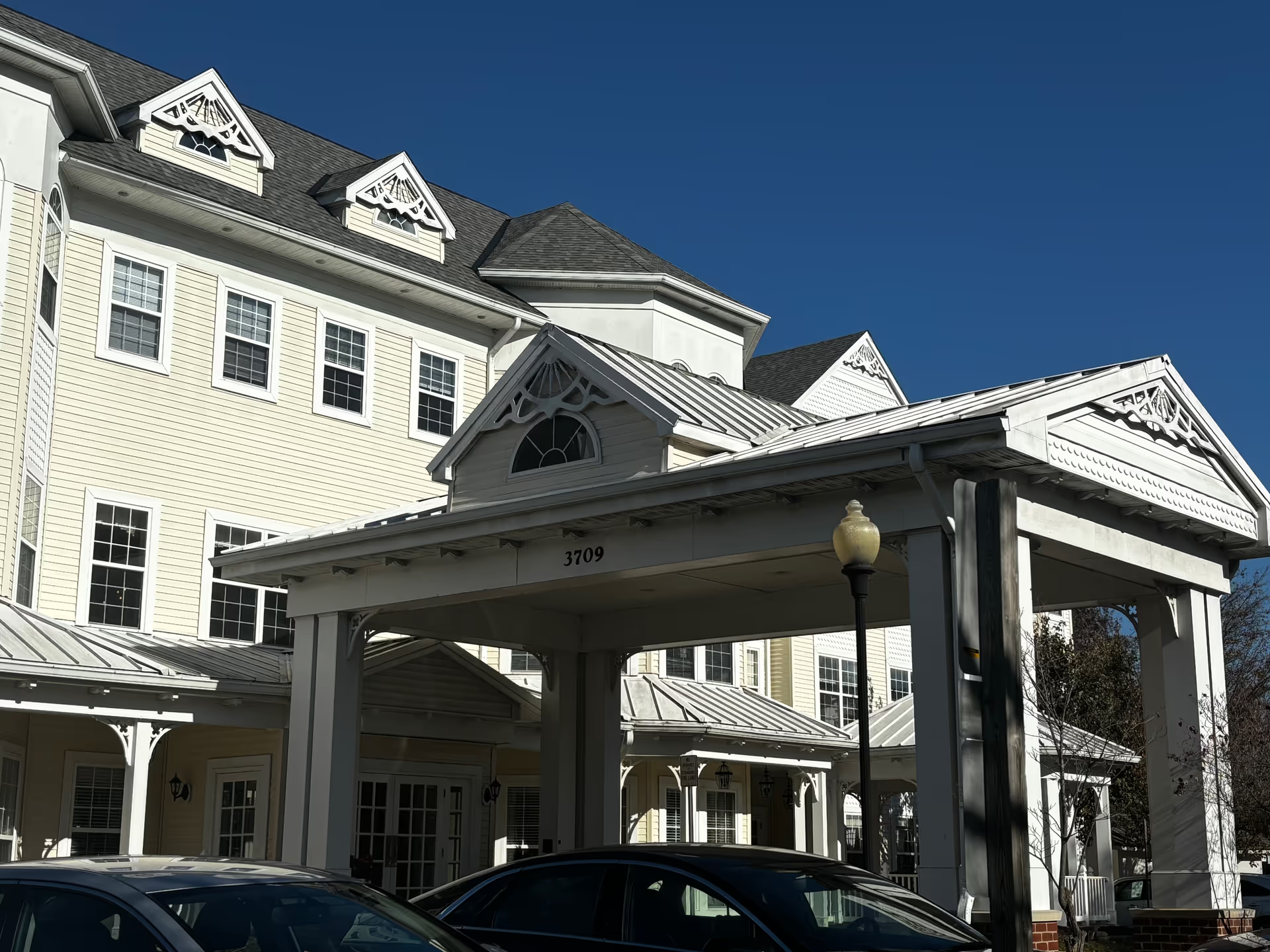
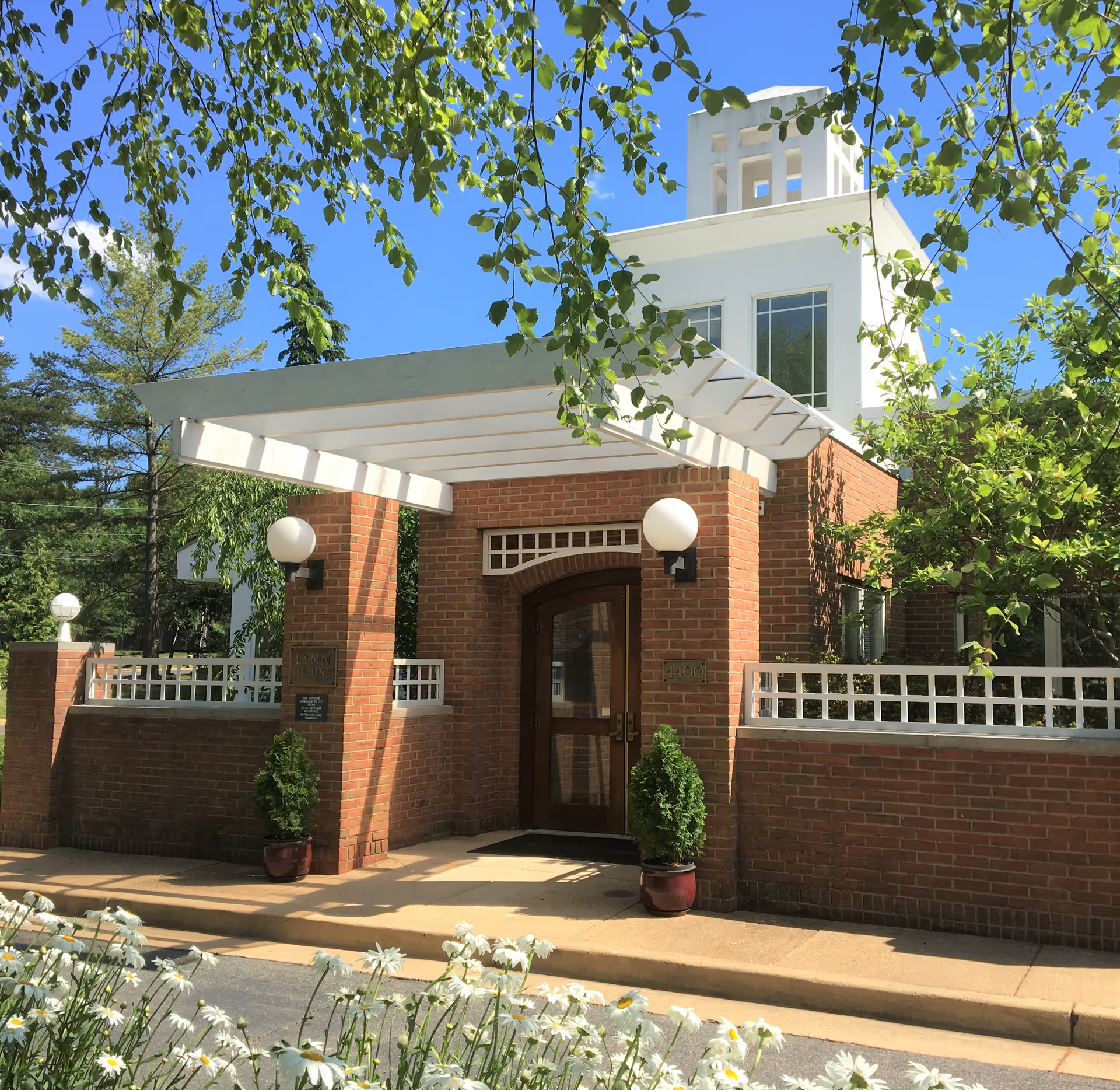
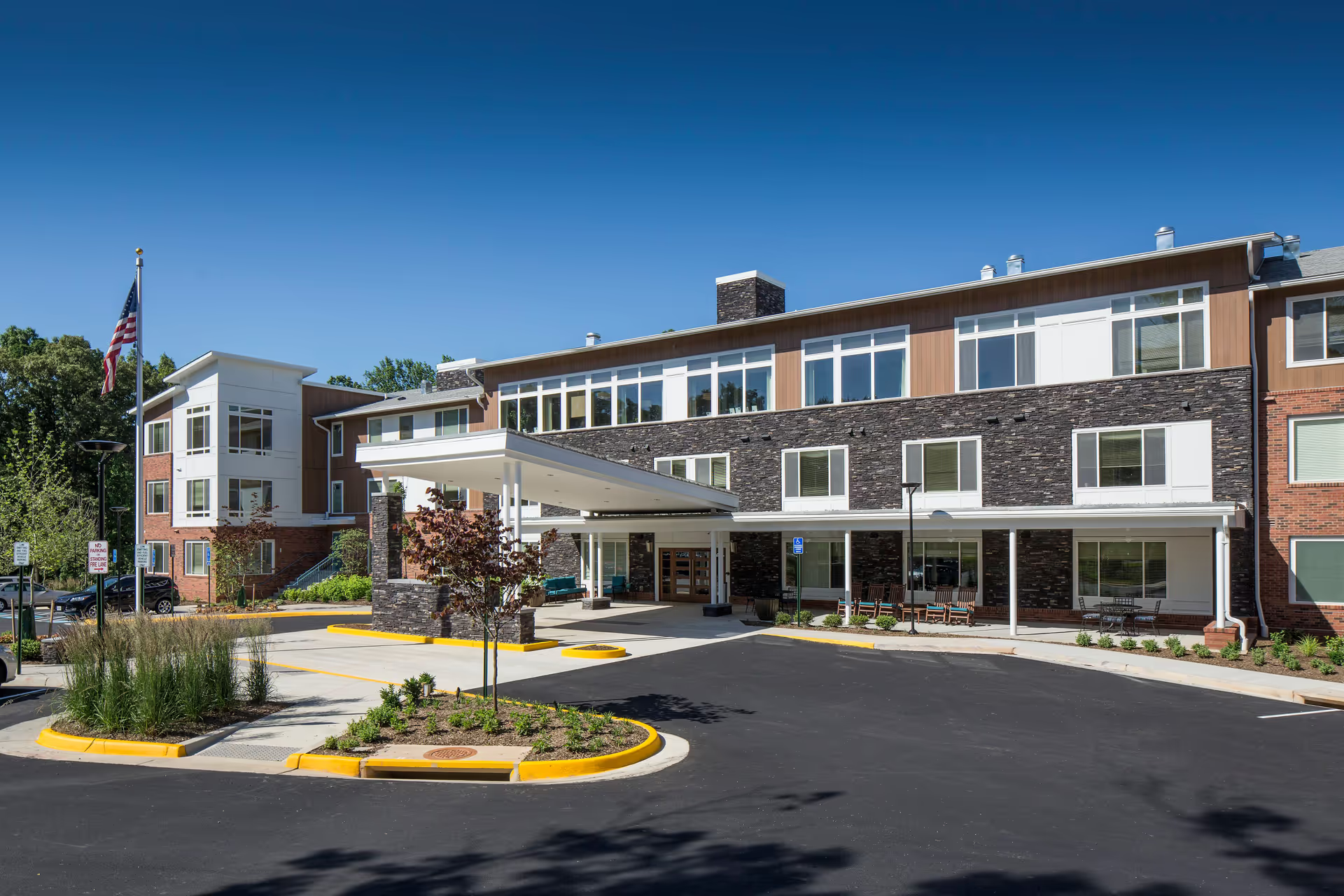
Sunrise of Springfield is frequently described as a community with a strong caregiving culture and an emphasis on relationship-based, personalized care. Many families cite staff as a core strength — compassionate, attentive employees, long-tenured caregivers, and staff who develop familiar, family-like relationships with residents. The community also has dedicated dementia and memory-care resources, including a locked memory-care unit, an identified dementia coordinator, and targeted programming aimed at engagement for residents with cognitive impairment.
Clinical and rehabilitative services are available on-site, including physical therapy and medication management, and several accounts describe good responsiveness during crises or transitions to hospice. That said, reviewers indicate variability in clinical operations: staffing levels and availability appear inconsistent across shifts, and there are occasional concerns about medication-handling processes and emergency-contact follow-up. These indicate gaps in operational consistency rather than a lack of clinical intent.
Dining and activity offerings are prominent positives. The community runs a broad slate of daily activities, social programs, outings, and group events that many residents enjoy and regularly attend. Recreational amenities such as a library, salon, gym/rehab space, recreation rooms, and outdoor walking paths support an active lifestyle. However, food quality and menu variety are unevenly described: while some praise dining and chef interaction, others cite limited variety, repetitive menu items, or tasteless dishes. Activity delivery is also sometimes inconsistent, with occasional cancellations or lower-than-expected stimulation on certain units.
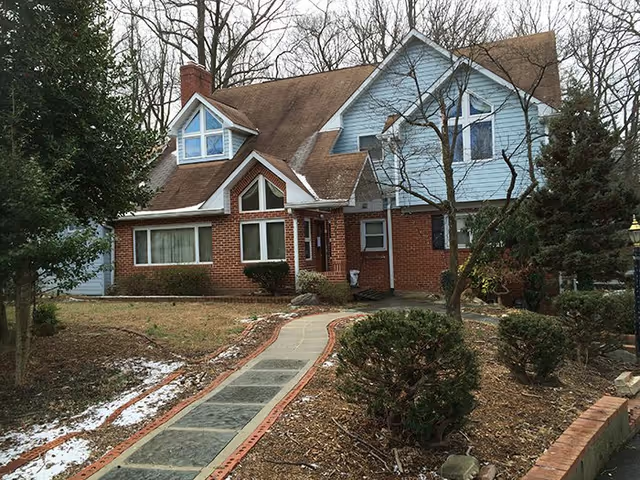
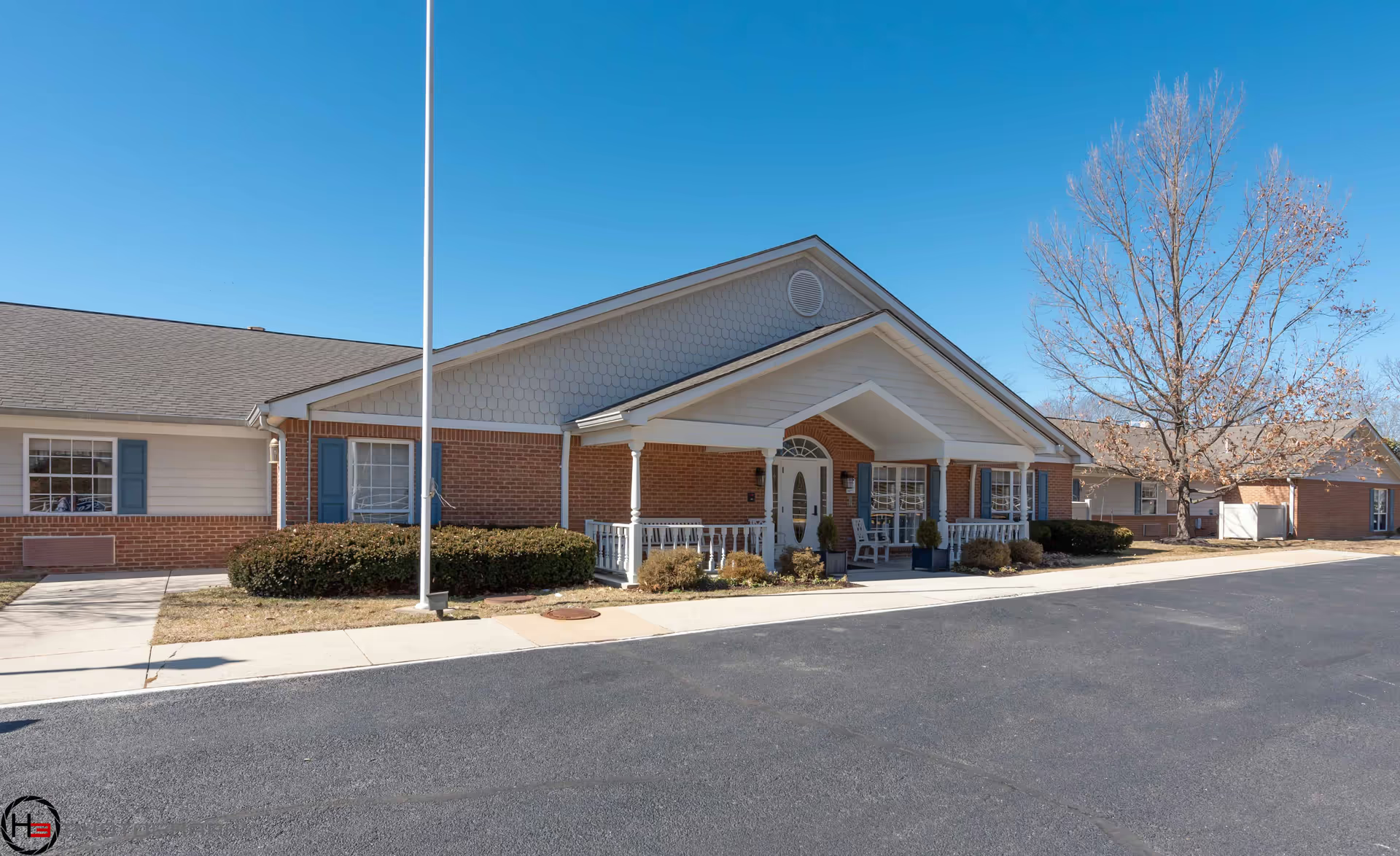
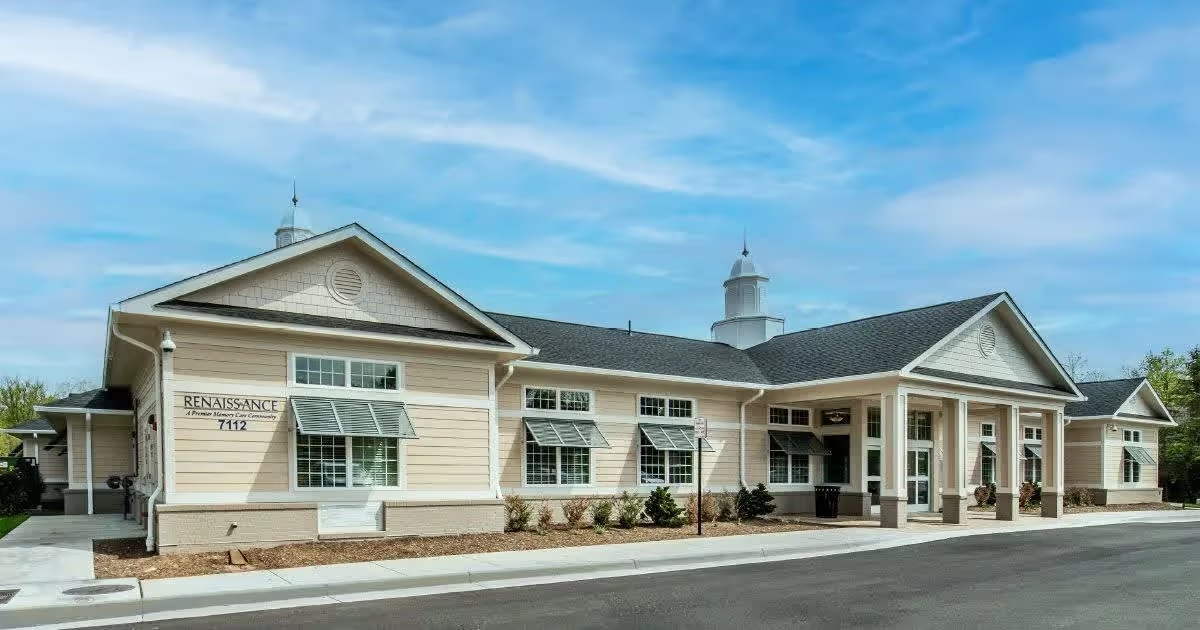
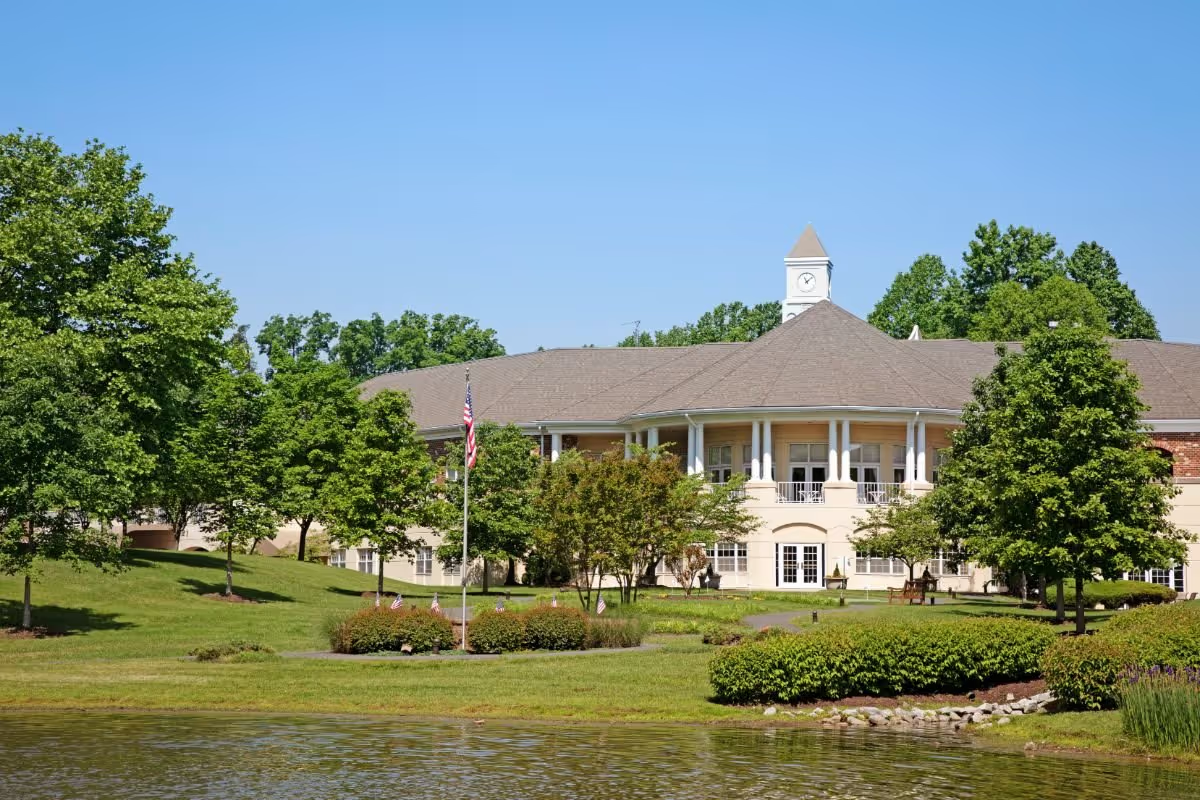
Facility and amenities are generally seen as attractive: pleasant communal spaces, well-kept grounds, and a range of apartment types (studios through two-bedrooms) that many families find comfortable and convenient. The location near shopping, transit, and major highways is a frequent plus. At the same time, a number of reviewers point to aging areas that could benefit from renovation, parking constraints during events, and limited outdoor space in certain parts of the campus.
Operational and administrative themes recur in the feedback. Strengths include proactive management, regular follow-up calls, and a willingness to address issues; several families appreciated timely responses when concerns were escalated. Weaknesses include intermittent communication and coordination breakdowns between departments, front-desk and after-hours contact challenges, billing and payment-portal errors, and variable housekeeping standards in private bathrooms and some resident areas. There are also isolated but serious-sounding concerns that translate into facility-level traits: pest-control and infection-control issues have been raised and merit attention, and supervision on the secure memory-care floor has been described as inconsistent in some accounts.
Overall, Sunrise of Springfield appears to offer a caring, activity-rich environment with many committed staff and useful on-site services, making it a good fit for families who prioritize engagement, dementia expertise, and proximity to urban amenities. Prospective residents and families should weigh the variability in dining, housekeeping, staffing coverage, and administrative reliability, and should consider focused questions and observations during a tour — for example, staffing levels at different times of day, sample menus, housekeeping protocols, pest-control measures, and how billing and after-hours communication are handled — to determine whether the community’s strengths align with their expectations and needs.