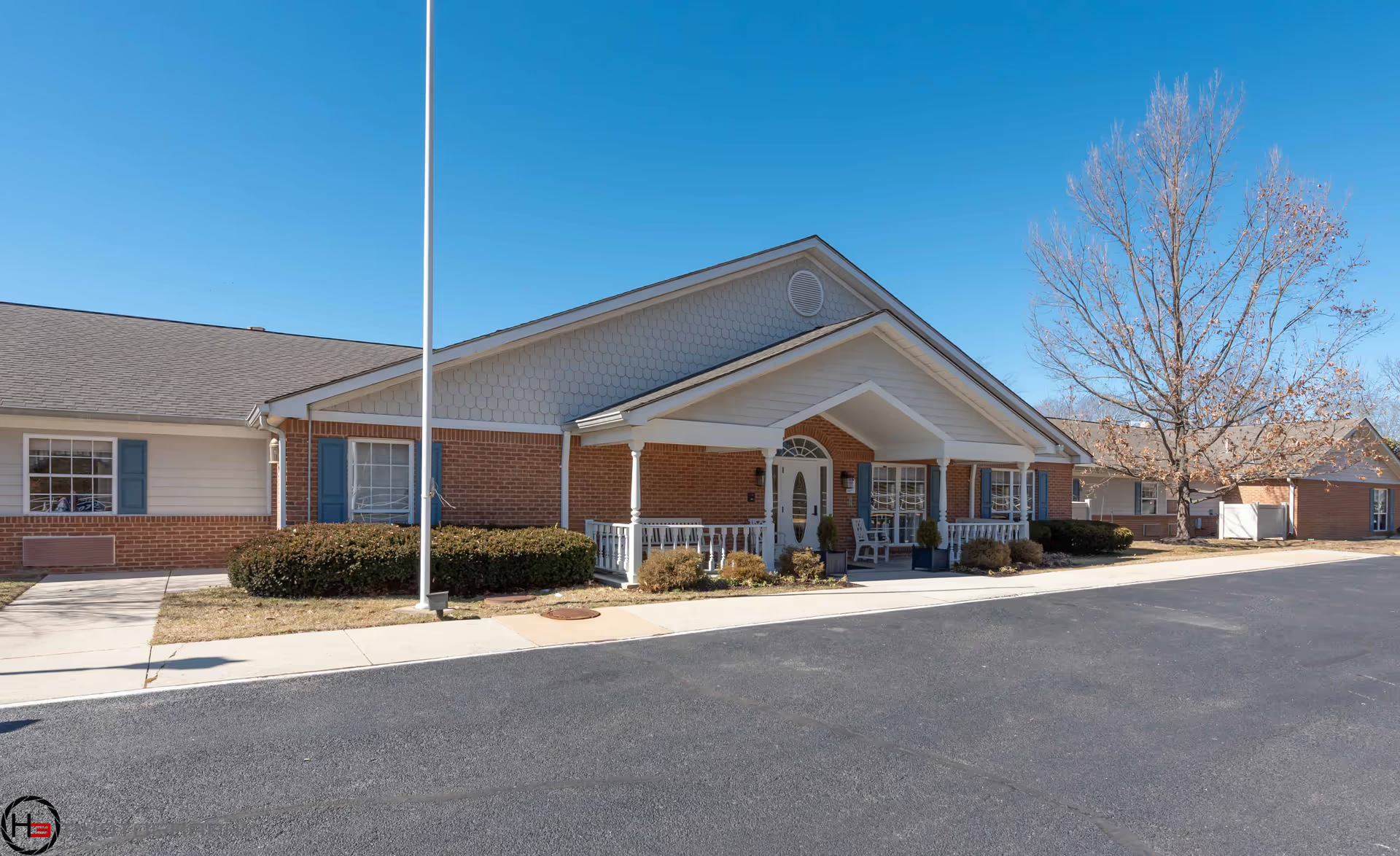
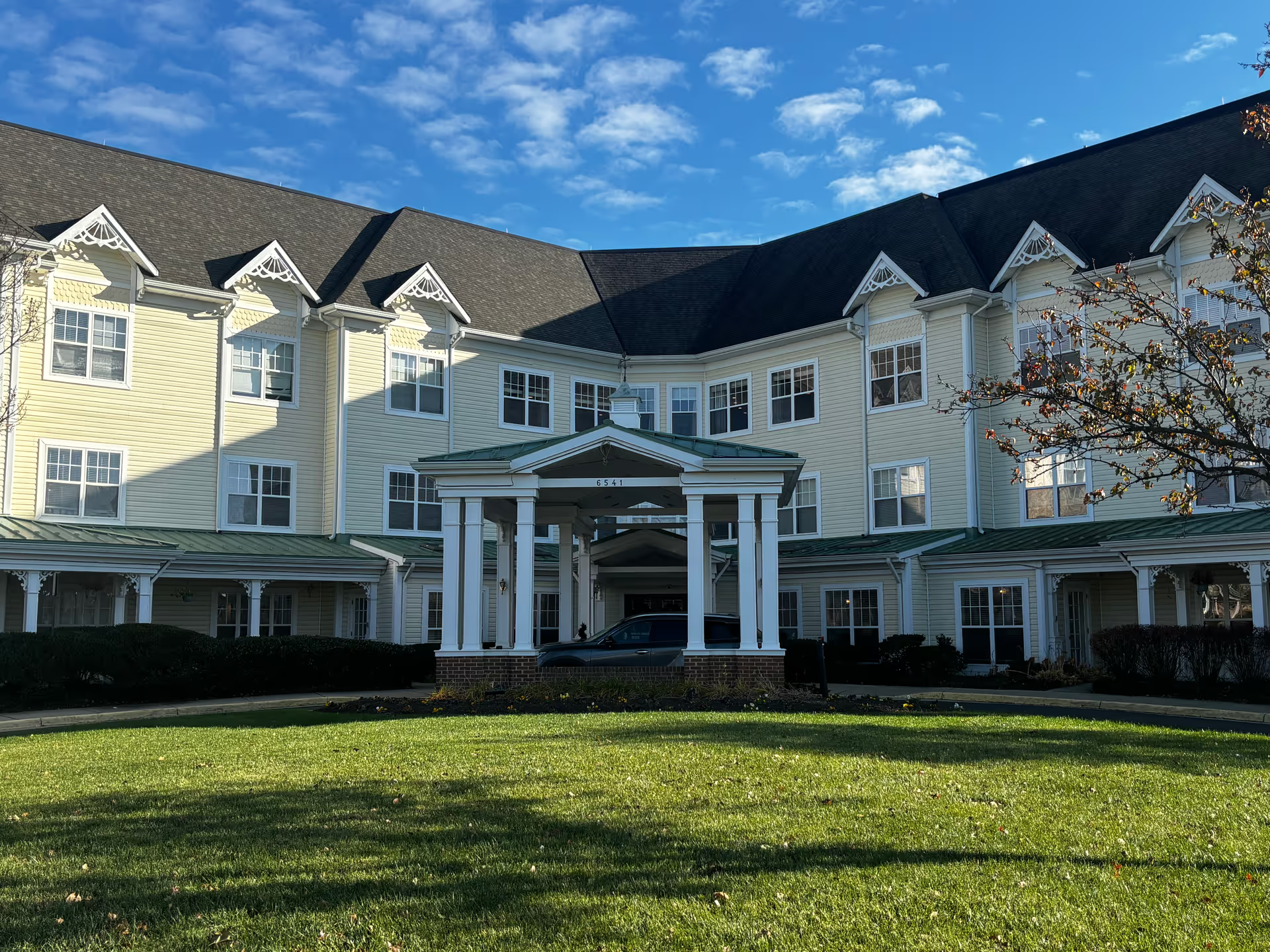
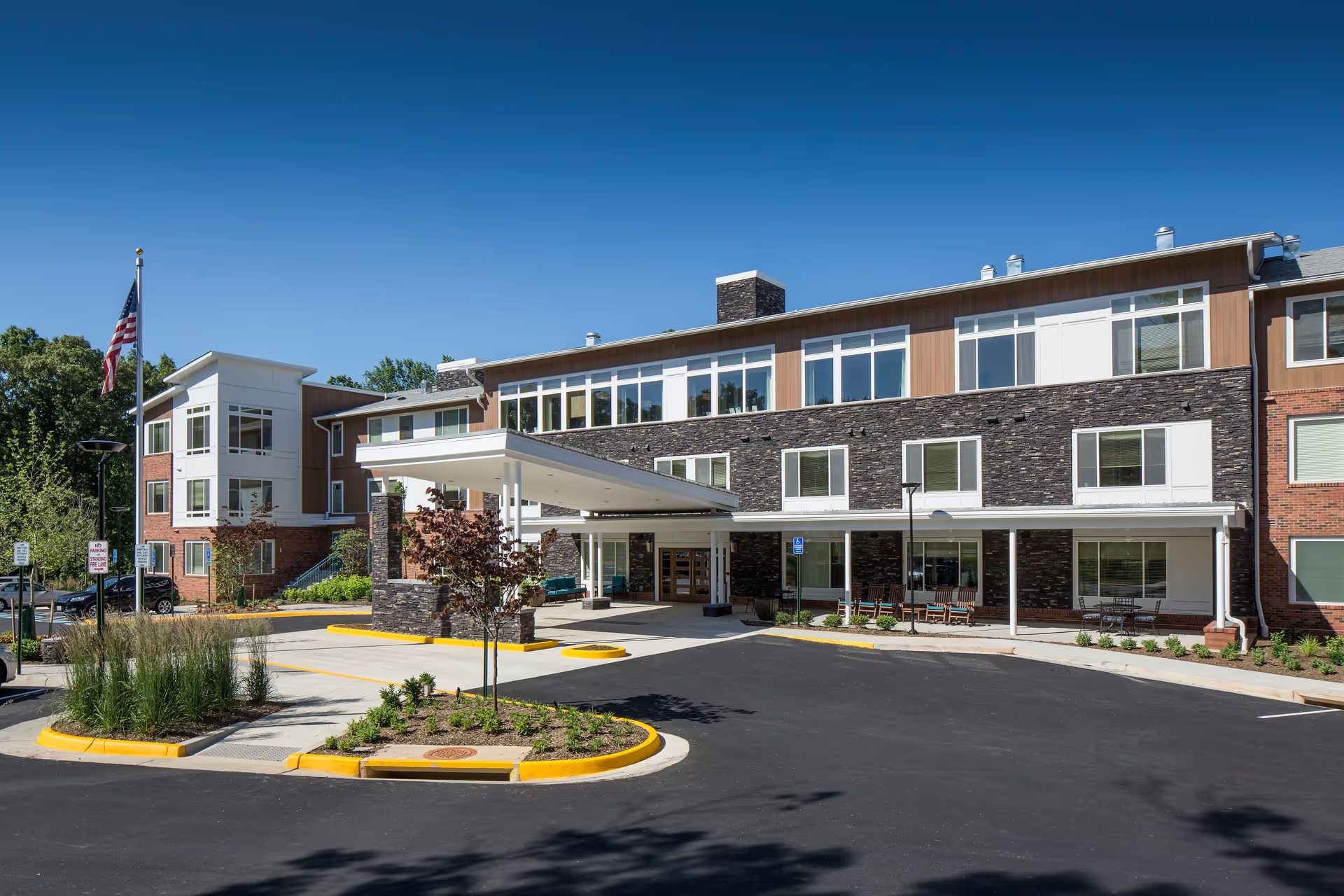
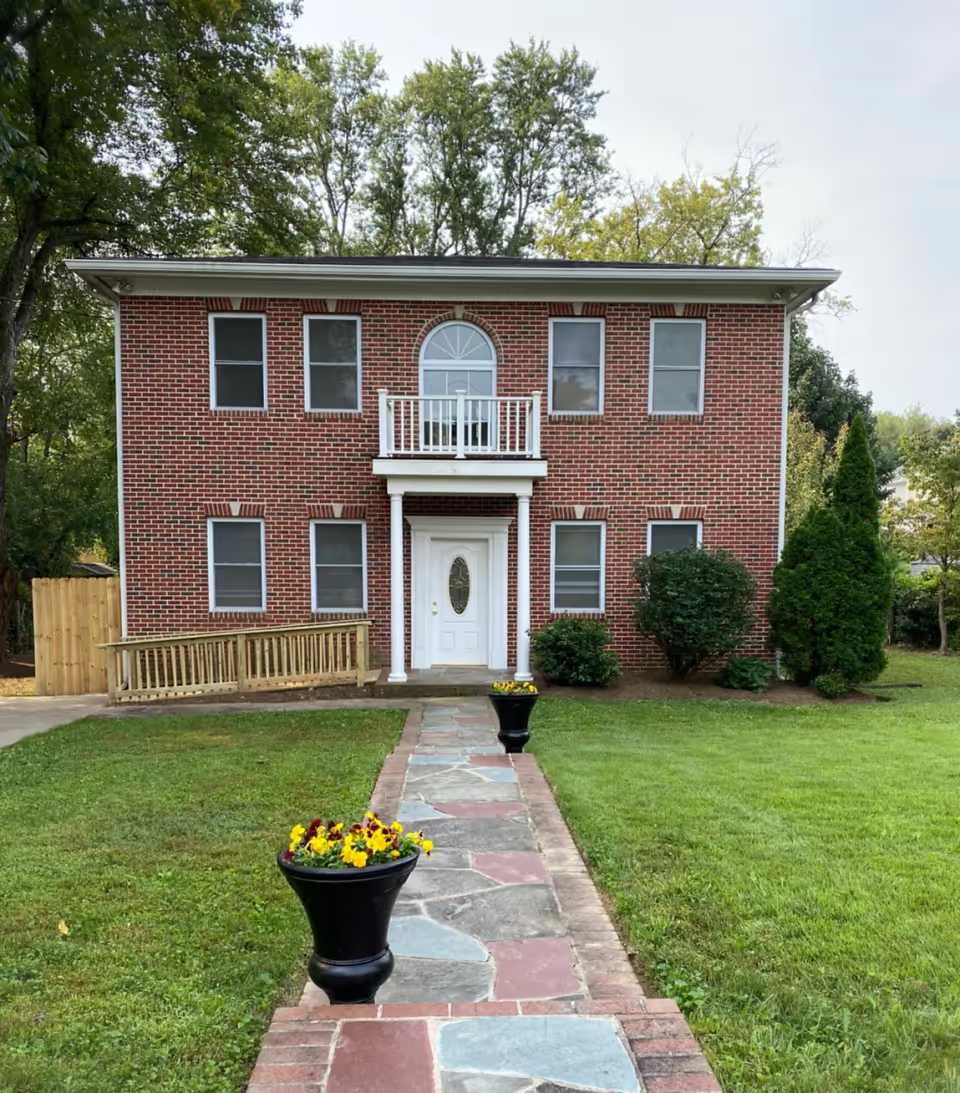
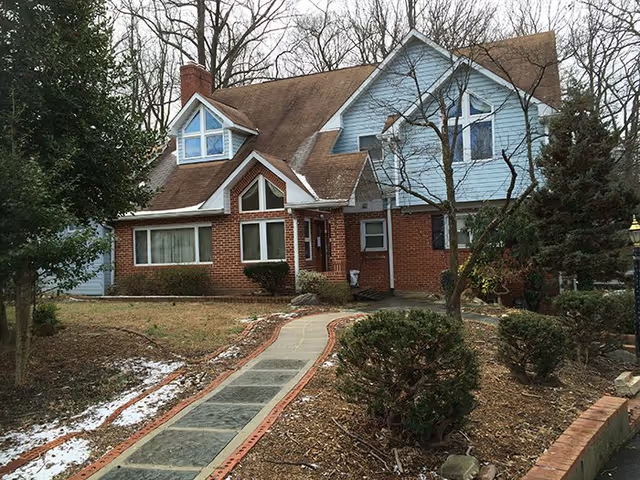
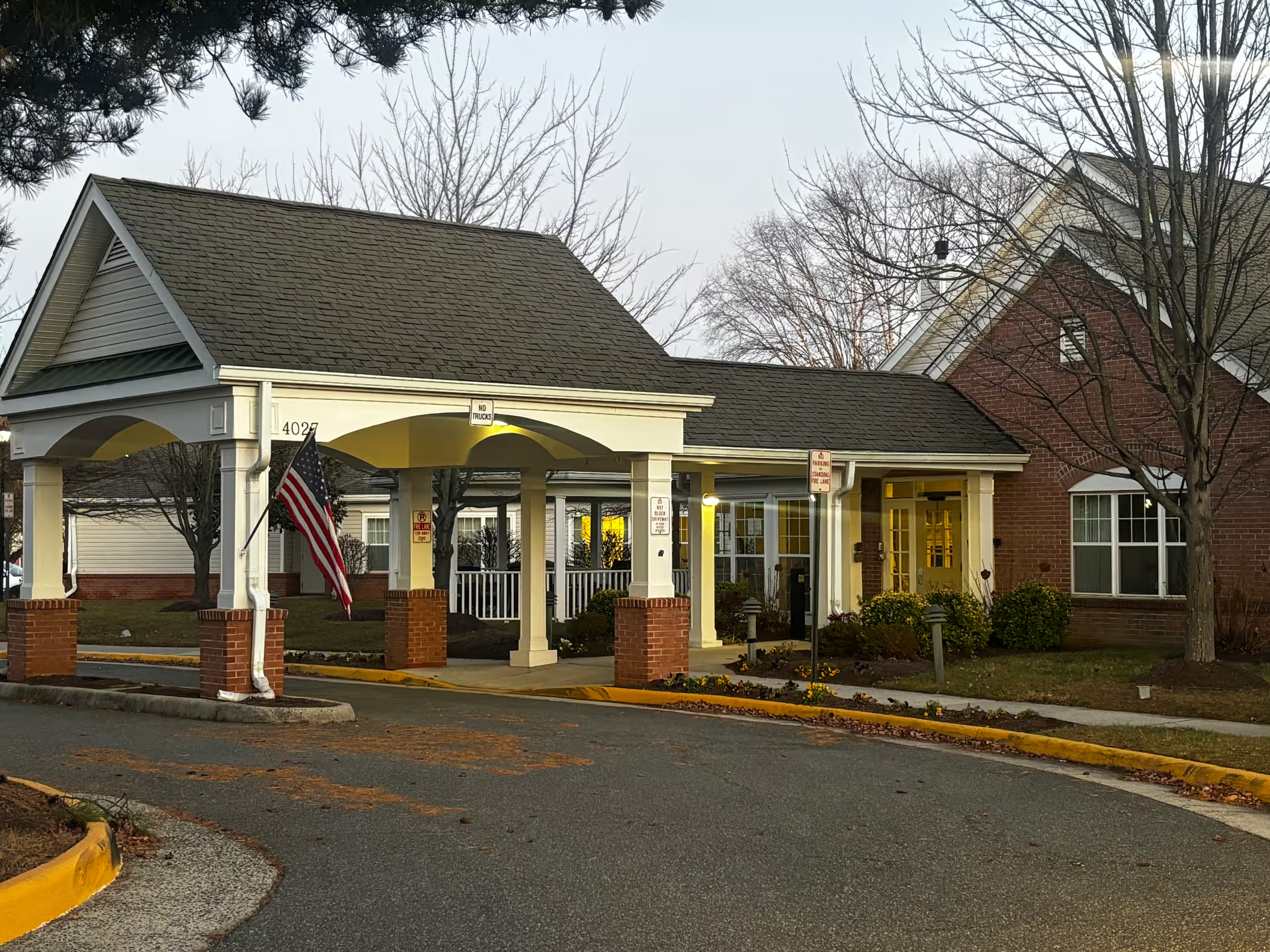
Overall assessment Renaissance of Annandale is consistently described as a well-maintained, memory-care–oriented community with a strong operational focus on safety, calming environments, and family engagement. Reviews emphasize a welcoming atmosphere, visible infection-control measures, and a facility layout intended for dementia care: secure courtyards, Dutch doors for privacy, wide corridors, discreet wandering-deterrent features, and sensory touches (soothing colors, lavender scent, meaningful photographs). Cleanliness and bright, cheery interiors are recurring strengths.
Care and staff Families and visitors repeatedly highlight the caregiving and nursing teams as the primary strength of the community. Comments note a high staff-to-resident ratio, attentive and compassionate bedside care, reliable medication administration, and strong clinical follow-through including rehabilitation and hospice coordination. Named staff members and leaders were frequently commended for accessibility and responsiveness, and families described smooth admissions and effective hospital-to-facility transitions. The community also offers structured support for families, including spouse support groups and professionally monitored counseling.
Dining, amenities, and resident rooms The facility is praised for its cleanliness and attractive common spaces; at the same time, several reviewers identified limitations in dining and communal comfort. Dining quality and menu appeal were described as mediocre by some families, and common-area furniture was characterized as plasticky and not ergonomically comfortable. Resident rooms are generally described as tidy and adequate but modest in size. Prospective residents and families should weigh the facility’s strong clinical and social programming against these comfort and dining considerations.
Activities and family engagement A robust, varied activities program is a clear asset: arts and crafts, music, exercise, movie time, church programs, dancing, themed events, field trips, and outdoor barbecues were all noted. Staff-driven engagement appears to contribute to improved intake, mood, and socialization for many residents. Family communication practices are also strong, with regular updates, photos and videos, and family-invited events that support ongoing involvement and reassurance.
Management and notable patterns Management and leadership are generally presented as proactive and reassuring, with visible involvement in admissions, care planning, and family communication. The facility’s emphasis on memory-care specialization—both in environmental design and staff training—is consistent across the feedback. The most common operational weaknesses to be aware of are dining quality, common-area furniture comfort, smaller room sizes, and occasional inconsistencies in service delivery or personalization (for example, matching residents with very specific social interests). Overall, Renaissance of Annandale represents a strong memory-care option with particular strengths in clinical care, activities programming, and family support; families should evaluate dining preferences, communal seating comfort, and room-size needs during a visit.