Silverado Alexandria presents as a purpose-built memory-care community with consistent emphasis on dementia-specific programming, resident dignity, and family inclusion. Families and care partners describe a caregiving team trained in dementia care that emphasizes person-centered plans, name recognition, and individualized attention. Clinical coordination is noted as a strength — in-house therapy services, proactive medication management, and smooth coordination with outside providers (including hospice and dental/physical-therapy providers) are cited as features that support residents' functional gains and clinical stability.
The staff culture is repeatedly described as compassionate, respectful, and engaged. Reviewers emphasize continuity of caregiving relationships, personalized activities, and a team approach that includes nursing, CNAs, activities staff, maintenance, and reception. Leadership and administrators are portrayed as accessible and communicative; families report coaching during the transition to memory care and ongoing scheduled contact. The community’s dementia-focused philosophy and evidence-based programming are associated with measurable resident improvements such as increased social engagement, mobility gains from therapy and group exercise, and reductions in wandering behaviors.
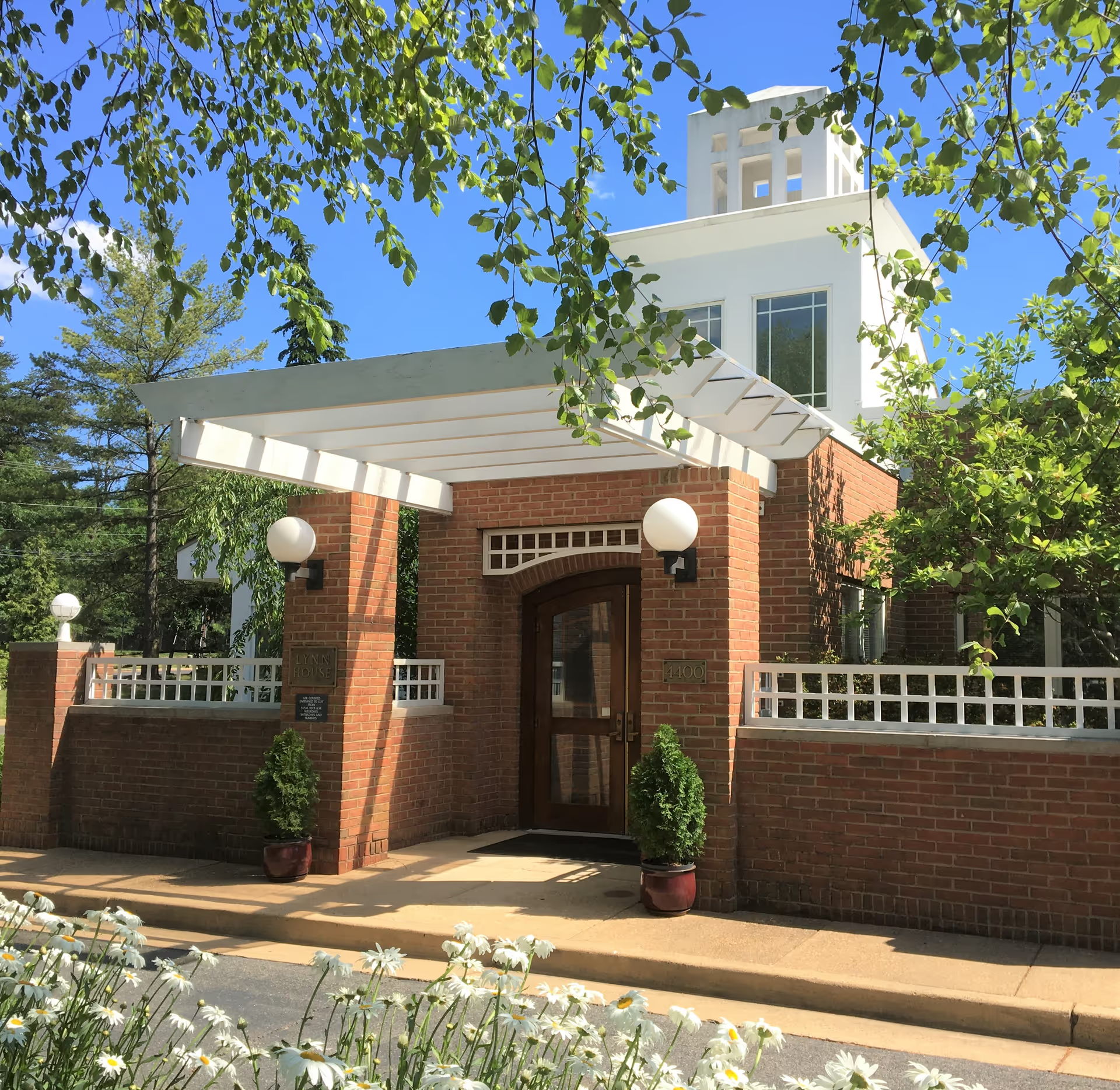
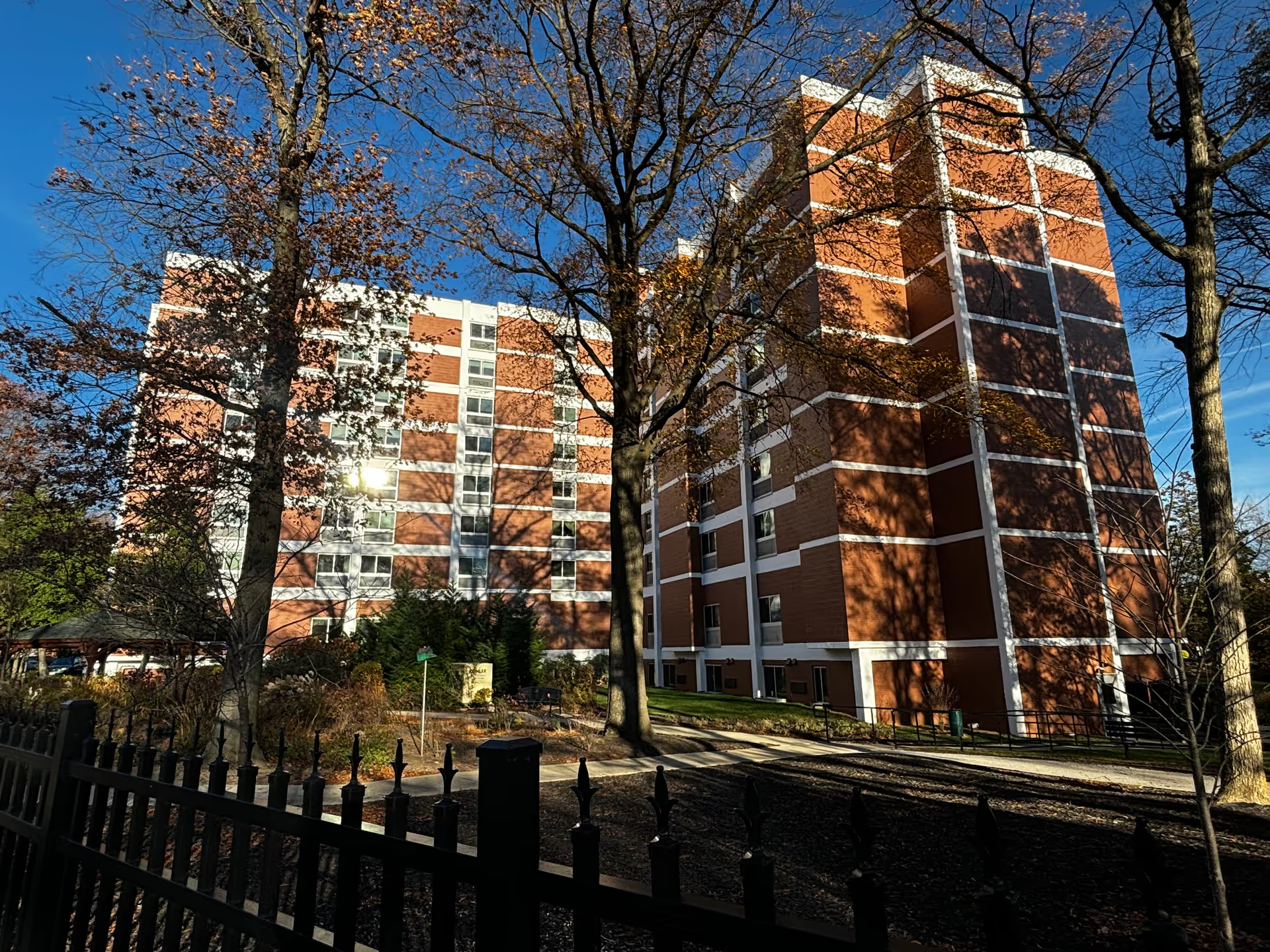
Dining and activities are prominent positive elements. The facility offers balanced meals, accommodations for dietary restrictions, private family dining, and frequent live music, art, exercise, outings, and clubs. Several families highlighted the social and therapeutic value of outings, themed events, and frequent live performances. The environment is described as clean, bright, and hotel-like, with well-maintained rooms, attractive common areas, private dining, and pet-friendly amenities that contribute to a home-like atmosphere.
Notable operational patterns: as a relatively new community, Silverado Alexandria has experienced start-up growing pains. Reviewers referenced occasional operational inconsistencies and minor coordination hiccups during the early phase of operation. Some families described an adjustment period around move-in as residents acclimated to the new setting. A few comments suggested menu variety could be expanded. The community also appears to be in high demand; a waiting list or limited immediate availability was mentioned as a practical access constraint.
Overall, Silverado Alexandria is characterized by strong dementia expertise, a compassionate staff culture, active engagement programming, and a well-appointed facility designed for memory care. Prospective residents and families should weigh the community’s demonstrated strengths in dementia-trained caregiving and clinical coordination against transitional considerations tied to a newer operation, possible limitations in menu variety, and availability constraints. For many families the combination of person-centered care, robust activity programming, and family-inclusive policies yields substantial improvements in resident wellbeing and peace of mind.