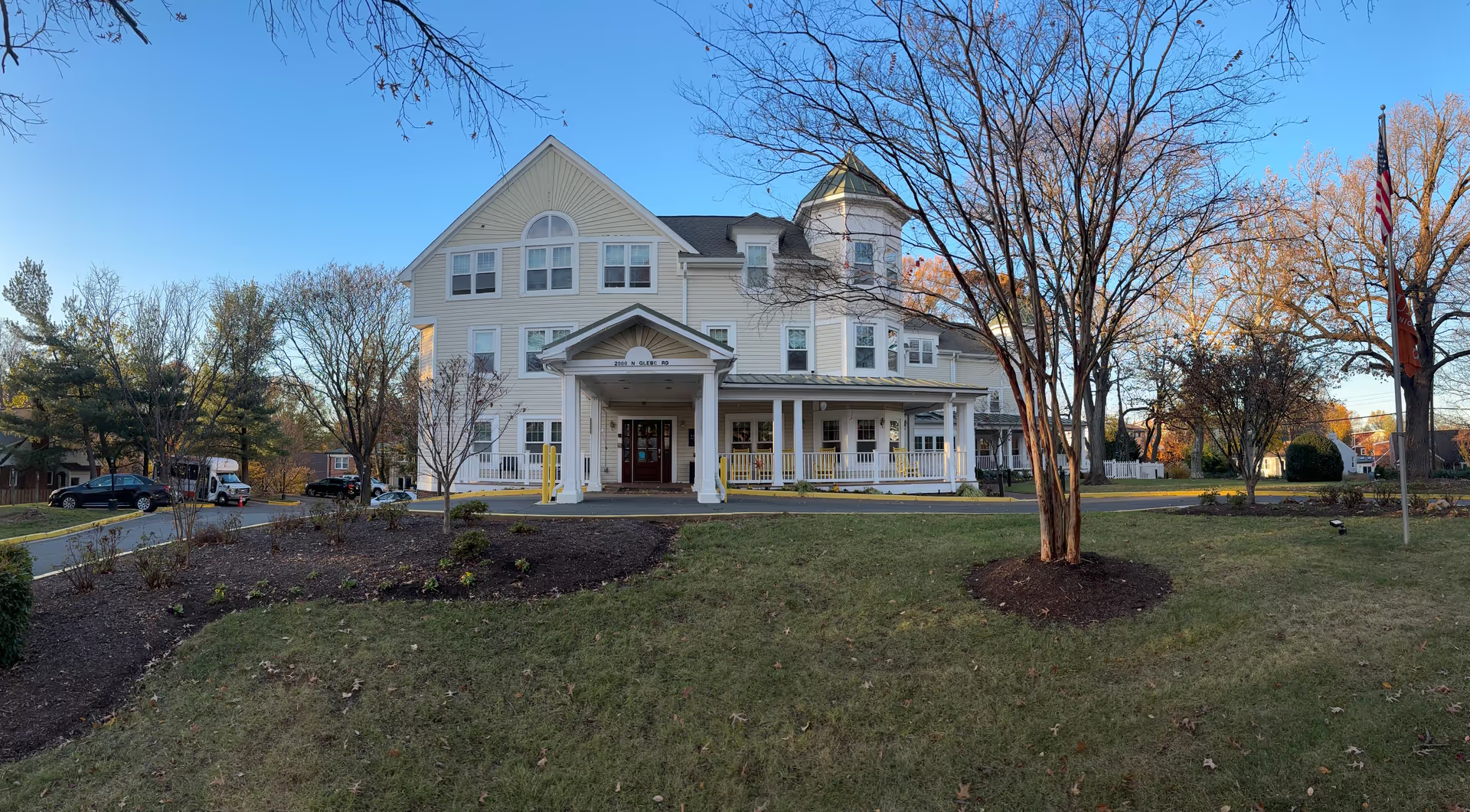
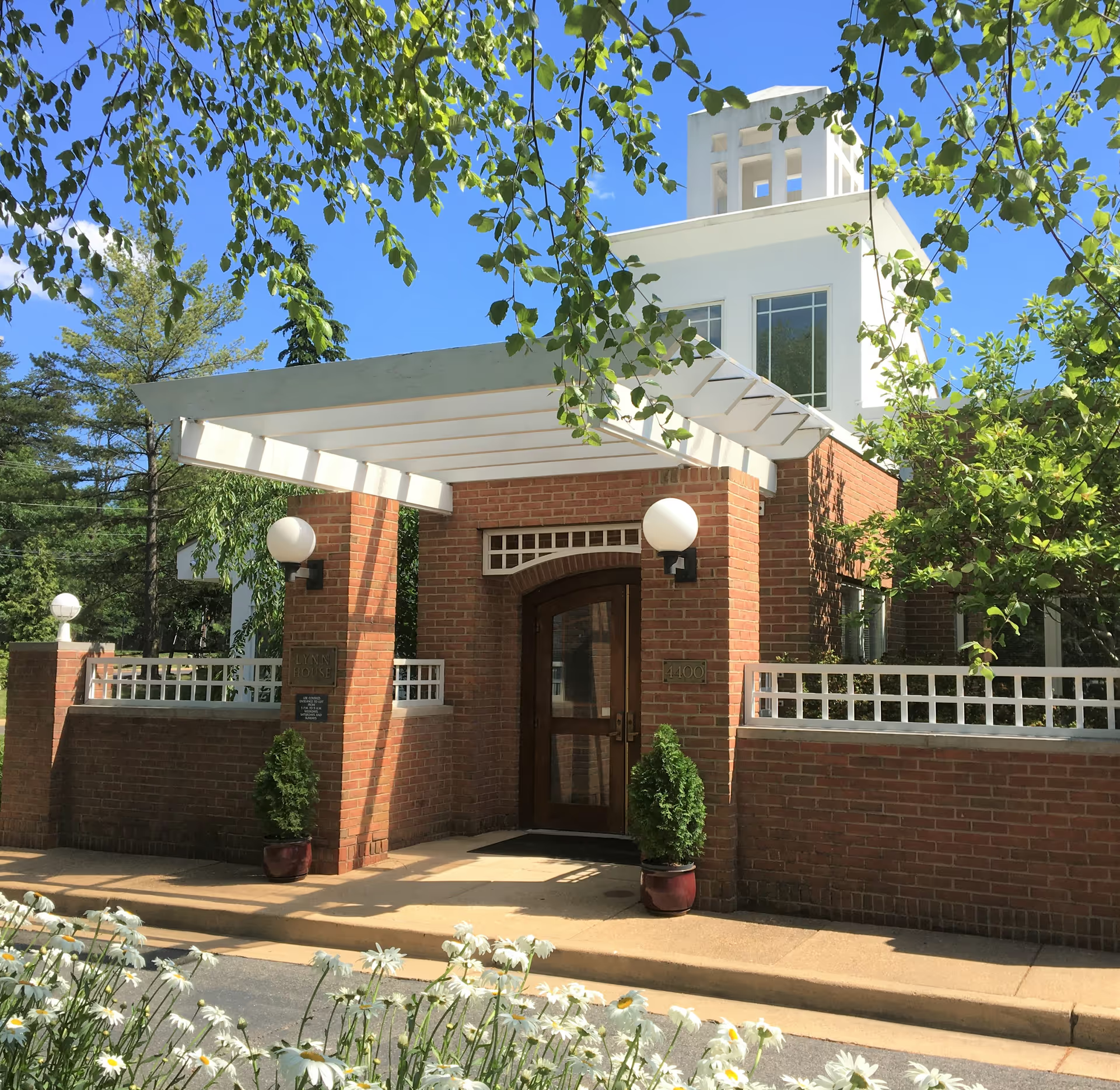
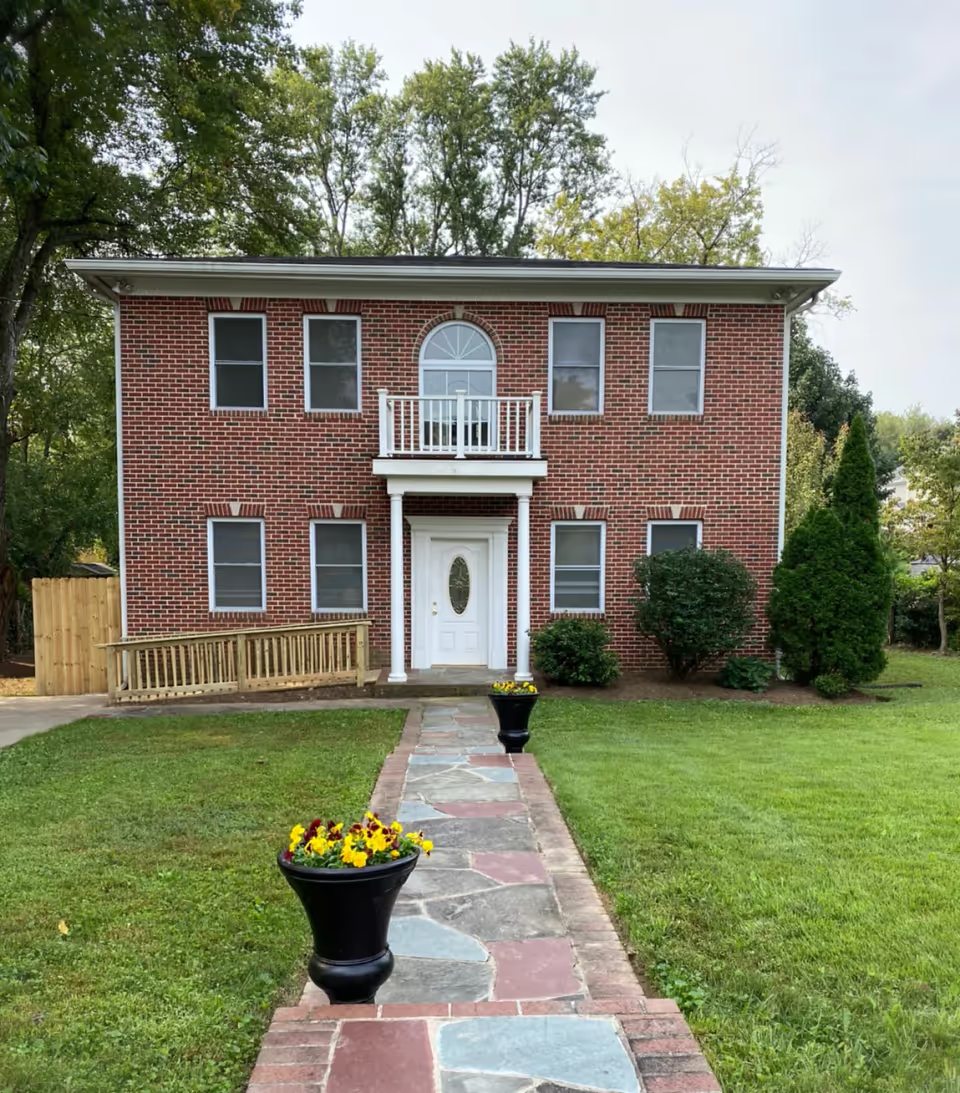
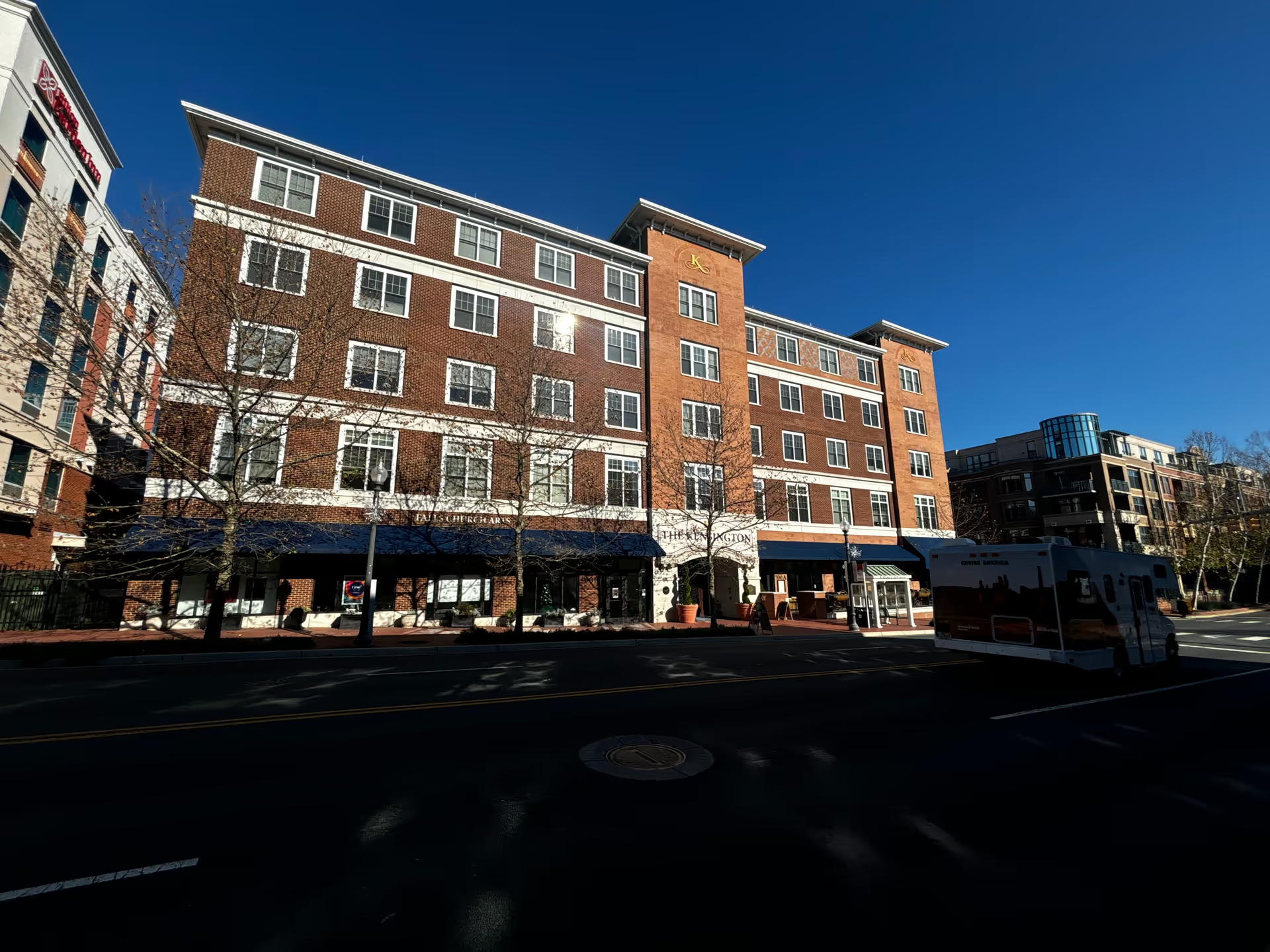
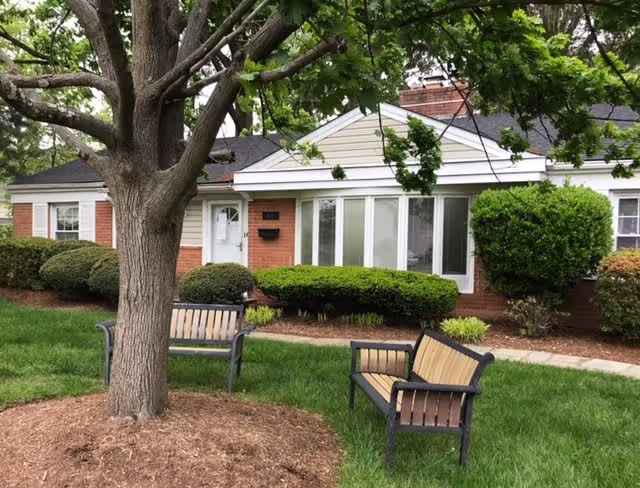
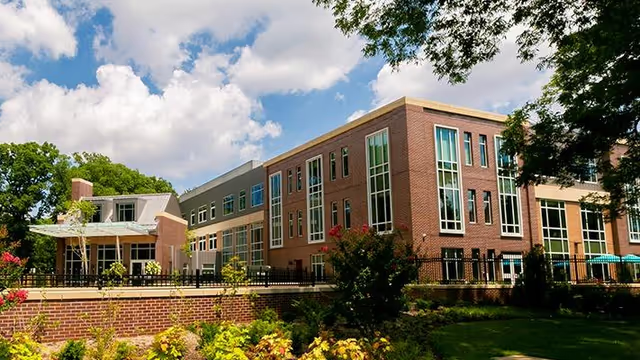
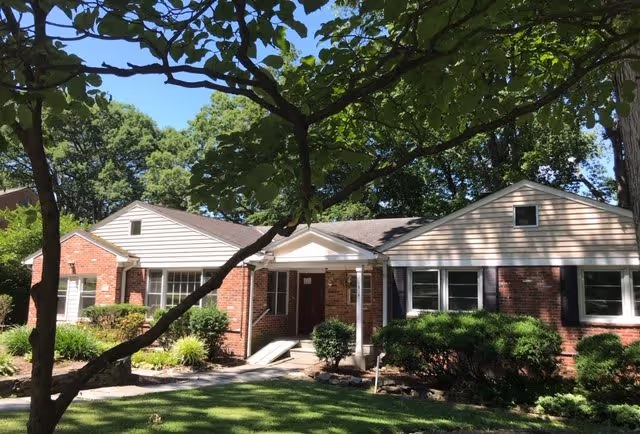
Culpepper Garden III is consistently described as a clean, recently renovated independent-living community with apartment-style units and a broad set of on-site amenities. Apartments are described as accessible and well-appointed, with safety features such as handrails and emergency pull cords, and layouts that include kitchens, living areas, and private bedrooms. Common areas and services (clinic, hair salon, cafeteria, mail room, business center) and practical supports like transportation, parking, laundry service, and a 24-hour concierge contribute to a self-contained campus suitable for residents seeking independent living with available assistance.
Care and staff interactions are among the strongest themes. Reviewers regularly note a compassionate, resident-focused staff complemented by explicit roles such as a Director of Nursing, Service Coordinator, and Activities Director. Families highlight proactive, clear communication from management (including named leadership) that helps keep them informed about care and daily needs. Maintenance responsiveness and attentive day-to-day assistance (bathing, laundry, minor fixes) are also repeatedly mentioned as strengths.
Dining and activities are well developed but show mixed signals. Many residents praise the quality of meals and the overall dining experience, and a full activity calendar (musical events, movies, parties, daily programming and a monthly residents’ meeting) supports social engagement. At the same time, some feedback points to menu monotony and uneven meal variety. Activities programming benefits from an engaged coordinator, though leadership changes and staff turnover have been associated with fluctuations in enthusiasm and consistency for certain programs.
Facility condition and operations present a combination of improvements and transitional challenges. Renovations have produced a modern, quiet environment appreciated by residents, yet construction work has at times produced dust, noise, and temporary service disruption. Reviewers also referenced intermittent issues with common-area climate control and building access/security during the transition period. Privacy concerns arise from routine staff entry into apartments, suggesting that procedures around in-unit visits could be clarified or adjusted to better protect resident privacy.
The pattern that emerges is of a well-resourced, nonprofit independent-living community with strong person-centered staff and a comprehensive amenity set, tempered by operational vulnerabilities tied to management transition and renovation activity. Prospective residents and families should weigh the facility’s strong caregiving culture, cleanliness, and activity offerings against potential variability in staffing continuity, temporary construction impacts, and the need to confirm specific privacy and building-maintenance practices during their decision process.