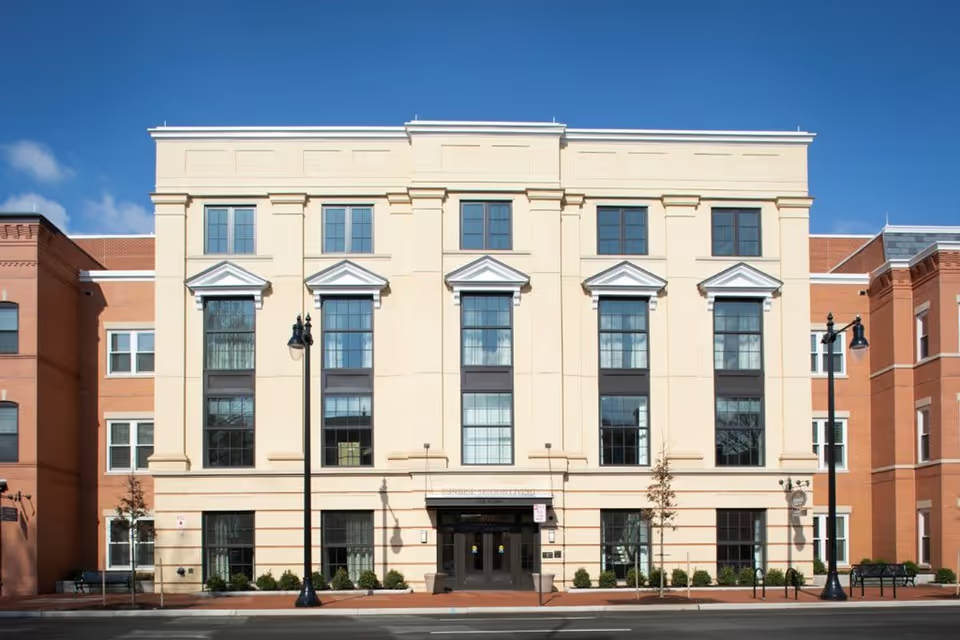
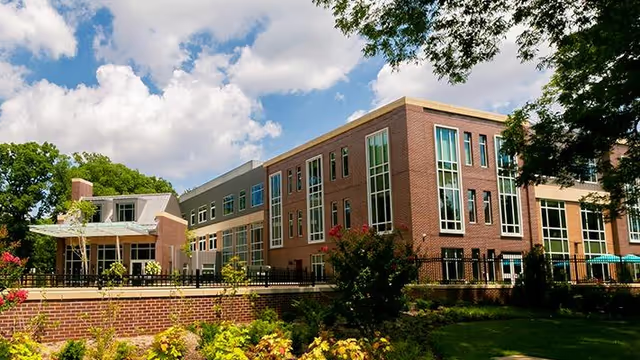
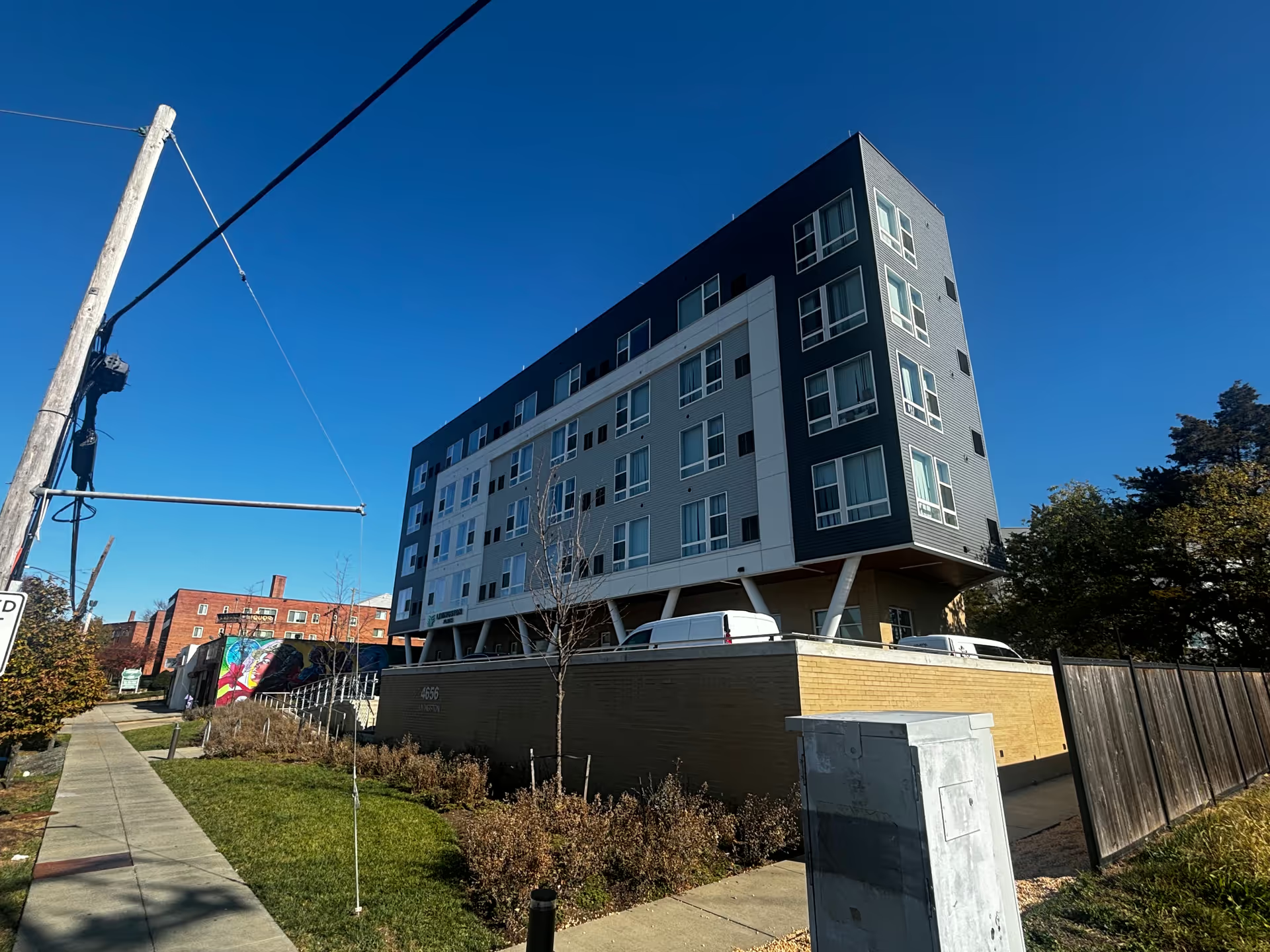
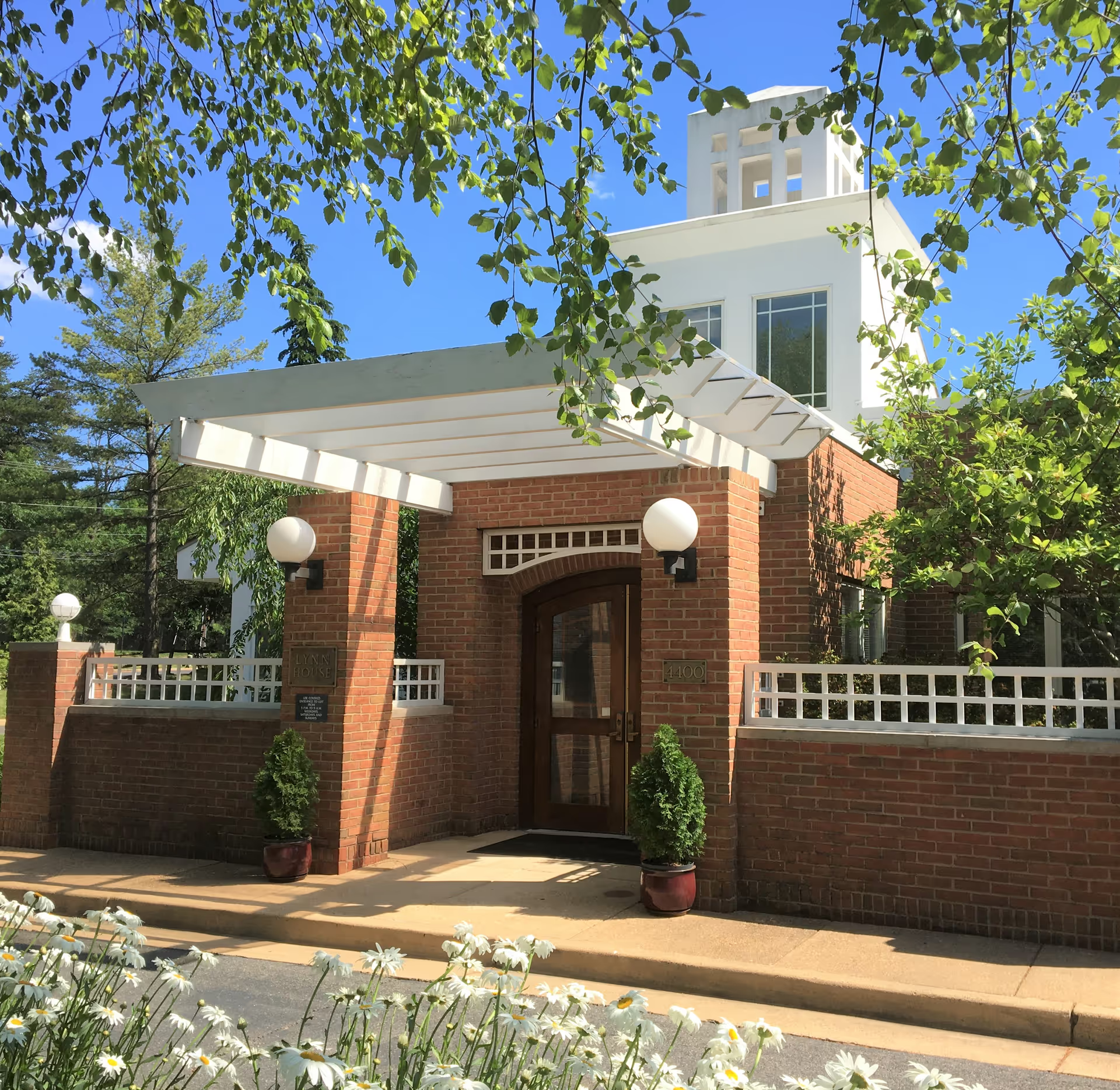
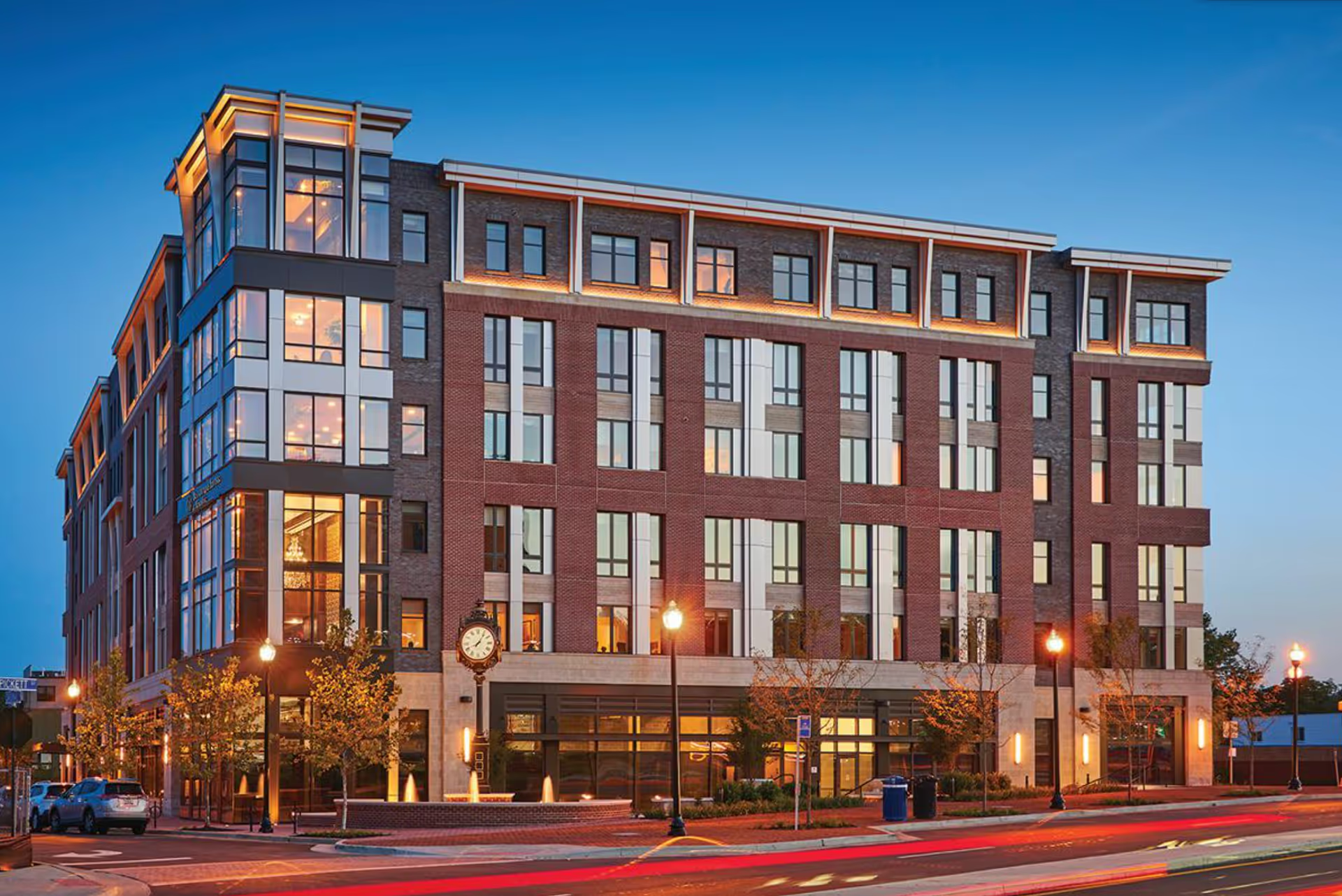
The Landing Alexandria presents as a well-appointed, upscale urban senior-living community with many of the physical attributes prospective residents and families look for: modern finishes, clean common areas, abundant natural light, a top-floor terrace and penthouse views, and convenient urban access (including an on-site CVS and proximity to DC, Arlington, Old Town, and the airport). On the amenities side the community offers an on-site bistro, freshly made pastries, hotel-like dining and lounge spaces, weekly personal services (hair, nails, massages), and a calendar of curated cultural activities such as wine tastings, Sip & Paint events, and a garden club. Reviewers consistently describe a strong resident camaraderie and an active social environment that many find welcoming and engaging.
Care and staffing portray a mixed picture. Numerous comments applaud individual caregivers, nurses, and move-in coordinators for being compassionate, responsive, and helpful; several staff members are named for particularly strong performance. At the same time there is a recurring operational pattern: high staff turnover, frequent use of agency personnel, and gaps in training that contribute to inconsistent caregiver assignments and variability in how care plans are implemented. Several families cited delays in responding to call systems and uneven adherence to clinical plans. These patterns suggest that while front-line teams can and do provide very good care at times, continuity and reliability of clinical services are areas to probe further—especially for residents whose needs may increase.
Dining and service delivery are similarly mixed. The property has strong food-service elements (a bistro, praised pastries, and at least one dining manager credited with improving resident experience), but also recurring reports of bland or inconsistent entrées, meal shortages or delays, and dining-service staffing pressure. Apartment kitchens vary, and some units have limited cooking facilities (microwave-only), which may affect residents who prefer to self-cater. Transportation and logistics also attract concern: weekend or Saturday transport can be limited or unavailable, and activity or meal cancellations have been reported during staffing shortfalls.
The community’s urban, high-rise configuration drives both strengths and limitations. It enables a compact, maintenance-light lifestyle with easy access to city amenities, but constrains land-based offerings: there is no pool or extensive outdoor sports infrastructure, and larger campus-style amenities are limited. Management-level themes include periodic leadership changes, evolving corporate involvement, and what some families describe as inconsistent follow-through on lease or service commitments; there are also references to rising fees. Several reviewers noted tangible efforts to improve operations following initial issues, but the pace and consistency of those improvements vary.
Overall pattern and guidance: The Landing Alexandria is likely to appeal most to independent-living candidates who prioritize a modern urban setting, social programming, and concierge-style services in an attractive building. Prospective residents with low to moderate care needs commonly report satisfaction with staff warmth and community life. Families and individuals with higher or rapidly changing clinical needs should assess operational reliability before committing: ask about weekend transportation, average staff tenure, use of agency caregivers, call-button response metrics, assisted‑living availability and transfer procedures, current dining staffing models, and any recent management changes. Those questions will help clarify whether the community’s strong physical environment and active social life are matched by the care continuity and service reliability you require.