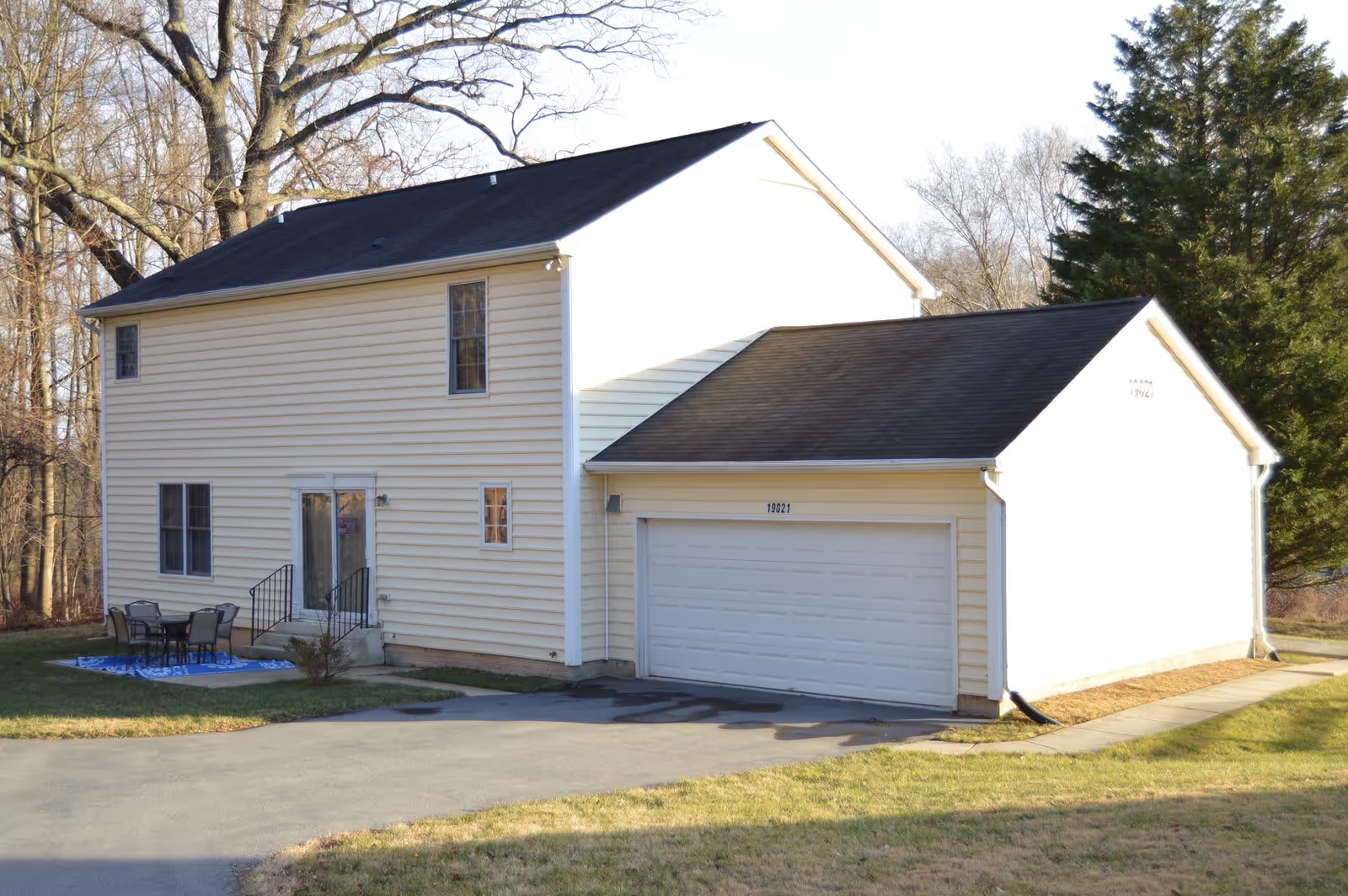
Overall, the facility is described as a small, home-style care setting where staff frequently receive praise for compassionate, family-oriented caregiving and clear communication with families. Several families highlighted strong end-of-life support and an established connection with hospice providers; reviewers specifically noted staff attentiveness during final days and consistent updates to family members. Admissions and management practices were viewed as accommodating by some (for example, prorated refunds and helpful tour guidance), and the owner/lead caregivers were characterized as caring and trustworthy.
Care quality is generally perceived as attentive and respectful. Reviewers cited capable dementia care and situations where residents’ wellbeing improved after placement. The small-residence model contributes to a homey atmosphere and close staff–resident relationships that many families appreciated. Communication from staff to family members was repeatedly noted as a strength, and several accounts emphasized the facility’s ability to provide peaceful end-of-life experiences when needed.
Dining and clinical nutrition appear adequate for many residents, with reviewers calling meals “pretty good” and noting that diabetic accommodations have improved. That said, there is variability in therapeutic-diet customization; families of residents with complex dietary needs should confirm menu planning and individual care plans. Staffing patterns are a recurrent operational concern: caregiver turnover and instances where a single caregiver is responsible for both cooking and direct care were mentioned, suggesting potential limits to staffing redundancy and task separation during busy periods.
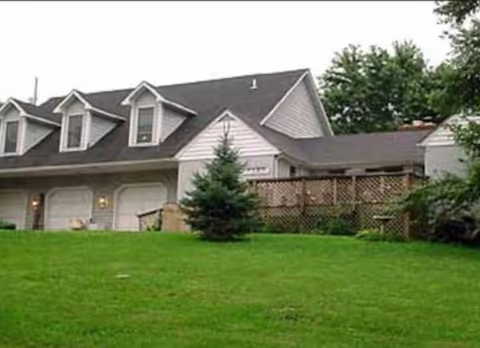
Activity programming is another area of weakness. Multiple comments indicate limited structured activities and insufficient cognitive stimulation, which may make the setting less suitable for residents who require robust engagement programs. Physical-facility observations were mixed: while many described the interior as clean and comfortable, others noted cleanliness and odor-control issues on arrival and that some spaces are small or dim. The property’s location on a main road was also mentioned as a consideration for noise and access.
In summary, this facility presents a strong model for families seeking a small, personal, and hospice-capable environment with a high degree of individualized attention. Prospective residents who prioritize close staff relationships, end-of-life support, and a homelike atmosphere may find a good fit. Families should, however, evaluate staffing continuity, activity schedules, therapeutic-diet capabilities, and current cleanliness/odor-control practices during a tour. Asking about typical staffing ratios, how meals and special diets are managed, and seeing activity programming in practice will help determine whether the facility is appropriate for residents with higher-acuity needs or those who require more active engagement.