The reviews for Caraway Assisted Living are strongly polarized, with a clear split between families who describe consistently high-touch, family-style care and others who describe operational weaknesses that affect clinical reliability and daily living. Many families praised the warmth and attentiveness of direct-care staff, a small-community atmosphere, roomy private accommodations, and accessible common spaces. At the same time, a number of substantive clinical and operational concerns recur across reviews and merit careful consideration by prospective residents and their families.
Care quality and staff: Positive accounts emphasize compassionate, patient caregivers, strong rapport with residents, and managers who are hands-on and communicative. Several families specifically named individual staff and a manager as core strengths and noted effective coordination with hospice and therapy services. Conversely, other reviews indicate systemic staff-pressure issues: employees described as having to perform multiple roles (for example, cooking and cleaning in addition to caregiving), which reviewers link to rushed interactions, delays in personal-care tasks, and lapses in medication administration. The pattern suggests that interpersonal care can be very good when staffing and workflows allow, but that staffing allocation and clinical-protocol adherence are inconsistent.
Dining and nutrition: Dining experiences were highly mixed. Positive impressions describe family-style meals, varied menus, pleasant aromas, and well-prepared dishes. However, a number of reviewers identified inconsistent food quality, deviations from the posted dietitian menu, limited fresh produce, and interruptions in meal preparation. These patterns imply variability in kitchen oversight and a need to confirm meal-planning and food-safety protocols during a tour or intake meeting.
Activities and social engagement: Some families noted adequate activities, family nights, and a comfortable common area for social interaction. Others described a lack of meaningful programming and limited staff time available to lead activities. The contrast suggests that activity quality may depend on staff availability and management emphasis on engagement programming.
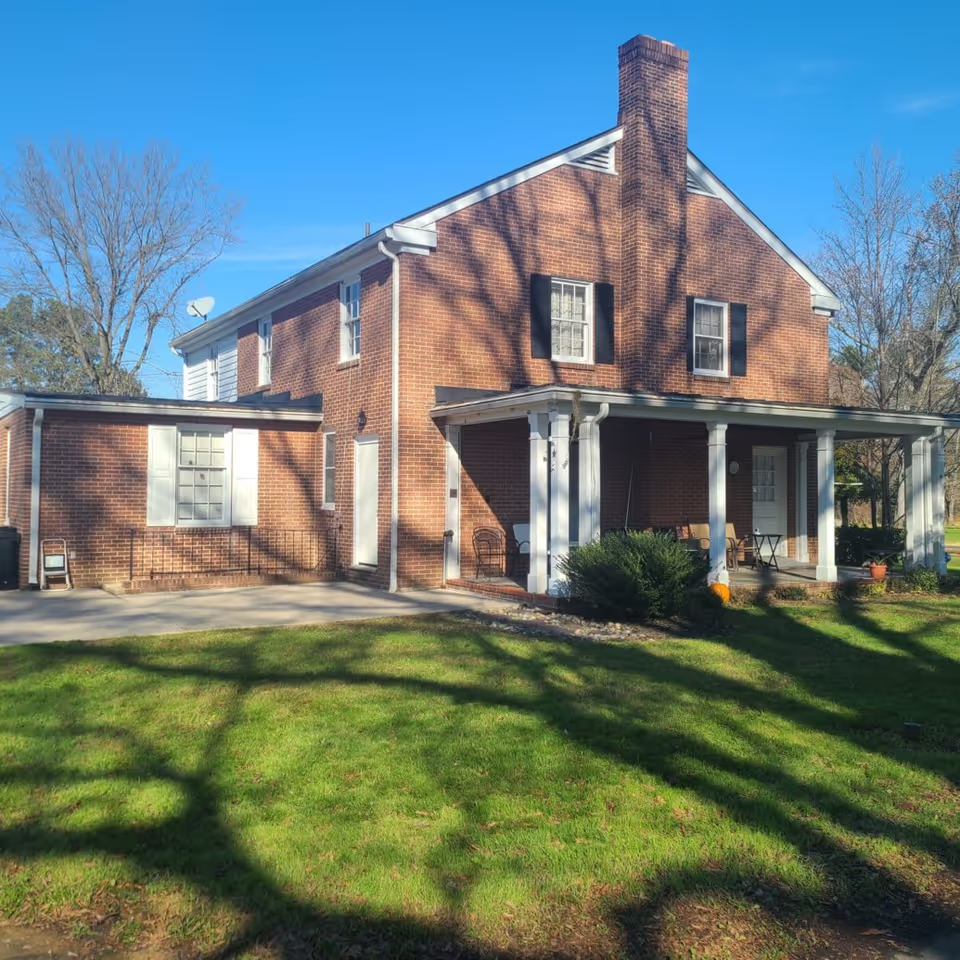
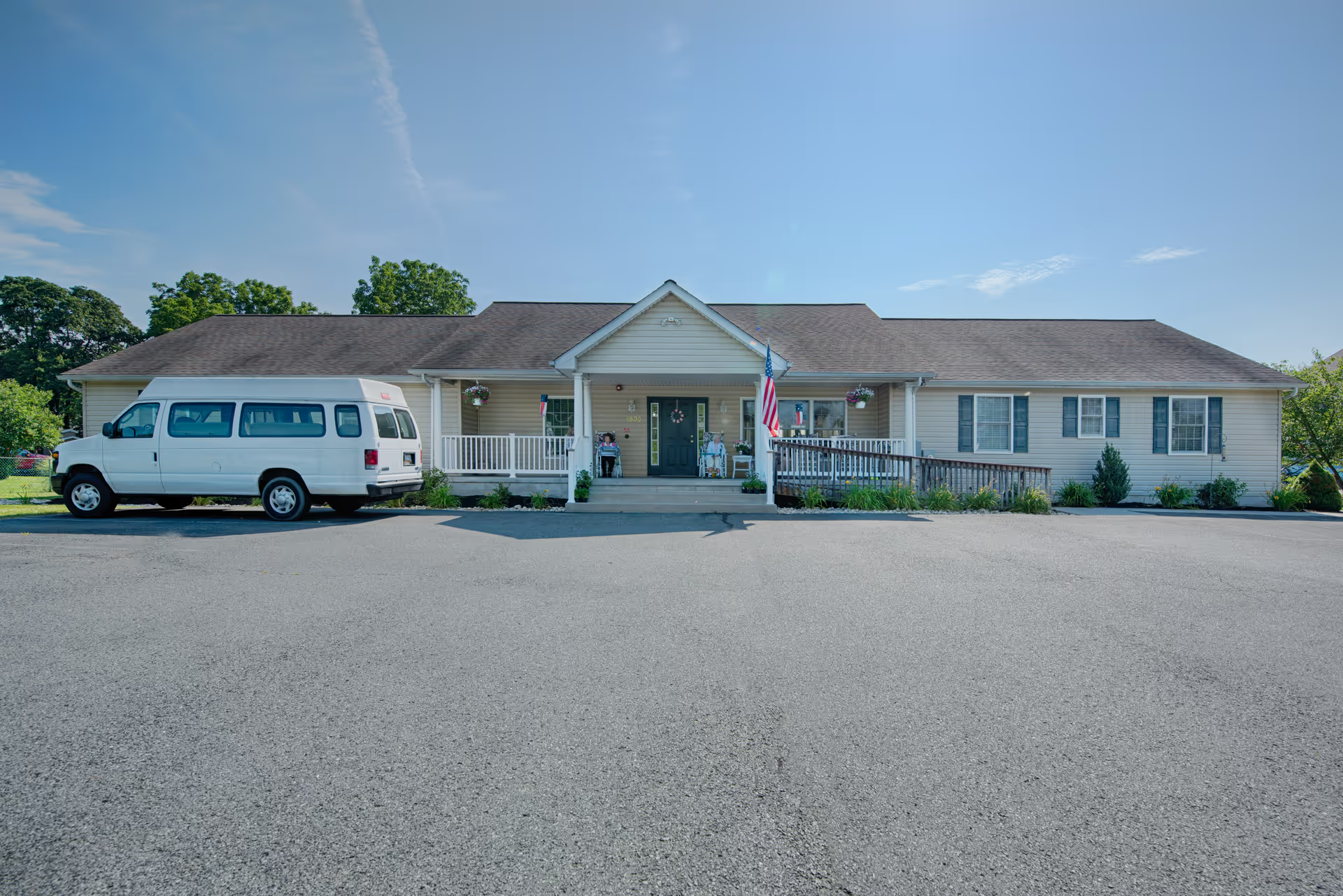
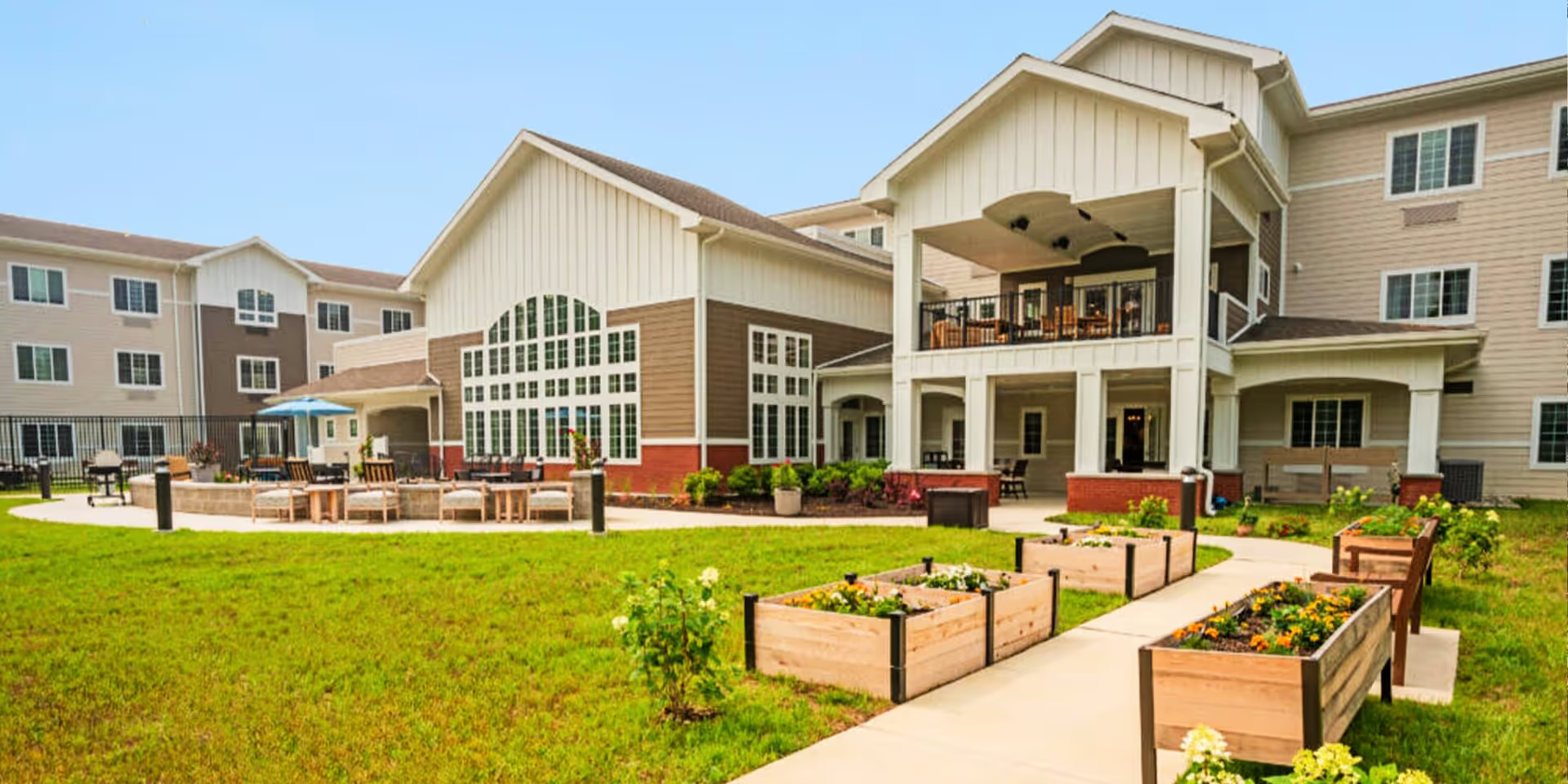
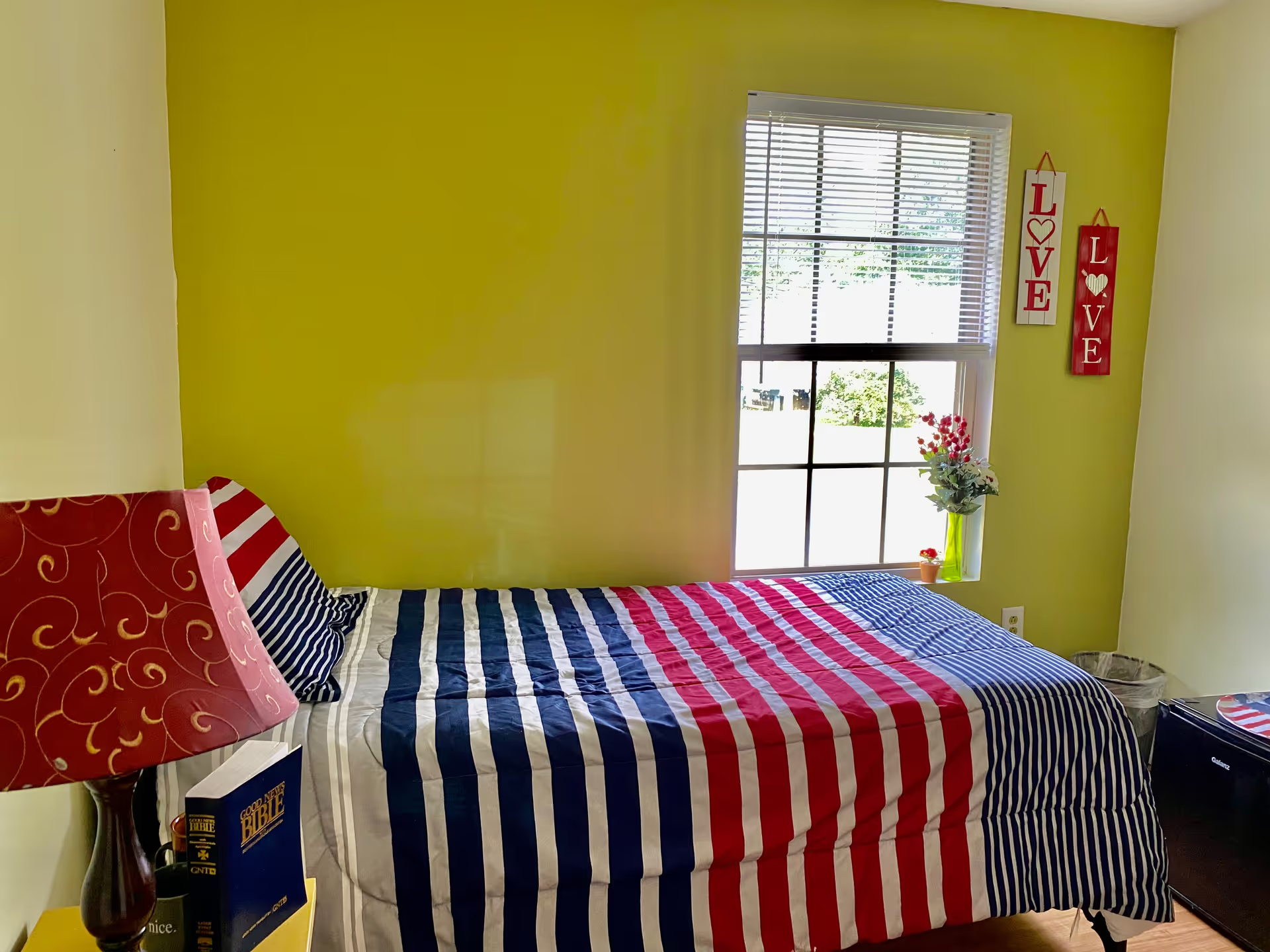
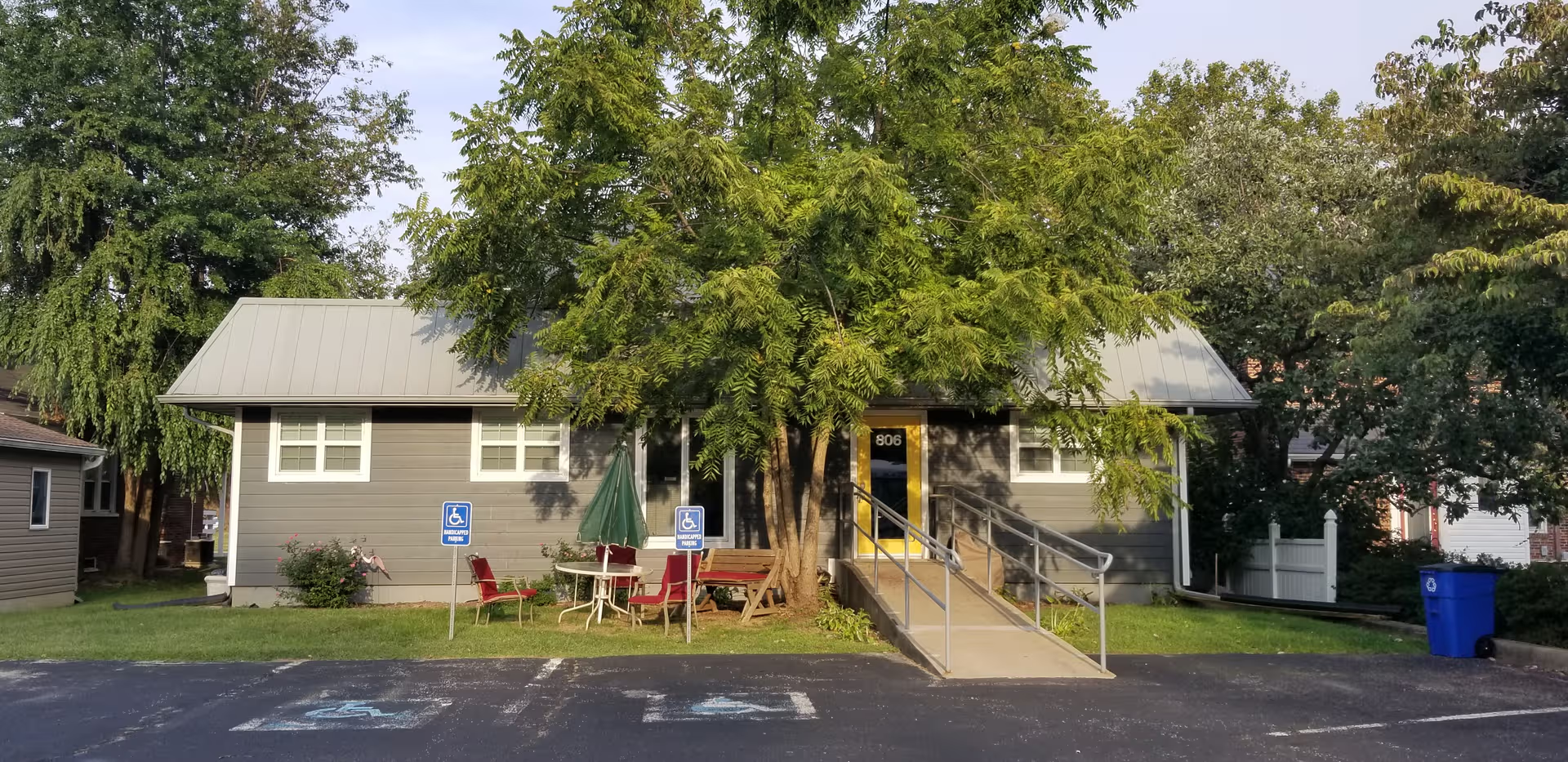
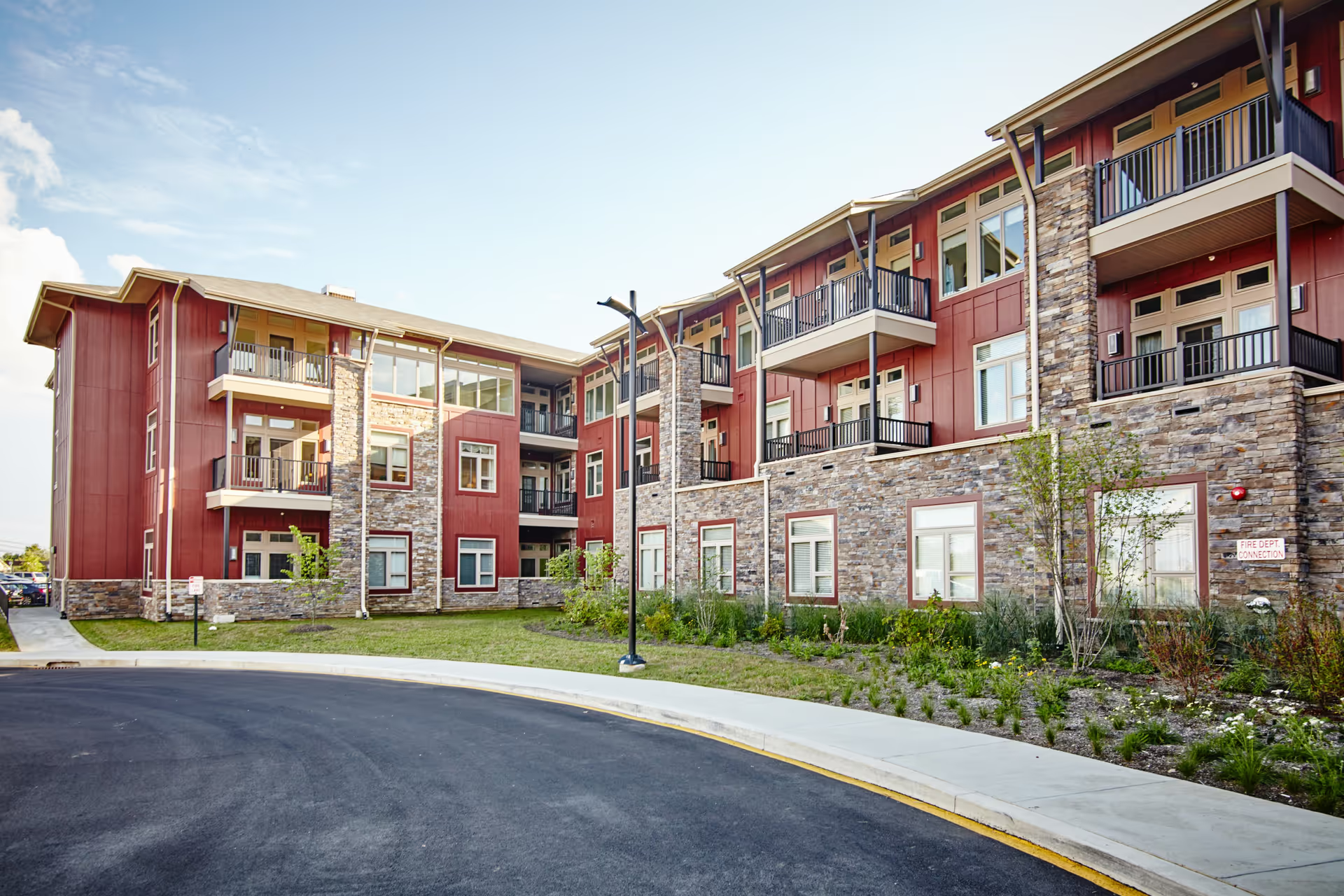
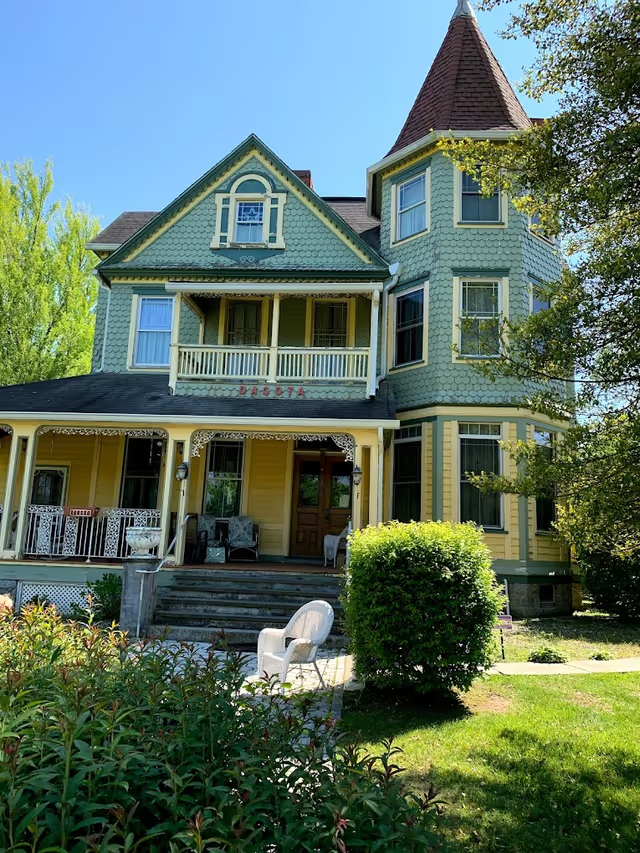
Facilities and cleanliness: Many reviewers complimented large rooms, private bathrooms, natural light, and a home-like feel. At the same time, there are consistent mentions of cleanliness and odor-control issues in certain areas, occasional pest-control concerns in communal spaces, and variability in room housekeeping. Prospective families should verify housekeeping schedules, pest-control procedures, and walk the facility to assess current conditions.
Management and operations: A recurring theme is management turnover and perceived decline in operational oversight following ownership changes. Several reviewers linked that turnover to declines in dining quality, staffing stability, and clinical processes. There are also mentions of unclear billing practices and at least one suggestion of financial transparency issues. Emergency preparedness and evidence of routine safety drills were sometimes described as inconsistent, and reviewers raised concerns about transfer techniques and fall prevention that point to gaps in staff training or policy enforcement.
Notable patterns and guidance for families: The overall picture is one of a small, potentially warm facility that can deliver very good, person-centered care when staffing and management oversight are aligned — but with nontrivial risks related to medication management, meal consistency, personal-care timeliness, and environmental maintenance when those systems are strained. Prospective families should consider an on-site visit that includes: asking for current staffing ratios and a staffing plan for peak times; reviewing medication-administration policies and recent audit practices; observing meal service and requesting the dietitian menu; inquiring about activity schedules and staff roles in programming; checking housekeeping and pest-control contracts; and discussing billing practices and emergency-preparedness procedures. Doing so will help determine whether the facility’s strong interpersonal culture is matched by reliable operational controls for a given resident’s needs.