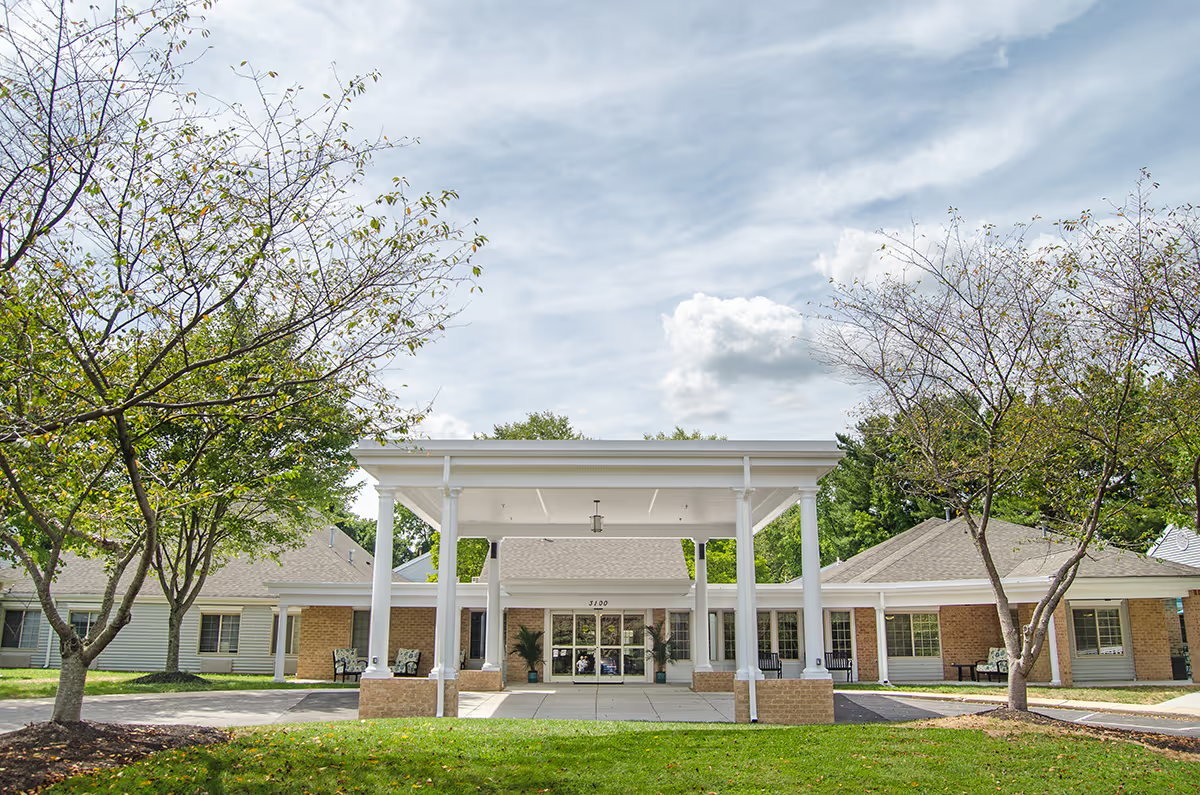
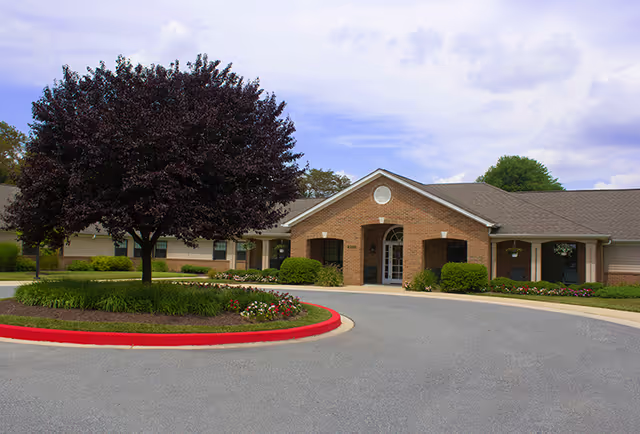
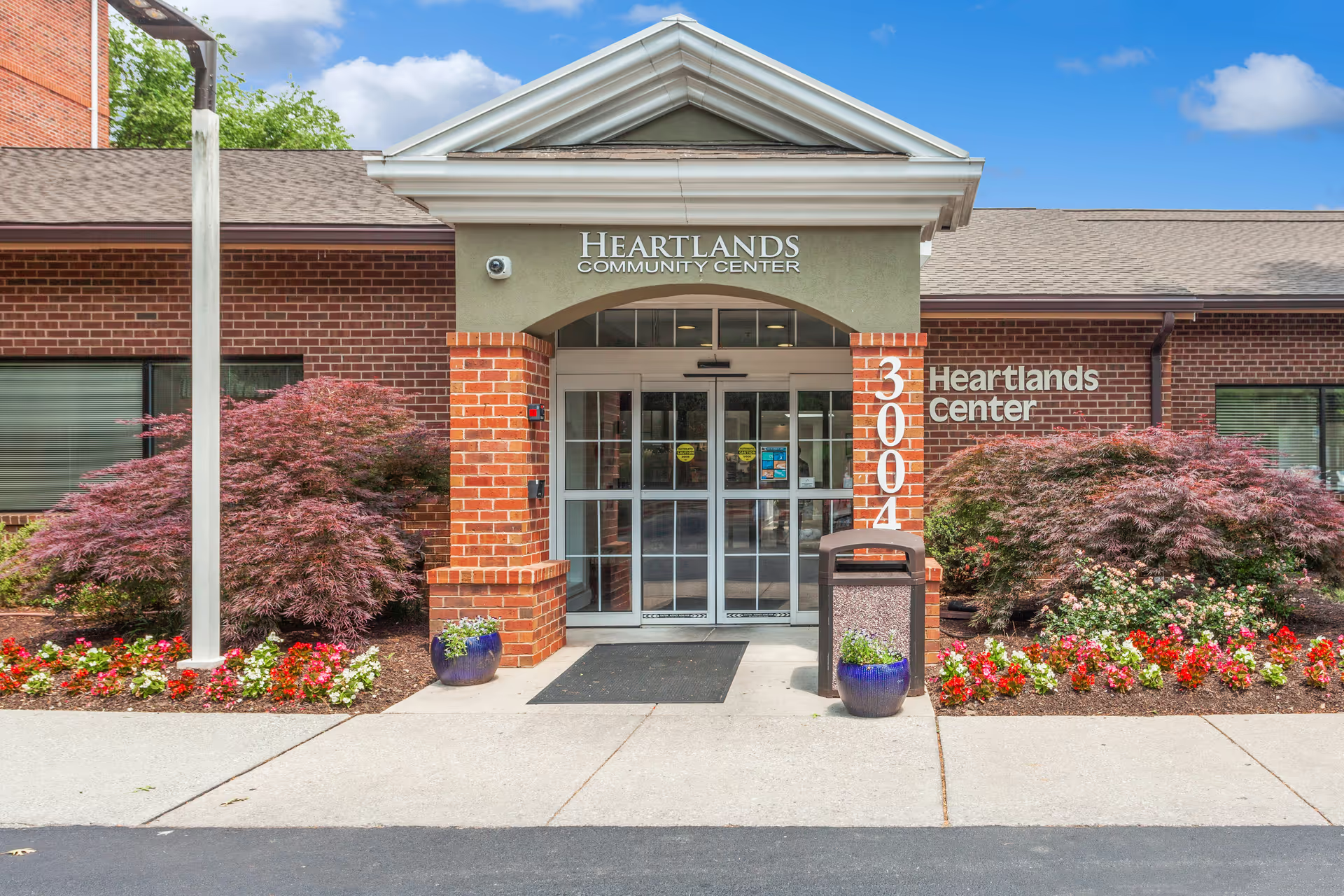
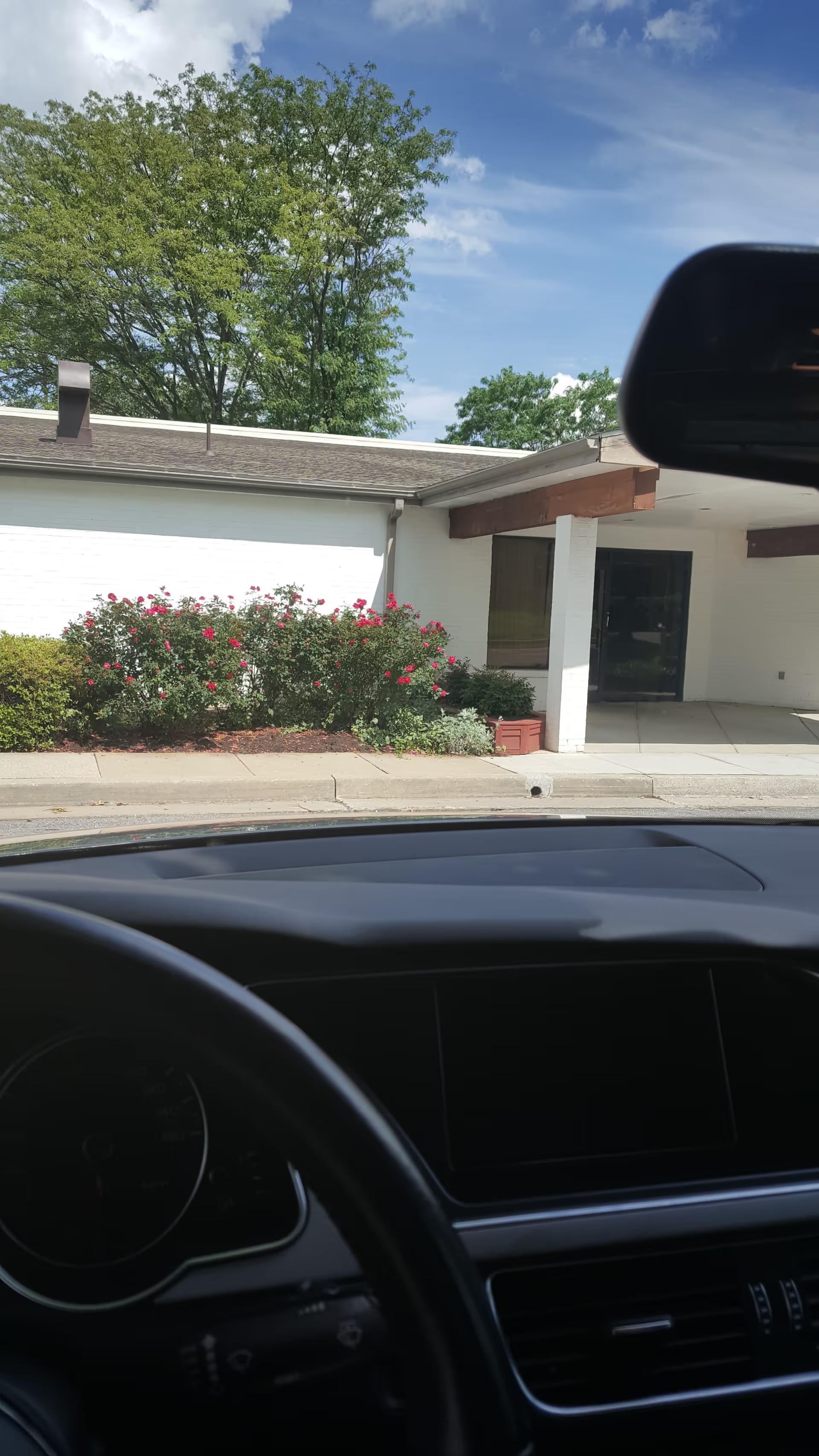
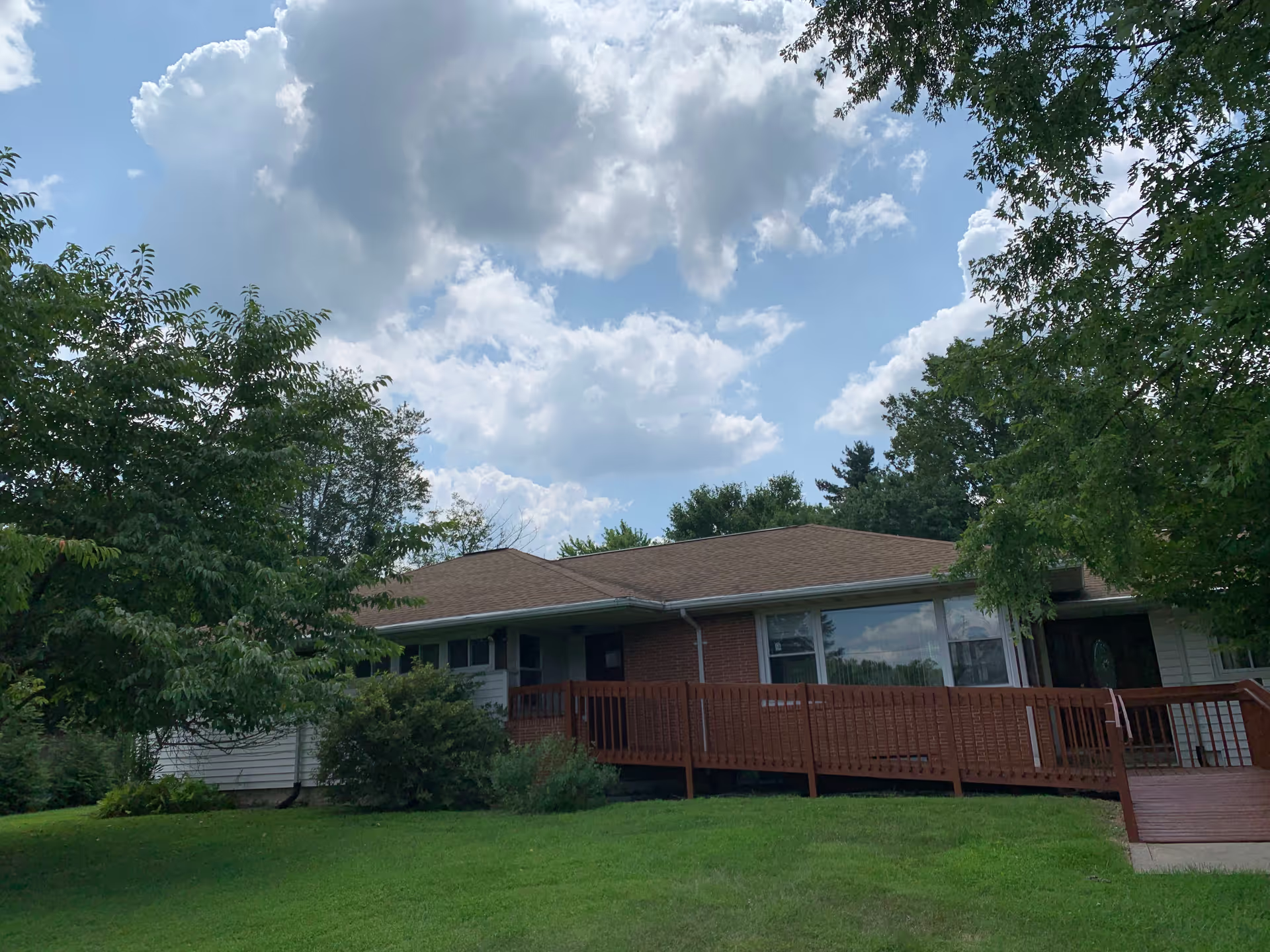
Morningside House of Ellicott City presents as an attractive, well-appointed senior living community with a broad set of services. The property is frequently described as clean, modern and hotel-like, with bright, spacious apartments, enclosed courtyards, landscaped gardens and convenient proximity to medical centers. The community offers a full continuum of services (independent/supported apartments, memory care, respite and hospice), an on-site pharmacy, and available rehabilitation services. Many families note a smooth move-in experience, helpful tours, and a range of on-site amenities such as a hair salon, studio space, piano/entertainment areas and restaurant-style dining.
Care and staffing are a mixed picture. Numerous reviewers praise compassionate nursing and caregiving staff, 24-hour nursing coverage, medication-scanning procedures and attentive clinical providers. At the same time, a consistent pattern of concerns appears around staffing stability and responsiveness: high turnover, variable caregiver conduct, and slower response to call buttons or clinical requests—especially during nights and weekends—have been cited. Those operational gaps are associated in some accounts with delayed assistance, inconsistent housekeeping, and occasional wound- or skin-care follow-up concerns. Prospective families should inquire specifically about night staffing levels, emergency-response times and current staff retention efforts.
Dining and clinical therapies draw both positive and critical comments. Many residents and families appreciate restaurant-style meals, accommodating menus and the presence of a chef; dietary accommodations are available. Other accounts describe inconsistent food variety and nutritional quality for particular units (notably memory care). Rehabilitation (PT/OT) services are available on-site, and some families report effective therapy; however, interruptions or scheduling delays in therapy access have also been reported and can affect recovery trajectories. Ask about current therapy staffing, scheduling practices, and how meal plans are adapted for special-needs units.
The community’s activity program is generally regarded as robust—daily calendars, music, crafts, bingo, lectures, sing-alongs and entertainment outings are typical features. That said, several reviewers observed that programming and transportation have been more limited at times (including driver availability or staff vacancies in activity coordination), and that post‑COVID adjustments reduced the breadth of offerings for some residents. Families who prioritize frequent outings or a high volume of off-site activities should verify current transportation and events staffing.
Operational and management trends are important to note. A number of reviewers describe recent management turnover and mixed responsiveness from corporate leadership, and some perceive a decline in included services while fees increased. Isolated sanitation and pest-control concerns and intermittent lapses in housekeeping were also mentioned; these are operational areas to clarify during a visit. Overall, the facility offers many strengths—amenities, a pleasant environment, and several engaged caregivers—balanced against recurring themes of inconsistent staffing, variable responsiveness, and uneven consistency in dining and therapy services.
Recommendation: prospective residents and families should visit at different times (including evenings and weekends), ask for current staffing ratios and night-shift coverage, request copies of typical activity and therapy schedules, inquire about recent management or staffing changes, and clarify medication-refill and housekeeping protocols. Those steps will help determine whether the facility’s strong amenities and clinical offerings align with an individual’s expectations for responsiveness, therapy continuity and day-to-day care consistency.