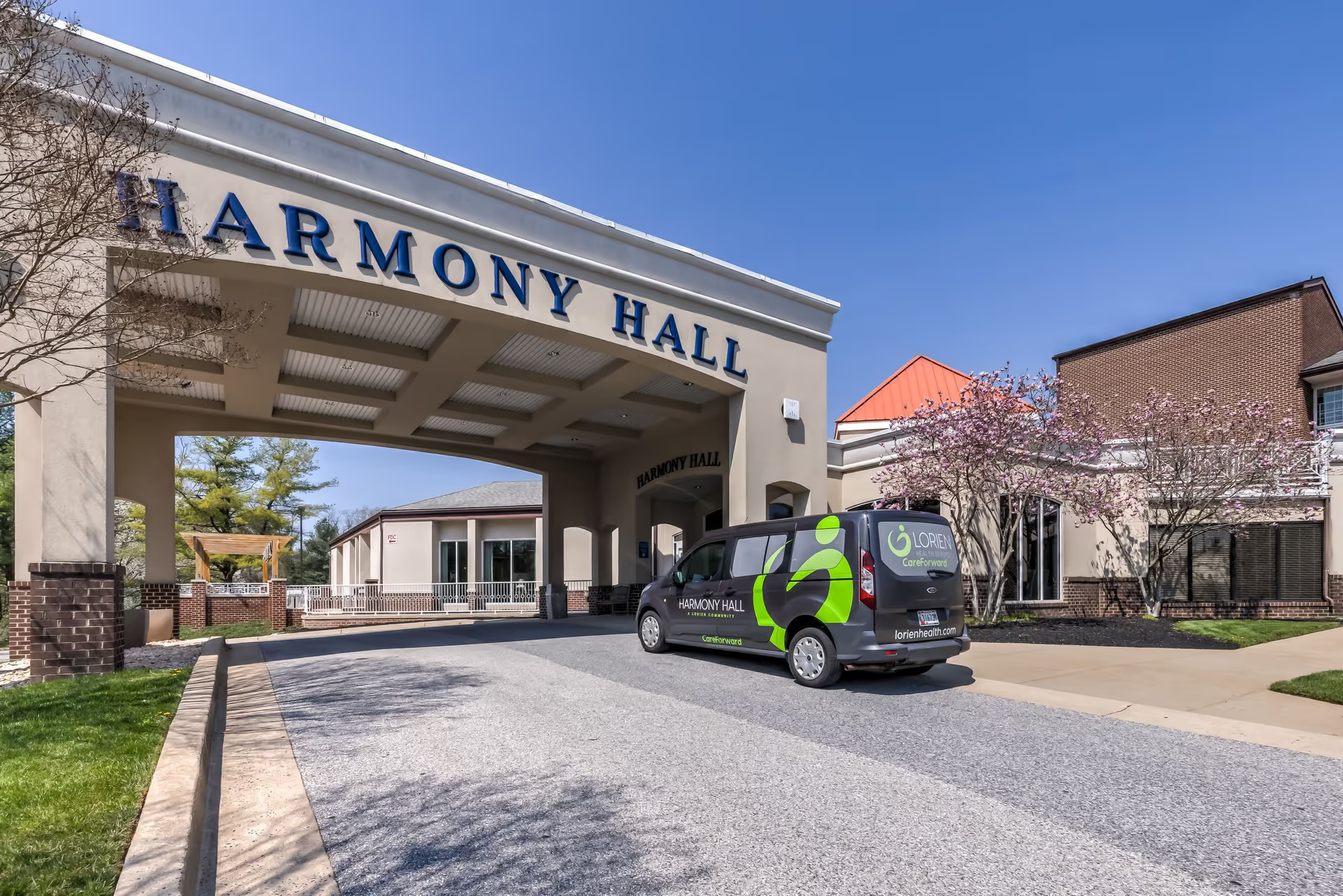
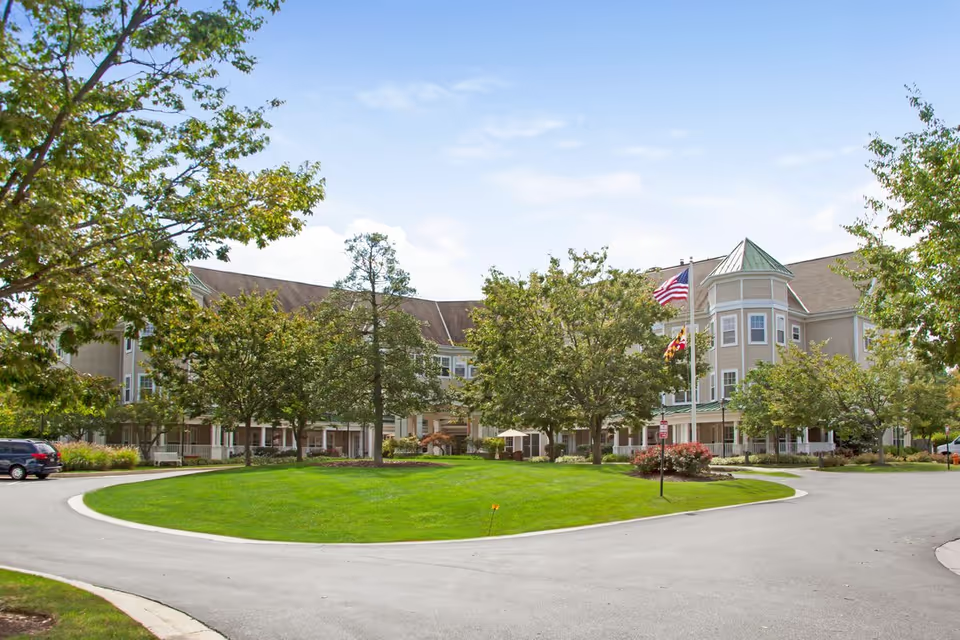
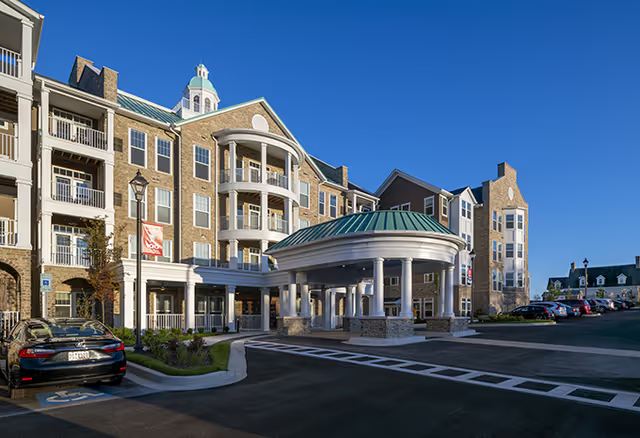
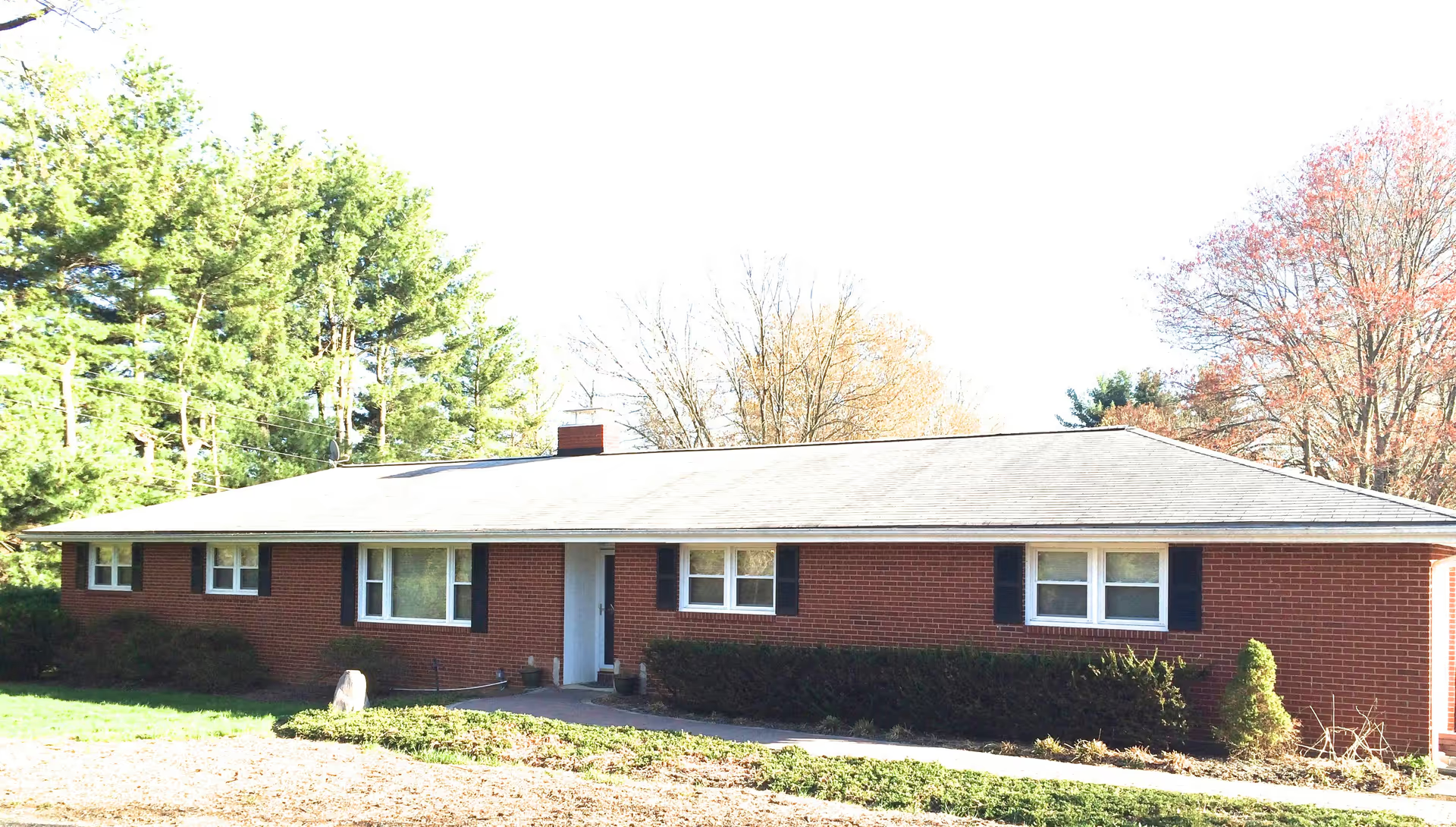
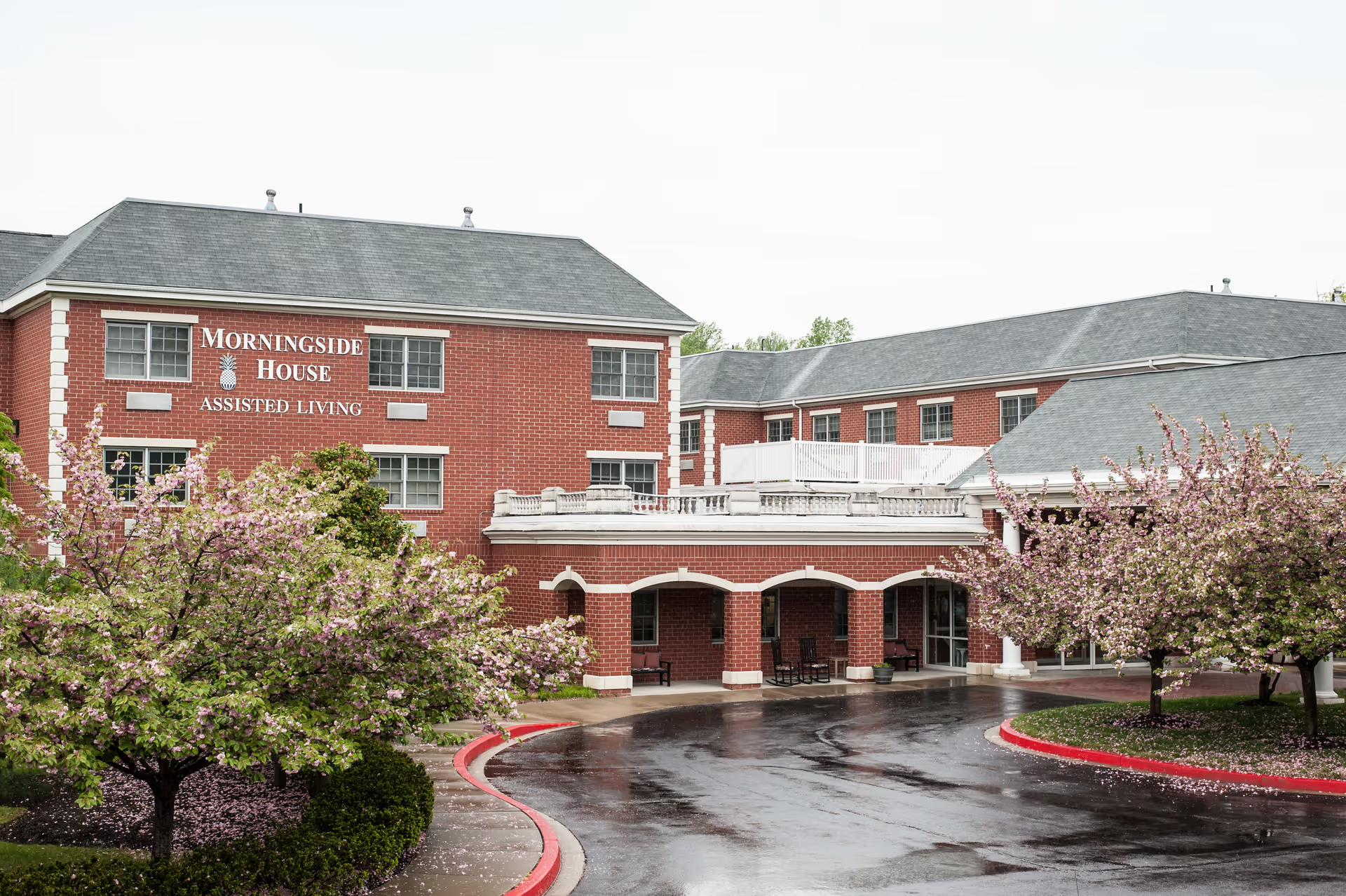
Overall impression: Winter Growth - Maryland Memories is described primarily as a compassionate, community-focused facility with notable strengths in clinical care and social programming. Families frequently emphasize the quality of medical and nursing services, a welcoming atmosphere, and staff who develop quick, personal rapport with residents. Many accounts highlight smooth admission experiences and supportive transitions into the residence.
Care and staff: Clinical care and hands-on caregiving are recurring strengths. Reviewers describe strong nursing and therapy availability, including occupational and physical therapy, and attentive aides who establish familiarity with residents quickly. The staff tone is frequently characterized as warm and supportive, and families report active caregiver education and assistance. However, there are patterns of inconsistent staff dynamics: some reports note staff conflicts or variability in staffing consistency that can affect day-to-day predictability.
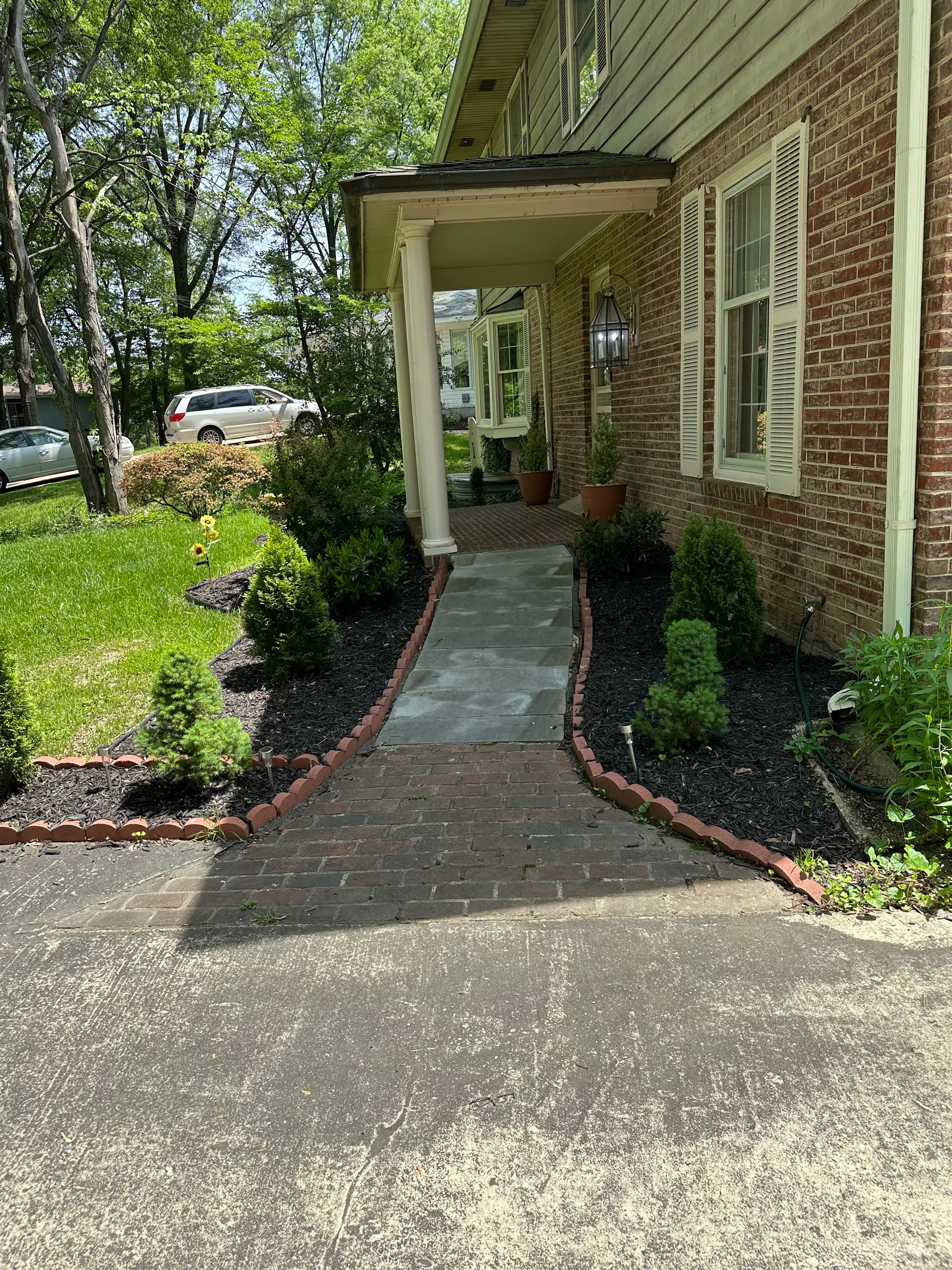
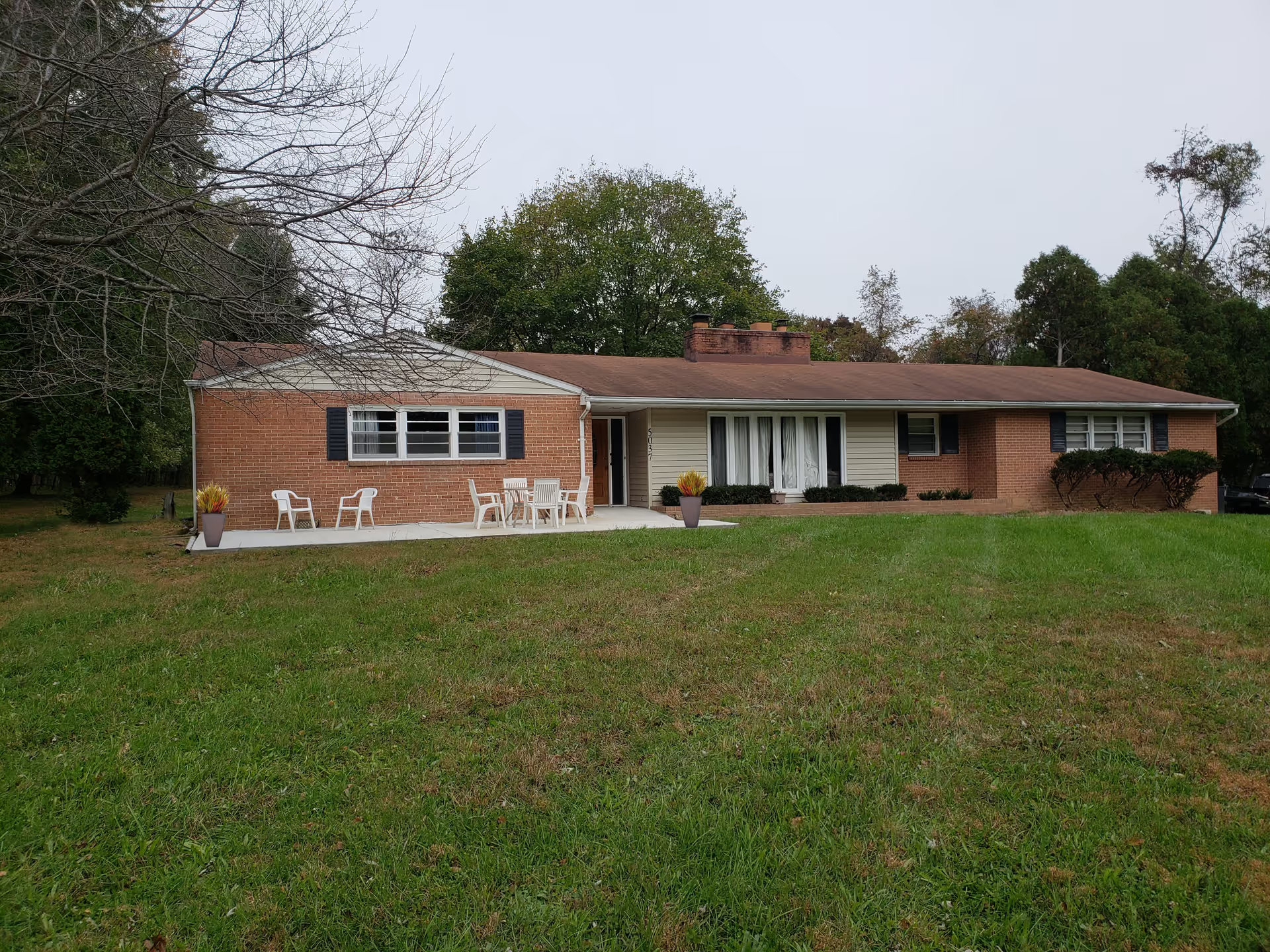
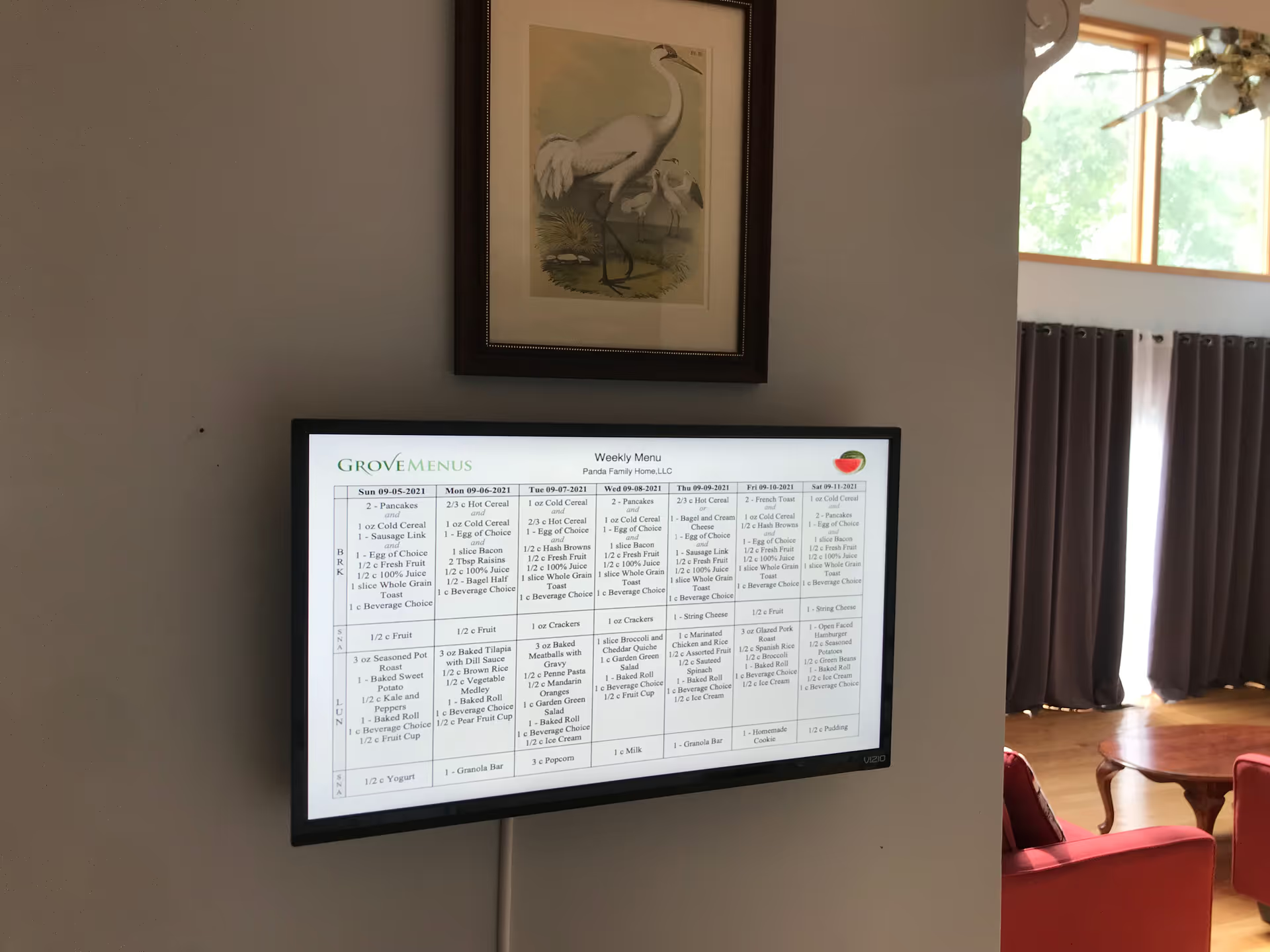
Dining and amenities: Meal quality is generally viewed positively, with several mentions of flavorful food. The facility has sunny common spaces and a warm ambience; it is pet-friendly and promotes an engaging environment. That said, amenity limitations exist for some residents: certain payer arrangements (for example, Medicaid waiver placements) may restrict private-bathroom availability and in-room conveniences such as microwaves. Parts of the building are described as dated, so physical condition and recentness of finishes vary by wing.
Activities and therapies: Activity programming is a strong element for many families — offerings include music, crafts, games, animal visits, and tailored sessions according to residents' abilities. Therapies such as OT/PT are available and integrated with programming. At the same time, there is variability in how residents experience activities: some families find the schedule engaging and frequent, while others describe sessions as limited or less stimulating, indicating inconsistent implementation across units or times.
Management and administration: Administrative areas are a mixed picture. While intake and initial interactions are often professional and accessible, several families reported communication and documentation gaps after admission, such as unanswered voicemails and missing paperwork. These indicate opportunities for improvement in family communication protocols and records management. Prospective families should confirm preferred communication methods and ask about documentation workflows during tour and intake.
Notable patterns and guidance for families: Winter Growth - Maryland Memories appears to suit families prioritizing strong clinical care, a community feel, and active programming. Before placement, families should clarify whether the memory-care environment matches the cognitive level of their loved one, confirm specific room amenities under their payer arrangement, and discuss communication expectations with administrative staff. Visiting different wings and asking about recent maintenance or renovation timelines can help set realistic expectations about physical condition and activity consistency.