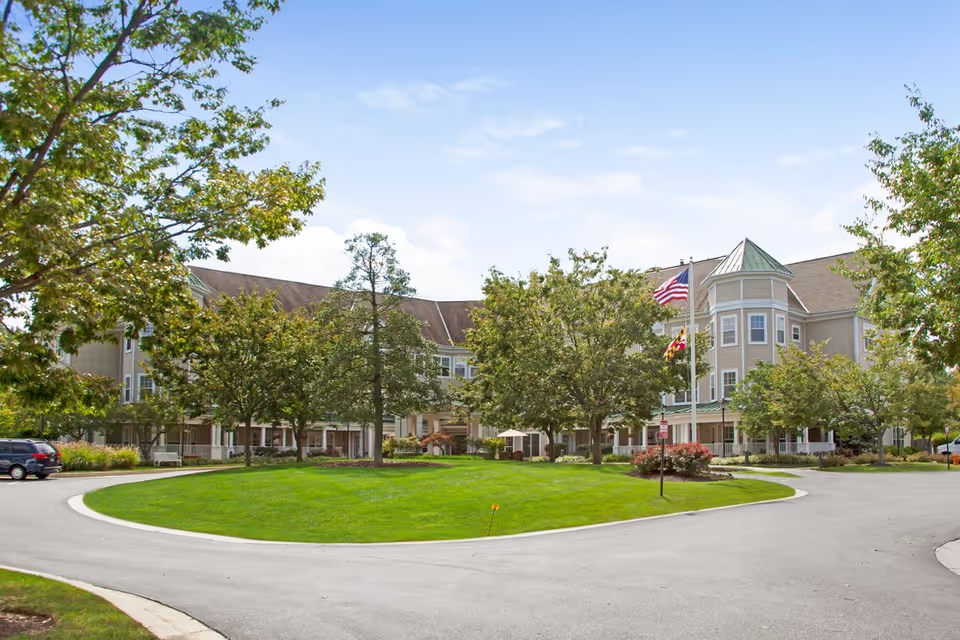
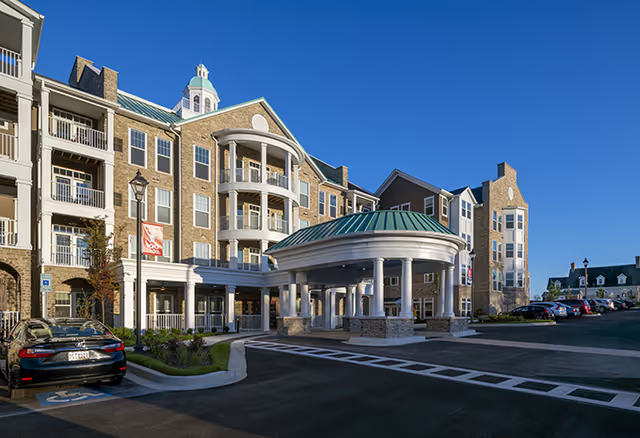
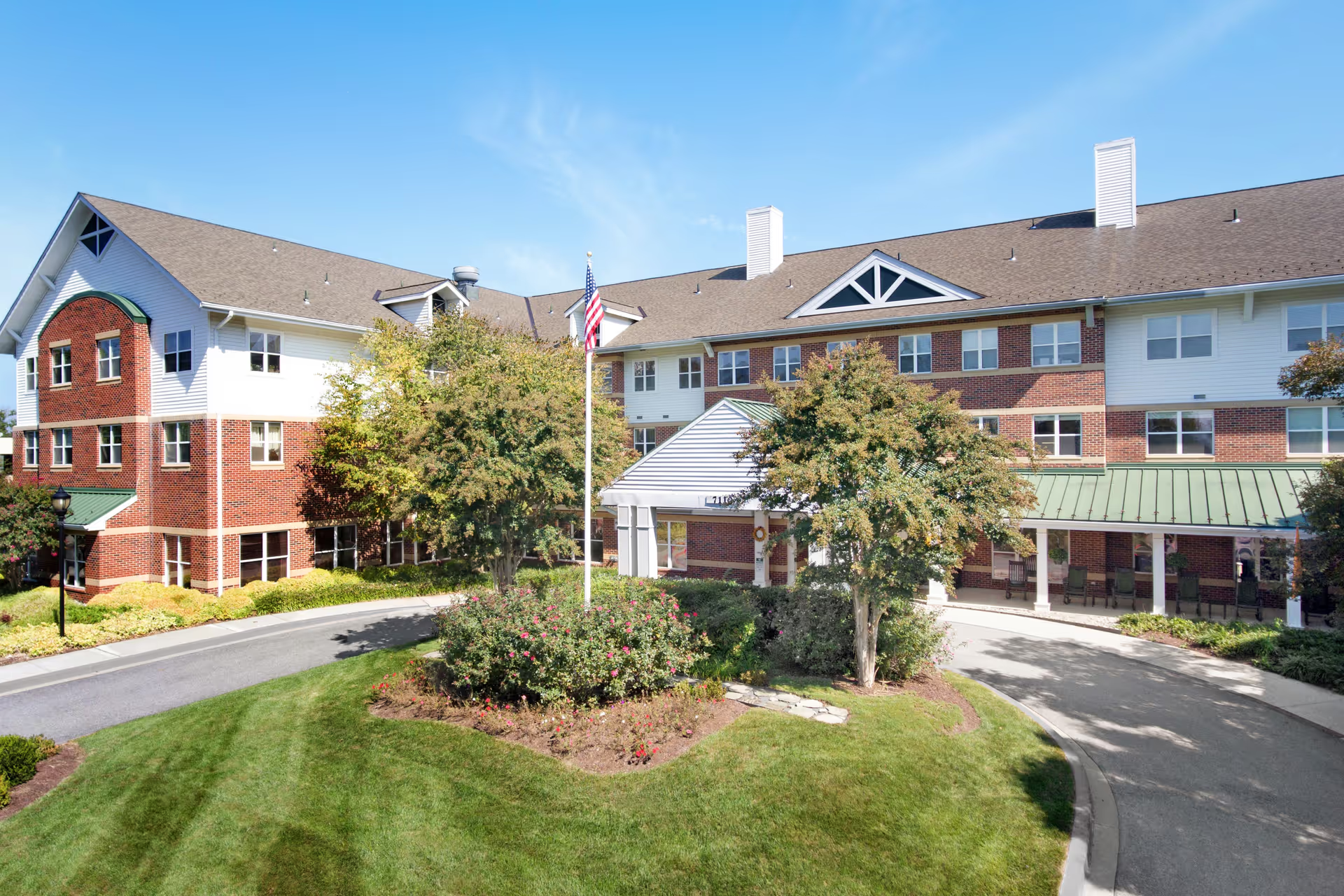
Overall impression Lorien Harmony Hall is described across reviews as a family-oriented continuing-care community with many durable strengths: a consistently praised caregiving staff, robust on-site therapy and clinical services, and a campus with well-maintained common areas and a broad array of amenities. Reviewers frequently highlight the facility’s ability to support residents from independent living through rehabilitation and hospice, noting comfortable communal spaces (restaurant-style dining, café, theater, chapel, and green space) and active event programming that helps residents remain engaged.
Care quality and clinical services Clinical care and rehabilitation are recurring strengths. On-site physical and occupational therapy are described as particularly effective and adaptive to individual recovery or decline; families also note responsive nursing oversight, regular physician access, and a 24-hour nurse-practitioner presence in some accounts. The community’s partnership with an established hospice provider is repeatedly cited as enabling peaceful, familiar end-of-life care. That said, reviewers also raise operational concerns that impact care delivery: staffing shortages at times appear to stretch nursing and aide resources, and there are multiple notes about delayed assistance or inconsistent personal-care schedules (for example, bathing frequency and missed or delayed therapy sessions) that prospective families should investigate further.
Staff, culture, and management The staff are the facility’s signature strength in many reviews—described as caring, personable, and attentive, with leadership that is approachable and engaged. Long-term residents and families credit strong staff continuity and a sense of community that includes staff greeting residents by name and making extra efforts to involve families. However, reviewers also document variability in staff performance and tone: while many staff members are praised, others are described as impatient or less responsive. Management responsiveness is generally viewed positively in routine matters and admissions, but there are recurring complaints about billing transparency, pressured fee-collection, and inconsistent follow-up during escalations. A small number of reviews raise serious allegations of staff theft and significant care lapses; these are not the majority experience but are sufficiently serious that families should seek direct clarification during a tour and ask about any regulatory history or investigations.
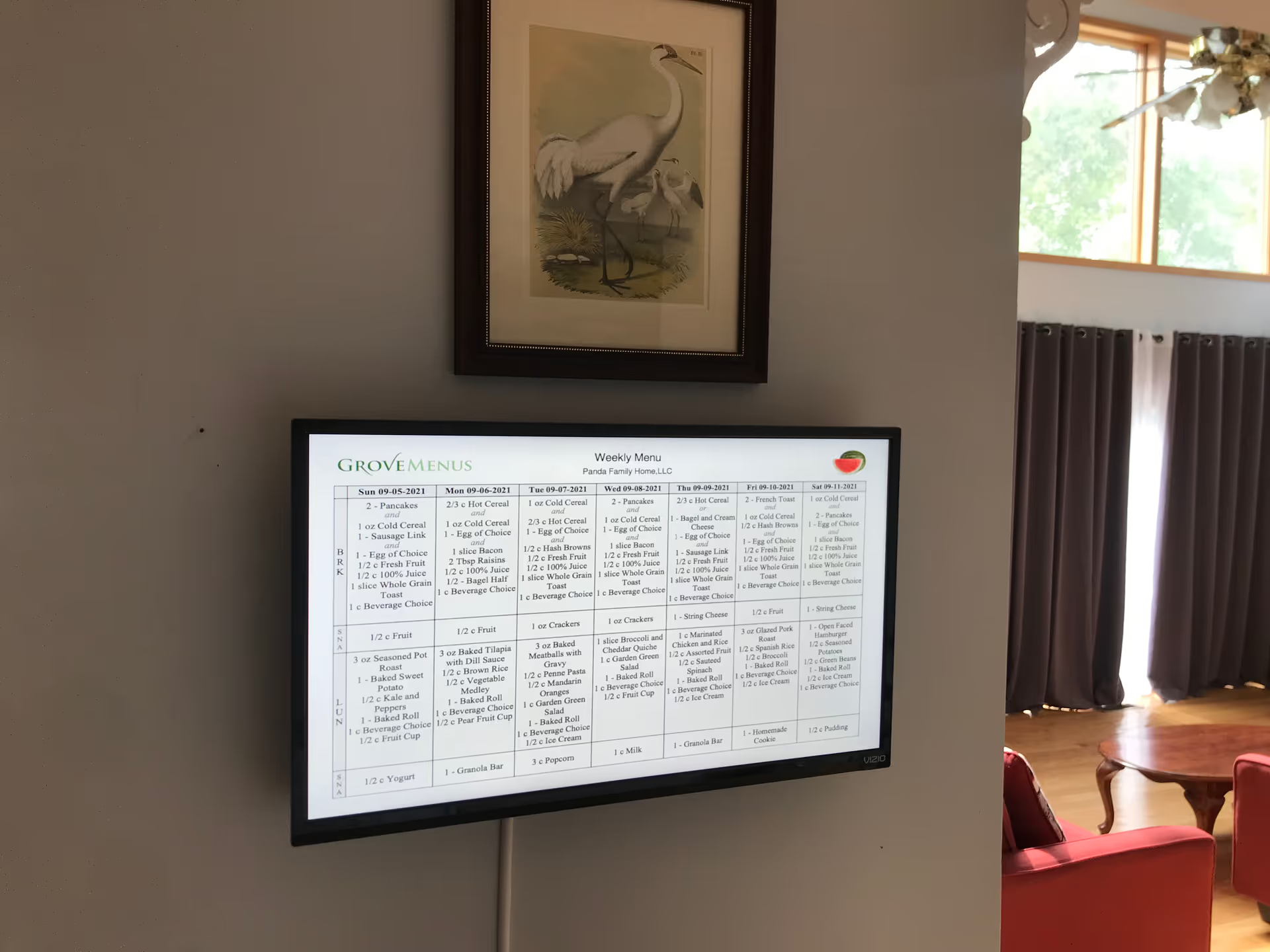
Dining and activities Dining and social programming are major assets and areas of mixed feedback. The community has invested in culinary upgrades and a restaurant-style dining experience that many residents enjoy; multiple dining venues, special events, and cultural meal options are available. Conversely, there are numerous comments about inconsistent food quality, cold meals, limited menu variety (including vegetarian accommodation problems), and occasional service lapses. The activities program is extensive—festivals, concerts, games, and exercise offerings plus an energetic activities team are common positives—but participation can be uneven. Several reviewers noted that floor-level programming (particularly for residents with memory impairment or limited mobility) may be limited or less inclusive, resulting in lower engagement for some residents.
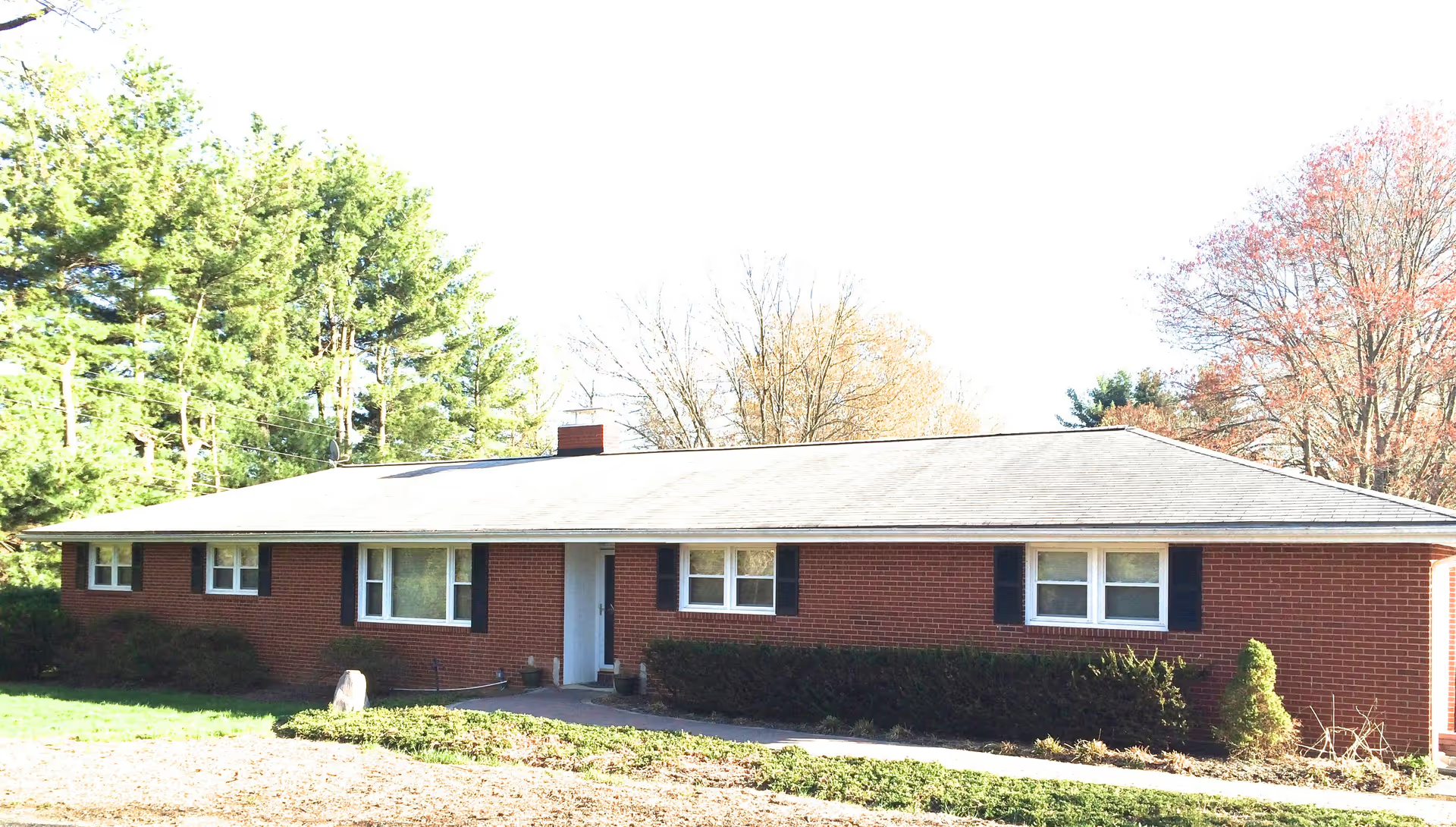
Facilities and accessibility The physical campus is commonly described as attractive, clean, and recently renovated in many common areas. Amenities such as the rehab gym, theater, chapel, café, and outdoor spaces are highlighted positively. At the same time, the living units tend to be on the smaller side; bathrooms and doorways are frequently cited as narrow or difficult to navigate with wheelchairs and walkers, and bathroom layouts can be restrictive for higher-care needs. Prospective residents with significant mobility limitations should verify apartment dimensions and accessible layout options.
Notable patterns and practical considerations Taken together, the reviews suggest a community with strong relational care, good clinical rehabilitation resources, and a lively campus culture—offset by operational inconsistencies in food service, staffing levels, personal-care scheduling, and billing transparency. Memory-care and high-dependency residents appear to receive variable experiences: some families praise compassionate, attentive care, while others report inadequate engagement or monitoring. The presence of on-site medical services (including dialysis) and a formal hospice partnership are meaningful strengths for residents who expect progressive care needs.
For prospective residents and families A site visit focusing on specific operational points is advisable. Recommended areas to confirm in person include current staffing ratios and backup plans for illness or vacancies, dementia-care staffing and engagement protocols, sample menus and meal service timing, bathing/personal-care schedules, apartment accessibility and dimensions, and transparent billing and fee policies. Asking about incident reporting, recent regulatory surveys, and how leadership addresses family concerns will help reconcile the community’s many positive attributes with the operational variability described in a subset of reviews.
In summary, Lorien Harmony Hall is frequently lauded for its compassionate staff, strong rehabilitation and clinical services, and an active campus life. Those strengths are tempered by service and operational inconsistencies that affect dining, personal-care schedules, accessibility for mobility-impaired residents, and billing transparency—areas to clarify during an in-person assessment based on individual needs and priorities.