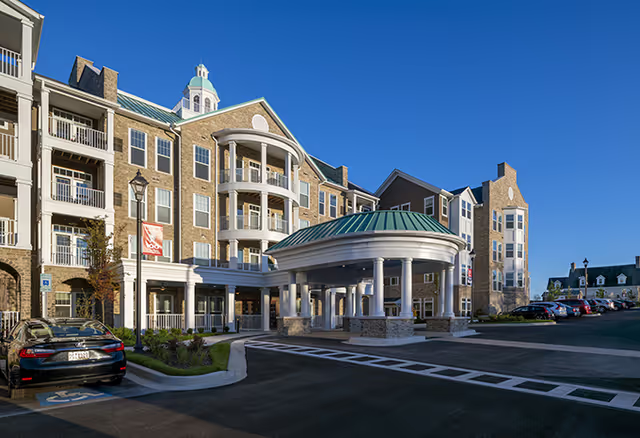
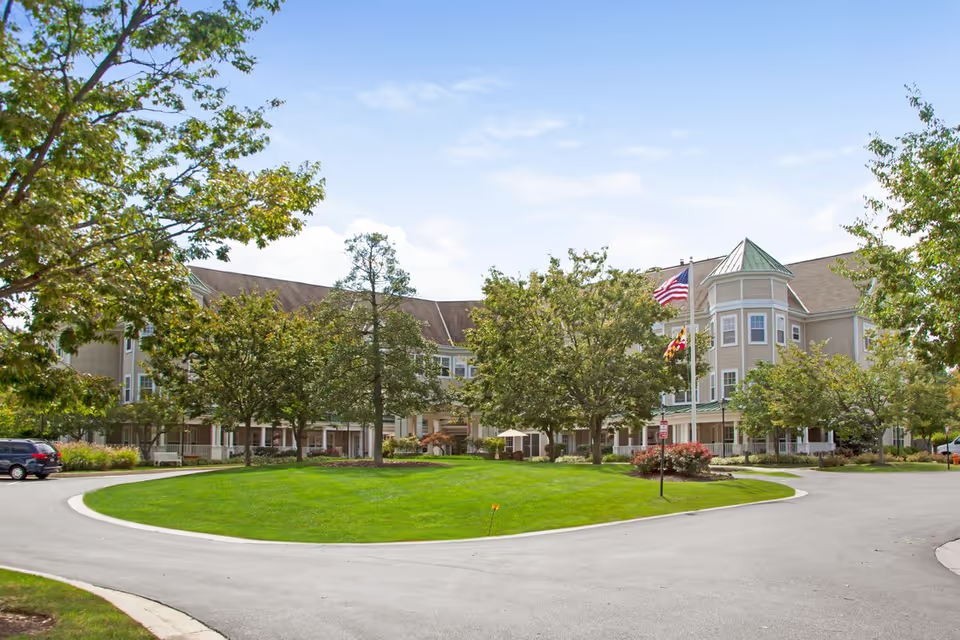
Brighton Gardens of Columbia elicits a strongly mixed but consistent set of themes. Many families and visitors describe a warm, well-appointed building with strong on-the-ground caregiving teams, an active calendar, and attractive dining and outdoor spaces. At the same time, there are repeated operational weaknesses that can materially affect a resident's day-to-day experience — particularly for people with advancing clinical or dementia-related needs.
Care quality and clinical services: Clinical experiences vary. Several accounts highlight attentive care managers, on-call nursing coverage, and timely responses to routine needs; others describe gaps in medication administration, inconsistent glucose monitoring, and limited skilled-nursing availability on site. The facility appears equipped for assisted living-level care and aging-in-place for many residents, but families seeking higher-level medical management often arrange supplemental private nursing. These contrasts suggest the community is strongest for residents with stable, less complex medical needs and less consistent for those who require ongoing skilled nursing or tighter clinical oversight.
Staff and operations: Staff are frequently praised as compassionate, knowledgeable, and long-tenured — specific team members receive repeated commendation for going above and beyond. At the same time, reviewers raise operational concerns: turnover and workload pressures among direct-care staff, variability in weekend/temporary staffing, and occasional lapses in ADL assistance and personal-care attention. The combination of committed long-term employees and signs of staffing strain indicates that service consistency can depend on shift, unit, and staff assignment.
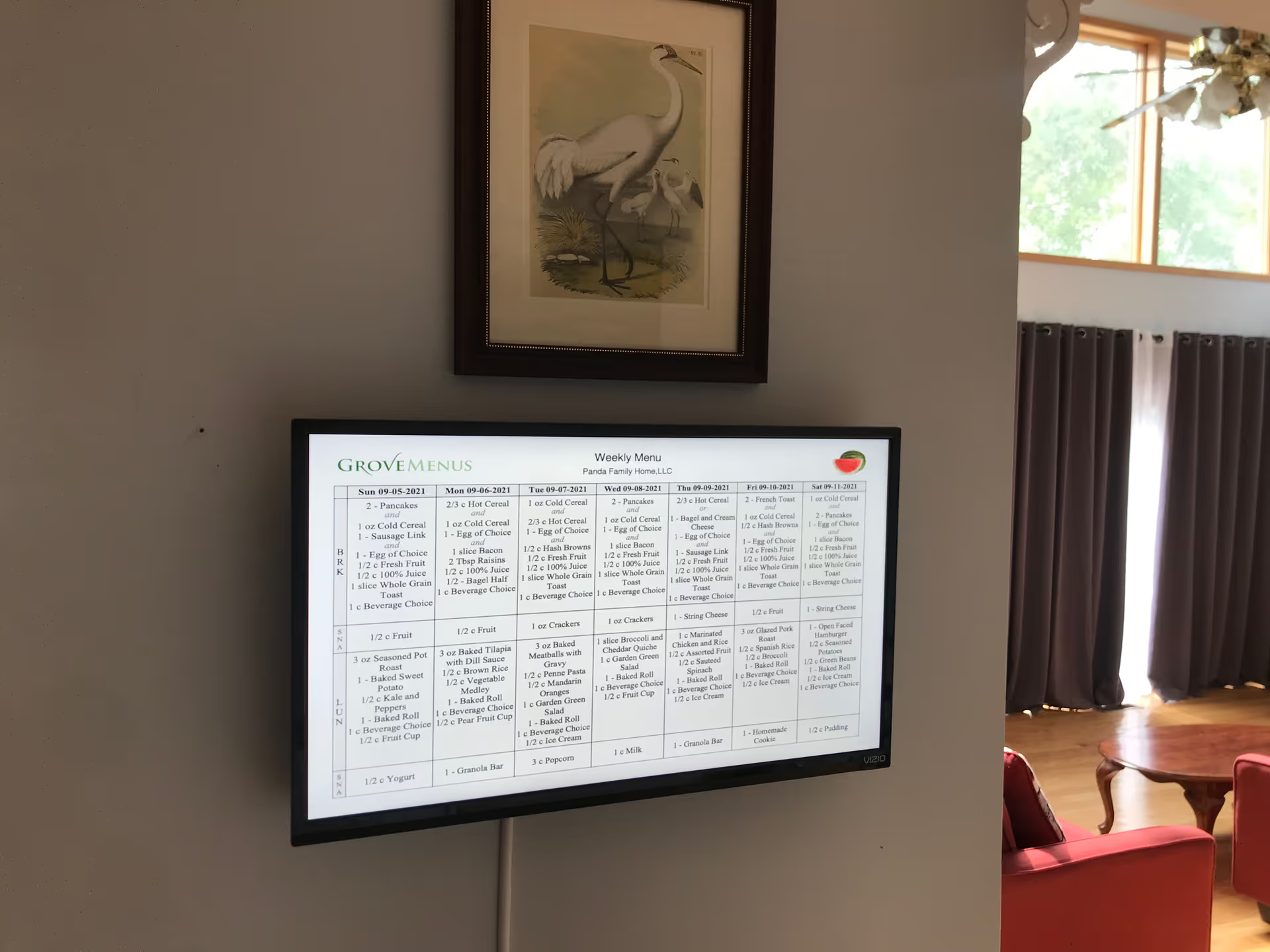
Dining and activities: Dining and social programming are clear strengths in many accounts. The dining room is described as restaurant-style with appealing menus and desserts; activity schedules include music, poetry, outings, exercise, and resident-led programming. That said, a subset of comments points to inconsistent meal-service attention and limited menu variety at times. Memory-care programming is likewise mixed: some families praise a bright, engaging Reminiscence unit and specialized activities, while others report outdated or non-stimulating offerings for residents with dementia — suggesting uneven resourcing or programming across memory-care neighborhoods.
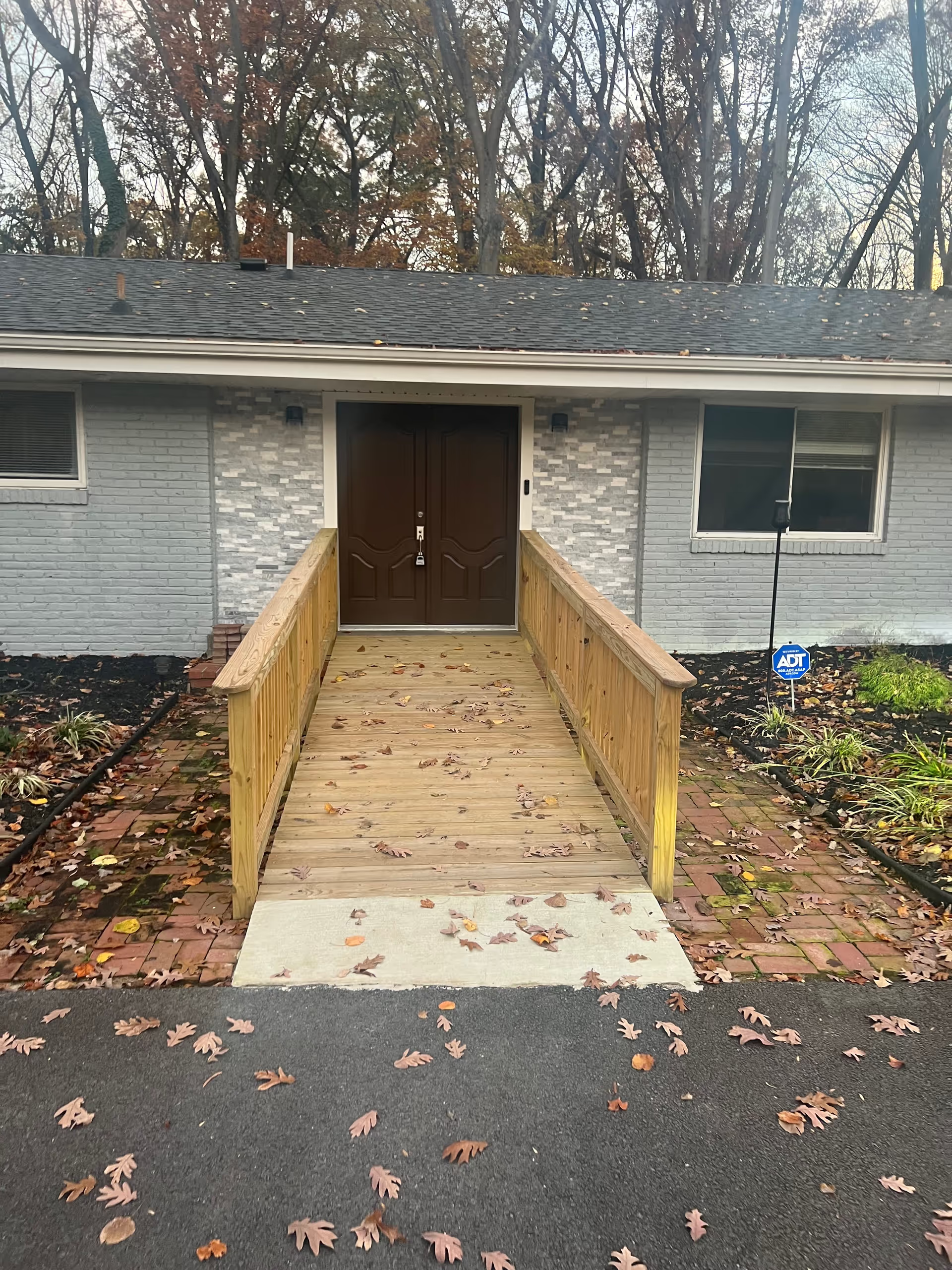
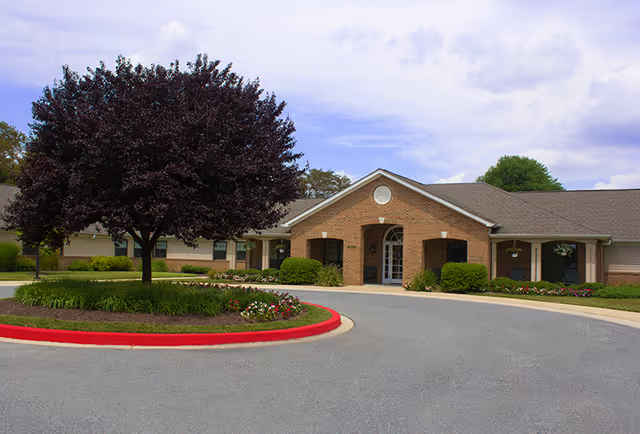
Facilities and environment: The property is routinely described as clean, bright, and aesthetically pleasing, with well-kept common areas and attractive outdoor spaces. Some reviewers note dated furnishings, worn carpeting, and areas needing refresh; these observations appear localized rather than systemic but may affect perceived value for price-sensitive families.
Management, communication, and cost: Management impressions are polarized. Several reviewers commend responsive, hands-on coordinators and leadership that supports families; others describe impersonal interactions from executive staff, poor family communication, billing and invoicing problems, and a perception of limited corporate responsiveness. Pricing is frequently described as high with periodic increases; combined with the operational inconsistencies above, several families express concern about value for money, especially when higher-level clinical needs emerge.
Notable patterns and guidance: Brighton Gardens of Columbia offers many positive, community-oriented elements — strong social programming, appealing dining, attentive staff members, and a pleasant physical environment — which make it a good fit for residents whose needs are primarily social and custodial. Families considering the community should clarify clinical staffing levels, medication-administration protocols (including glucose-insulin management), dementia-programming specifics for the unit under consideration, weekend staffing patterns, and recent billing practices before committing. Visiting during multiple times of day (including a weekend shift), asking for written policies on skilled-nursing availability and emergency transport, and seeking references from current families in the specific neighborhood under consideration will help determine whether the facility’s strengths align with a prospective resident’s clinical and social needs.