Overall impression: The facility receives strongly mixed feedback with notable strengths in rehabilitation and many positive accounts of individual caregivers, alongside persistent operational weaknesses that affect clinical safety and daily living for some residents. Families repeatedly praise the rehabilitation program, therapy staff, and a substantial number of nurses and aides for compassionate, hands-on care and for creating a welcoming, family-like atmosphere. Admissions and administrative staff are frequently described as helpful and professional, and several reviewers highlight clean common areas, private-room amenities, and consistent housekeeping in parts of the facility.
Care and clinical safety: Rehabilitation services (PT/OT and group therapy) are a consistent strength; multiple reviewers described good therapy schedules and measurable progress. At the same time, there are recurring clinical concerns: medication-administration errors and oxygen-management issues, inconsistent post-hospital follow-up, and several accounts of falls or transfer-related injuries. These accounts point to gaps in fall-prevention protocols, clinical monitoring, and timely response to changes in condition. Families would be prudent to confirm current staffing ratios, fall-prevention policies, and handoff procedures before placement.
Staff and communication: Staffing quality is described as variable. Many staff members are characterized as attentive, compassionate, and experienced, with good staff continuity on some units. Conversely, reviewers also describe episodes of delayed care, inattentive behavior, rude interactions, and language or communication barriers. Documentation and communication breakdowns — including missing discharge paperwork, improper handling of advance-care documentation, and uneven family notification after clinical events — appear as systemic weaknesses rather than isolated clerical errors.
Dining and nutrition: Feedback on food is mixed. Some reviewers find meals acceptable and well-presented, while others describe wrong meals, missed meals, incomplete trays, and diet-order errors. These patterns suggest inconsistent meal-service continuity and weaknesses in diet-management processes that could affect residents with special nutritional needs.
Activities and resident life: Activity programming and therapy groups are often praised for engagement and variety, with daily or near-daily schedules in support of rehabilitation goals. However, activity hours may be concentrated in the afternoon therapy block and appear limited outside core times on some units. Social and personal-care touches (hair styling, grooming) are noted positively and contribute to resident morale.
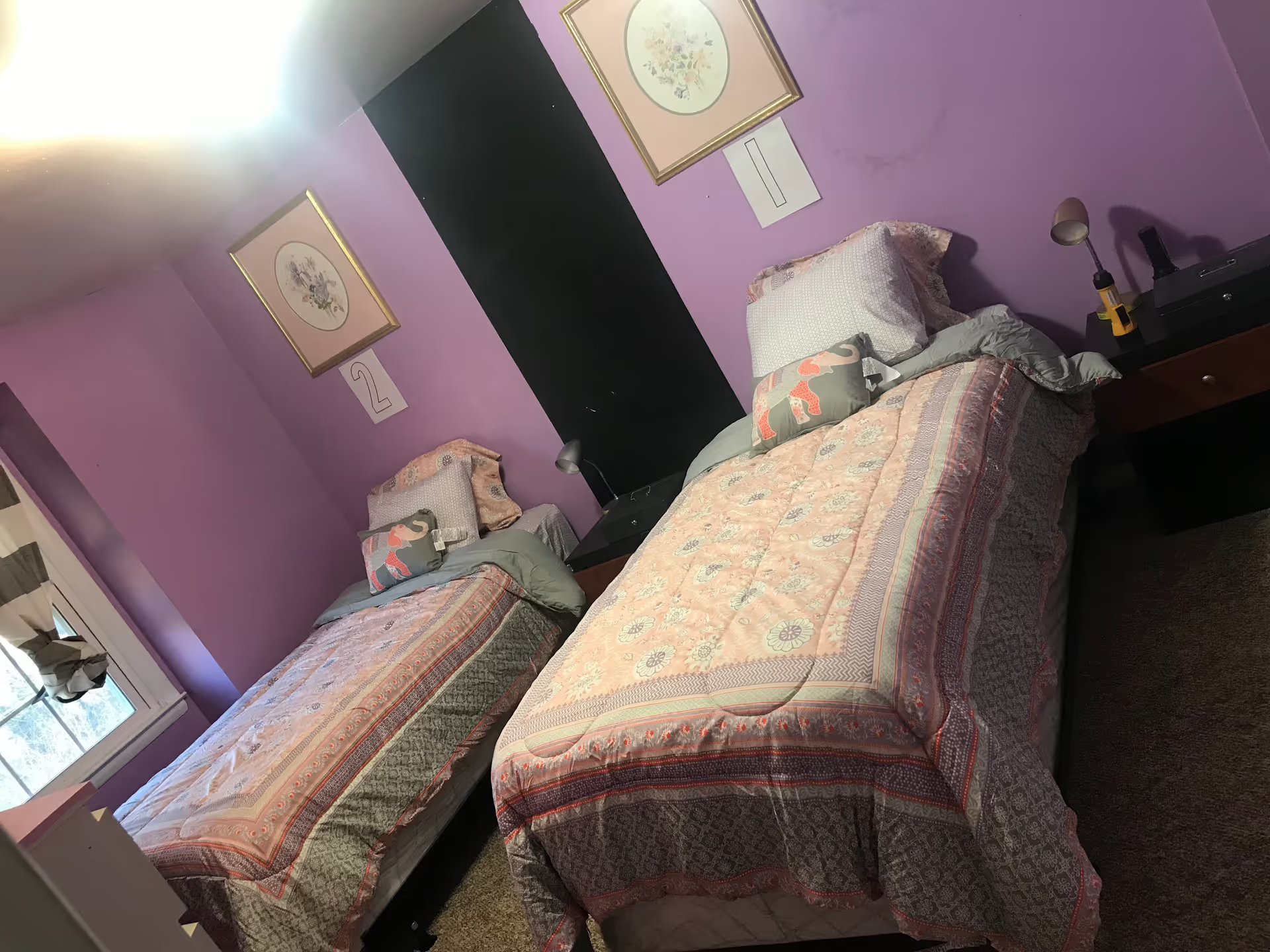
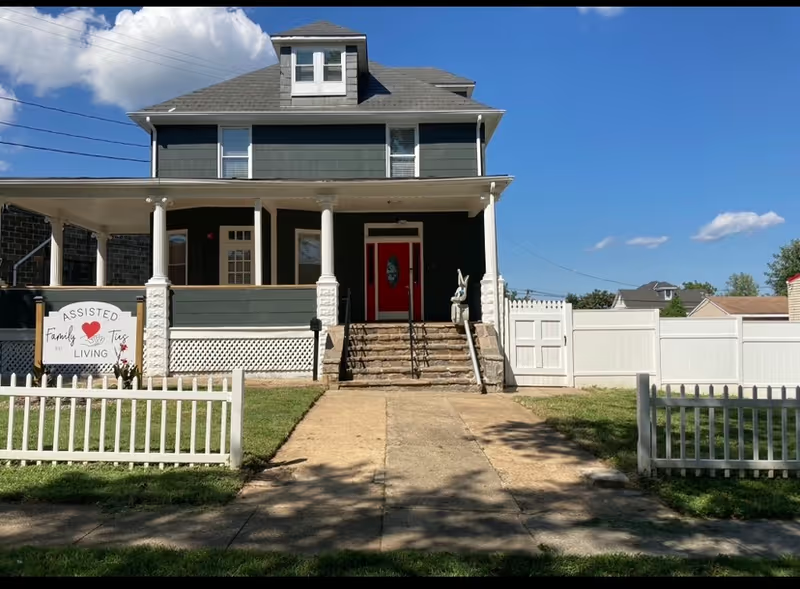
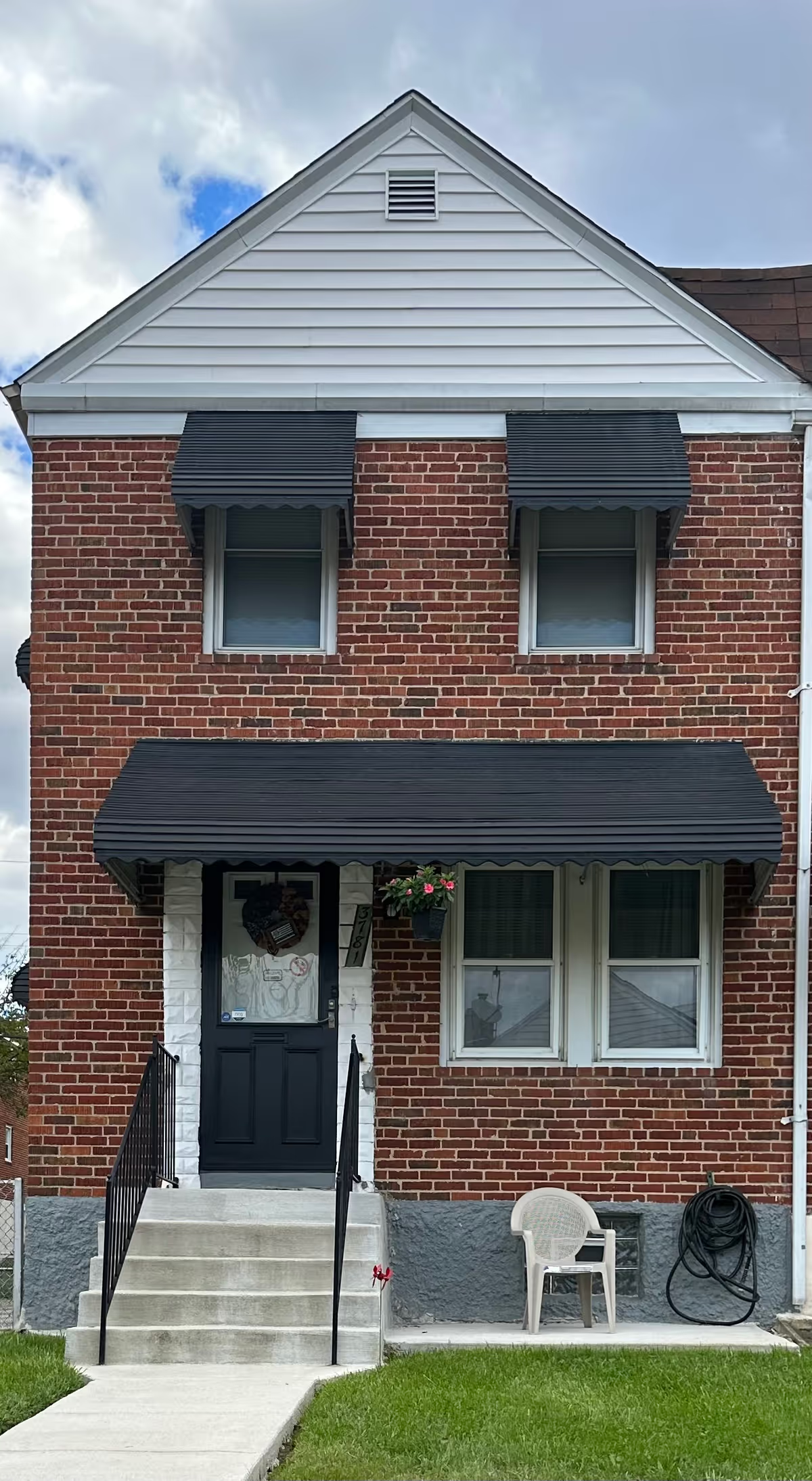
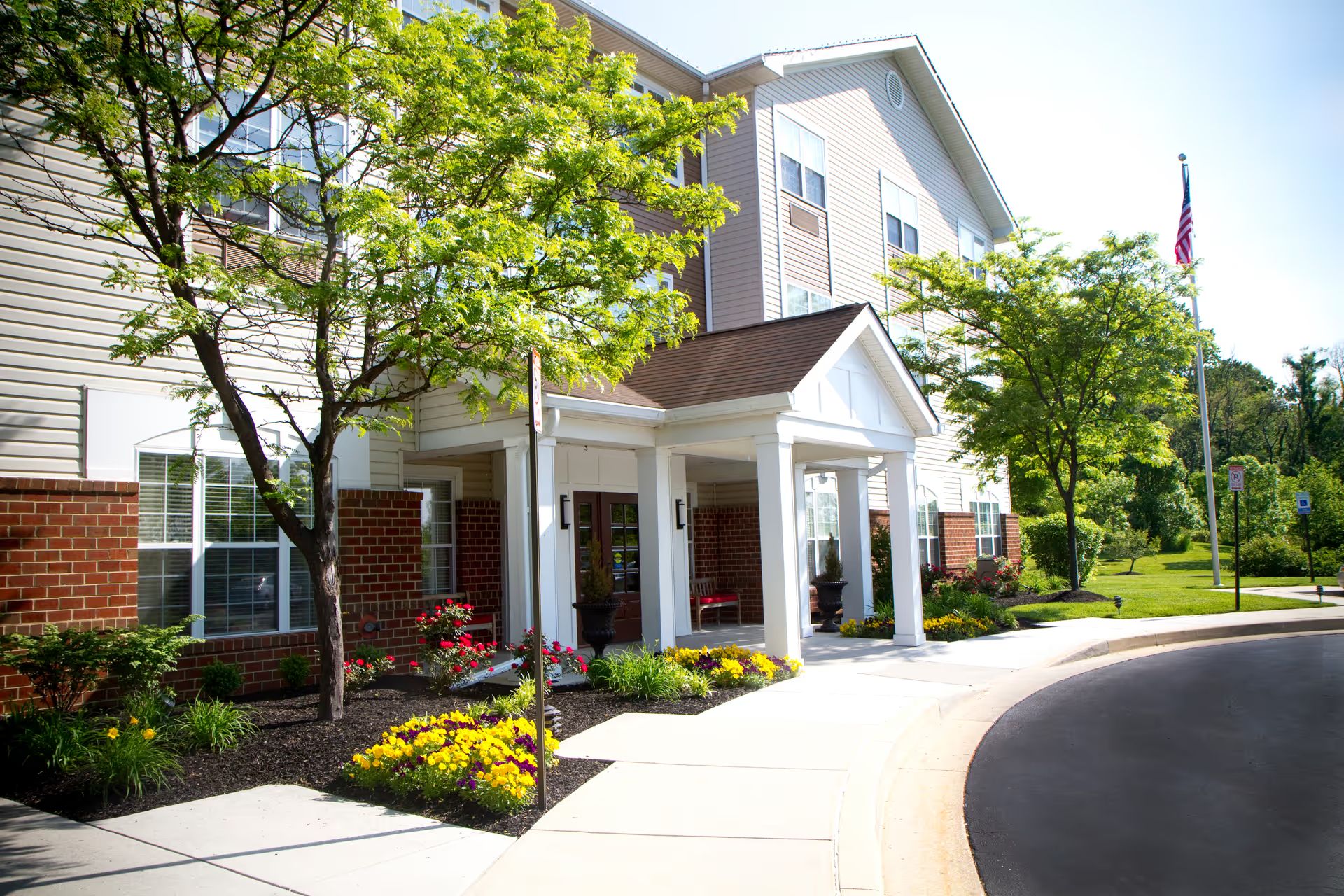
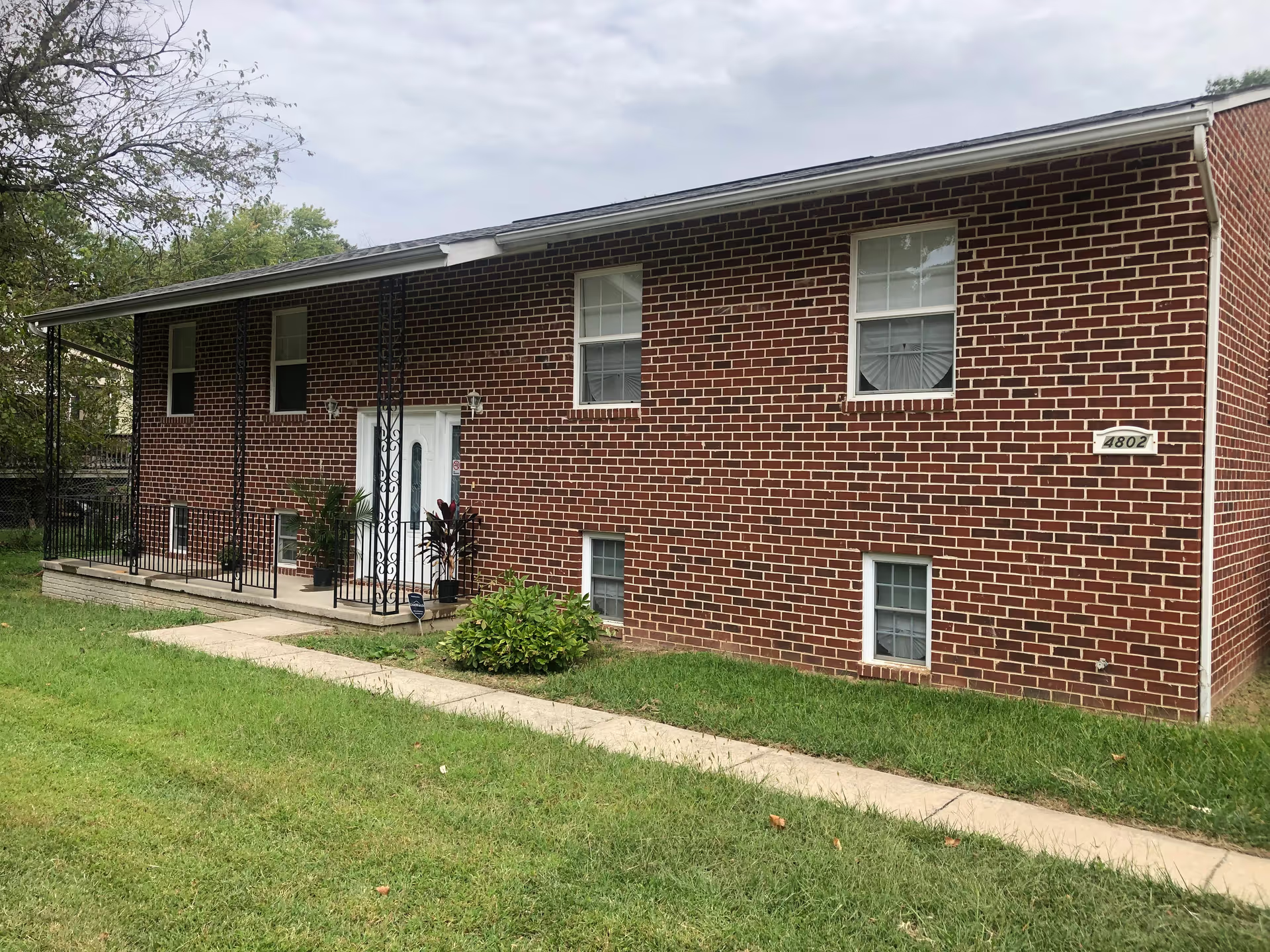
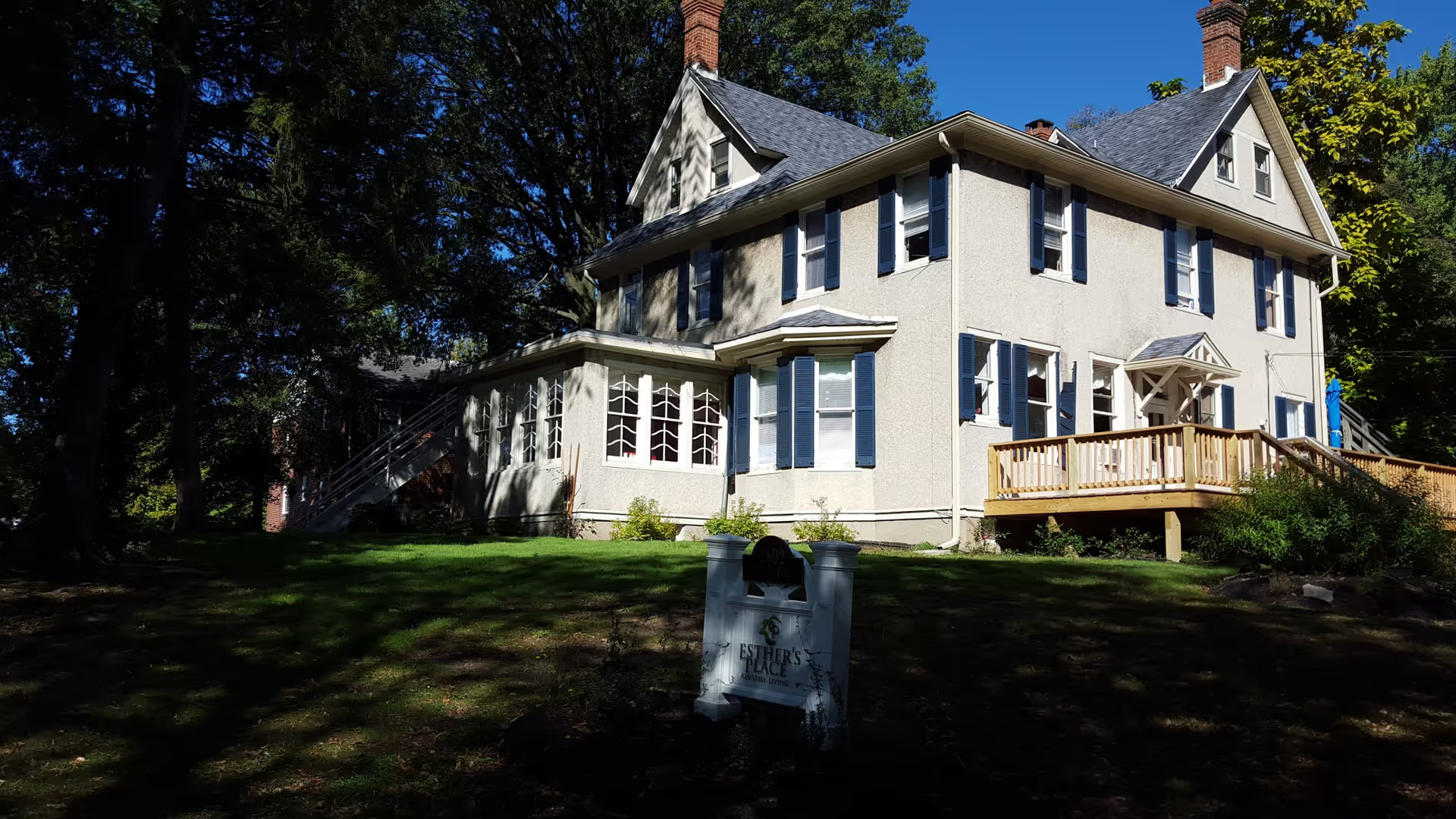
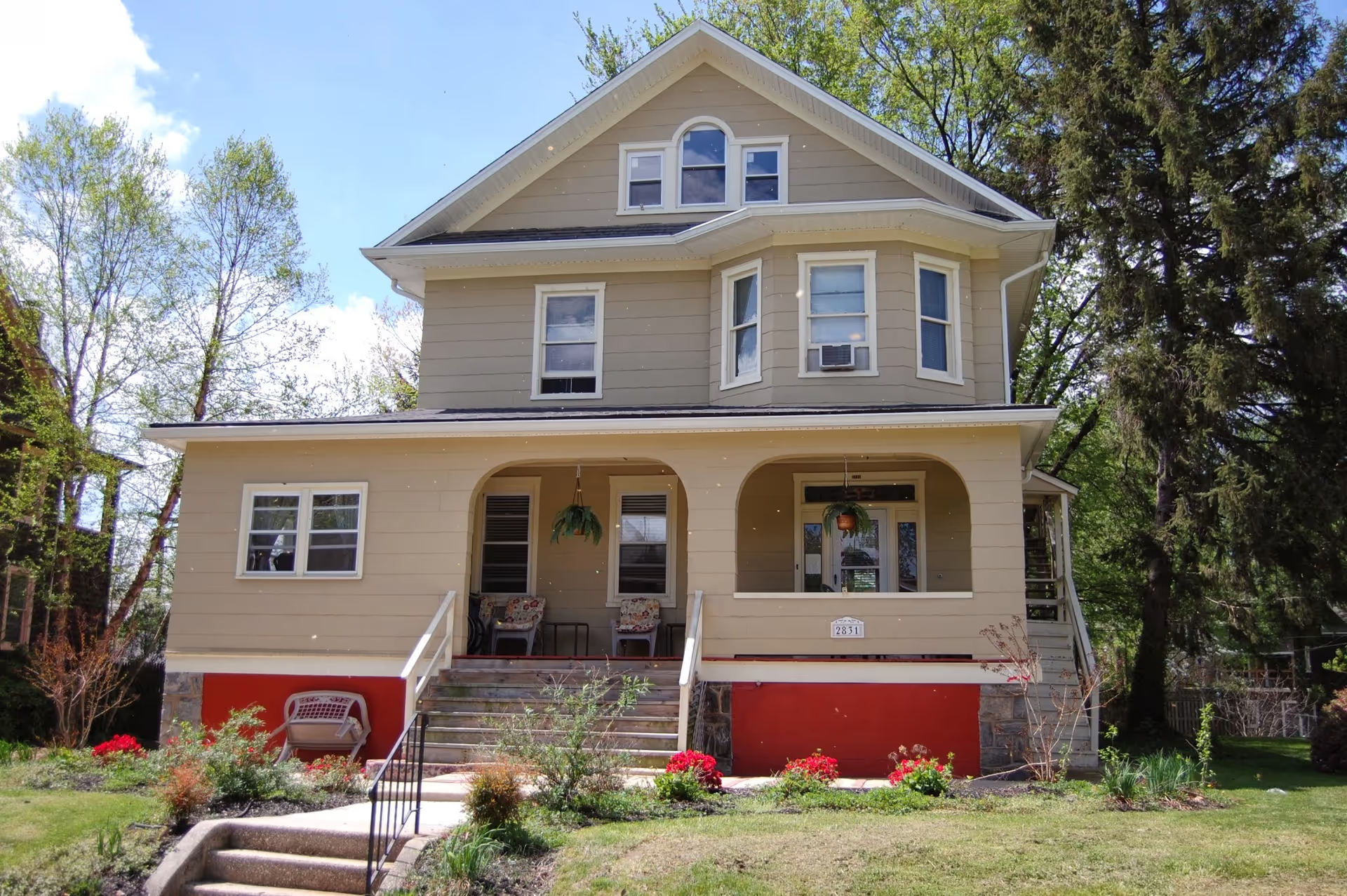
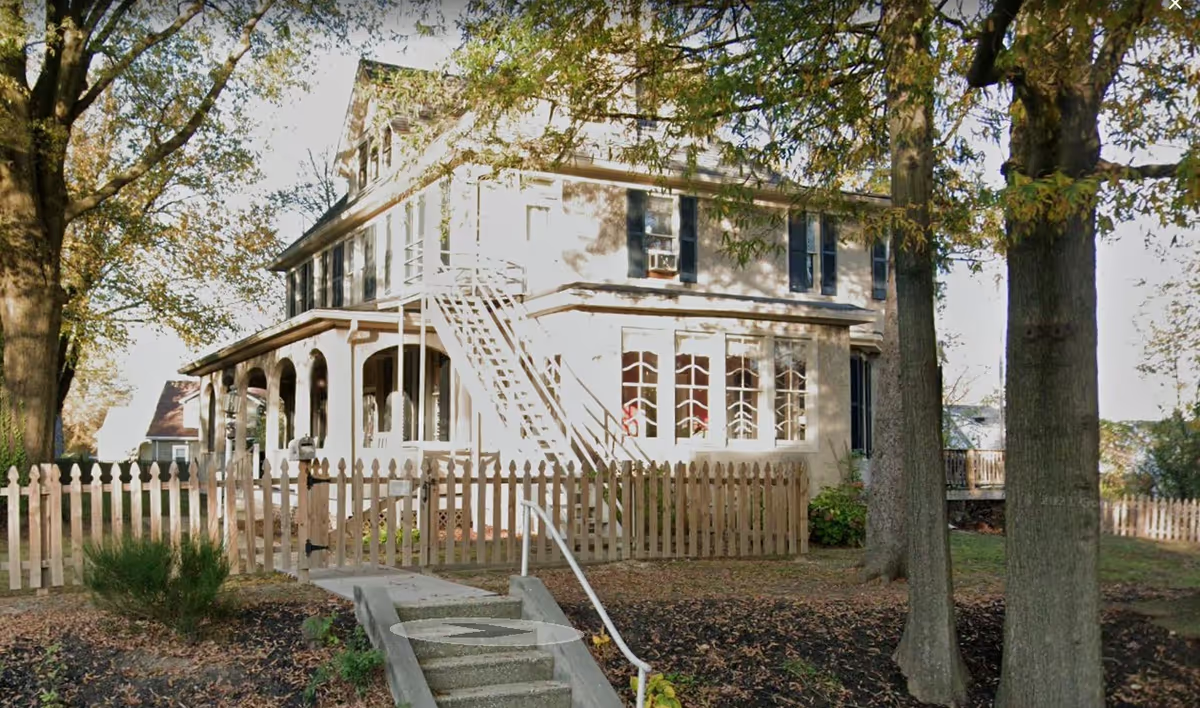
Facilities and environment: The facility presents a mixed physical picture. Lobby and dining areas are described positively, and many rooms are kept clean; private room amenities such as air conditioning are appreciated. Conversely, reviewers note aging infrastructure (old elevators), small parking capacity, overcrowded semi-private rooms, cluttered or repurposed furnishings, and uneven cleanliness in some common and outdoor spaces. These infrastructure and sanitation inconsistencies can affect comfort and perceived safety.
Management and accountability: Administrative responsiveness is a recurring positive when present, but reviewers also express concerns about management accountability on clinical and operational matters, including oversight of nurses and documentation practices. Staffing shortages and high occupancy levels are cited as contributors to service variability. There are isolated but serious family concerns following adverse events; these underline the importance of transparent incident reporting, timely family communication, and robust clinical governance.
Notable patterns and practical considerations: Experiences at this facility appear polarized — many families report excellent, rehabilitative, and compassionate care, while others describe clinically significant lapses in safety, documentation, and basic care. Prospective residents and families should ask targeted questions about current staffing levels, fall-prevention programs, medication-safety processes, diet-management for special needs, sanitation protocols by unit, and the facility's approach to post-hospital transitions. Verifying these operational areas during a visit and requesting recent quality measures or incident-response examples can help assess whether the facility’s strengths align with a given resident’s needs.