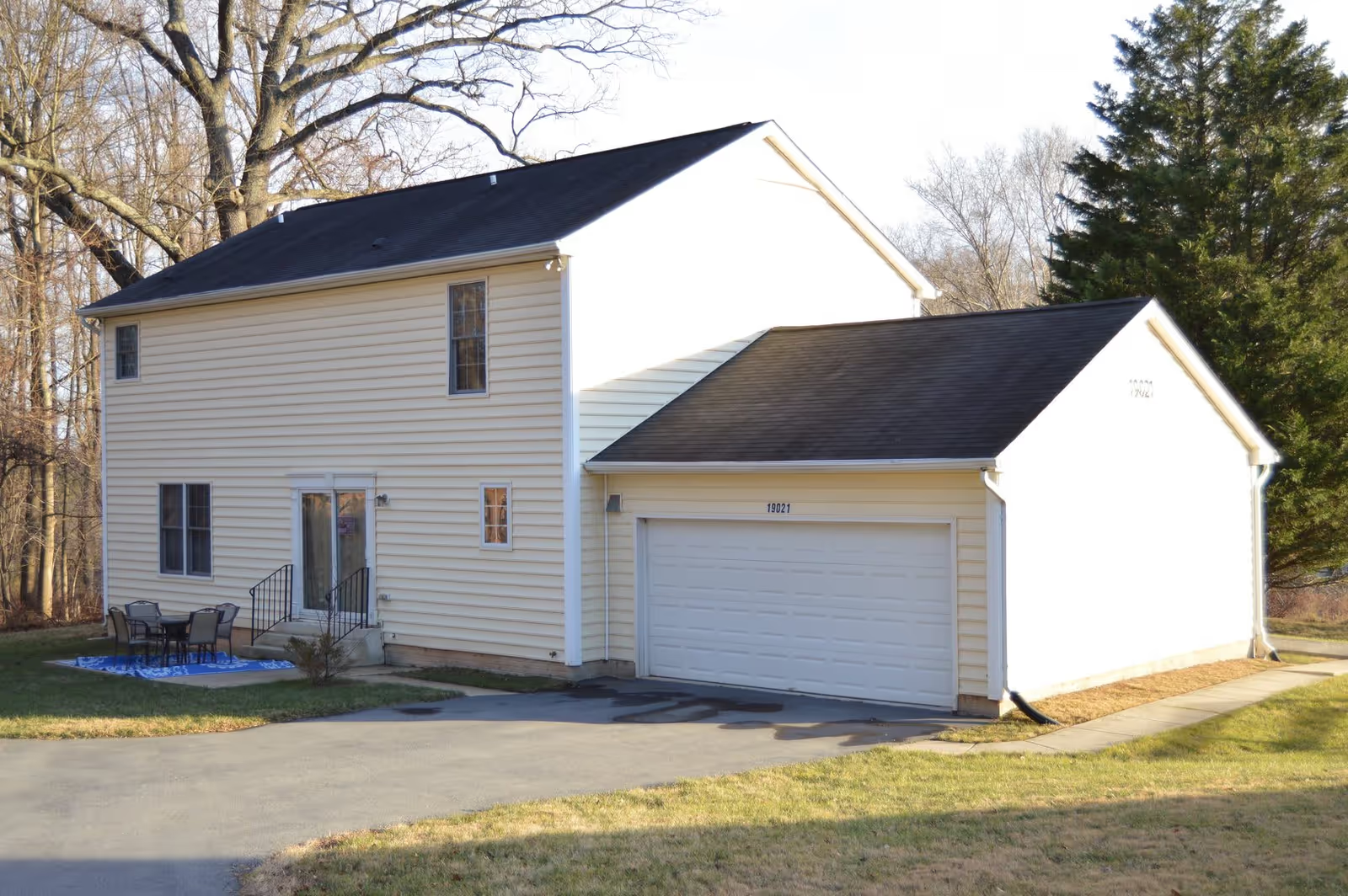
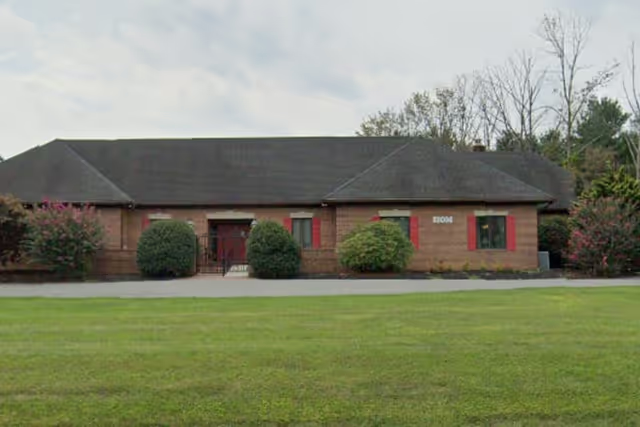
Loving Hands Assisted Living is consistently described as a small, residential-style facility that emphasizes a home-like atmosphere and personalized attention. Reviewers highlight warm, compassionate staff and a friendly culture; the setting is characterized as comfortable and welcoming, with staff who engage directly with residents. The small-group model appears to support individualized care and close staff–resident relationships.
Care quality is generally portrayed positively. Families report attentive caregiving and responsive staff, and reviewers noted that medication issues raised on admission were handled through coordination with physicians resulting in adjusted regimens. That pattern suggests an overall willingness to work with outside clinicians, though the initial medication reconciliation process may be uneven in some cases. Prospective families may wish to ask specifically about the facility’s intake medication review and ongoing clinical oversight.
Dining and social life are described as strengths. Home-cooked meals and family-style dining contribute to the home-like feel, and the community marks birthdays and holidays, which supports social engagement. Activity programming appears oriented toward small-group, community-focused events rather than larger institutional offerings; this is consistent with the residential scale and may appeal to residents seeking a quieter, domestic environment.
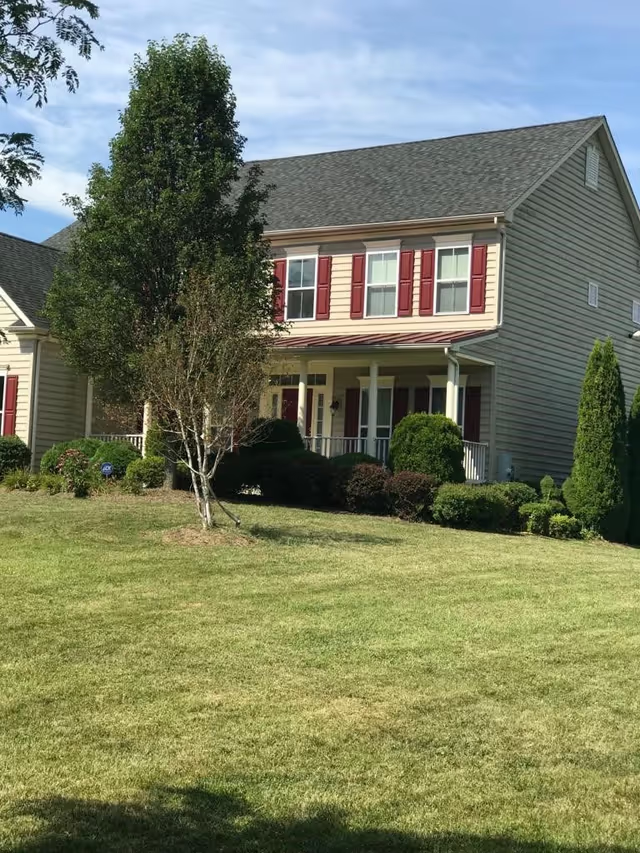
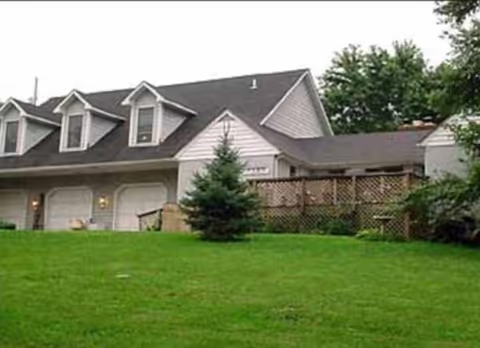
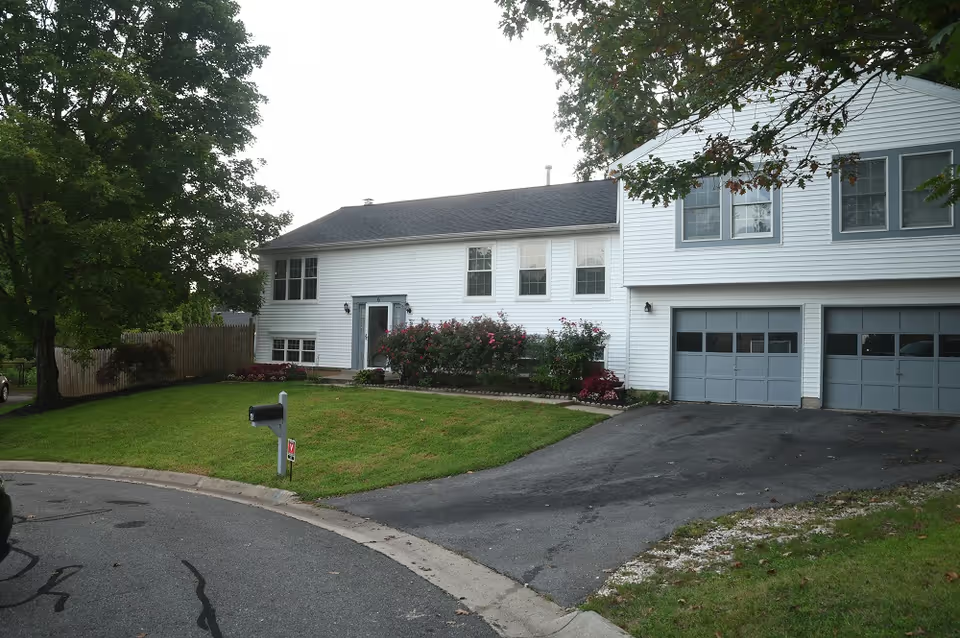
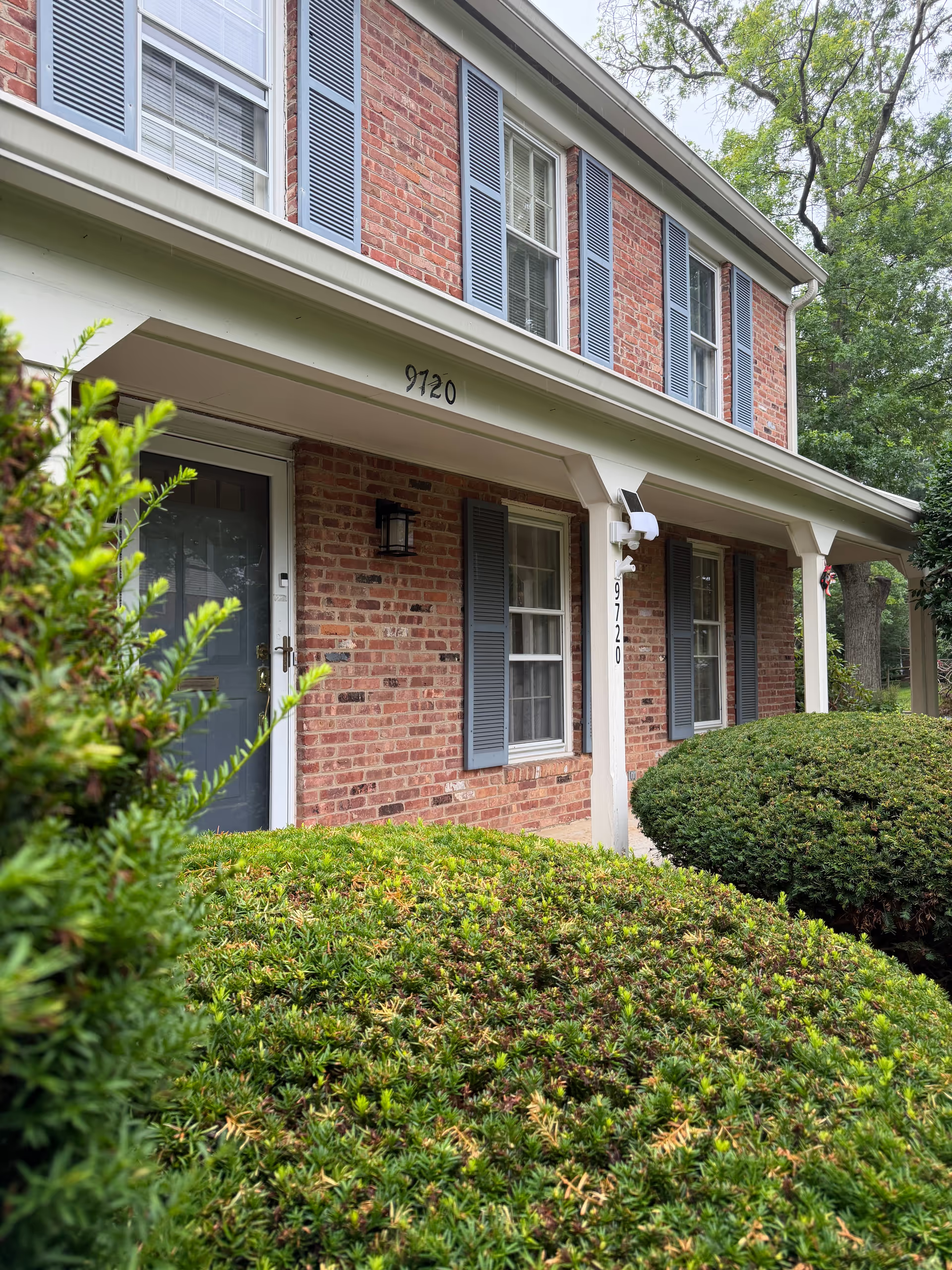
The physical plant and amenities are noted as well maintained. Reviewers mention cleanliness, large resident rooms, and an outdoor yard and garden that enhance quality of life. The neighborhood setting is residential rather than institutional, reinforcing the homelike character. Management practices that are visible to families include transparent pricing and an emphasis on clearly communicated costs.
Notable patterns: strong interpersonal care and a well-maintained, home-like environment are recurring positives. The primary operational concern that emerges is variability in the admission medication-assessment process; while the facility has demonstrated the ability to collaborate with physicians and correct medication plans, families should verify protocols for medication reconciliation and available clinical resources. Given the small size, on-site specialized clinical services may be limited, so clarification about access to outside clinicians and emergency procedures is advisable.