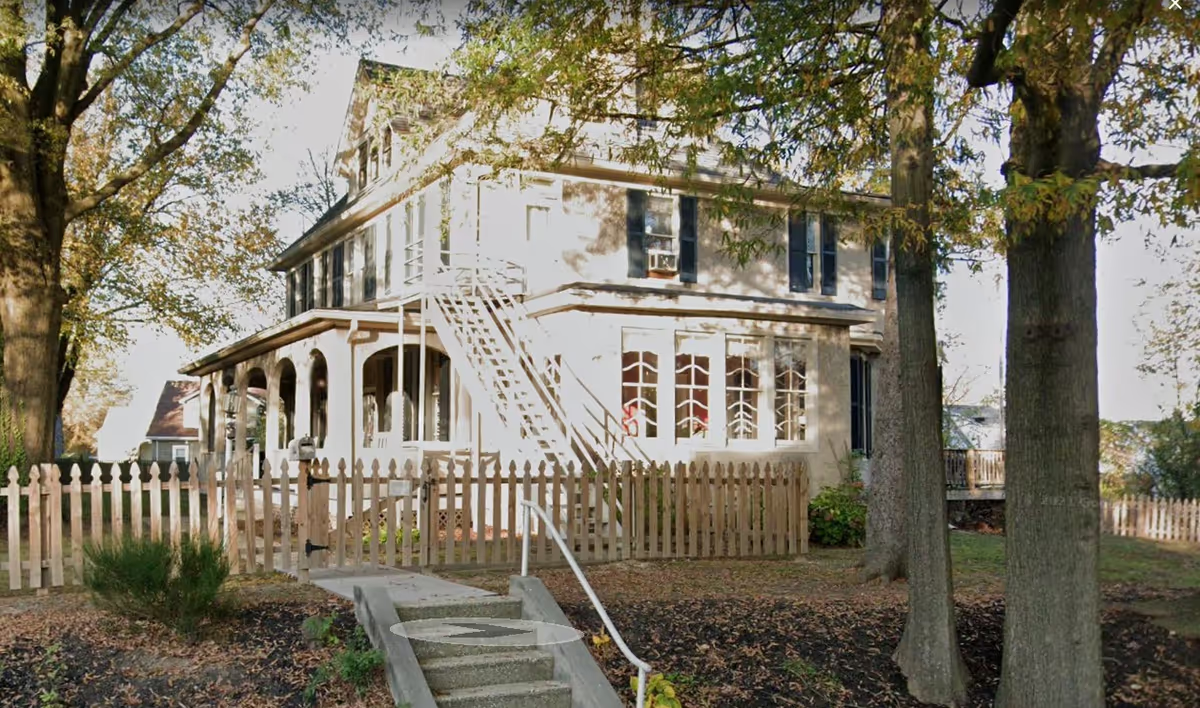
College Manor presents as a family-owned assisted living with a strong emphasis on a home-like environment and individualized resident dignity. Many reviewers highlight the facility's historic Gothic Revival architecture, a stained-glass multipurpose room, and well-tended grounds with a calming stream. These physical attributes, combined with comfortable, well-appointed rooms and a personalized move-in process, create a welcoming setting that several families described as warm and familiar.
Staffing and daily care are frequent points of praise: numerous accounts note long-tenured, attentive employees who provide compassionate, individualized care, strong emotional support at end of life, and a generally respectful tone toward residents. The facility is frequently described as having attentive nursing and a supportive household staff, with examples of prompt assistance and staff who treat residents like family. At the same time, a number of families raised operational concerns about inconsistent responsiveness—particularly overnight—and gaps in clinical oversight. These issues are described as intermittent but substantive: delays in attending to personal-care needs, inconsistent bathing or bedding changes, and situations suggesting insufficient night supervision or staffing coverage.
Dining and activities are strengths for many residents. Several reviewers cited fresh meals, breakfast delivered to rooms, and communal lunches and dinners as positive daily features. The activity program is described as varied and engaging, including bingo, movies, games, live musicians, and special entertainers; these offerings contribute to social life and resident satisfaction. However, reviewers also describe variability in meal quality and occasional service lapses, and some noted disorganization in activity scheduling and calendars that were not consistently updated or well-communicated.
Facility management and operations show a mixed pattern. The family-owned management style is frequently viewed positively for its personal touch, communication during move-in, and overall warmth. Conversely, other accounts point to organizational disorganization, uneven staff professionalism, and maintenance issues, including pest-control concerns and unaddressed repairs. Clinical management concerns were also raised by families who felt medical oversight or nursing follow-through could be improved. Cost was cited as a consideration by some families who felt the price did not always align with their expectations of consistency in care and operations.
Overall, College Manor appears to offer a strong, homelike environment with many committed long-term staff, active programming, attractive historic spaces, and supportive end-of-life care. Prospective residents and families should weigh these strengths against reported variability in night supervision, personal-care consistency, clinical oversight, and maintenance responsiveness. When evaluating the community, it may be helpful to ask about staffing levels and overnight supervision, incontinence- and bedding-change protocols, clinical oversight arrangements, pest-control and maintenance schedules, sample menus and meal-service procedures, and how activity calendars are maintained and communicated.