Overall impression: Inspirations Memory Care of Lutherville is described by many families as a small, well-decorated memory-care community with a bright, home-like interior and updated furnishings. Reviewers commonly praise the caregiving staff for being warm, personable, and communicative on routine matters; families cite examples of staff keeping them informed, facilitating phone contact, and adapting meals to resident preferences. The facility offers structured programming—music, bus outings, and a posted activities calendar—and also hosts volunteer events and social activities that some residents and families find meaningful.
Care quality and clinical oversight: Several accounts describe attentive nursing follow-up and physician availability, and some residents experienced measurable health improvements after placement. Staff responsiveness in acute situations (for example, falls) is highlighted as a strength. At the same time, other families raised concerns about delays in basic personal-care tasks and inconsistencies in day-to-day assistance. These concerns cluster around timeliness of bathing and toileting assistance and indicate variability in how personal-care needs are met. There are also notes about unclear or inconsistent staffing ratios; prospective families should ask about current staffing levels, shift patterns, and back-up protocols during a tour.
Dining and nutrition: Dining impressions are mixed. Positive comments include a flexible approach to meal preferences, an appealing menu for some residents, and examples of weight gain or improved appetite after admission. Conversely, there are recurring mentions of variable meal quality and appetite support for others, and specific concerns about the dementia-unit dining setup. Families should observe mealtimes in both assisted-living and memory-care dining areas to evaluate portioning, assistance, and the dining environment for residents with cognitive impairment.
Activities and social programming: The facility offers an activities program that includes music, outings, and a printed calendar; several families appreciated these offerings and reported their loved ones engaging well. Other accounts described limited activity frequency or low programming intensity in practice. Activity levels appear to vary by unit and by day; ask for a current weekly schedule and opportunities for individualized engagement during a visit.
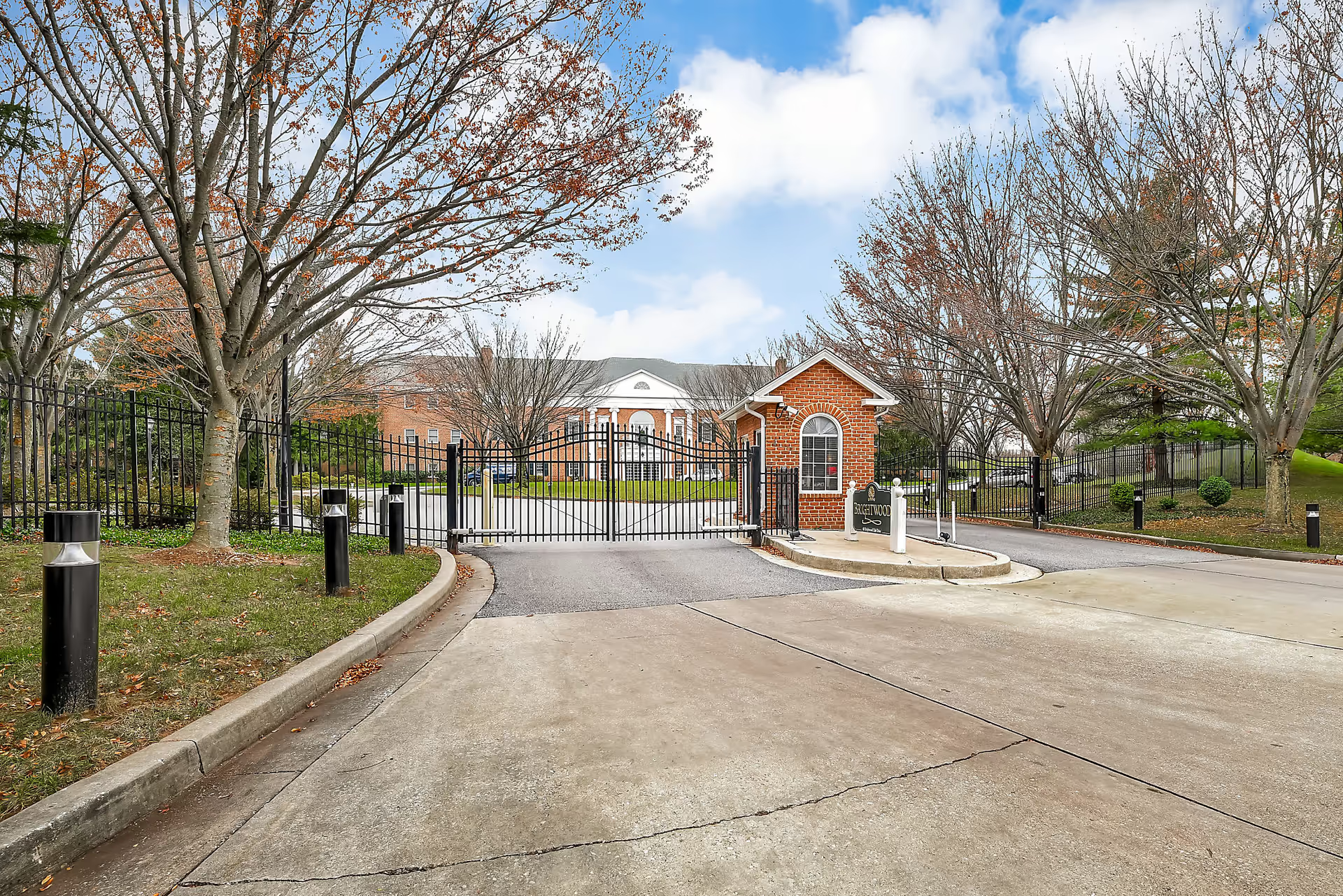
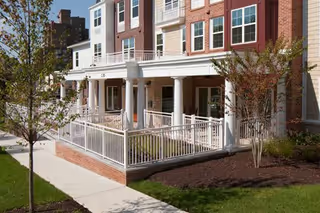
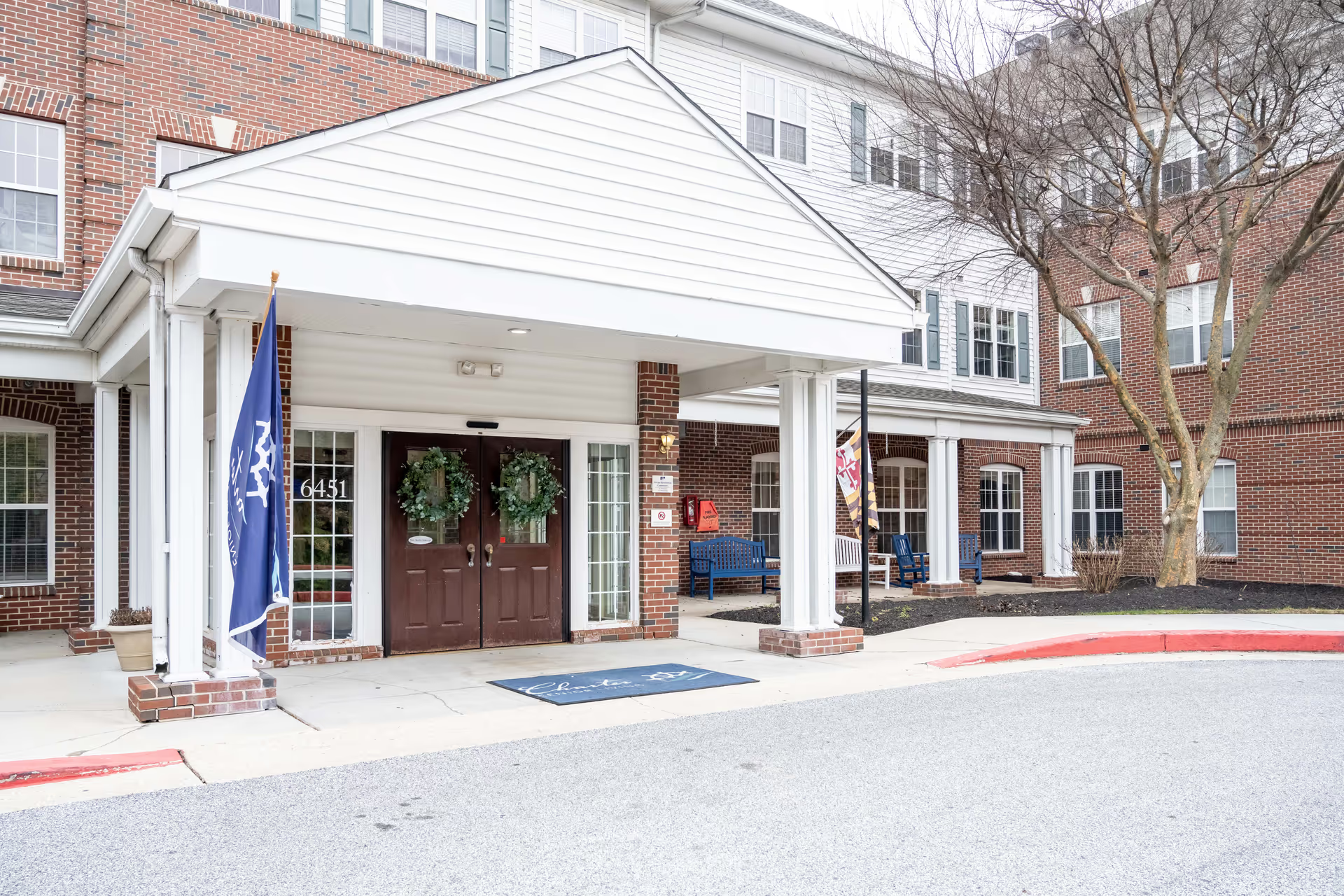
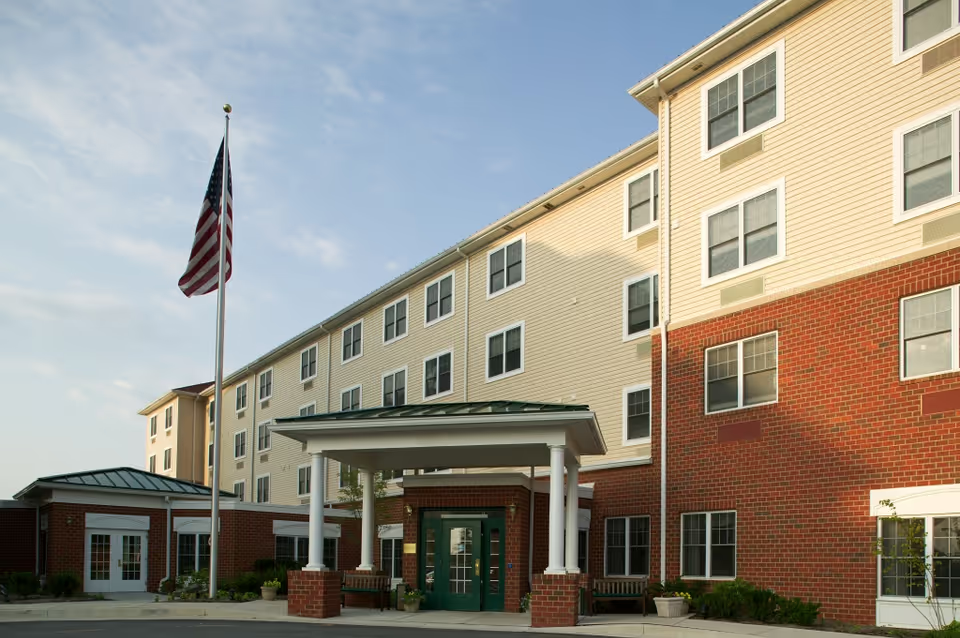
Facilities and housekeeping: Many reviewers describe the community as clean, beautifully maintained, and attractively decorated with ample outdoor space. At the same time, some raised sanitation and odor concerns specifically in portions of the memory-care area and noted a need for minor repairs or renovations in places. Housekeeping consistency appears to be an operational weakness in certain instances, so it is important to inspect both public spaces and resident rooms and to inquire about housekeeping schedules and odor-management procedures.
Management and communication systems: Families report both strengths and limitations in administrative communication. Positive points include helpful admissions overviews and proactive RN outreach. Areas for improvement include intermittent administrative availability (director presence) and inconsistent physician–family communication. The facility’s electronic medical-portal system was described as difficult to use or unsatisfactory by some family members; prospective residents should ask about alternative communication pathways and portal training. A transition in ownership was mentioned and may contribute to perceived operational uncertainty; clarify any recent policy or staffing changes during a visit.
Notable pattern and takeaway: Reviews show a polarized pattern—many families describe very positive, supportive care experiences, while others raised serious operational concerns about timeliness of personal care, housekeeping consistency, and meal quality. Those differences suggest variability in day-to-day execution rather than uniform facility character. For decision-making, visit during mealtimes and activity periods, request current staffing ratios, review the dementia-dining setup, ask to see recent housekeeping logs, and speak directly with nursing leadership about physician communication and portal access. Checking references from current families and observing routine operations in both assisted-living and memory-care units will help clarify whether the facility’s strengths align with your expectations and needs.