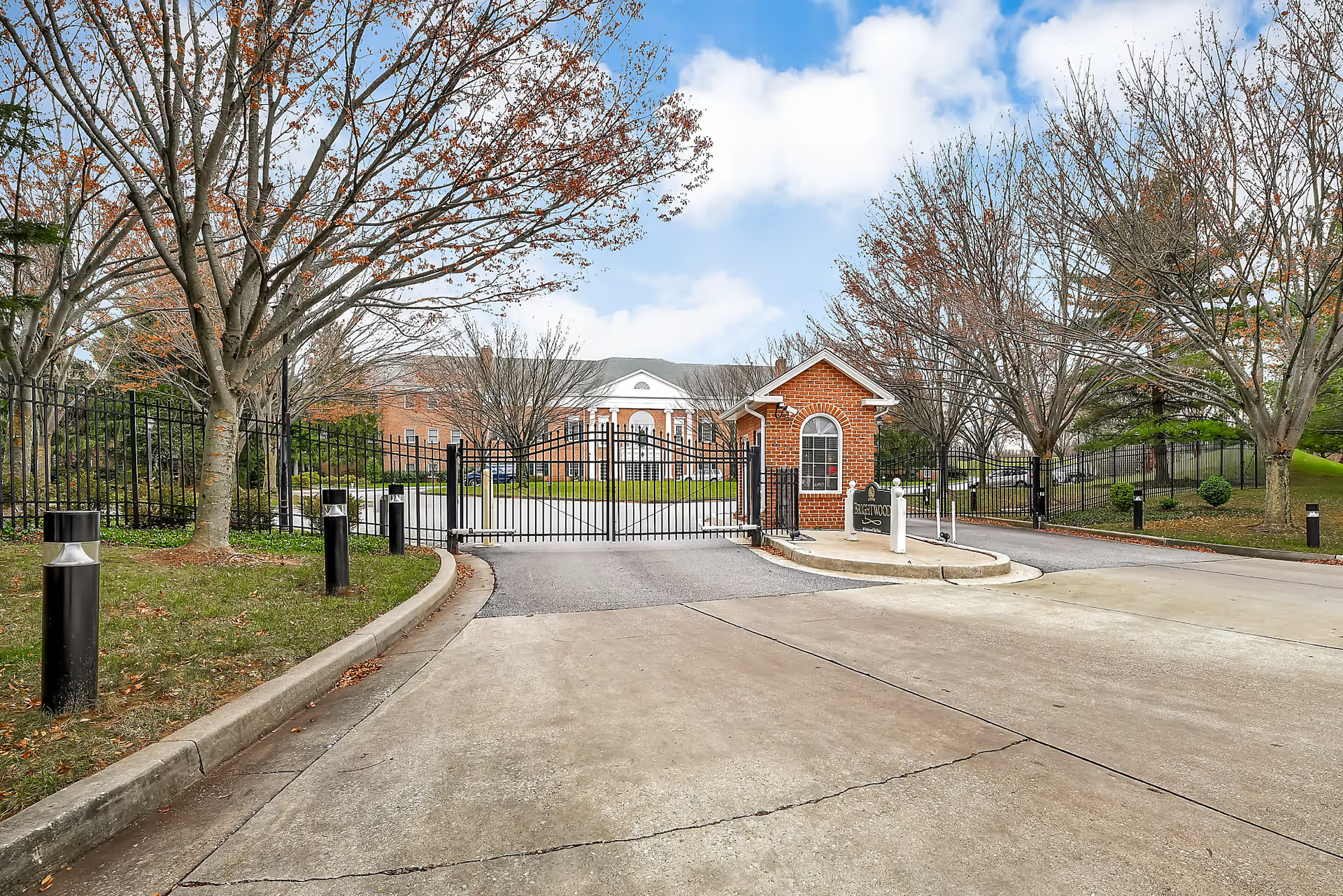
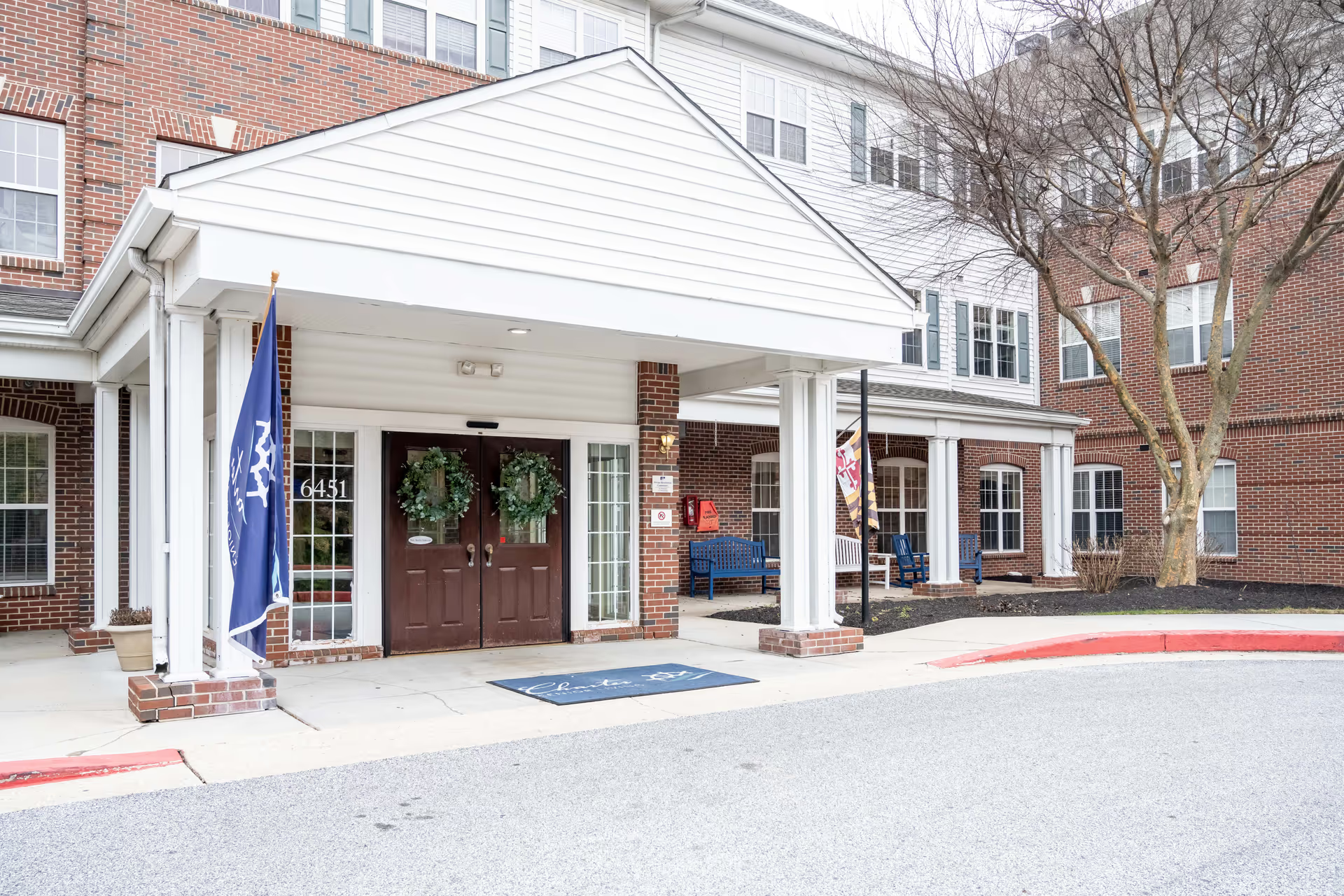
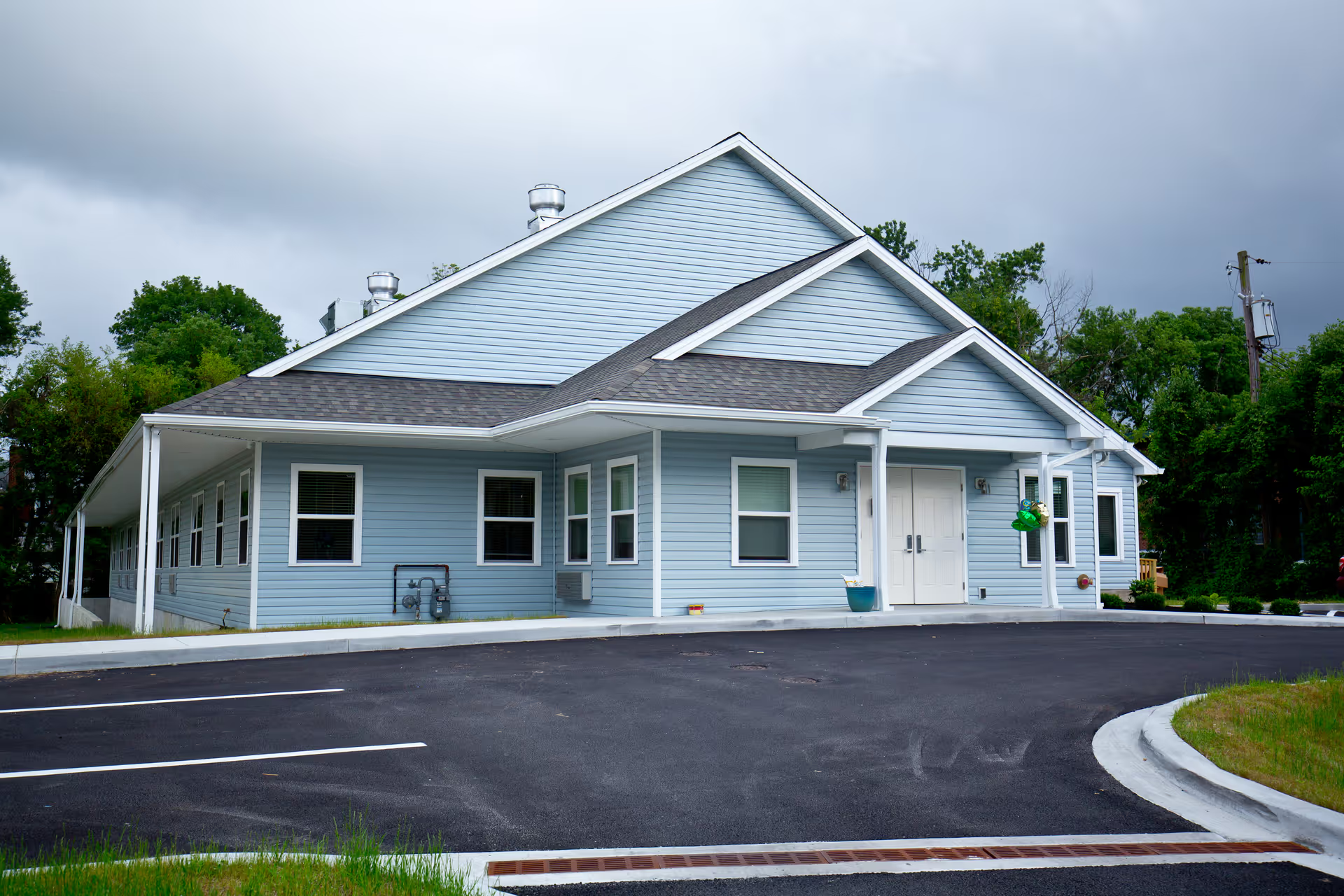
The body of feedback for this Advanced Rehab facility is highly mixed, with a consistent pattern: therapy services and certain staff roles are widely praised, while operational and clinical-support functions show notable variability. Physical, occupational, and speech therapy are repeatedly described as effective, knowledgeable, and outcome-focused; many families attribute functional improvement and successful discharges to the rehabilitation team. Dietary services also receive positive mentions when meals are customized and presented well. Front-desk/guest services and some case-management staff are frequently identified as helpful and communicative.
Conversely, recurring operational weaknesses emerge. Staffing shortages and uneven coverage are a dominant theme and are associated with long waits for assistance, delayed medication administration (including pain medications), and inconsistent incontinence- and bathing-related care. These staffing constraints appear linked to safety concerns such as delayed transfers, prolonged waits for toileting assistance, and occasional falls. Several reviewers described delayed or incorrect wound-care and dressing changes, indicating variability in clinical follow-through across nursing shifts.
Housekeeping, maintenance, and environment are another area of concern. Multiple accounts describe cleanliness issues, odor concerns in some areas, lapses in housekeeping routines, and isolated pest-control or maintenance problems. These observations coexist with reports of clean, well-maintained rooms in other cases, suggesting uneven implementation of environmental protocols across units and shifts. Facility infrastructure is described as dated in places, with needs for repairs and better temperature/ventilation control.
Communication and management responsiveness are inconsistent. Families report that some concerns are addressed promptly and professionally, while others describe poor follow-through, slow supervisory responses, and confusion about medication or discharge planning. A number of reviews reference ownership or leadership changes tied to perceived declines in consistency and staffing. There are also isolated serious allegations and safety events that prompted formal complaints in some cases; these underscore the importance of verifying current corrective actions and regulatory status.
For prospective residents and families: this facility demonstrates clear strengths in rehabilitation therapy and in the performance of specific staff members or departments, and some stays are described as compassionate and well-managed. At the same time, there is a pattern of variability in nursing responsiveness, medication administration, housekeeping, and leadership oversight. If considering admission, families should ask for current staffing ratios by shift, documentation of medication and wound-care protocols, examples of recent corrective actions for environmental and pest-control issues, and the facility’s processes for communicating with families about incidents and care plans. Touring units at different times of day and speaking directly with therapy and nursing leadership can help assess whether the operational concerns have been addressed.