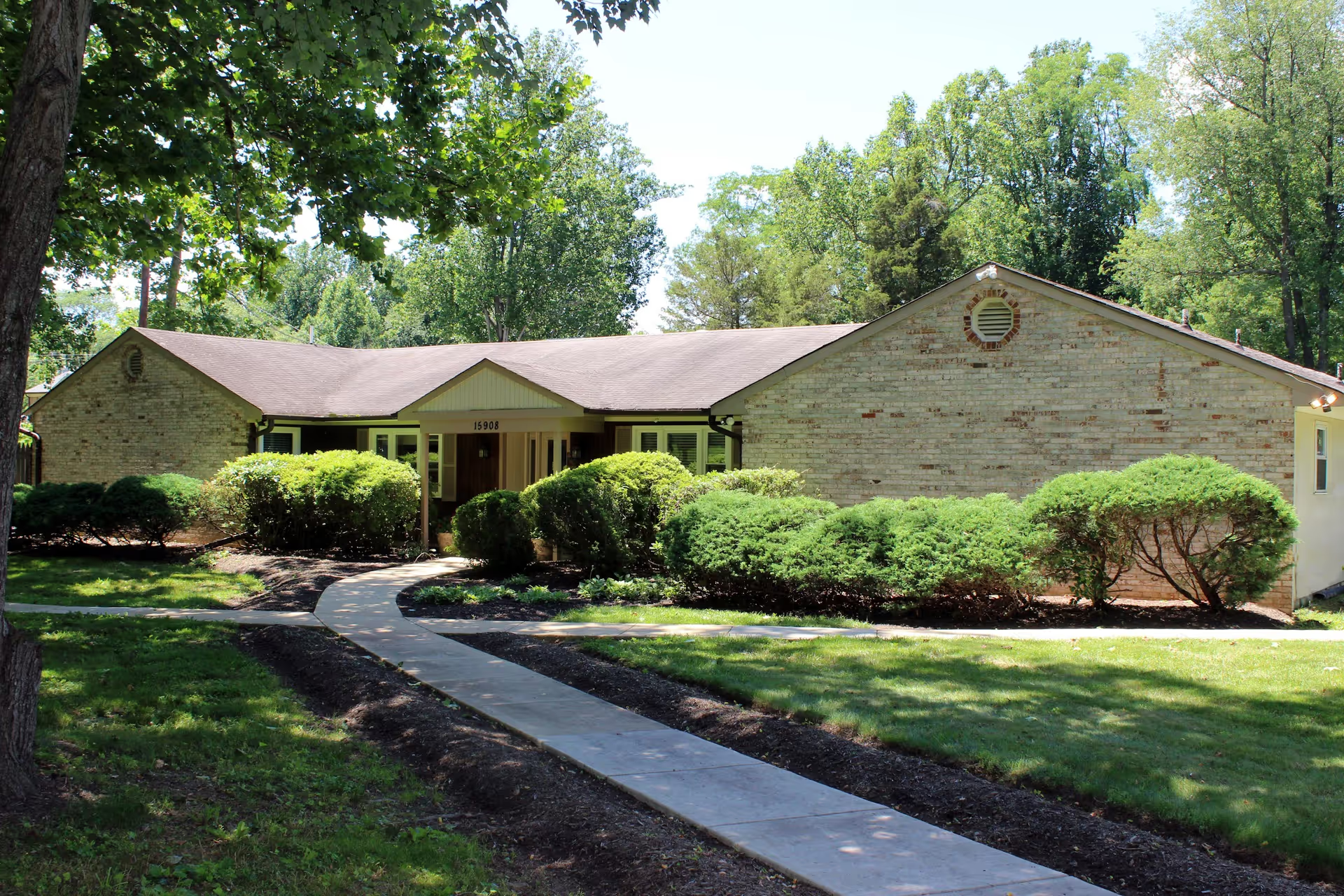
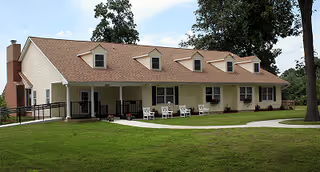
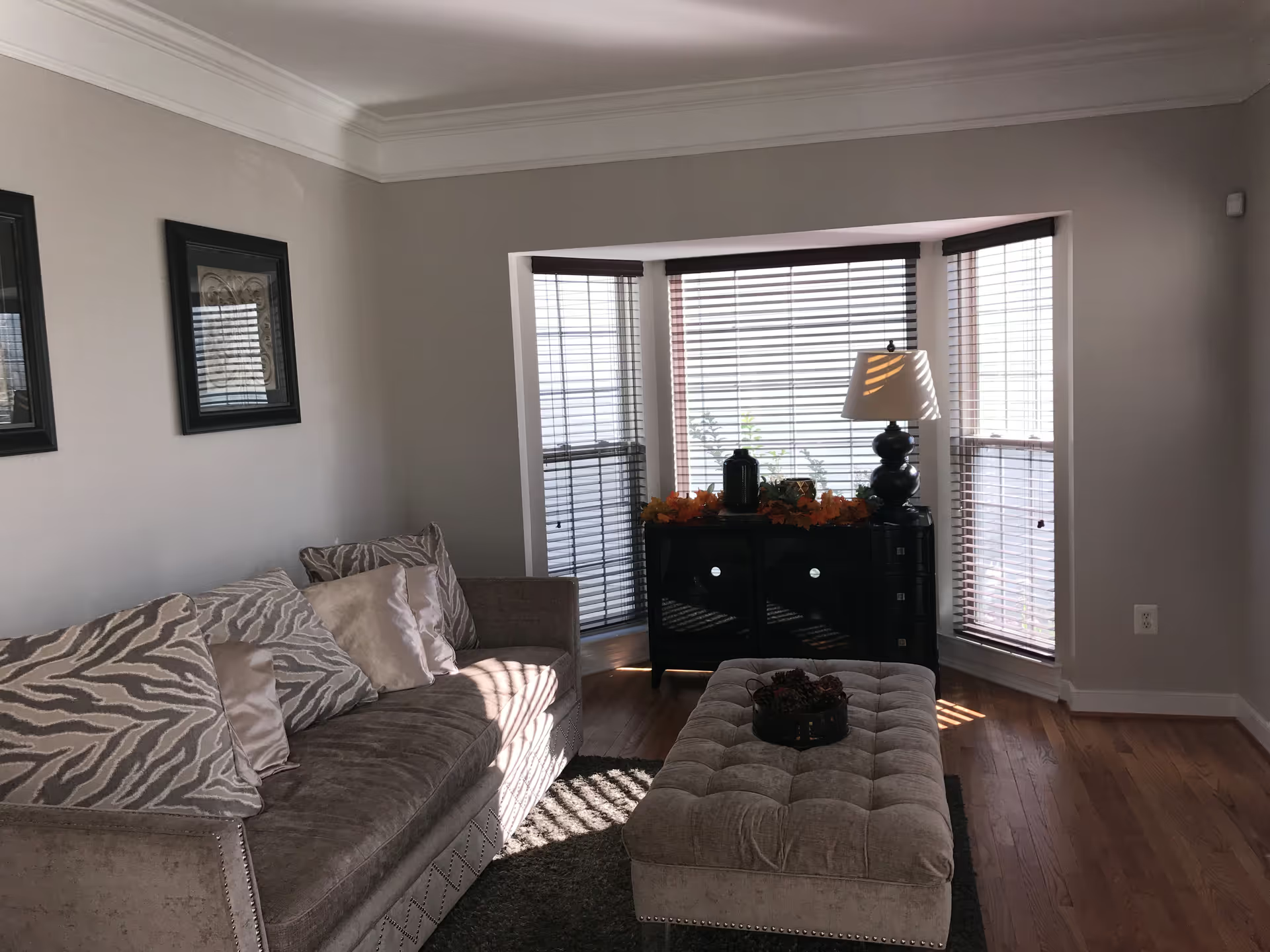
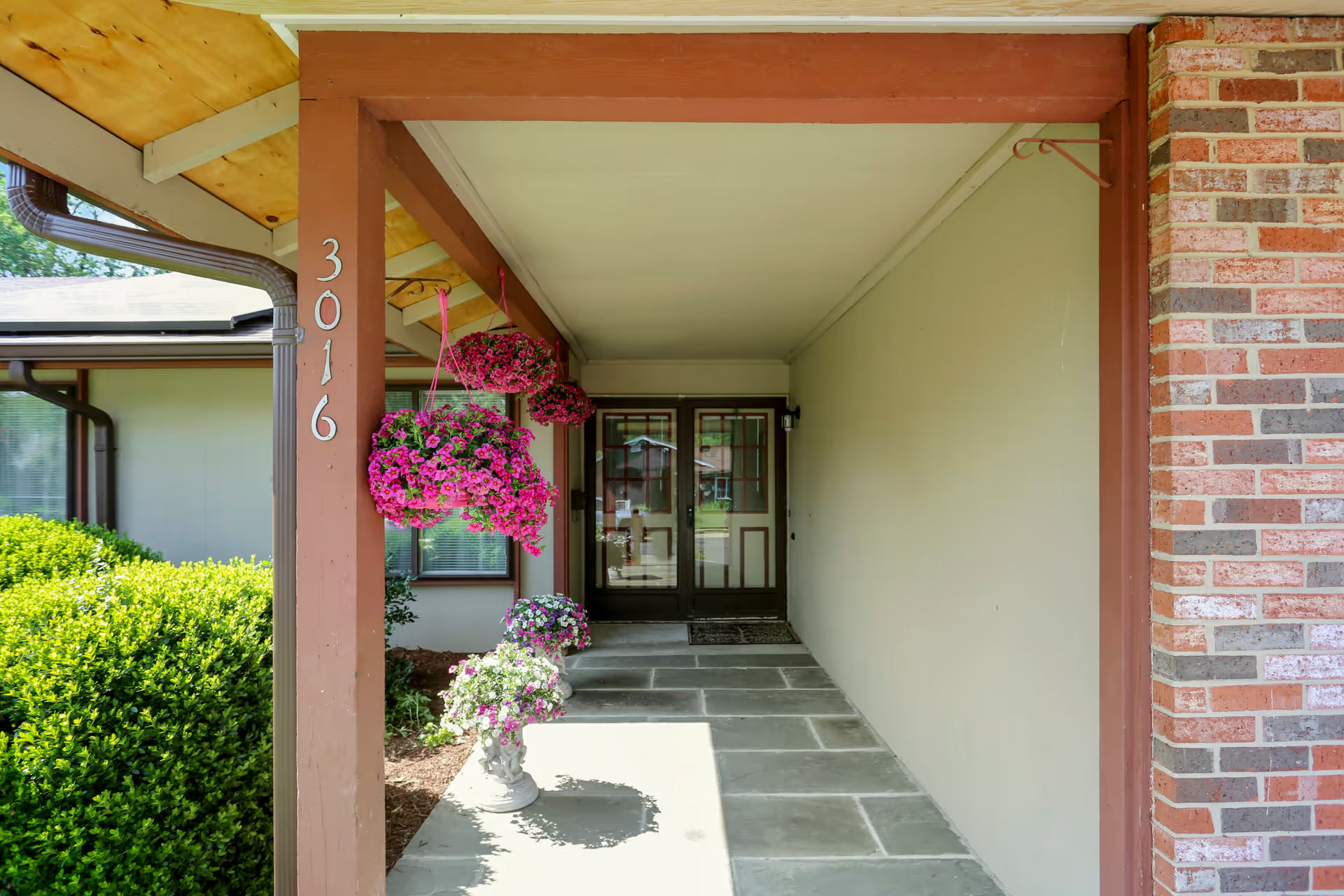
Overall impression: Families and visitors frequently describe Olney Memory Care by Artis as a dedicated, memory-care–oriented community with many strengths in clinical oversight, activities programming, and the physical environment. The facility is repeatedly characterized as bright, recently updated, and well maintained; single-occupancy rooms, private half-baths, and a secure, landscaped outdoor area are commonly cited as positive features. Many accounts highlight measurable improvements in resident mood and engagement after admission.
Care and staff: Reviewers consistently praise the caregiving team for dementia training, compassion, and attentiveness. Several comments emphasize 24/7 nursing and physician access, hands-on medical support, and strong end-of-life coordination. At the same time, a pattern of operational gaps emerges: medication-management lapses and occasional lapses in personal-item tracking (laundry and clothing accountability) have been reported, and some families describe a different level of attention during short-term respite stays versus long-term placement. Staffing levels and caregiver-to-resident ratios are praised in many reports but are also described as variable, and that variability can affect responsiveness and the ability to manage higher-acuity needs consistently.
Dining and housekeeping: Dining receives favorable notes for balanced, varied meals and dietary accommodations; reviewers mention an attentive chef and a small, social dining room that many residents enjoy. Housekeeping and overall cleanliness are often described positively, with a generally odor-free environment. However, isolated concerns about sanitation and incontinence-care consistency and specific laundry or personal-item handling weaknesses suggest that those operational processes may not be uniformly reliable across all shifts.
Activities and social life: Life-enrichment is a clear strength. The community offers a wide range of programs — exercise classes, music therapy and live musicians, arts and crafts, trivia, movie nights, ice cream events, and regular field trips — and staff members are singled out for creativity and involvement. These programs are described as meaningful contributors to resident engagement and improved wellbeing. Reviewers also note that the overall social atmosphere can be affected by the acuity mix of residents; when many residents have advanced dementia, peer-to-peer interaction may be limited.
Facilities and safety: The physical plant is generally lauded for being new, bright, and well kept; secure entry/exit and locked memory-care wings are repeatedly mentioned. Nevertheless, safety-related operational concerns appear in several accounts: wandering and fall incidents have been described in ways that imply room for improvement in prevention protocols and monitoring. Families seeking high levels of mobility supervision should discuss the facility's specific safety practices and staffing on different shifts.
Management and communication: Many families praise accessible leadership, informative newsletters, and regular family Zoom meetings that keep them connected. Others describe inconsistent follow-up, occasional unresponsiveness from staff, and worries about pricing or billing transparency. A few mentions of leadership turnover indicate that administrative consistency may vary over time. Prospective families should verify current management contacts, escalation pathways, and financial policies during touring and contracting.
Notable patterns and guidance for families: Olney Memory Care by Artis appears to deliver strong, dementia-focused programming, compassionate caregiving, and a pleasant physical environment that benefits many residents. Where prospective families should probe further: medication-administration safeguards, laundry and personal-item procedures, staffing levels across shifts (including respite care differences), fall- and wandering-prevention measures, and pricing transparency. Arranging a tour, meeting nursing leadership, and requesting descriptions of specific protocols (medication reconciliation, laundry tracking, shift staffing ratios, and visitation policies) will help clarify whether the operational practices align with a particular resident's needs.