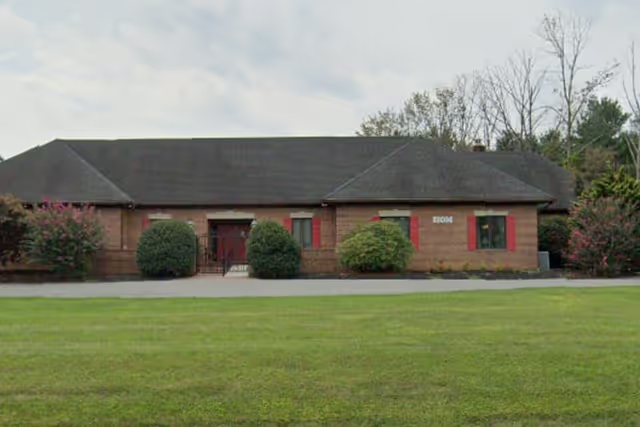
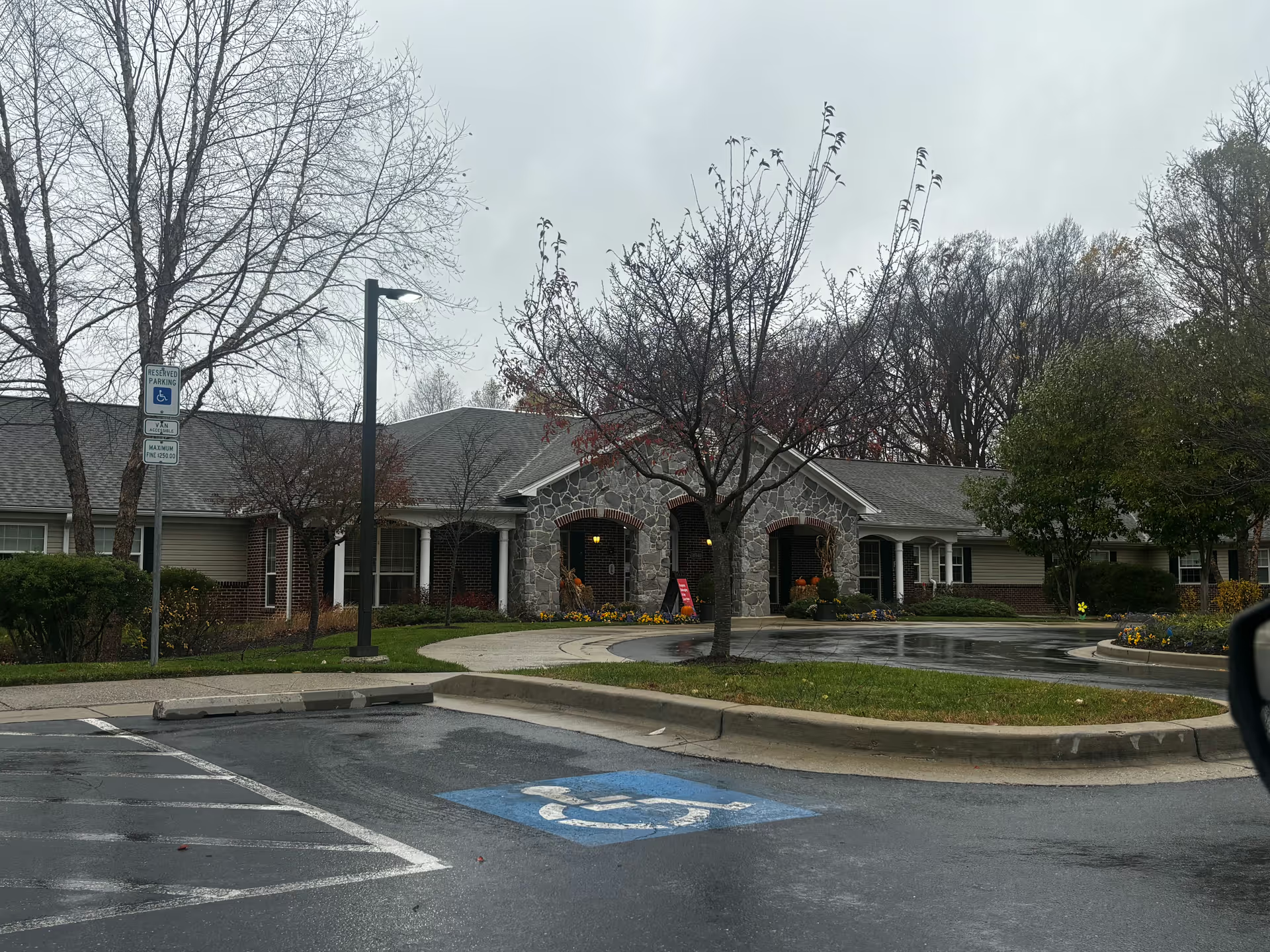
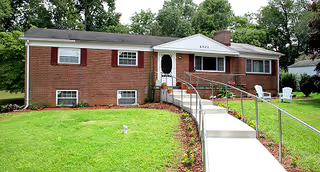
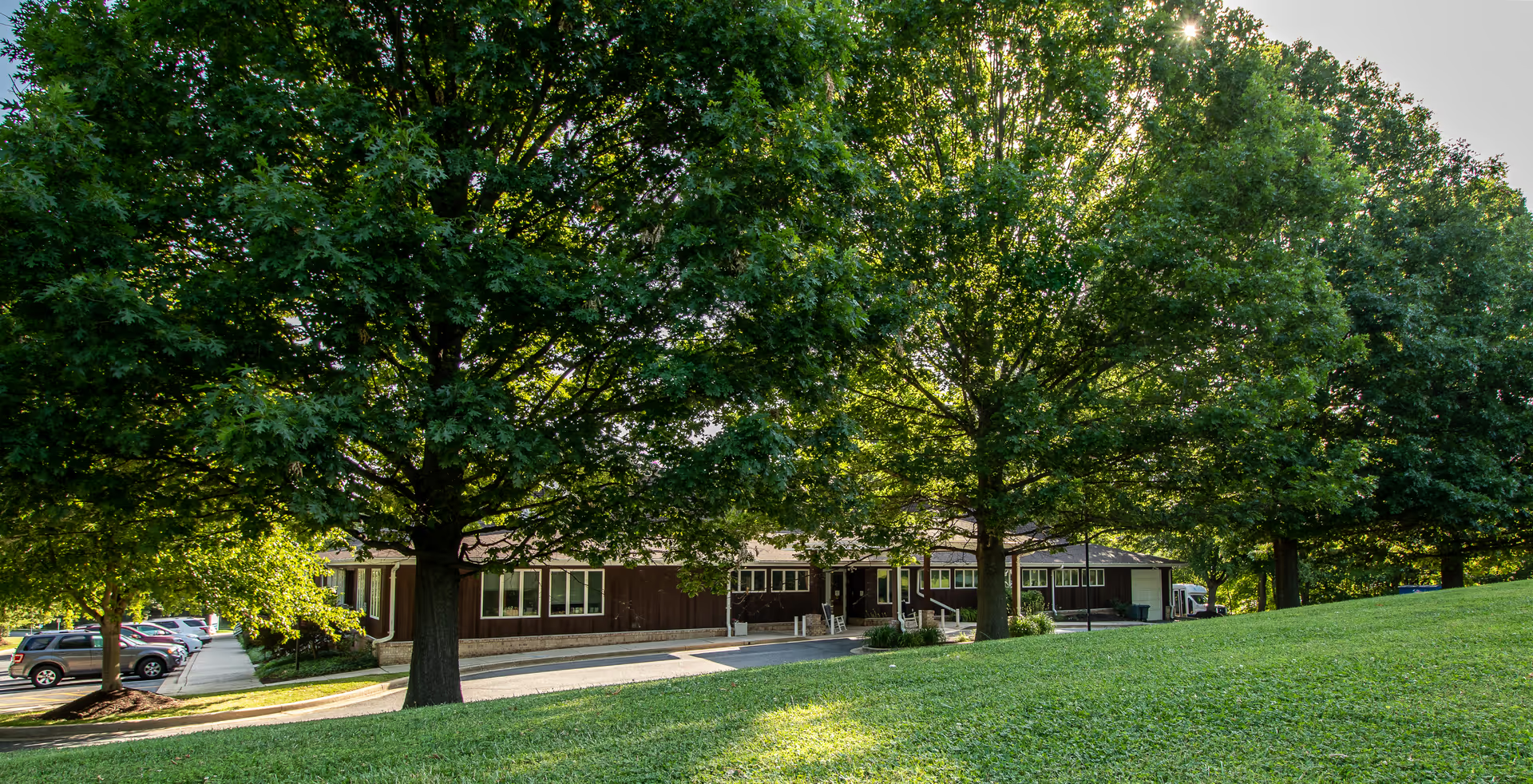
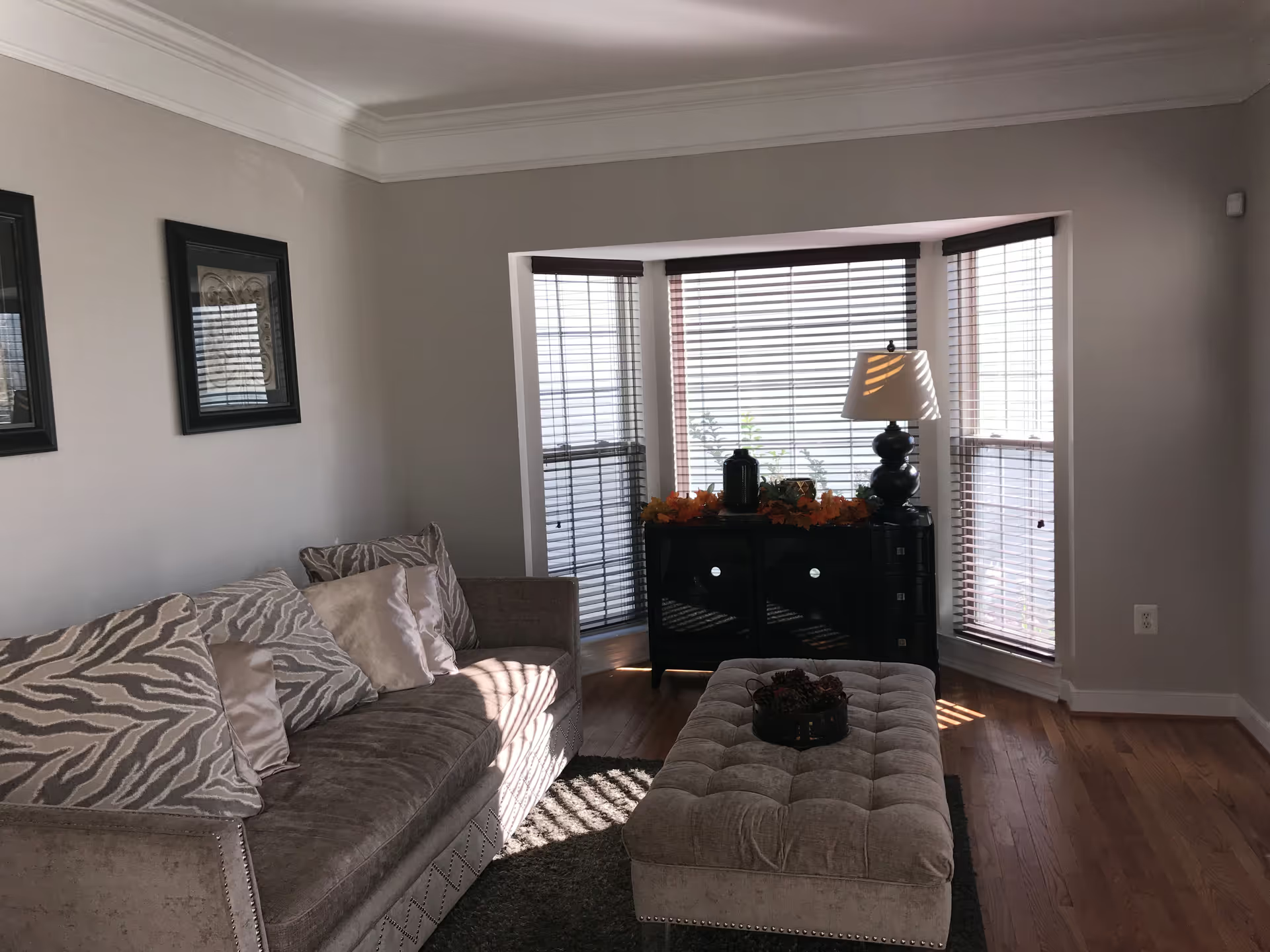
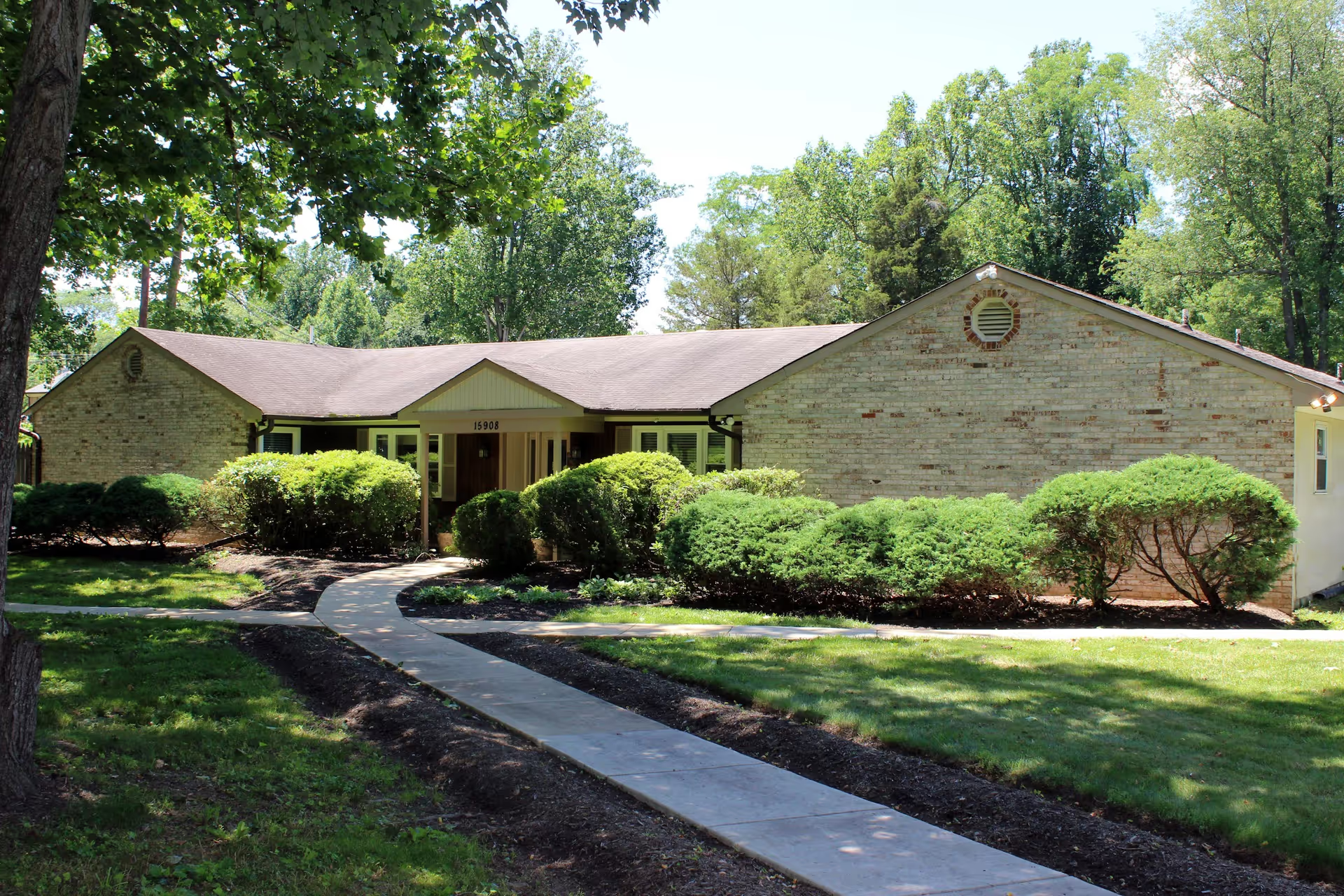
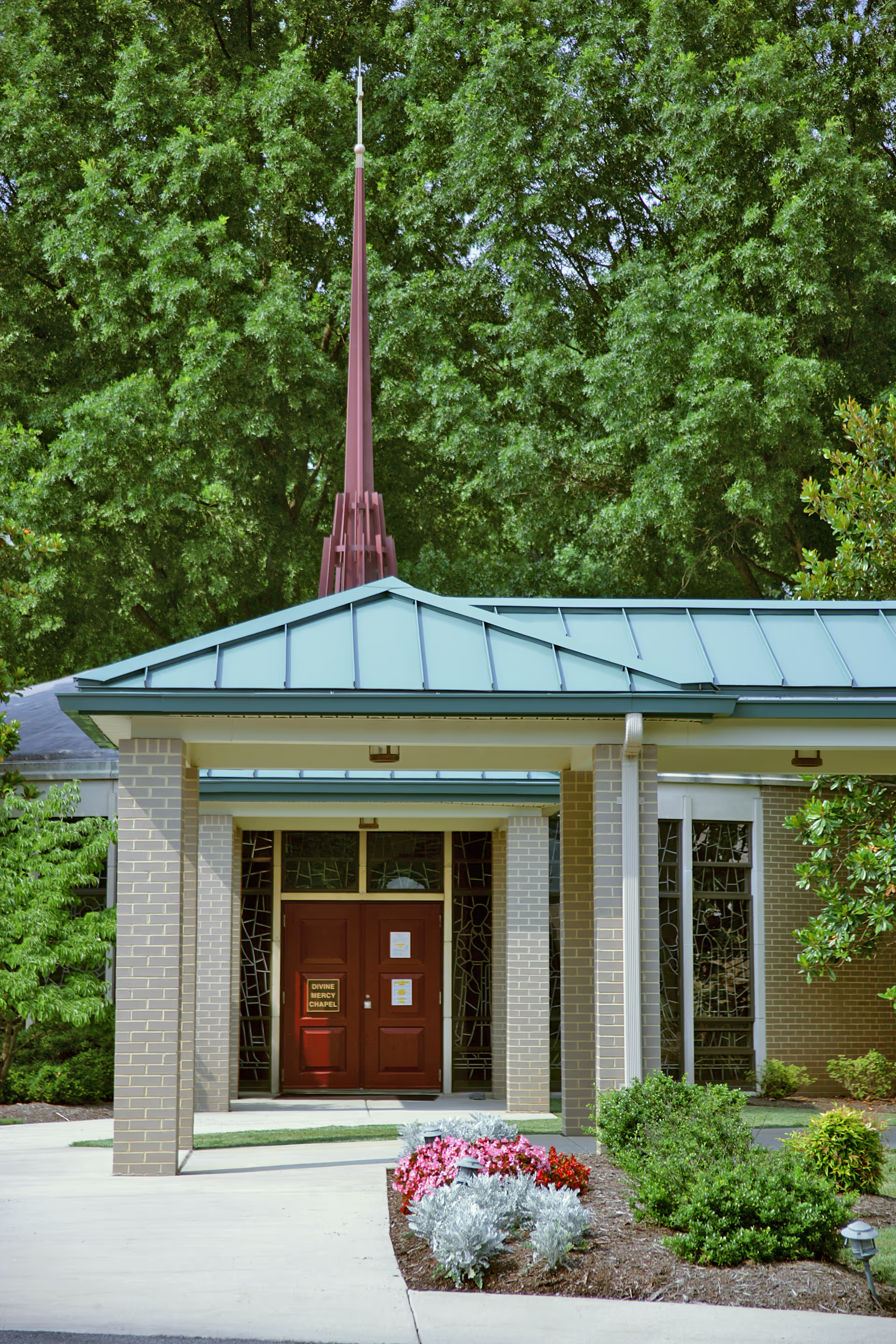
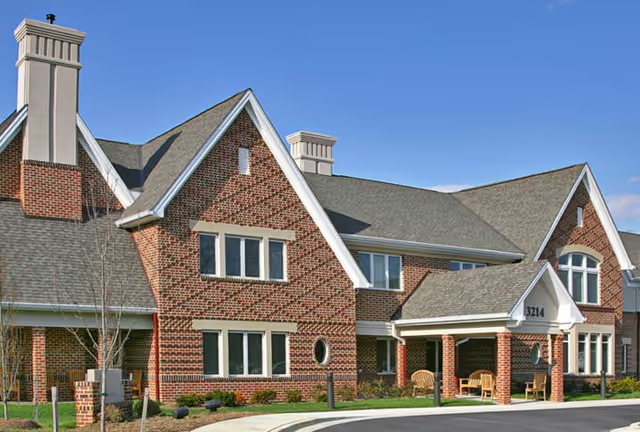
The reviewer summaries describe a small, home-like facility with many physical strengths: clean, updated interiors; spacious, well-furnished rooms; private bathrooms; and attractive grounds. Multiple accounts emphasize a close, intimate environment—an eight-resident scale in some descriptions—that supports individualized attention. Several families and residents praise compassionate, attentive caregivers who provide round-the-clock assistance with personal care, medications, and meals, and who convey a strong family-style approach to long-term and end-of-life care.
At the same time, the feedback shows notable variability in operational performance. While some families describe high-quality, home-style dining and regular social programming, others cite inconsistent food quality and failures to honor dietary restrictions. Activity offerings are similarly mixed: a number of residents participate in scheduled activities and appear engaged, whereas other accounts indicate limited stimulation or inconsistent programming. These contrasts suggest that daily resident experience can depend on staffing and shift-level practices.
Clinical and regulatory concerns are a recurring theme in the critical summaries. Patterns described include inconsistent clinical care practices, gaps in dietary and nutrition management, and limited dementia-specific knowledge among staff. Reviewers also raised concerns about documentation and compliance with state regulations. These items point to potential weaknesses in clinical oversight, staff training, and policy enforcement rather than isolated physical-plant issues.
Staffing and management practices appear to contribute to variability. Many comments highlight caring, flexible staff and an available house manager who communicates with families; concurrently, there are concerns about low staff morale, undercompensation, and overwork. Such workforce pressures can undermine consistency in caregiving, activities, and dietary accommodations. Management communication receives mixed marks as well—some families find managers responsive, while others describe concerns about tone and responsiveness.
Facilities and amenities are generally viewed positively for a small residential model: tidy common areas, an efficient layout, and a secure, safe atmosphere. However, limitations include constrained memory-care room options and the absence of dedicated exercise/gym facilities, which may matter for residents with more intensive activity or therapy needs.
For prospective residents and families, the pattern is mixed but distinct: AlfredHouse Elder Care offers a clean, intimate, and often compassionate environment that many families value for personalized, long-term, or end-of-life care. At the same time, there are operational traits that merit targeted inquiry before placement—specifically, ask about dementia-specific training, current staffing levels and turnover, how dietary restrictions are implemented, regulatory compliance and documentation practices, and the consistency of activity programming. Observing a typical shift, meeting direct-care staff, and requesting written care plans and dietary protocols can help assess whether the facility’s strengths align with an individual resident’s needs.