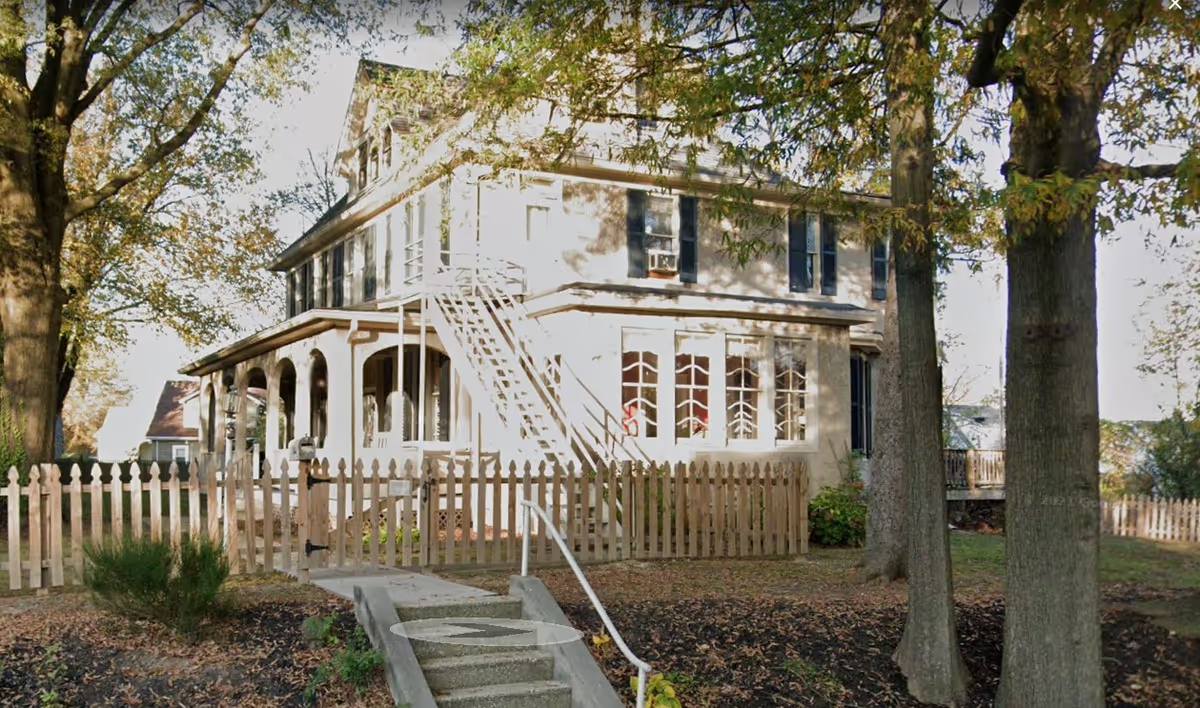
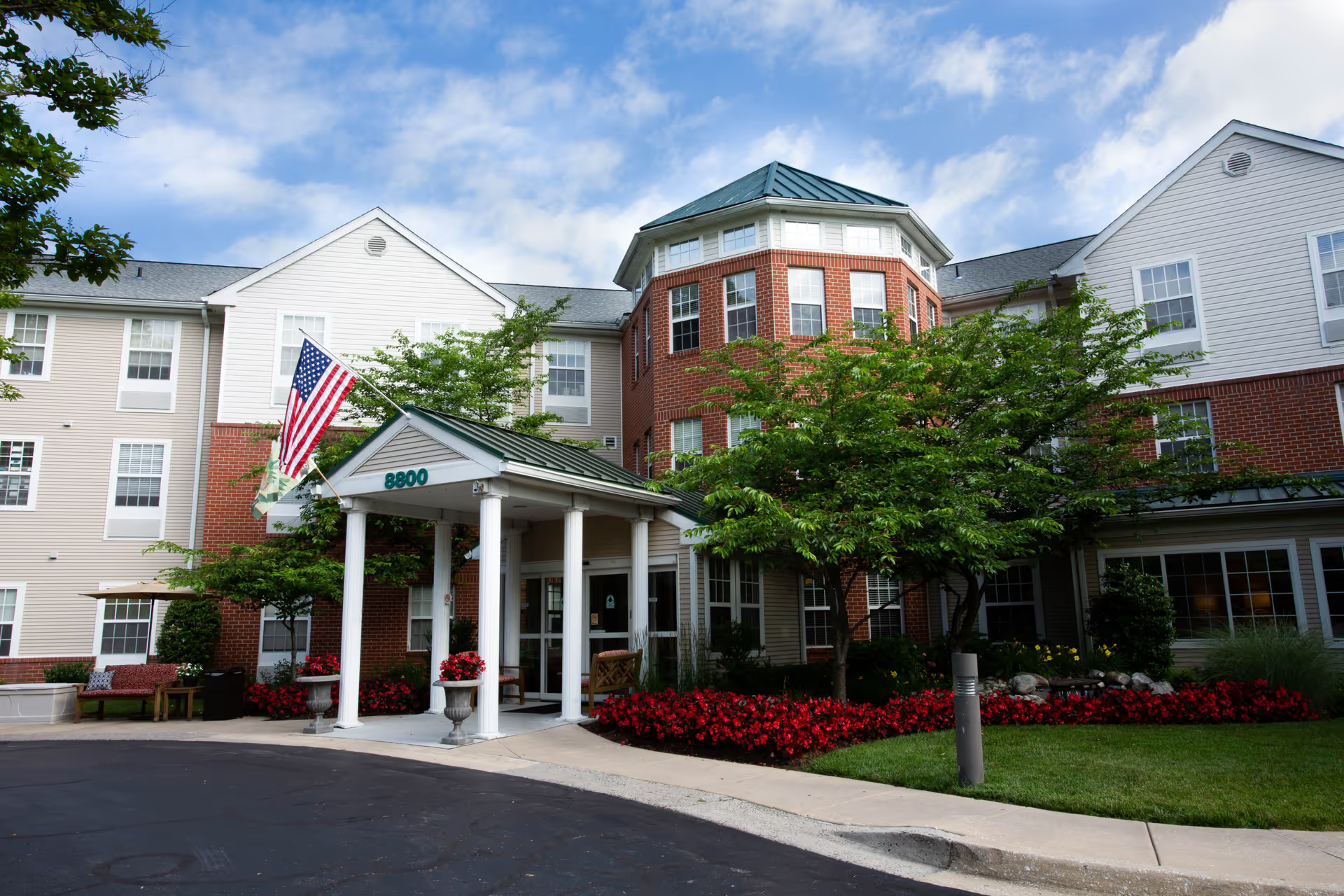
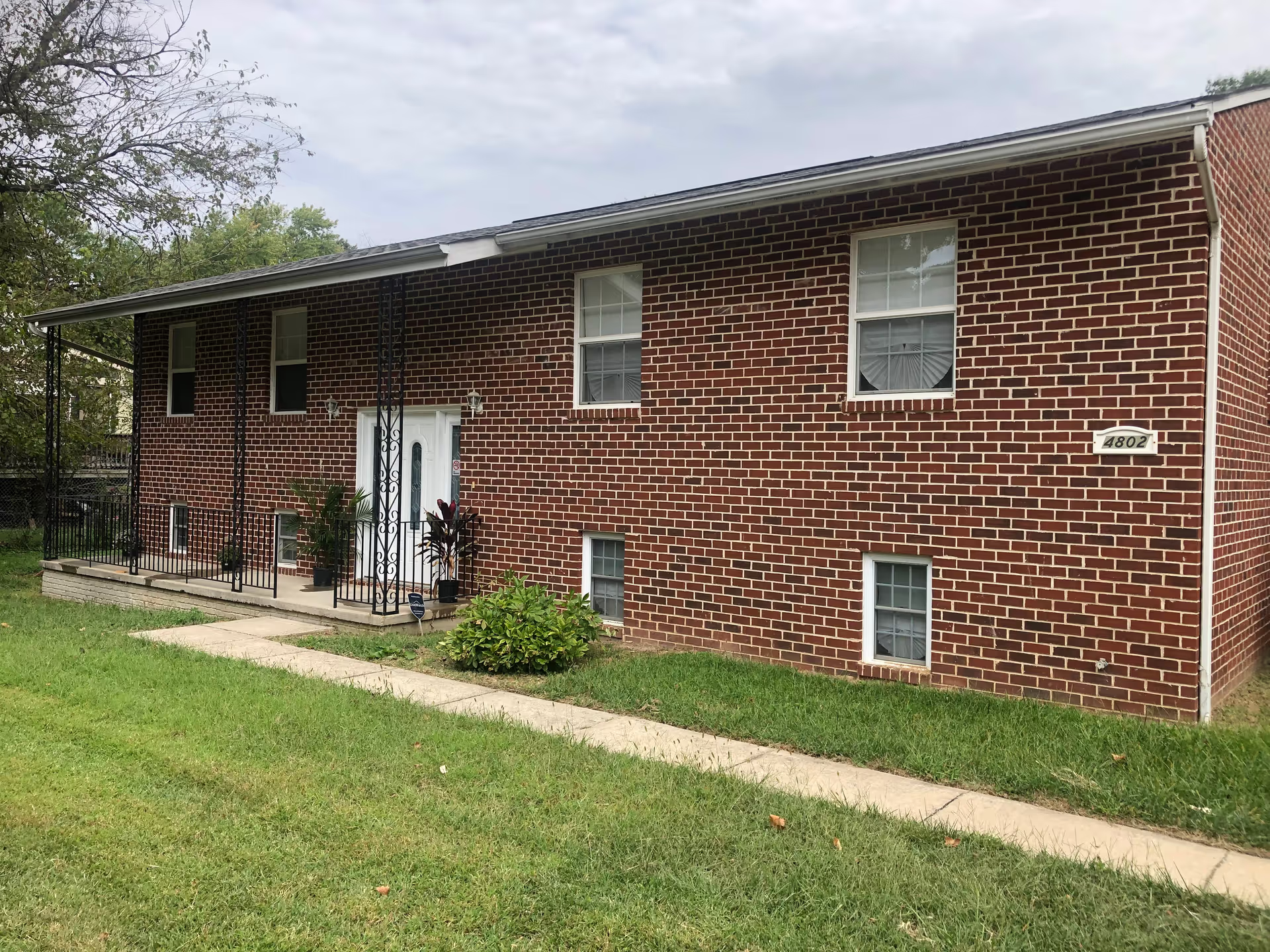
Autumn Lake Healthcare at Perring Parkway elicits a mixed but distinct pattern: many families praise the staff, the facility’s communal programming, and the rehabilitative services, while other families raise operational and clinical concerns that they say affect resident well‑being. Positive comments emphasize a warm, welcoming front desk, pleasant caregivers and nurses, active engagement in holidays and events, and short‑term rehab outcomes that helped some residents avoid readmission. Several reviewers specifically noted that common areas are kept clean and that staff can be attentive and supportive when advocacy is present.
Care quality shows divergence across reports. Families described attentive nursing and individualized care in many cases, including successful rehabilitation and therapy follow‑through. Conversely, other families reported delays in clinical responsiveness, difficulties arranging timely physician or specialist contact, and issues coordinating durable medical equipment and hearing devices. These accounts suggest variability in clinical oversight and the need for proactive family advocacy to secure consistent medical attention.
Staffing and staff conduct present a mixed picture. Numerous reviews praise caring, efficient caregivers and management that goes above and beyond. At the same time, reviewers described inconsistent responsiveness (particularly across different shifts), variable communication tone, and what appear to be high turnover and reliance on lower‑paid assistants for frontline tasks. These patterns point to uneven staff continuity and a risk of inconsistent resident experience depending on staffing and shift assignment.
Dining, activities, and daily life are generally cited as strengths in many reviews: there are repeated references to community events, social programming, and family‑oriented celebrations that enhance resident engagement. Dining quality is more variable; some families find the food satisfactory or good most days, while others find it inconsistent. Transportation and appointment scheduling for outside medical visits and therapy were specifically called out as areas needing improvement.
Facility maintenance and sanitation are areas of concern for some families. While many reviewers describe a clean, odor‑free environment and daily housekeeping, others raised specific sanitation and infection‑control concerns in resident rooms and bathrooms and reported inconsistent personal‑care routines such as bathing and incontinence assistance. These contrasting impressions indicate uneven adherence to housekeeping and infection‑control practices across units or shifts.
Management and communication show both strengths and weaknesses. Positive feedback highlights approachable administration and staff who welcome family involvement. Criticisms focus on delayed or ineffective communication with families and outside providers, billing pressure, and at least one set of allegations concerning online reputation management. Family advocates advising placement here should expect to monitor clinical follow‑up, medication administration, and personal‑care routines closely and to maintain regular communication with the care team.
Overall, Autumn Lake Perring Parkway appears to provide effective social programming and can deliver compassionate caregiving and rehab services, but there are consistent signals of operational variability — particularly around staffing consistency, clinical coordination, sanitation practices, and medication/personal‑care processes. Prospective residents and families would benefit from targeted questions about shift staffing patterns, medication and infection‑control protocols, transportation and appointment coordination, and the facility’s process for arranging specialty durable medical equipment and specialist visits before making placement decisions.