Reviews for Autumn Lake Healthcare at Calvert Manor are mixed, with clear patterns of both strengths and operational weaknesses. Many families and residents praise the clinical therapy services, frontline caregivers, and recreational programming; at the same time, recurring concerns about staffing, basic care processes, dining, and communication appear across reviews. Prospective families should weigh the facility’s rehabilitation and engagement offerings against the operational gaps described below.
Care quality and clinical services: Physical and occupational therapy are frequently singled out as a strength, with multiple accounts of effective rehabilitation and measurable improvement. Nursing and CNA performance is described inconsistently: numerous reviewers commend compassionate, experienced caregivers who know residents well, while others describe days with delayed assistance, missed or delayed medication doses, and inconsistent wound or personal-care routines. Several reviews reference equipment or oxygen-supply problems and adverse events that highlight weaknesses in equipment maintenance and transfer-safety practices. There are also one-off, serious allegations including claims of misconduct; these reinforce the need to check incident logs, supervision practices, and regulatory records during any evaluation.
Staffing, supervision and communication: A prominent theme is staffing instability. Reviewers link an ownership change to turnover, increased use of agency or traveling staff, and reduced staffing continuity. This has been associated with longer wait times for assistance, uneven handoffs between shifts, and variable staff conduct and supervision. Administrative responsiveness is inconsistent in accounts: some visitors describe accessible, helpful administrators and improved communication, while others report poor follow-up, absence of an admission meeting, and difficulty coordinating outside medical appointments. Families who cannot advocate actively for their relatives may be more exposed to these operational gaps.
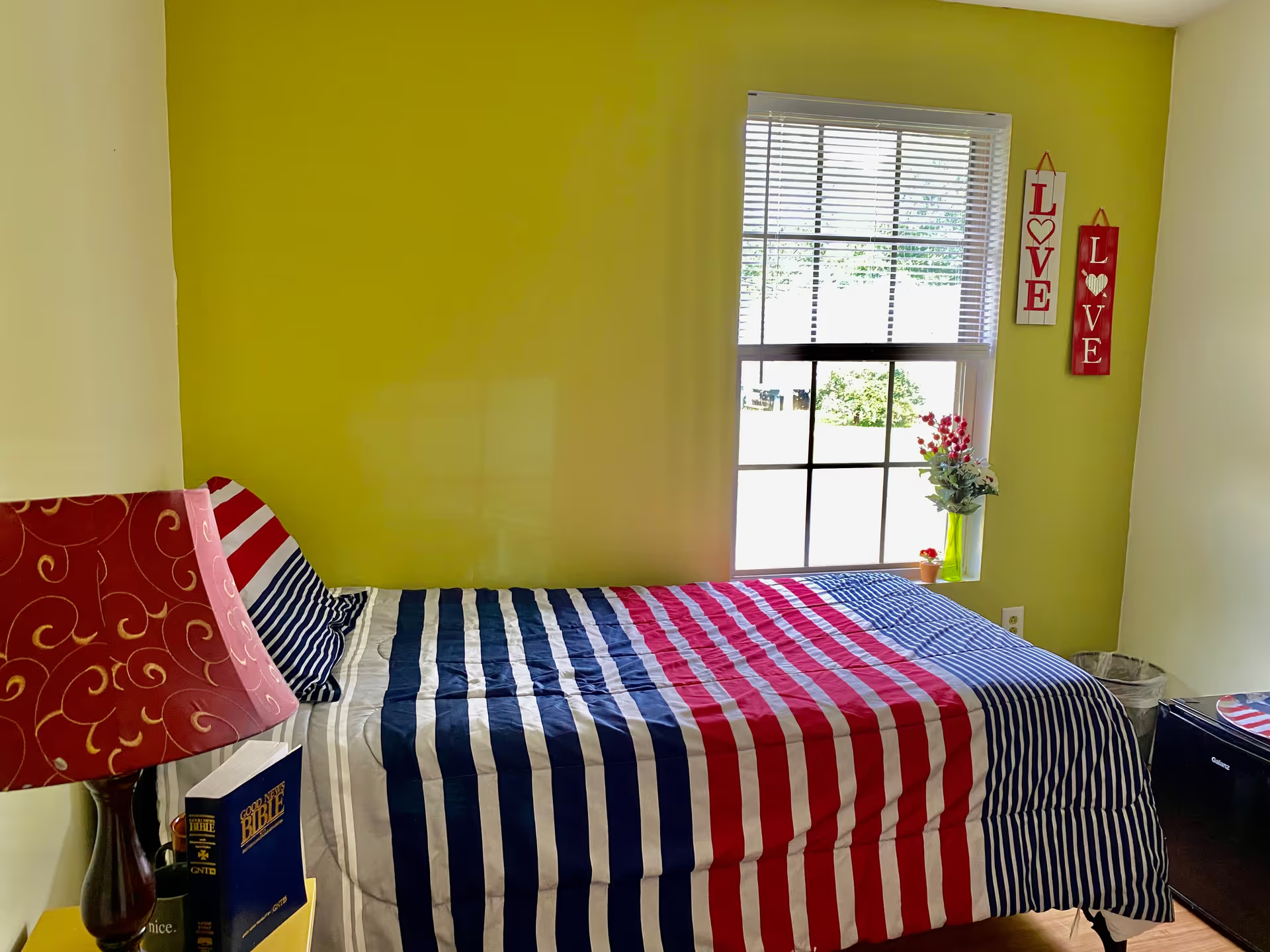
Dining and housekeeping: Dining quality emerges as a persistent operational problem for many reviewers. Complaints include meals served cold or late, limited alternatives for special diets, and periodic kitchen equipment failures that impact service. Conversely, some reviewers describe improved mealtime service and appealing menus after operational changes; this suggests variability over time and by shift. Cleanliness and odor concerns appear in multiple accounts—often localized to particular halls or communal spaces—while other reviewers report a clean, well-maintained environment with pleasant common areas and outdoor grounds. These mixed observations indicate uneven execution of housekeeping and sanitation protocols across the facility.
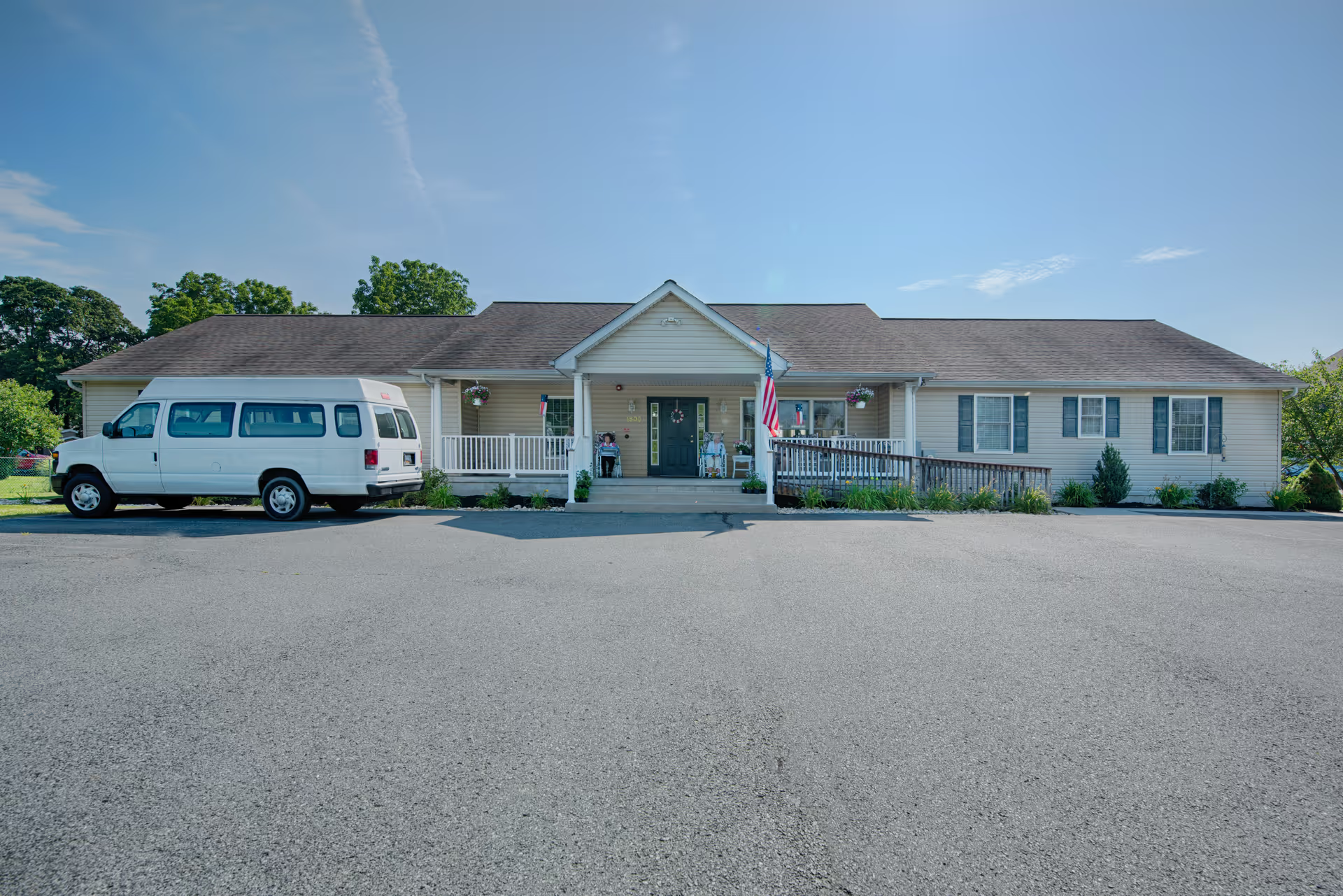
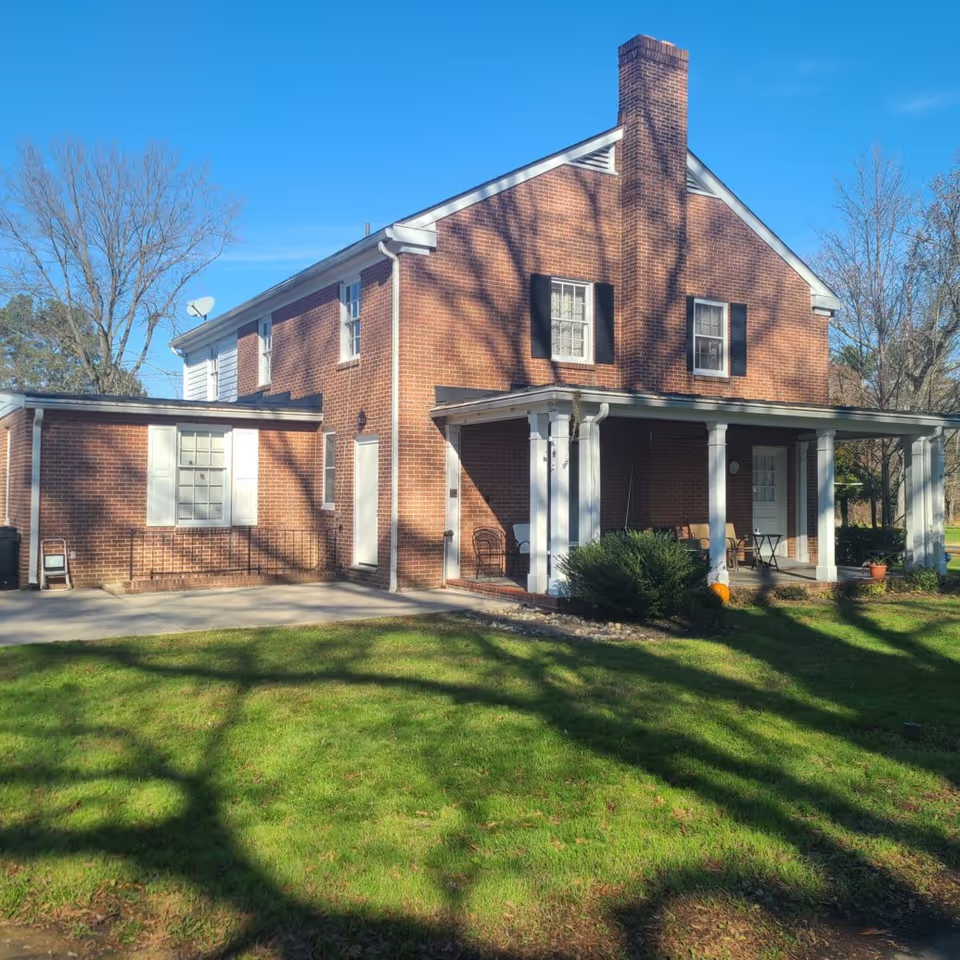
Activities and environment: Recreational programming, spiritual services, and social activities receive consistent positive mention. Families note inclusive activity staff, seasonal events, and opportunities for social connection that contribute to a home-like atmosphere. Several reviewers also praise front-desk staff and reception for being welcoming and helpful. Facility aesthetics and grounds are often described favorably, though staff continuity and cleanliness inconsistencies can affect the overall impression.
Management and notable patterns: Ownership transition appears to be a turning point in many accounts, linked to staff departures, cost-management decisions, and increased use of agency workers. While some reviews describe improved morale and better cleanliness under newer management, others describe ongoing operational weaknesses. There are isolated but serious incident-type reports—equipment failures, medication lapses, and allegations of staff misconduct—that prospective families should evaluate closely by reviewing the facility’s corrective action records, staffing ratios, and recent inspection reports.
Bottom line: Autumn Lake at Calvert Manor offers clear strengths in therapy, engaged activities, and many dedicated caregivers. However, persistent operational issues—especially inconsistent staffing, variable medication and personal-care practices, dining and kitchen reliability, and spotty administrative communication—are common themes. Families should tour the facility during mealtimes and multiple shifts, ask about agency staffing levels, medication-administration safeguards, equipment maintenance protocols, incident reporting, and recent inspection outcomes. For residents whose needs include intensive supervision or who cannot self-advocate, these operational concerns warrant careful consideration.