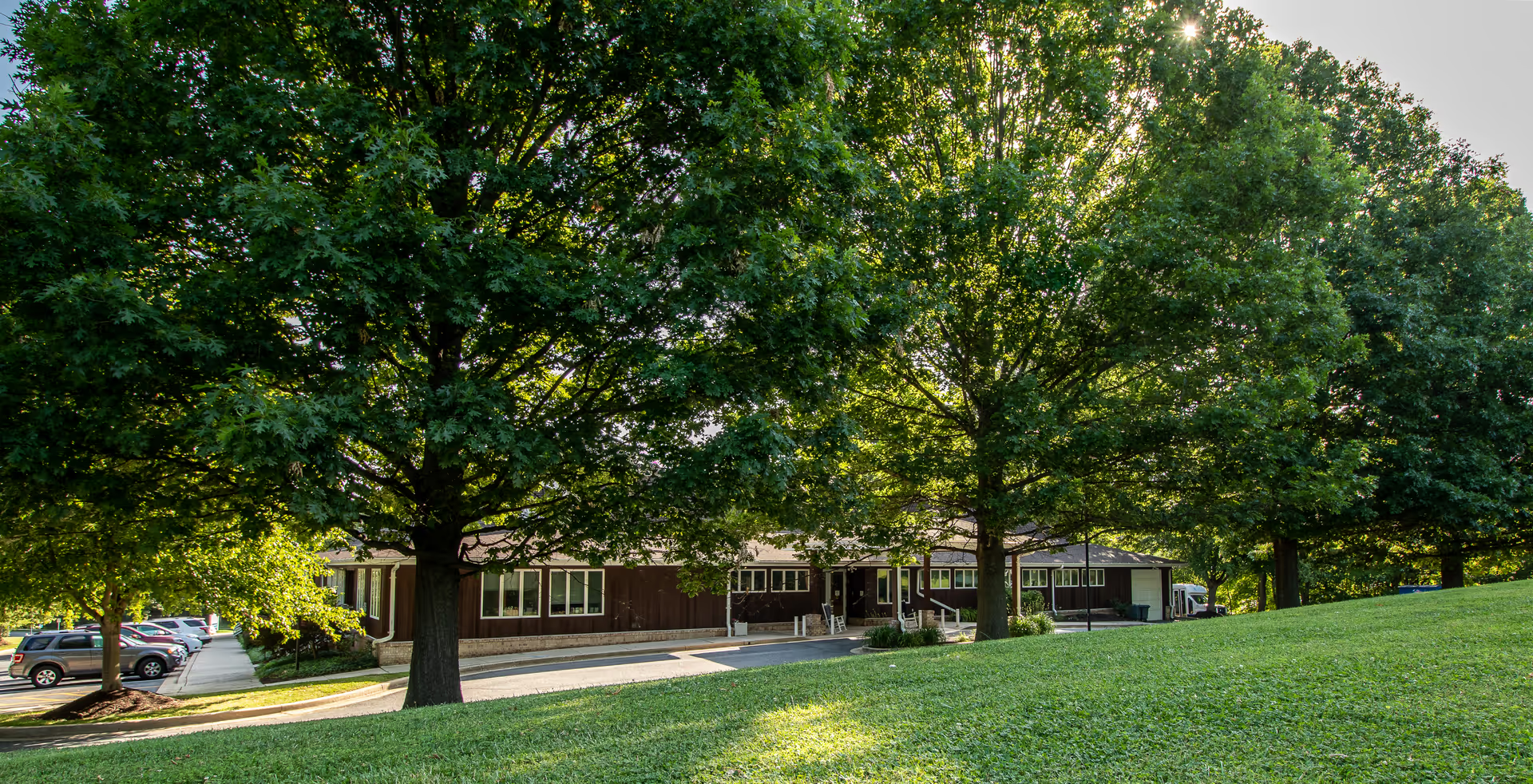
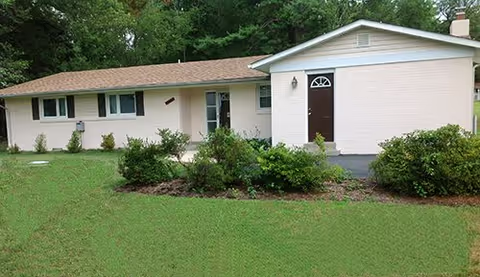
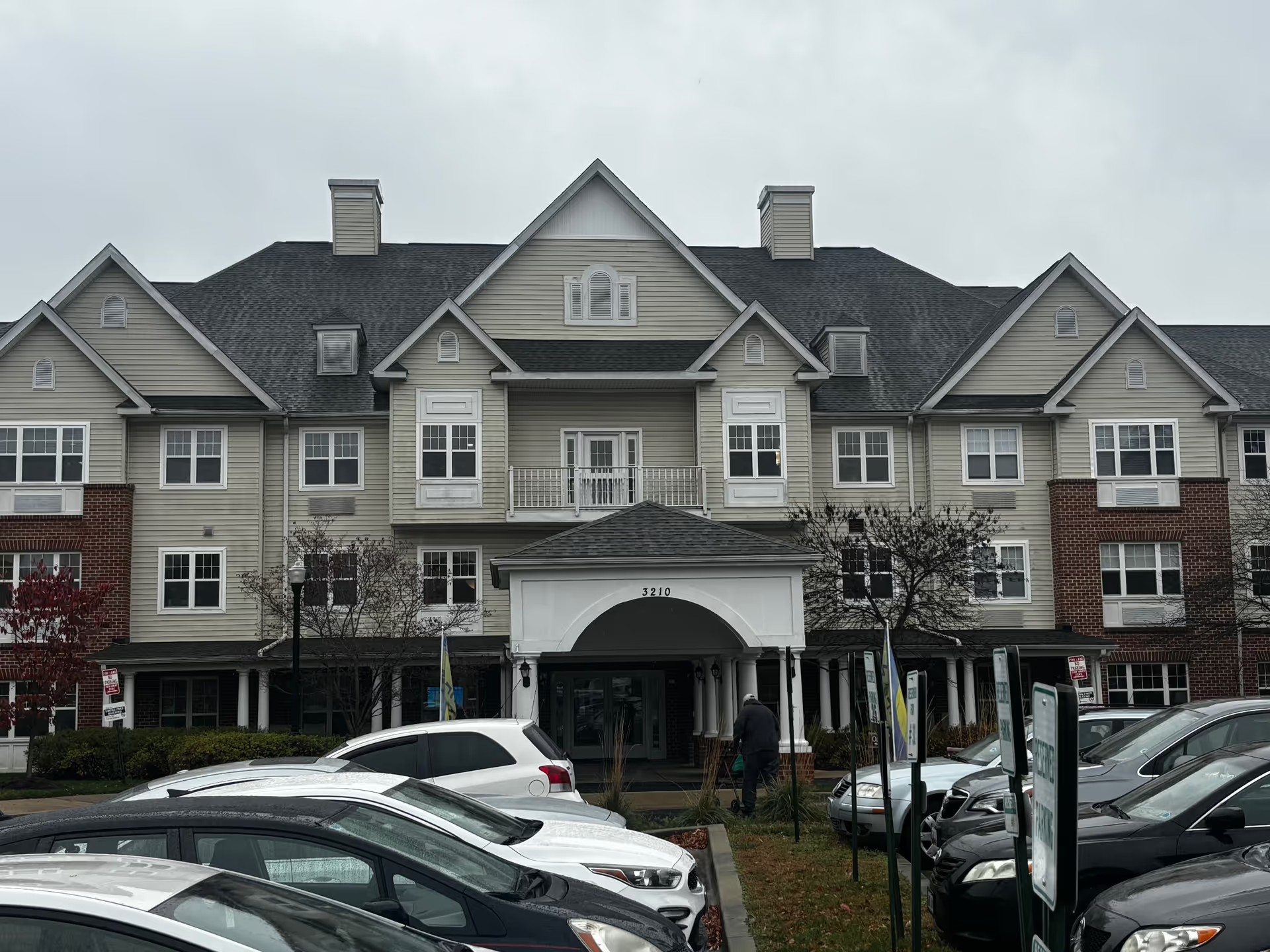
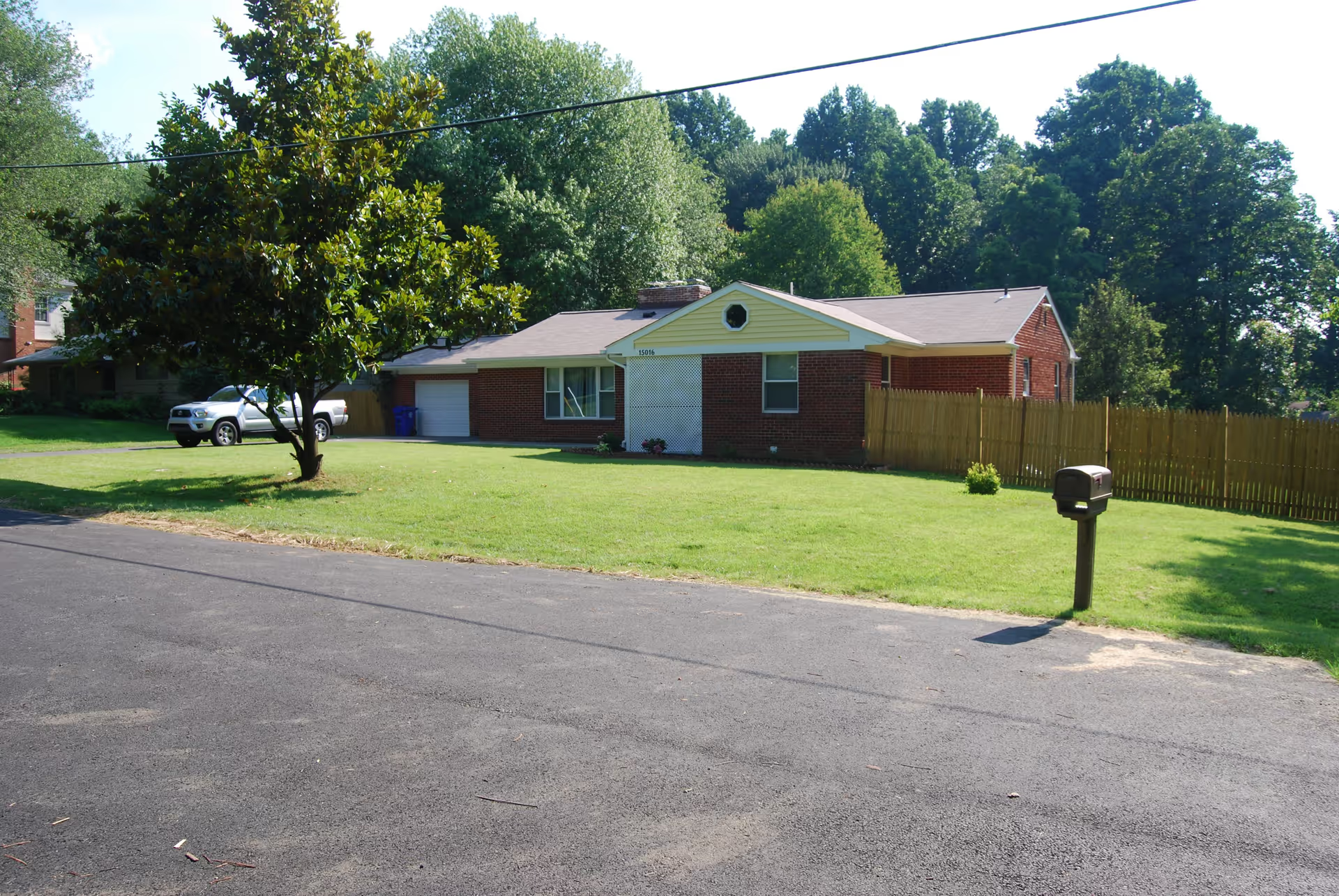
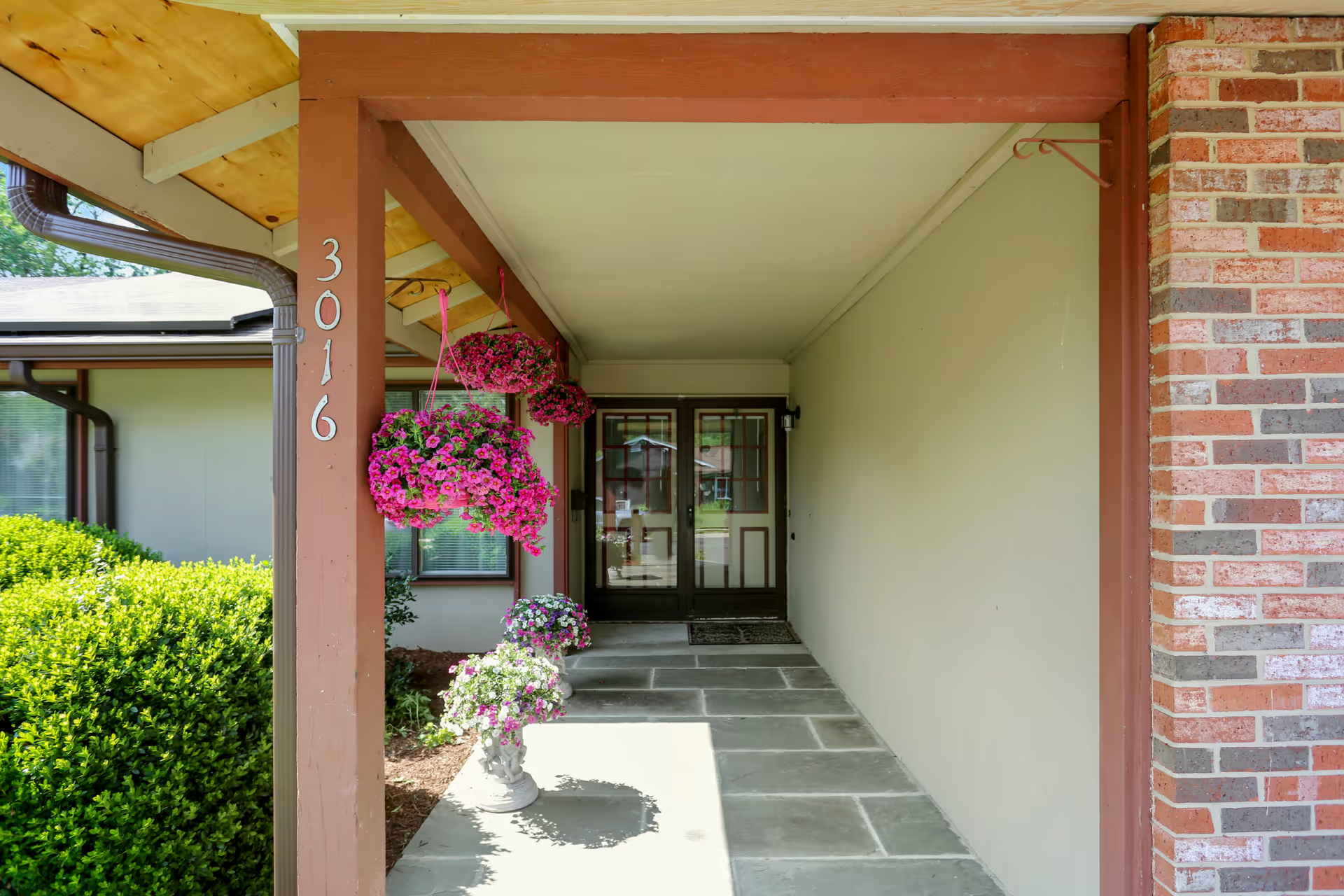
Friends House Retirement Community presents a mixed but clearly defined profile. Its strongest features are the caregiving and rehabilitation resources: numerous accounts praise compassionate direct-care staff, attentive nurses, and consistently strong physical and occupational therapy programs. The community offers on-site medical support, an active social-work presence, and admissions staff who many families find helpful. For residents seeking independent living, the campus provides renovated apartments, cottages, bright living spaces with kitchenettes, and accessible circulation (ramps and elevators). The campus grounds and landscaping are frequently described as peaceful and well maintained, supporting a nature-focused, walkable environment.
Activities and social life are another clear strength. The community supports robust resident-led programming, multiple committees (Garden, Environment, Tour), arts programming (ArtSpace), and regular social events—games, movies, ice-cream socials, and outings. Reviewers consistently note a strong sense of community, warm resident-to-resident relationships, and volunteer involvement that contribute to resident engagement and quality of life.
Dining and facilities receive mixed commentary. Dining offerings include rotating menus, fish and vegetarian options, and an on-site restaurant-style facility that some find excellent; others describe uneven meal quality or interruptions during infection-control events. The campus combines recently remodeled buildings and new cottages with older interior areas that some reviewers find dated or institution-like. Maintenance responsiveness is repeatedly praised, though a subset of accounts raises pest-control concerns and requests for further aesthetic updates.
Operationally, several recurring weaknesses emerge. Staffing continuity and turnover are notable issues: while many staff are described as dedicated and compassionate, variability in staff conduct, responsiveness, and experience contributes to inconsistent day-to-day care. This variability is linked to communication gaps with families, inconsistent housekeeping and medication-management practices (including labeling changes), and occasional delays in clinical incident response. Administrative-level concerns include uneven responsiveness from management, billing and contract negotiation delays, and strained communication when complex transitions or end-of-life coordination are needed.
Safety and policy patterns are another prominent theme. Some accounts raise concerns about transfer and fall-prevention practices, the timeliness of clinical responses during incidents, and restrictive visitation or activity policies applied during infection-control periods. These accounts vary in severity, but together they indicate that operational consistency—particularly around clinical protocols, family communication, and contract enforcement—can be uneven.
In summary, Friends House offers many strengths attractive to prospective residents: strong rehabilitation services, an engaged community culture, attractive grounds, and responsive maintenance. Families considering the community should weigh those strengths against the operational variability described here—ask specific questions about staff continuity, medication protocols, incident communication, roommate pairing, pest-control measures, billing/contract terms, and how dining and visitation policies are handled during health events. These targeted inquiries can help clarify whether the facility’s positive elements match an individual resident’s care and lifestyle needs.