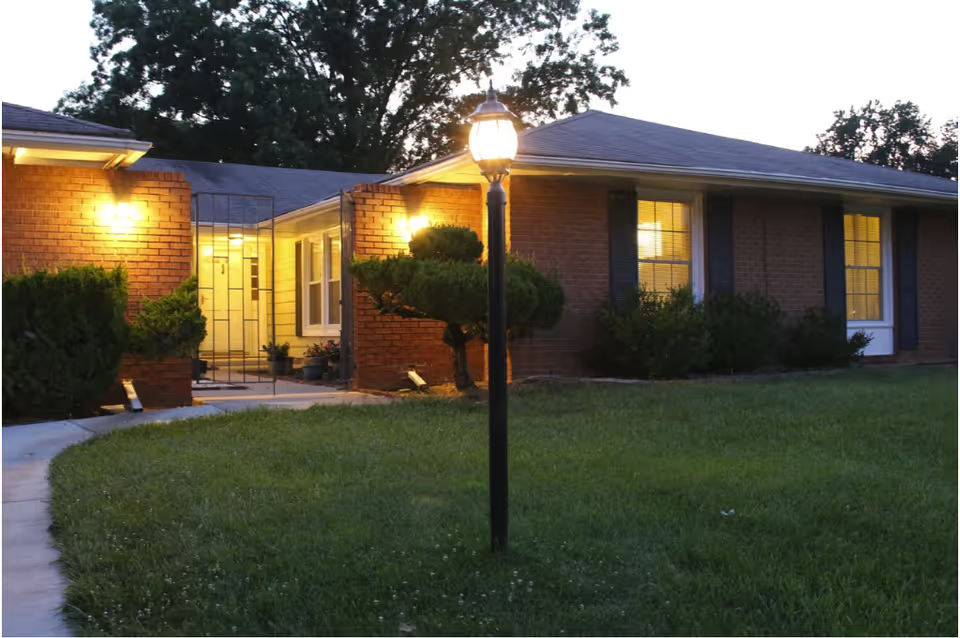
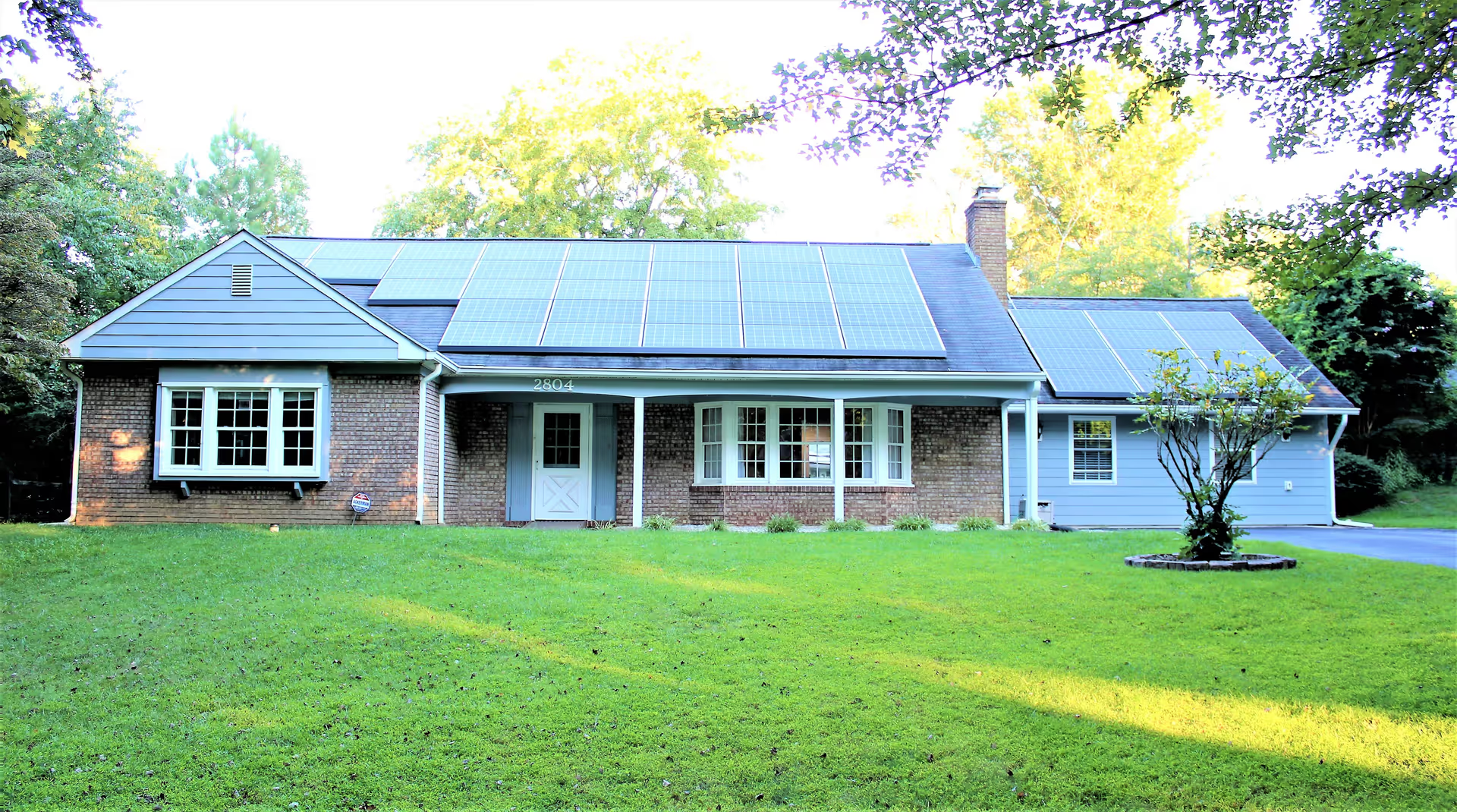
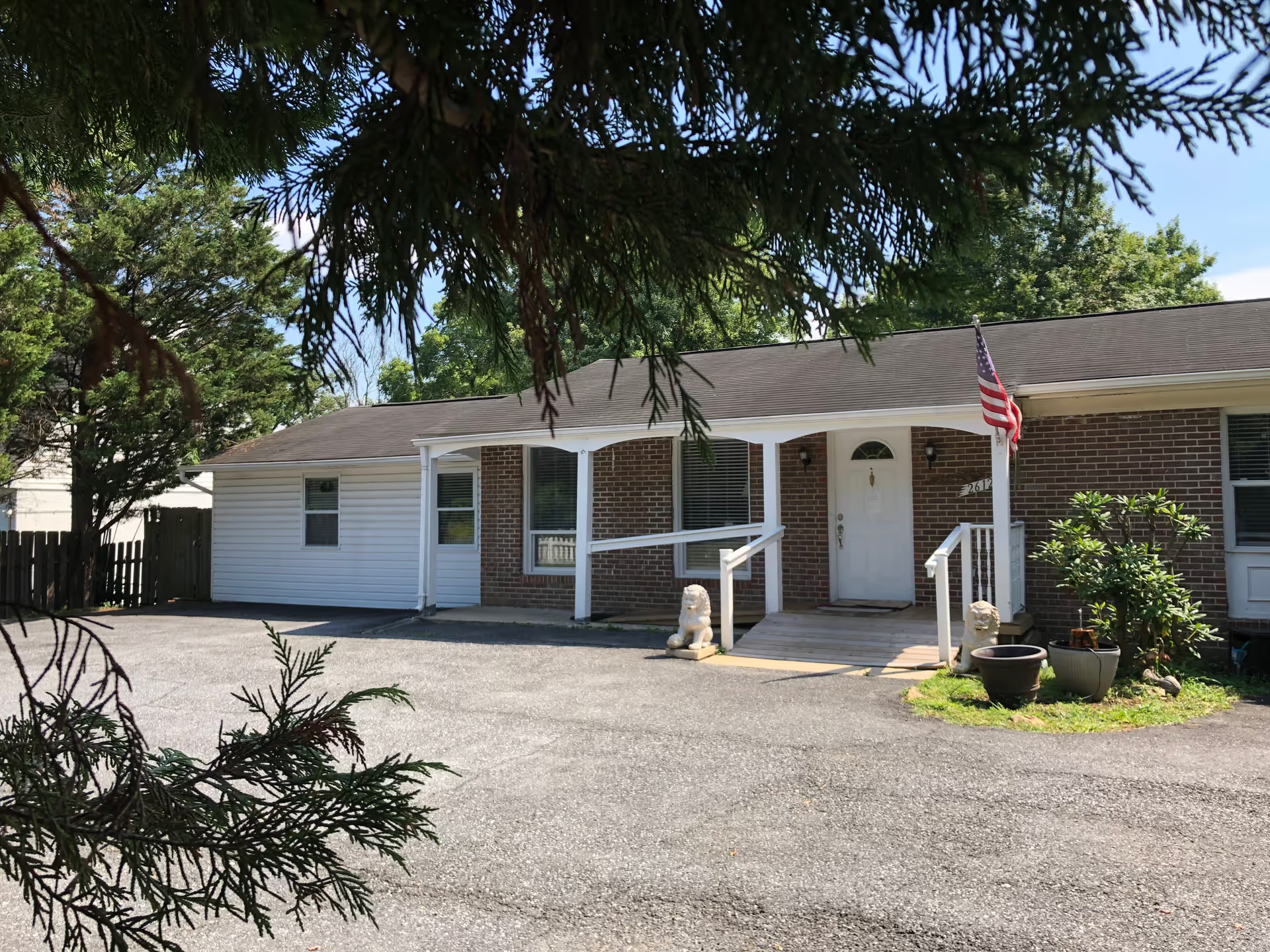
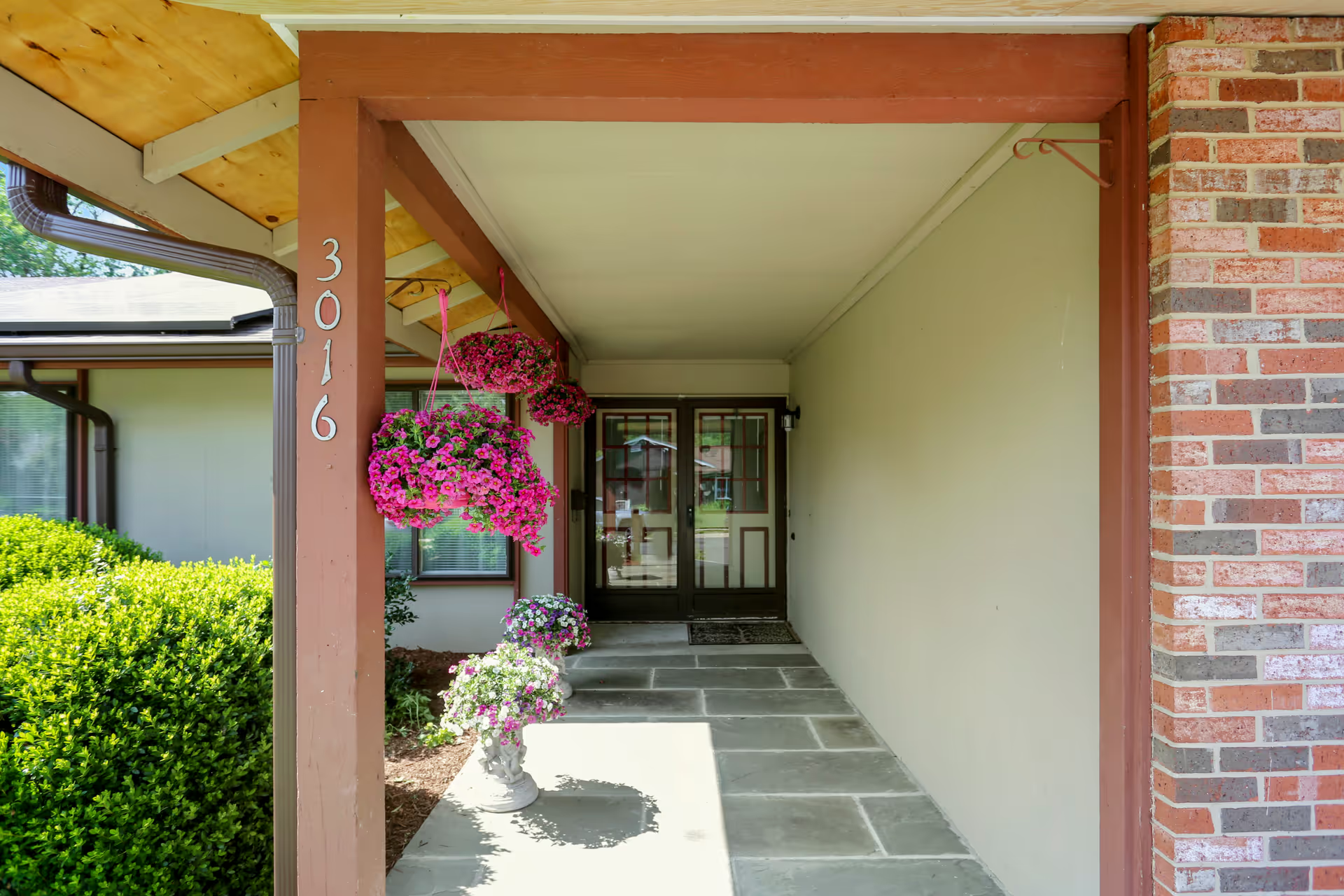
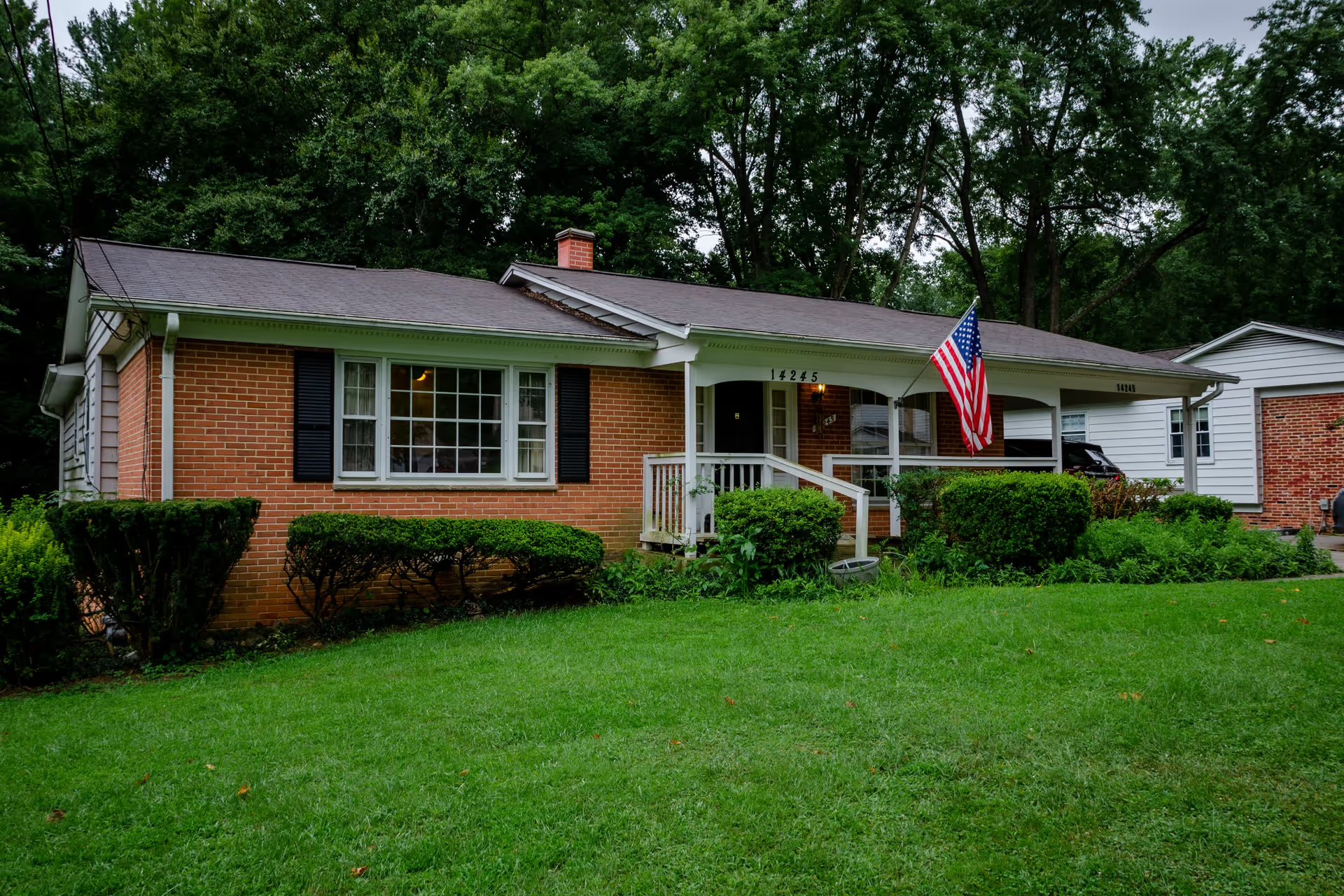
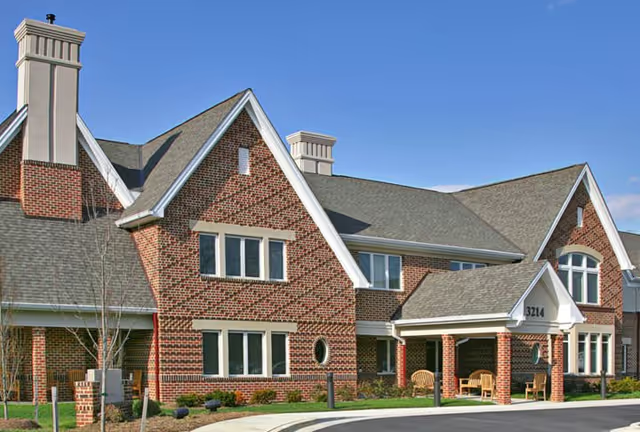
AlfredHouse II presents as a small, family-owned residential care setting with a clearly home-like environment. The facility's size and staffing model support individualized attention: reviewers emphasized a low caregiver-to-resident ratio, frequent one-on-one care, consistent staff assignments, and a welcoming tour/admission experience. Physical features such as a sunroom, a TV/common room, attractive interiors, and both private and shared bedrooms reinforce the impression of a residential, neighborhood-oriented setting close to home and in a safe area.
Care and staff quality are generally described as compassionate and reliable. Families described friendly, caring caregivers and continuity of personnel, which supports ongoing relationships and personalized care plans. Volunteer involvement and tailored attention during move-in were noted as strengths that contribute to resident satisfaction. At the same time, reviewers raised operational concerns about staff initiative in programming — phrased as complacency — which can reduce the day-to-day level of engagement for residents.
Activity and therapeutic programming receive mixed comments. AlfredHouse II offers exercise programs, music therapy, and memory-stimulation activities, but the reviews indicate limited structured daily activities and a need for more consistent cognitive and social stimulation. Some families expressed concern that programmatic gaps could contribute to low mood or decreased engagement among residents; this suggests a mismatch between available therapeutic options and their daily implementation or intensity.
Dining and medication practices are specific areas of concern. Several reviewers identified a nutrition profile with high starch content and elevated sodium levels, which they associated with risks for weight gain and hypertension. In addition, there were comments about medication-related drowsiness; reviewers framed this as a medication-management issue that affects residents' alertness and participation. Together these items point to opportunities for the facility to review menu composition, nutritional oversight, and medication-review protocols.
In sum, AlfredHouse II's primary strengths are its small scale, familial management, consistent and caring staff, and an attractive, home-like environment that supports individualized care. The main operational weaknesses center on programmatic consistency (limited structured activities and low initiative), nutritional choices that may adversely affect chronic health risks, and medication-management practices that may reduce resident engagement. Prospective residents and families considering the facility should weigh the benefits of personalized, small-facility care against the need to clarify activity schedules, nutrition planning, and medication oversight during the assessment process.