Overall sentiment across the reviews is strongly positive about the quality of care and the professionalism of staff at An An Assisted Living II. Multiple reviewers emphasize that the staff are excellent, caring, and competent, and highlight that the owner/operator is a qualified RN. Reviewers specifically note that the team is capable of managing complex medical needs — one reviewer mentioned a resident on PEG feeding — which suggests the facility can handle higher-acuity care safely and reliably. The consistent comment that the facility "keeps family updated" and that staff are "proactive" in communication reinforces a pattern of engaged, family-centered care.
Communication and family engagement are recurring strengths. Reviews describe proactive, regular communication and praise the facility for pandemic-era support that helped families stay in touch. This indicates a culture that prioritizes transparency and connection with families, both in routine circumstances and during crises. Multiple remarks about staff helping families remain in contact during the pandemic further underscore the facility's adaptability and emphasis on emotional support for residents and families.
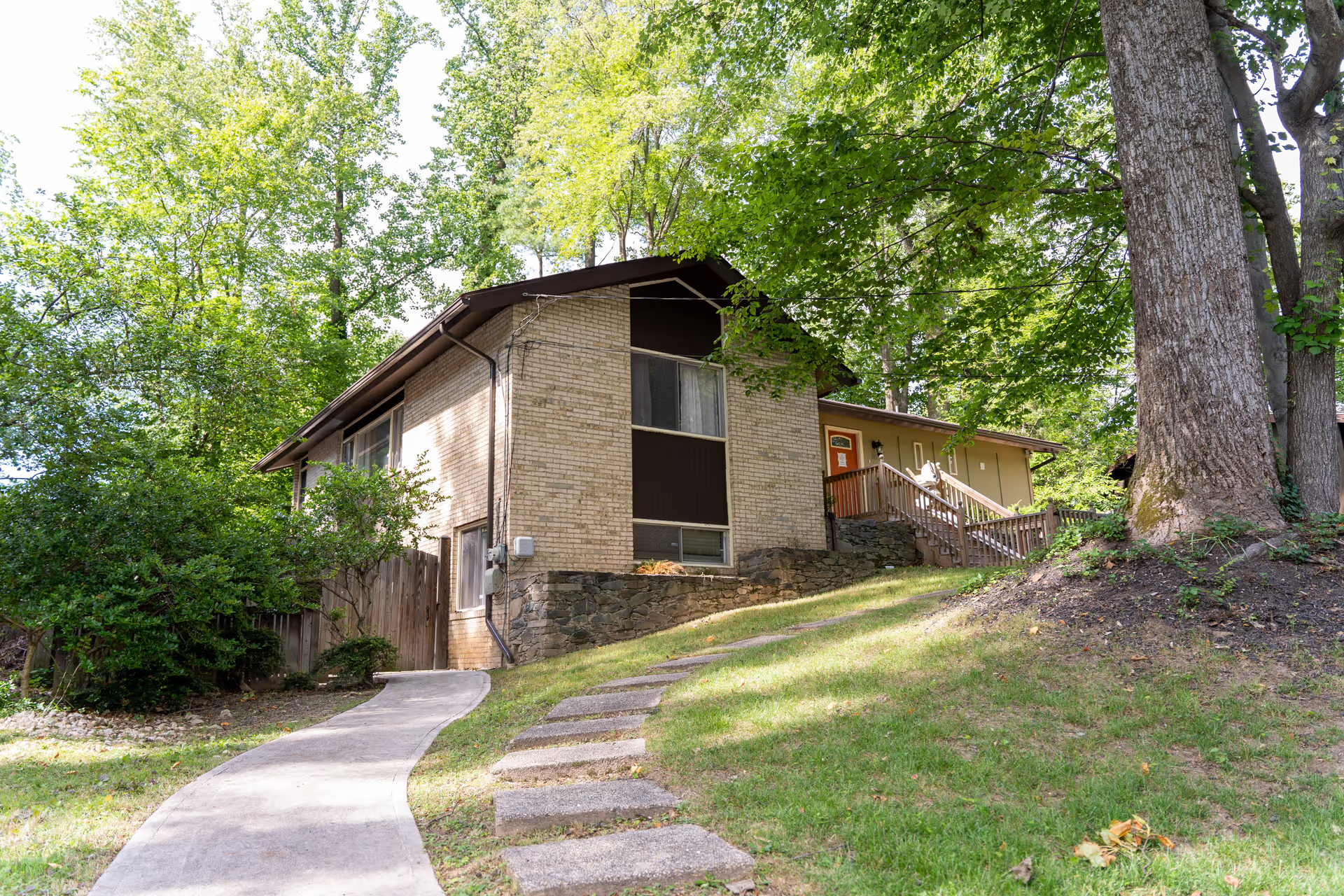
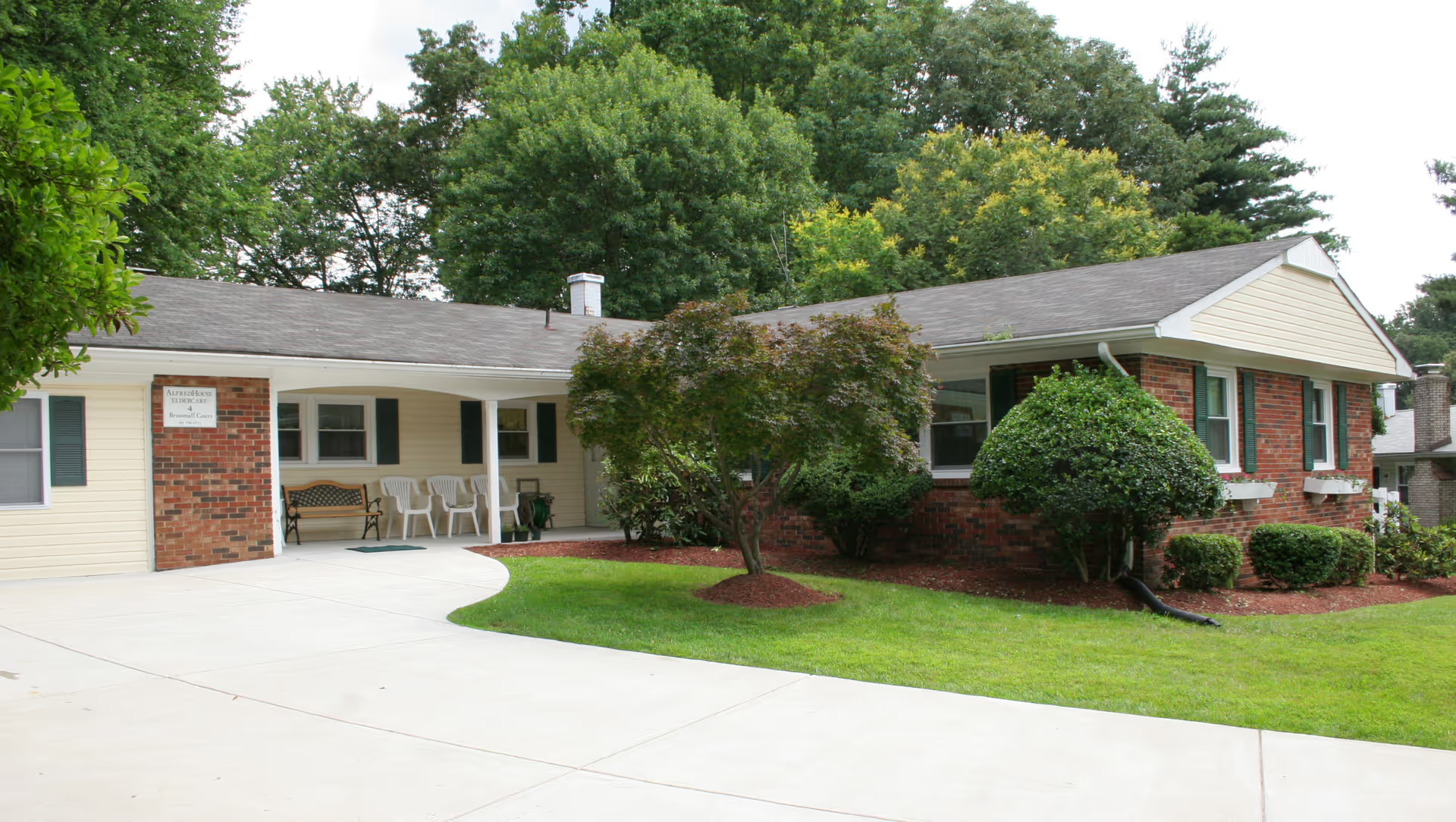
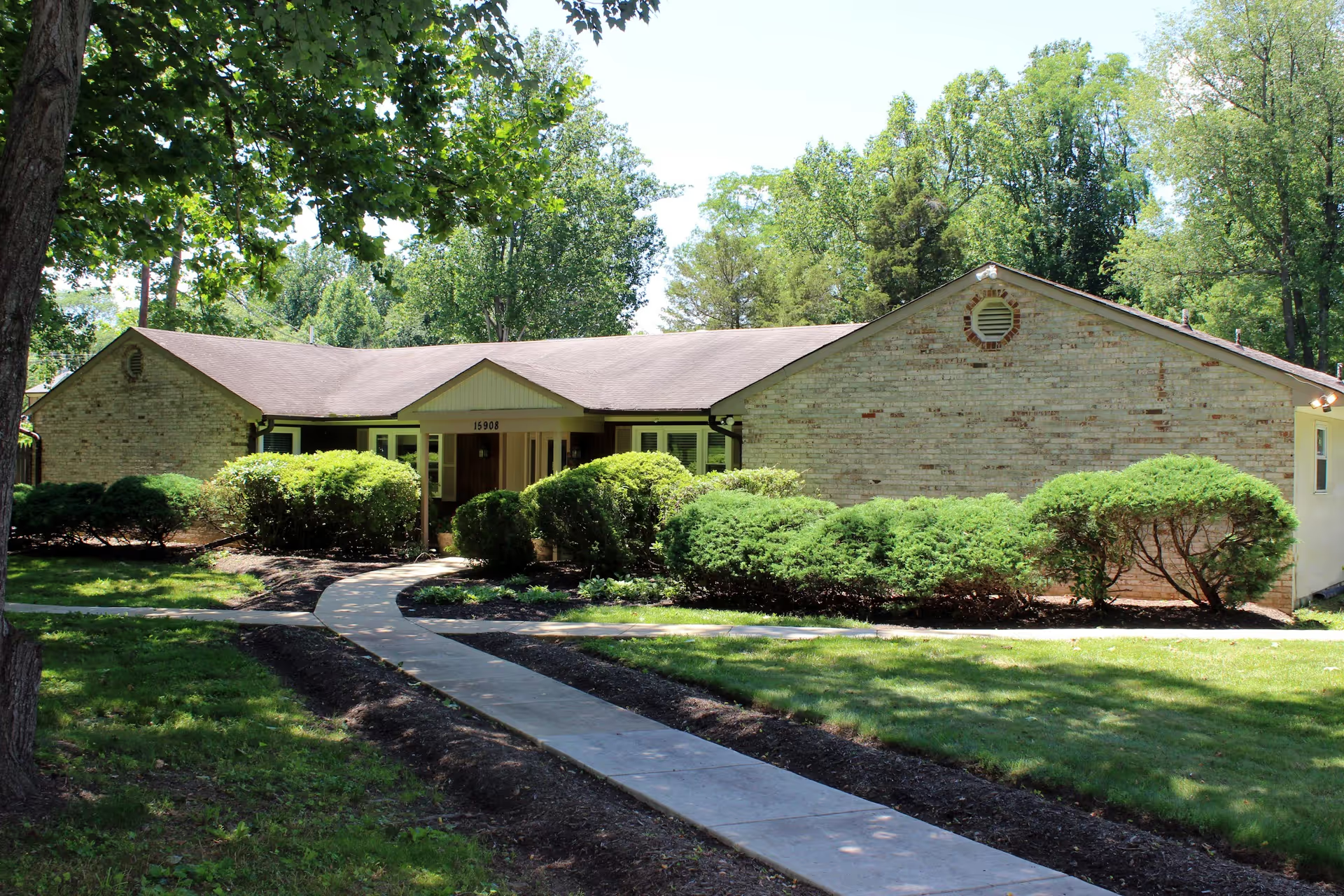
The small size of the facility (noted as five residents) is a notable structural characteristic that appears in several summaries. This intimate scale likely contributes to personalized care and close staff-resident relationships — advantages noted implicitly by reviewers praising attentive staff. However, reviewers also identify the small size as a limiting factor: when a facility houses very few residents, opportunities for varied social interaction and a wide range of group activities can be constrained. Reviewers explicitly state that activities exist but are underused, suggesting that while there is some programming, it may not be robust or consistently engaging for residents.
A clear area for concern raised in the reviews is a language barrier. At least one reviewer mentions a language barrier, which can affect family communication, the resident experience, and the clarity of care instructions or preferences. While proactive updates and communication were also praised, the presence of language-related challenges points to potential moments of misunderstanding or reduced comfort for families and residents who are not fluent in the staff’s primary language.
Management and clinical oversight receive positive marks: the presence of an RN owner/operator and comments about qualified staff convey confidence in clinical leadership and competency. This aligns with the reports of successful management of medical needs (e.g., PEG feeding) and suggests appropriate supervision and training for staff. The combination of clinical qualification at the leadership level and small resident census supports the impression of attentive, medically competent care.
In summary, the dominant themes are high-quality, personalized care delivered by caring and competent staff, strong family communication (including effective pandemic-era support), and capable clinical oversight by an RN owner/operator. Counterbalancing these strengths are a language barrier that may complicate some interactions, and limited or underused activity programming tied in part to the facility’s very small size. Families considering this facility should weigh the clear strengths in clinical competency and communication against potential limitations in social/activity offerings and possible language mismatch, depending on their needs and preferences.