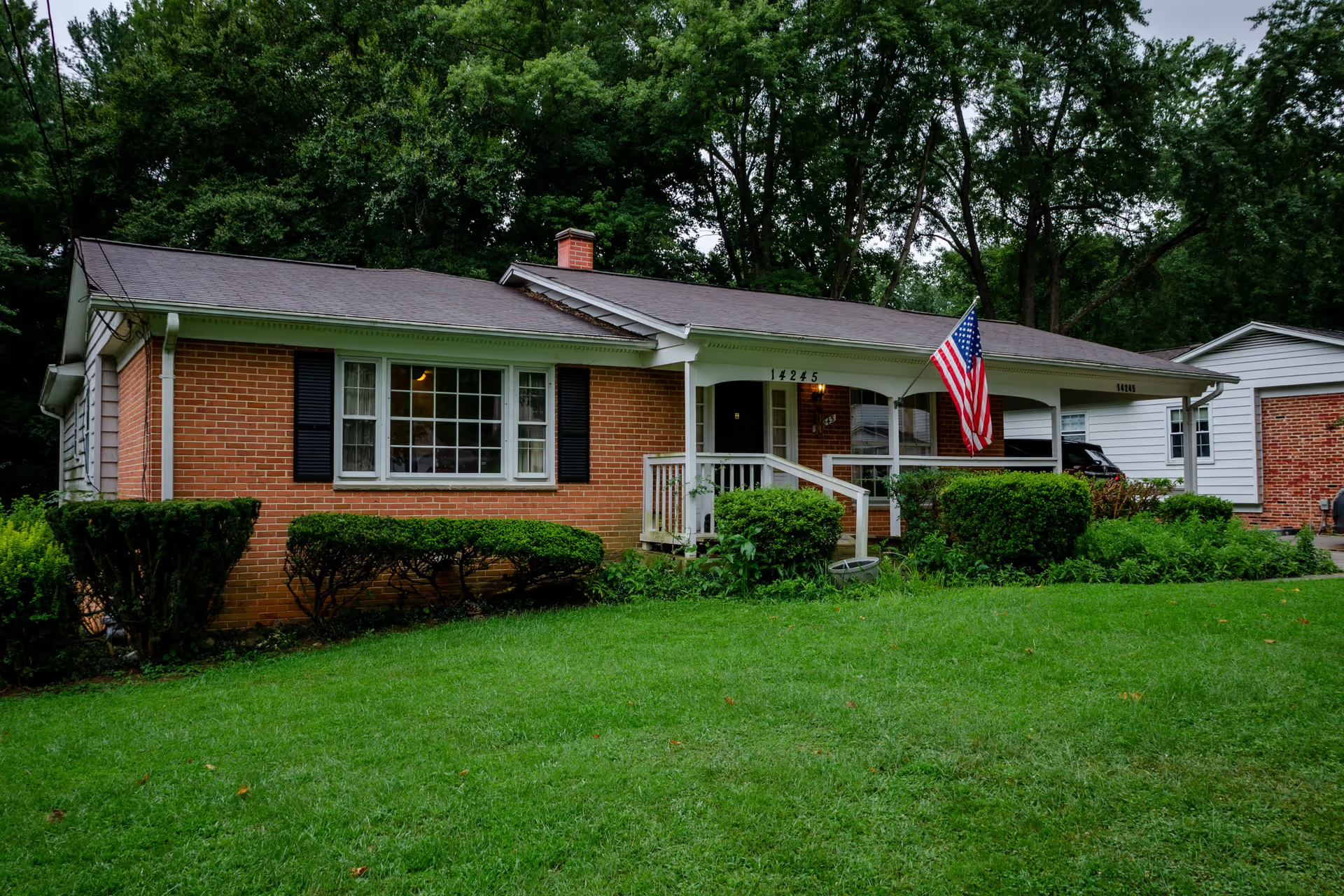
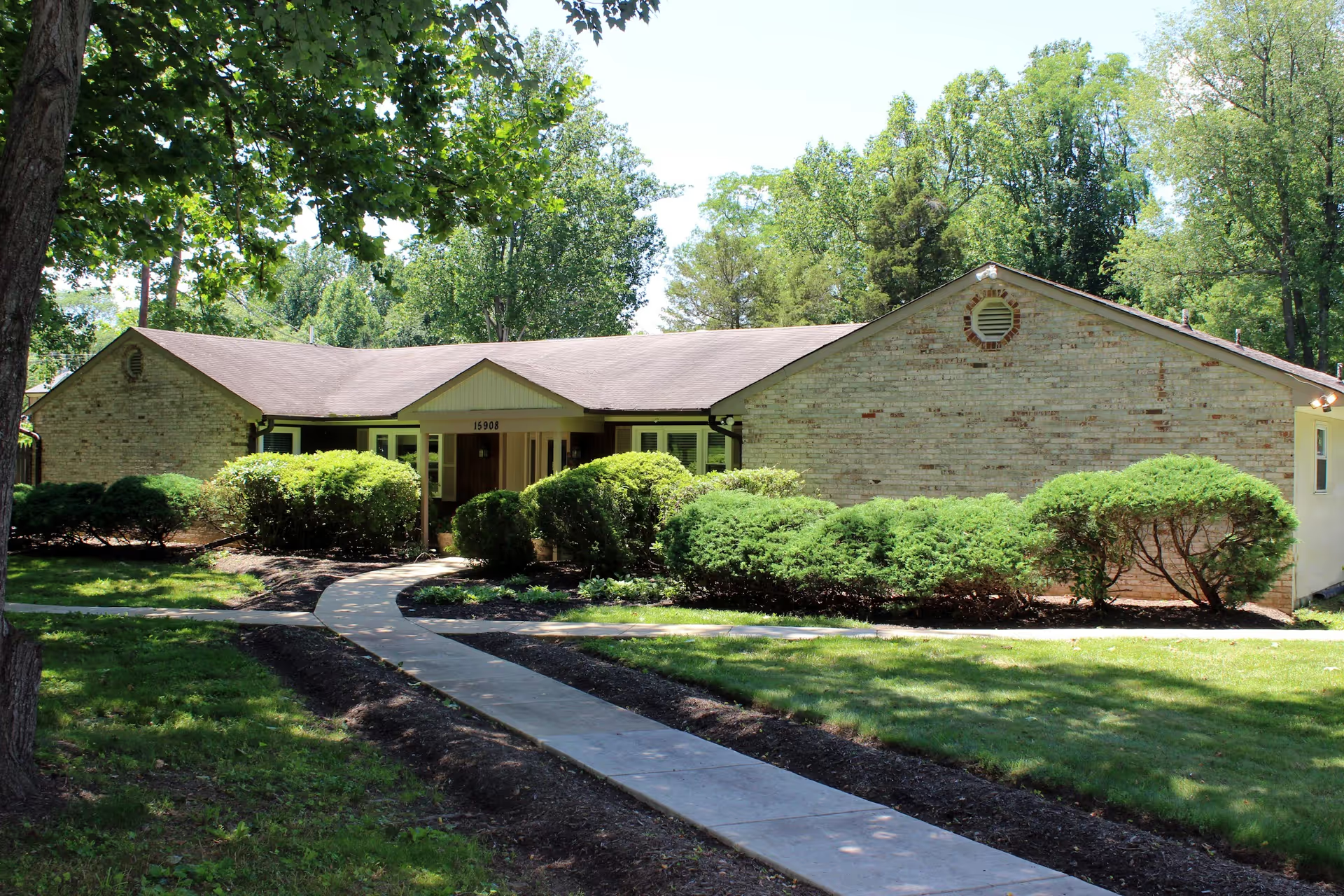
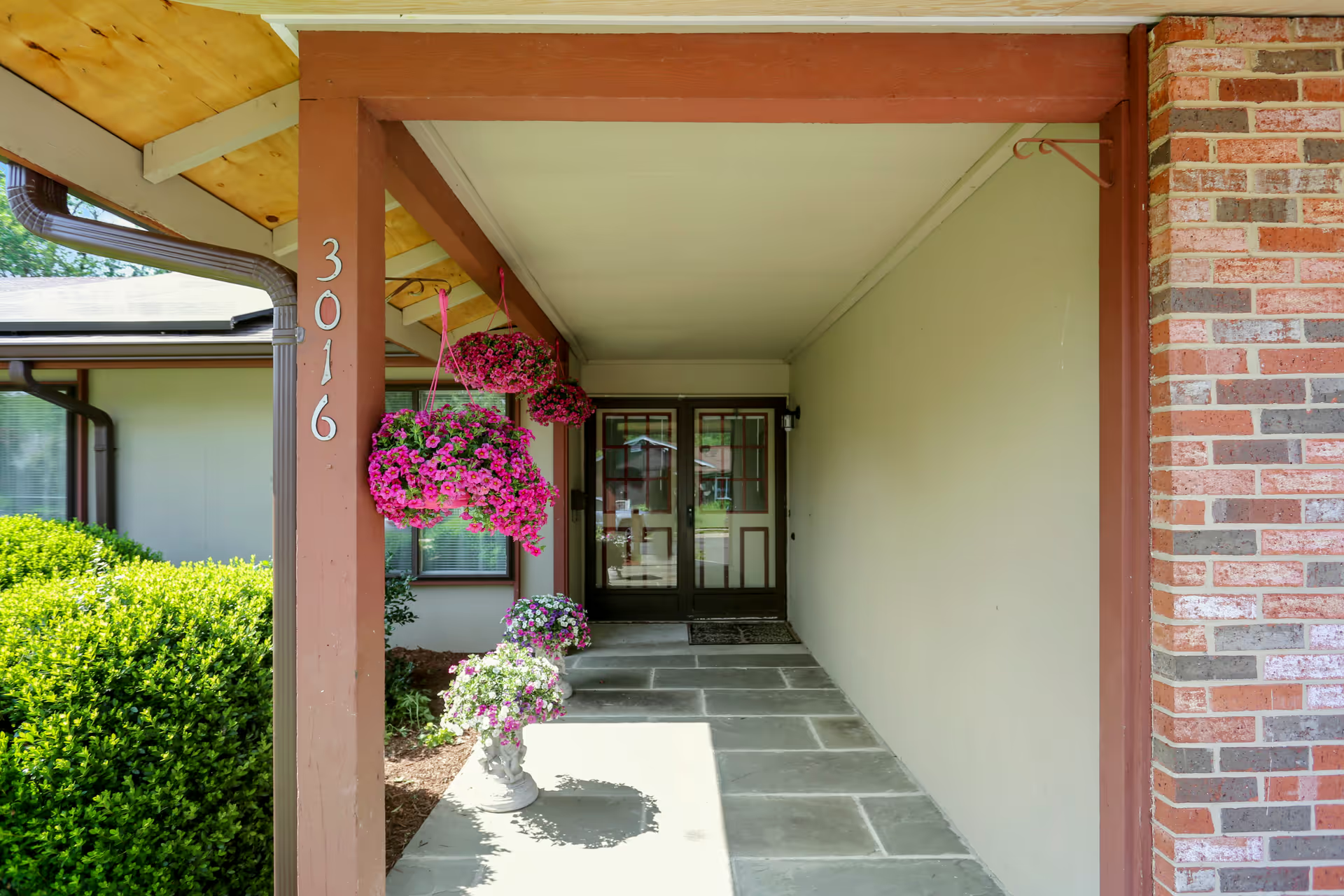
Overall sentiment from the reviews is positive about the physical environment, independence-friendly design, and personalized management, but cautious regarding activity programming and observable resident socialization. Multiple reviewers emphasize a strong first impression, attractive and upscale interiors and exteriors, and private-feeling rooms with amenities such as large windows, patio doors, and access to a backyard deck. The owner and management are noted as willing to customize rooms, which suggests responsiveness to individual preferences. Practical positives repeated across reviews include wheelchair accessibility in parts of the building, good location with Metro access, a home-like atmosphere, engaged staff, active residents, and generally good food.
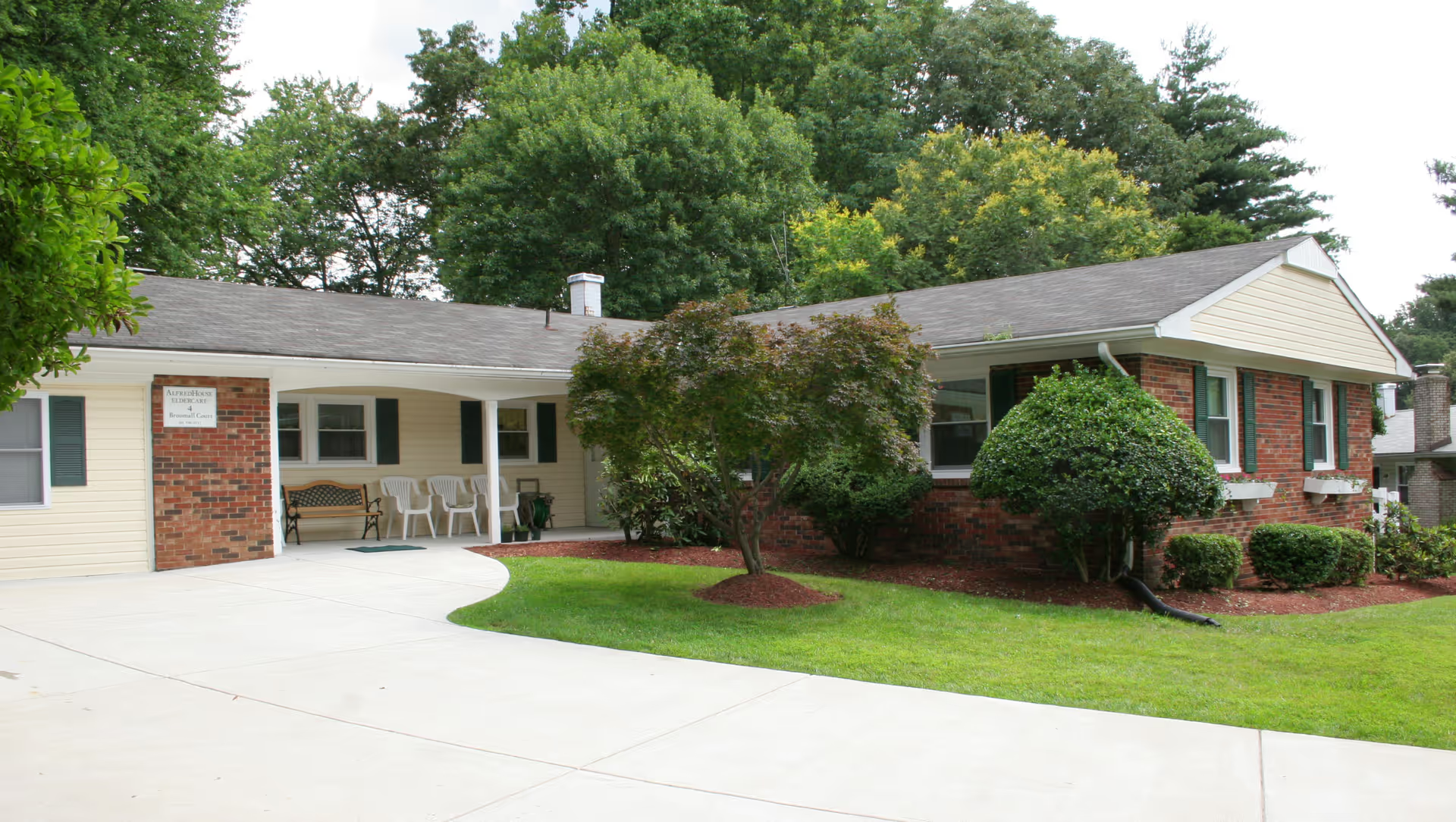
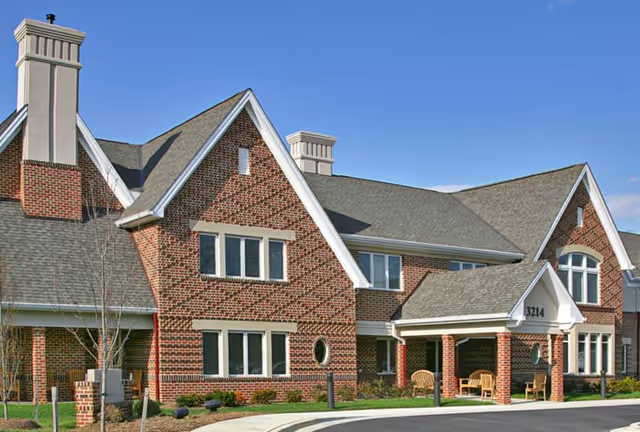
Facilities and ambiance are consistently praised. Reviewers describe the property as beautiful inside and out, with bright rooms from large windows and private entries that give residents a sense of autonomy. Outdoor spaces such as patios and a backyard deck with stone landscaping are highlighted as desirable features. The overall aesthetic and layout support an independent lifestyle and create a private, home-like setting rather than an institutional feel. The ability to have a private patio door or own door is a recurring benefit for prospective residents who value independence and access to outdoor space.
Staff, management, and care impressions are mixed but lean positive in areas mentioned. Several comments point to staff engagement and an owner who is willing to work with residents to customize rooms, indicating attentiveness and flexibility. Food quality is called out as good, which contributes to the overall favorable impression. However, concrete details about clinical care levels or daily assistance needs are limited in the summaries; the available remarks focus more on hospitality, personalization, and the social environment than on medical care specifics.
A notable cluster of concerns centers on social programming and resident interaction. Multiple reviewers observed a lack of visible resident interaction at the time of their visits despite management discussing plans to promote more social engagement. Activity offerings appear minimal in the summaries; one example cited tai chi that lasted only five minutes a day, which reviewers implied is insufficient. These observations create a pattern: while the environment and staff appear welcoming, the community may not yet have robust or consistent group activities or visible social engagement, and planned improvements had not been seen by the reviewers. This is important for potential residents who prioritize regular social programming and structured activities.
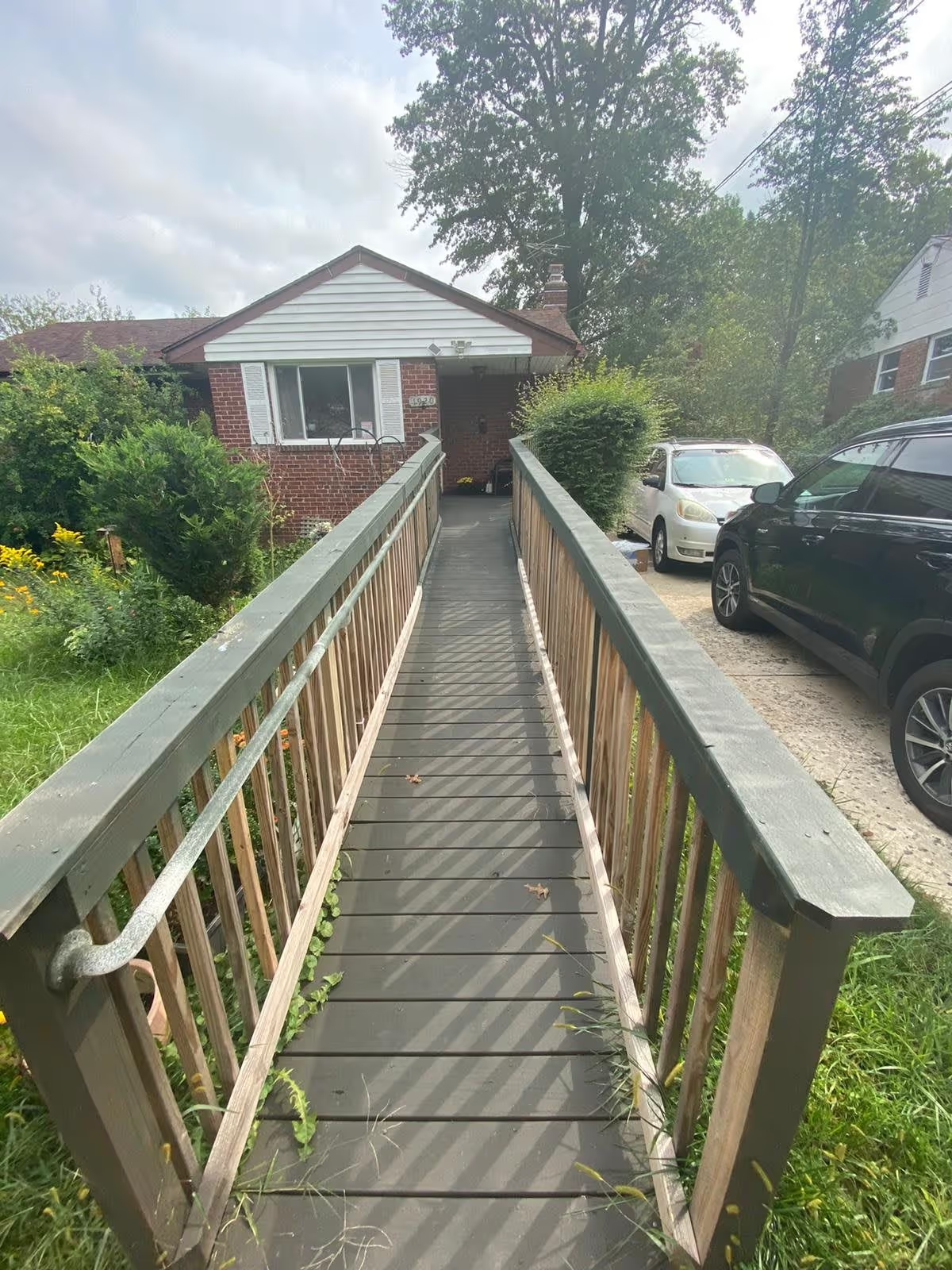
Safety and accessibility present a mixed picture. The property is described as wheelchair accessible in parts, which is positive for mobility-impaired residents. At the same time, at least one reviewer flagged stairs as a concern, which could affect safety or accessibility depending on a resident's needs and the specific unit location. Prospective residents who use mobility aids or are concerned about fall risks should verify unit placement and the extent of step-free access.
In summary, Aberdeen Chesapeake is repeatedly described as an upscale, attractive, and private residence that supports independent living with personalized touches from an engaged owner and staff, pleasant outdoor spaces, and convenient location. The main caveats are limited, sometimes very brief activity offerings and a lack of observed resident socialization despite management intentions to improve interaction. Safety questions around stairs should be clarified for those with mobility concerns. For prospective residents who value an upscale, home-like setting and independence, Aberdeen Chesapeake appears appealing; those who prioritize robust daily activities and visible, frequent social programming should inquire specifically about current activity schedules and recent implementation of engagement plans before deciding.