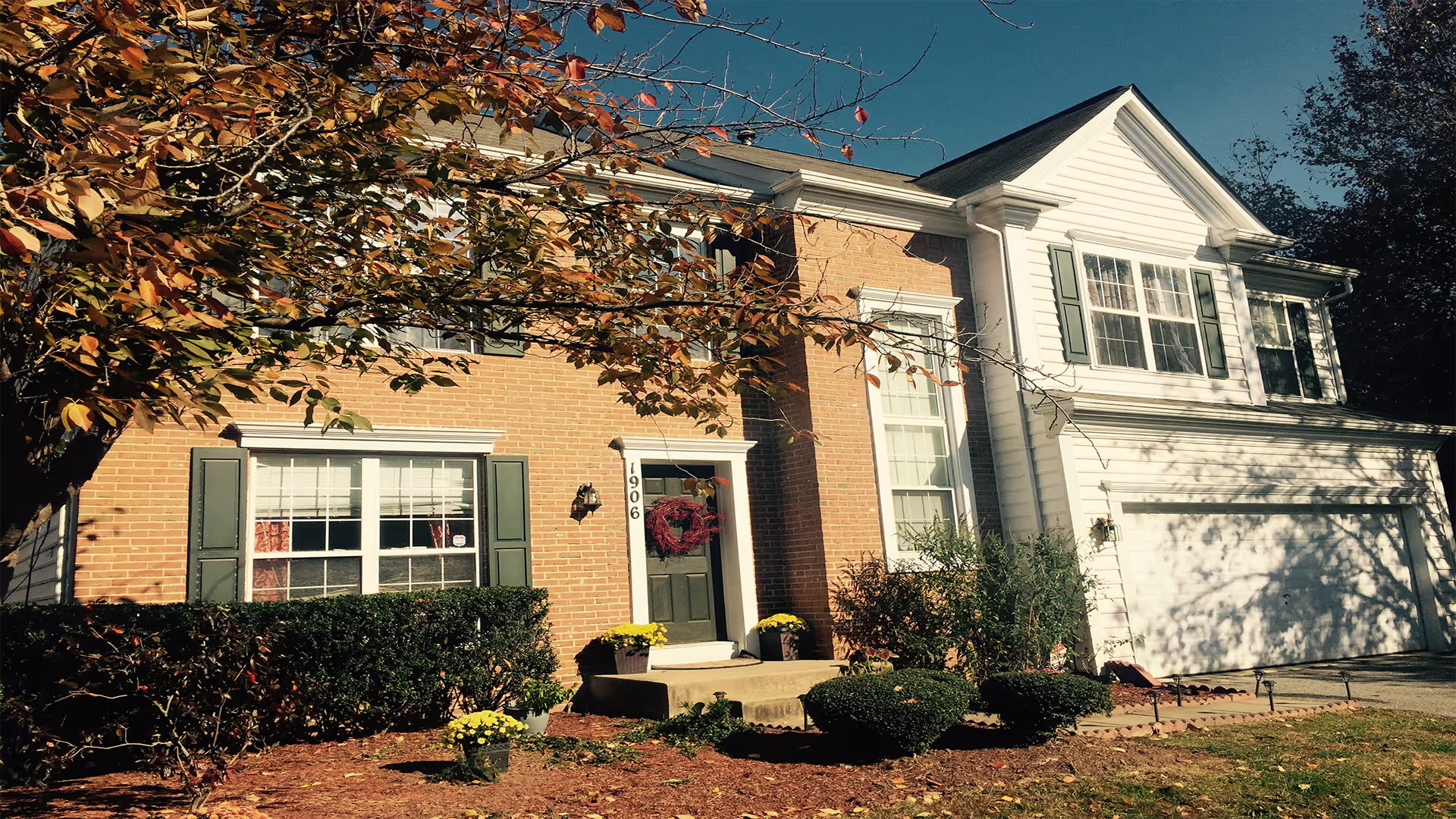
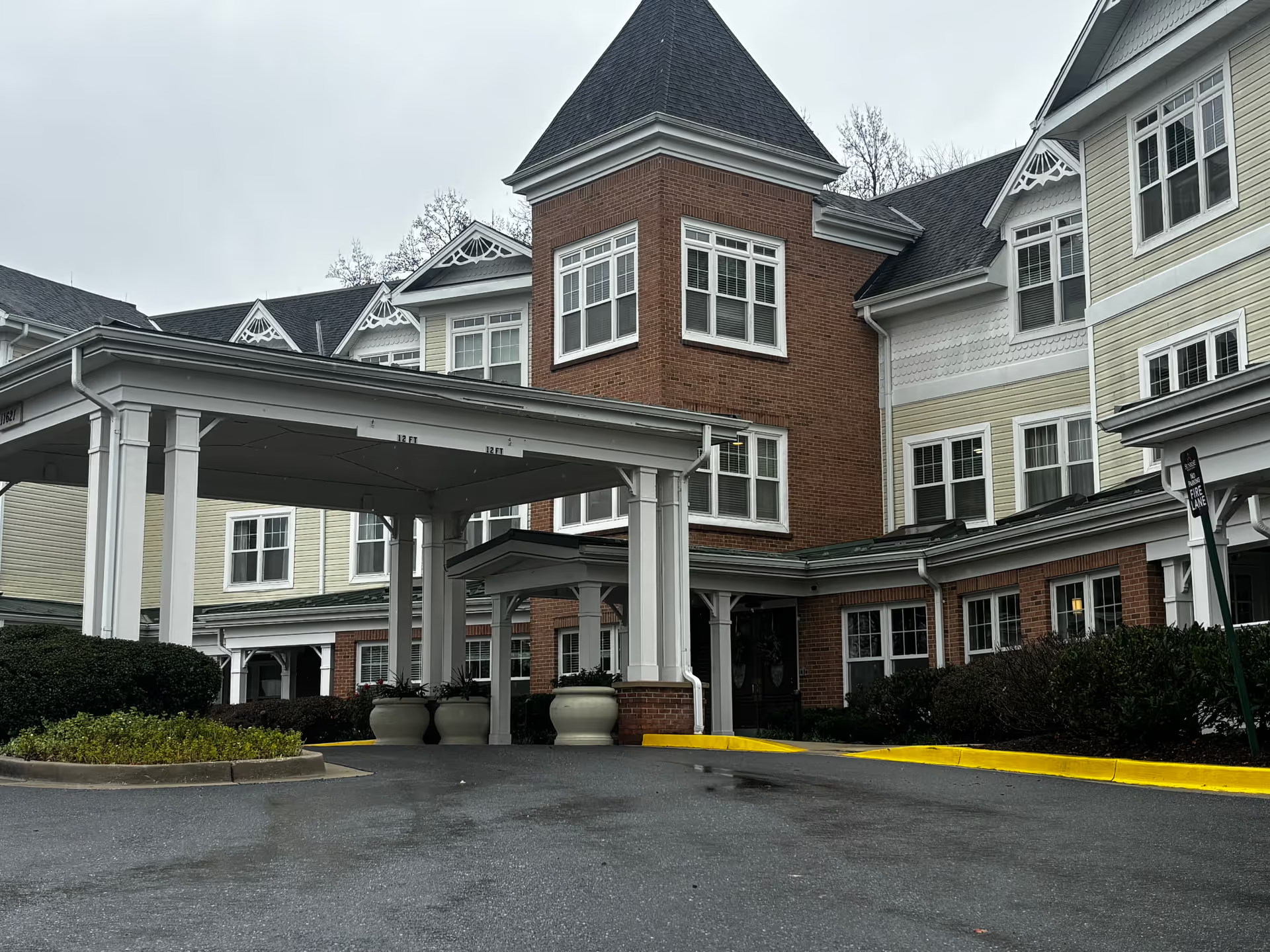
Arden Courts of Silver Spring is consistently described as a memory-care–focused community with a strong emphasis on individualized, compassionate caregiving. Families and visitors commonly praise the quality and patience of direct-care staff, the presence of experienced licensed nurses on site, and long-tenured employees who know residents' names and preferences. The facility's layout — typically described as neighborhood-like with a single-level design and outdoor patios — and homelike décor support dementia-friendly navigation and a calm environment for residents.
Clinical and caregiving strengths include full-time on-site nursing support, personalized attention from specific nurses and aides, and a staff culture that many families describe as warm and family-oriented. Activity programming is a pronounced asset: reviewers note daily therapeutic offerings such as music from residents' era, arts and crafts, games, live performers, pet visits, exercise, and structured cognitive therapies that many families credit with reducing anxiety and increasing engagement. The community also runs routine family events and holiday celebrations that reinforce a sense of belonging.
Dining and ancillary services receive generally positive comments about a trained chef, freshly prepared meals, and comprehensive services such as laundry, housekeeping, salon, and on-site amenities. At the same time, families describe variability in meal satisfaction — some praise the food and kitchen cleanliness while others find the offerings uneven — suggesting that dining experience can fluctuate by meal or shift. Common-area cleanliness and a well-maintained kitchen are frequently noted as strengths, though reviewers also indicate that some resident rooms and finishes show wear or are dated.
Operational patterns of concern cluster around communication, staffing consistency, clinical coordination, and affordability. Several families described lapses in communication with management or outside providers (including difficulty contacting physicians or receiving clear visit information), and a few recounted breakdowns in adhering to individualized care plans or hospice directives. Staffing levels are frequently cited as adequate during core hours but thinner on evenings, nights and weekends; this variability is linked to perceptions of slower responsiveness and occasional supervision gaps. Cost is another recurrent theme — monthly rates and increases have led some families to question long-term affordability.
Other recurring issues include language or accessibility barriers for some relatives, inconsistent phone responsiveness for distant family members, and localized maintenance or odor concerns in certain areas. While serious clinical incidents were described by a small number of families, these accounts primarily indicate operational weaknesses in incident response, family notification, and coordination with external clinicians rather than a uniform pattern across the community.
Overall, Arden Courts of Silver Spring appears to deliver a high level of memory-focused social and clinical programming with many strengths in staff engagement, nursing presence, and activity offerings. Prospective families should weigh these strengths against reported variability in staffing at off-hours, occasional maintenance and odor issues, communication and coordination gaps, and the facility's cost structure. Visiting the neighborhood units, meeting the clinical team, and clarifying escalation and hospice coordination procedures during the tour can help families assess fit and address the operational concerns described above.