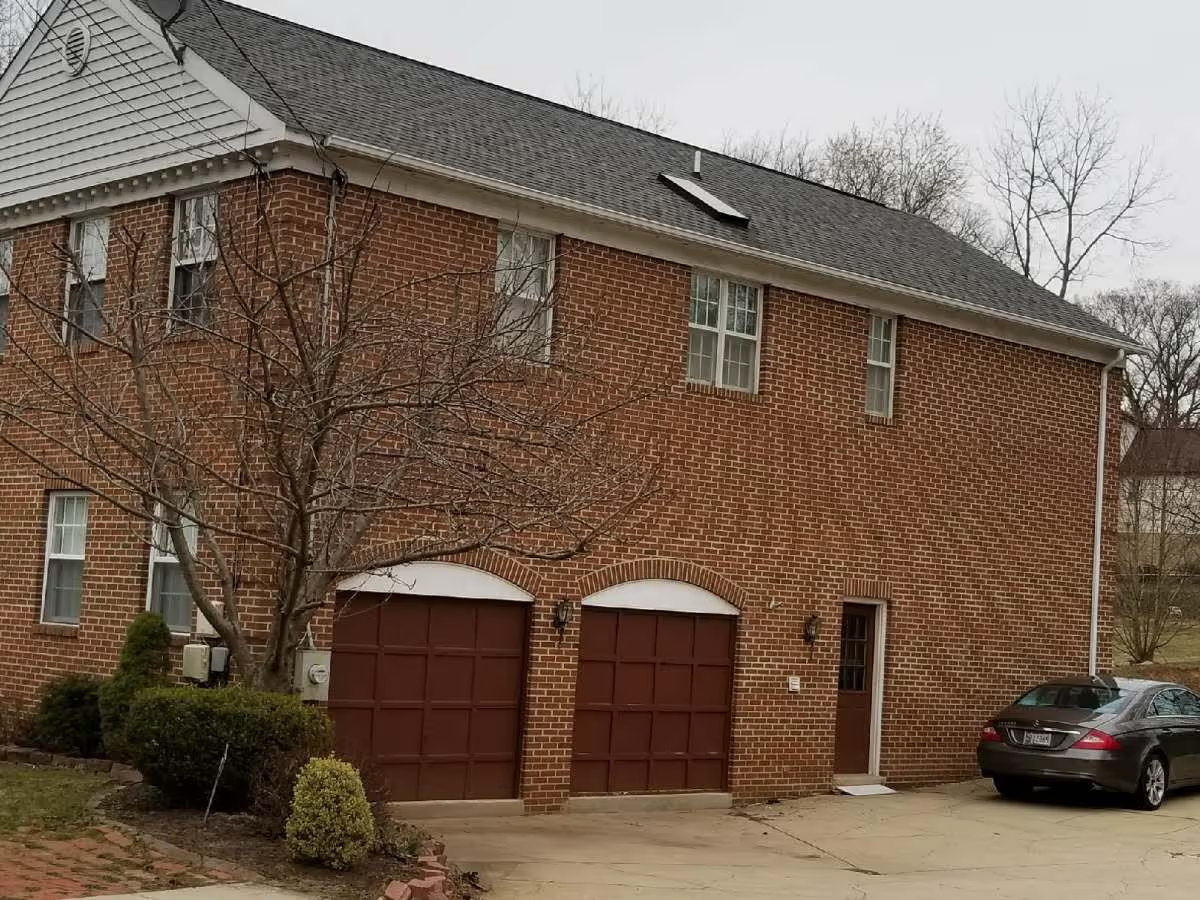
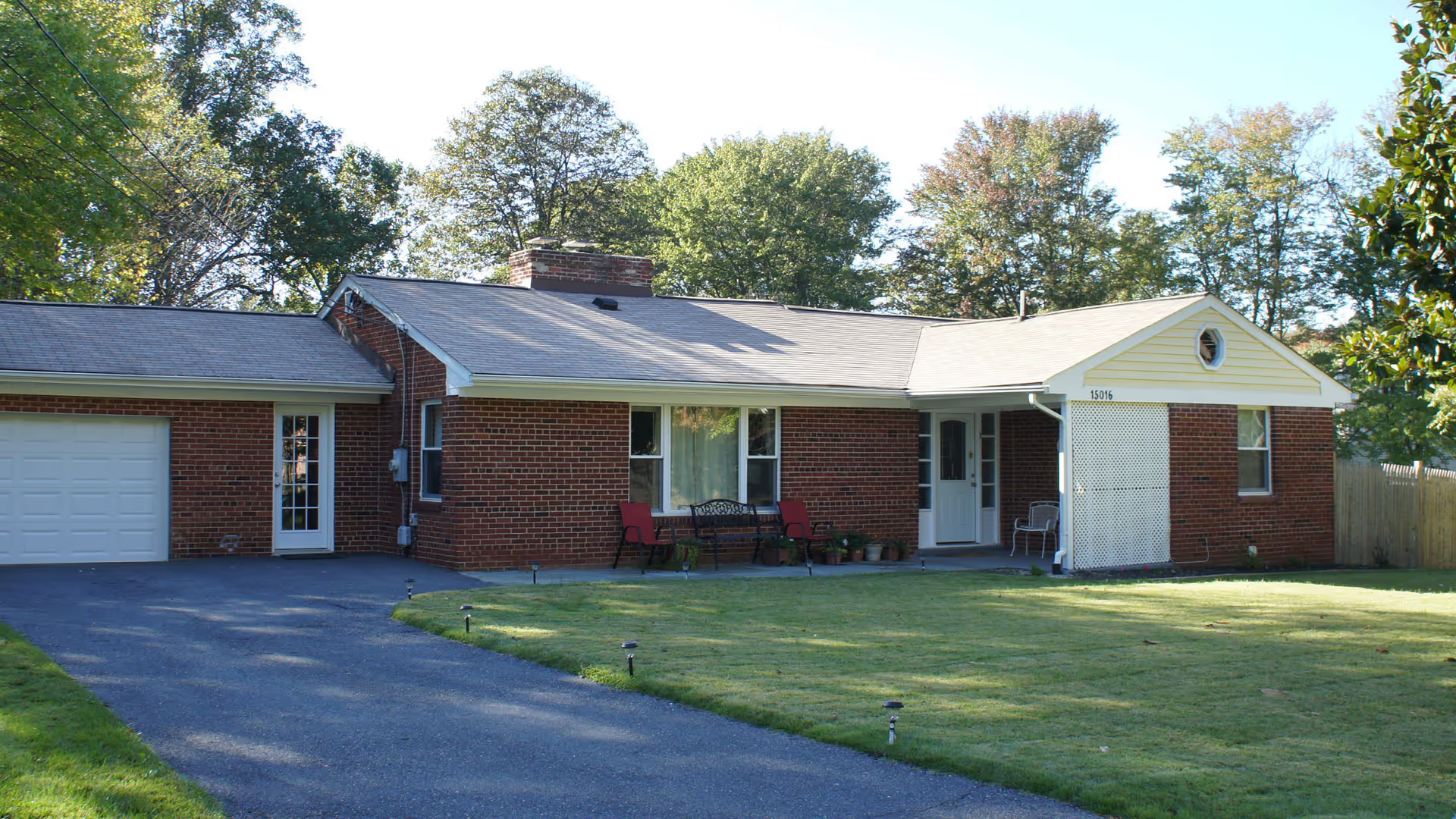
Overall impression Clifton Woods Memory Care Home is consistently described as a small, private-home style memory-care provider with many strengths associated with that model: a home-like environment, a strong staff-to-resident ratio, long-tenured caregivers, and dementia-focused training. Families frequently cite attentive, personalized caregiving, timely notification when health changes occur, and assistance that honors resident preferences. The community's size and private-house character are repeatedly mentioned as contributing to a calm, reassuring atmosphere and a sense of safety and comfort.
Care and staff Care quality is portrayed favorably in most accounts. Reviewers emphasize dementia-trained staff, personalized care plans, and proactive clinical oversight by on-site directors. High staff retention and long-tenured caregivers are cited as stabilizing factors that support continuity of care. At the same time, a pattern of concern appears linked to organizational change: some families perceived staff fatigue and declining morale after a change in ownership, raising questions about sustainment of those positive staffing attributes over time. Prospective families should inquire about current staffing levels, turnover metrics, and staff-support programs when evaluating the facility.
Dining and activities Dining is characterized as homelike, with home-cooked meals and attention to resident preferences. Activity programming is often described as creative and appropriately grouped by residents' cognitive and functional levels, which supports engagement for memory-care residents. These programmatic elements appear to be core strengths, with staff taking time to individualize activities and maintain a stimulating environment.
Facilities and operations The physical environment is described as clean and well-maintained, reinforcing the private-home feel. Reviewers note smooth transitions when moving residents to higher levels of care within the provider network. However, several accounts express concern about shifts in operational emphasis after ownership changes; those concerns center on perceived prioritization of financial objectives and lapses in oversight. These are presented as patterns rather than documented incidents, but they suggest the need to review current operational policies and oversight mechanisms.
Management and notable patterns Management is often praised for being proactive and responsive, with directors who communicate and follow up on issues. This leadership presence is cited as contributing to family reassurance and peace of mind. Counterbalancing that, there are recurring impressions of decreased enthusiasm and reduced family engagement linked in time to an ownership transition. For prospective residents and families, useful due diligence topics include current management structure, approaches to family communication, metrics on staff morale and turnover, and evidence of continued investment in dementia-specific training and activities.
Bottom line Clifton Woods presents as a model small-home memory-care setting with many operational strengths: skilled, long-standing staff, dementia-focused programming, home-style dining, and a well-kept environment. The primary concerns emerging in the available feedback relate to organizational change and its effects on staff morale, oversight consistency, and family engagement. Families seeking a residential, dementia-specialized environment will find many positives here, but should ask targeted questions about current ownership priorities, staffing stability, and how the community maintains program quality during transitions.