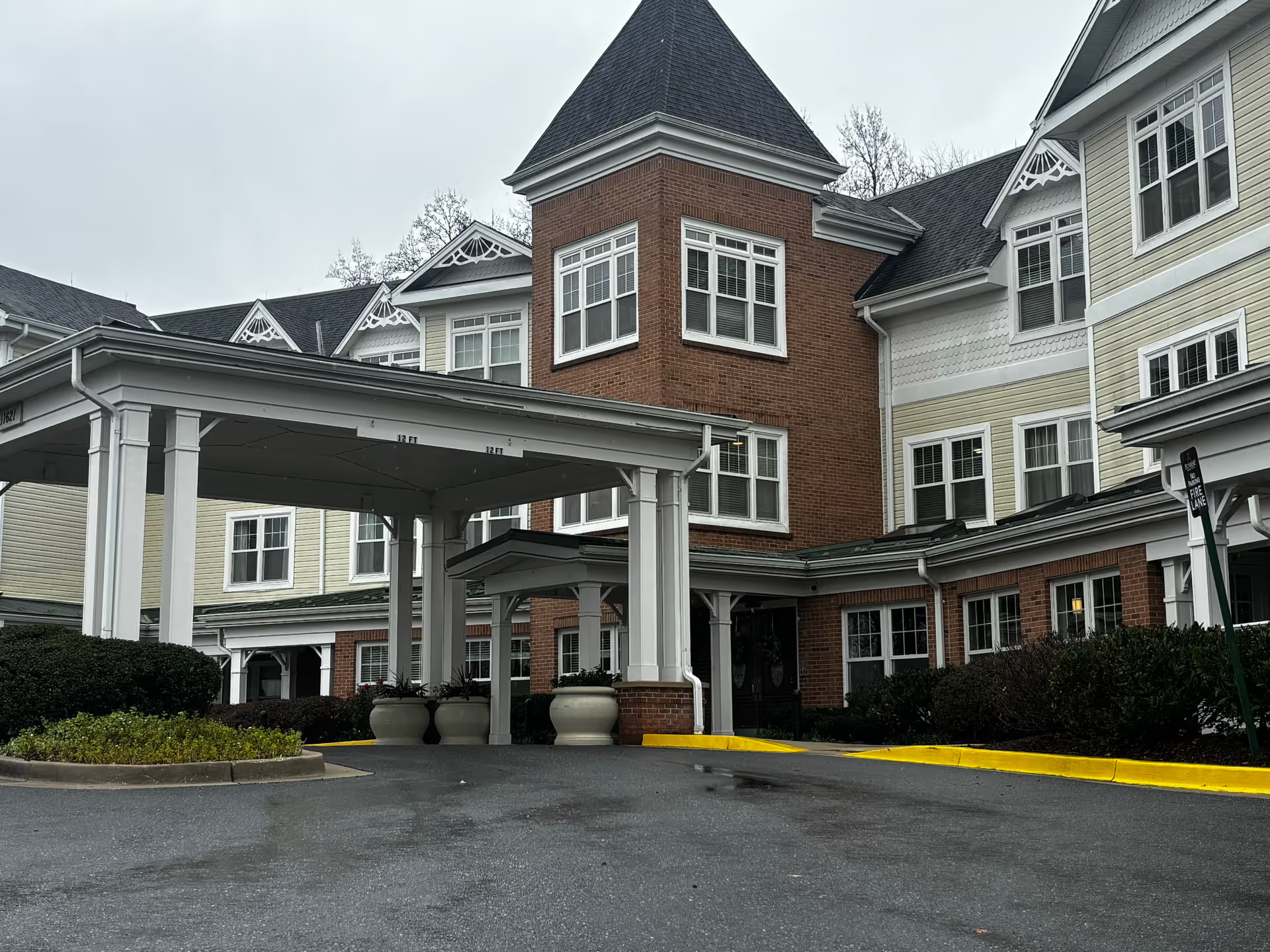
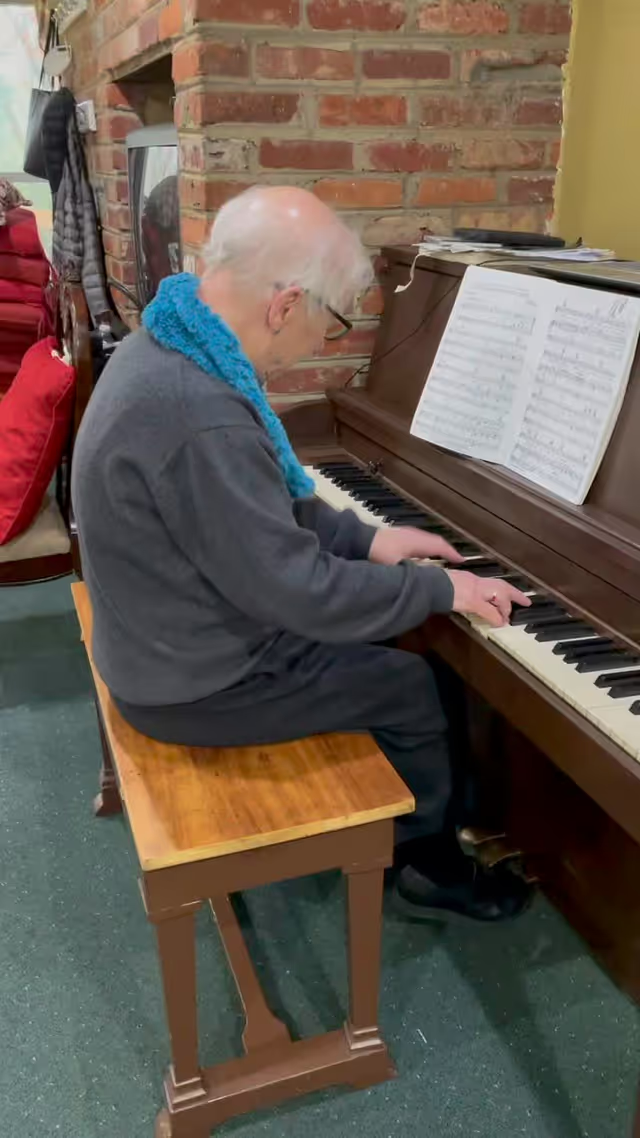
Autumn Lake Healthcare at Silver Spring elicits a strongly mixed set of impressions. Many families and patients praised the facility’s rehabilitation services, noting frequent, effective physical and occupational therapy that produced measurable progress for some residents. The activities department — frequently singled out by name — is widely regarded as a strength: programs are creative, socially engaging, and perceived as beneficial to resident morale. Several reviewers also highlighted dedicated social-work support and individual staff members who provided clear communication, personalized attention, and helped families navigate care transitions.
At the same time, persistent operational issues are evident across multiple accounts. Staffing levels and consistency were continual concerns: reviewers described delays in nurse response, long waits for basic assistance, and high staff workload. Those staffing constraints appear to be associated with delays in medication timing, uneven attention to incontinence care, and slower-than-expected responses to call lights. Communication gaps between clinical staff, administrative offices, and families emerged repeatedly, including missed phone calls, inconsistent reporting of vital signs, and variable follow-up after clinical events.
Sanitation and facilities maintenance are recurrent themes. Several accounts referred to uneven housekeeping performance, odor concerns in some areas, pest-control issues, and aging physical plant elements that would benefit from refresh and repair. Dining quality and meal-service consistency were also variable: some families praised the food and weight gain, while others described marginal meal quality and limited therapeutic or diabetic meal options. Supply-chain issues — including shortages of pull-ups, blankets, or pressure-relief equipment — were reported as operational weaknesses that affect resident comfort and safety.
Safety, security, and conduct concerns appear intermittently but are notable. Reports include allegations of missing personal items and at least one serious staff-related safety claim; these raise questions about property-control procedures and incident reporting. Several reviewers raised concerns about transfer and mobility assistance practices and about the overall reliability of clinical documentation and handoffs. Conversely, other families described the staff as caring, professional, and instrumental in successful recoveries, creating a clear division between positive care experiences and critical operational failures.
Management impressions are mixed: some families described proactive, communicative leadership that resolved issues quickly, while others experienced ineffective follow-up and inconsistent enforcement of policies. For prospective residents and families, the pattern suggests that individual experiences can vary substantially depending on unit, shift, and staffing. Important pre-admission questions include current staffing ratios, infection-control and housekeeping protocols, medication administration timing, pest-control measures, property-theft prevention practices, and the facility’s plan for addressing maintenance needs. A focused, in-person tour and direct discussions with therapy, nursing leadership, and social work are advisable to assess how current operations align with a prospective resident’s clinical and comfort needs.