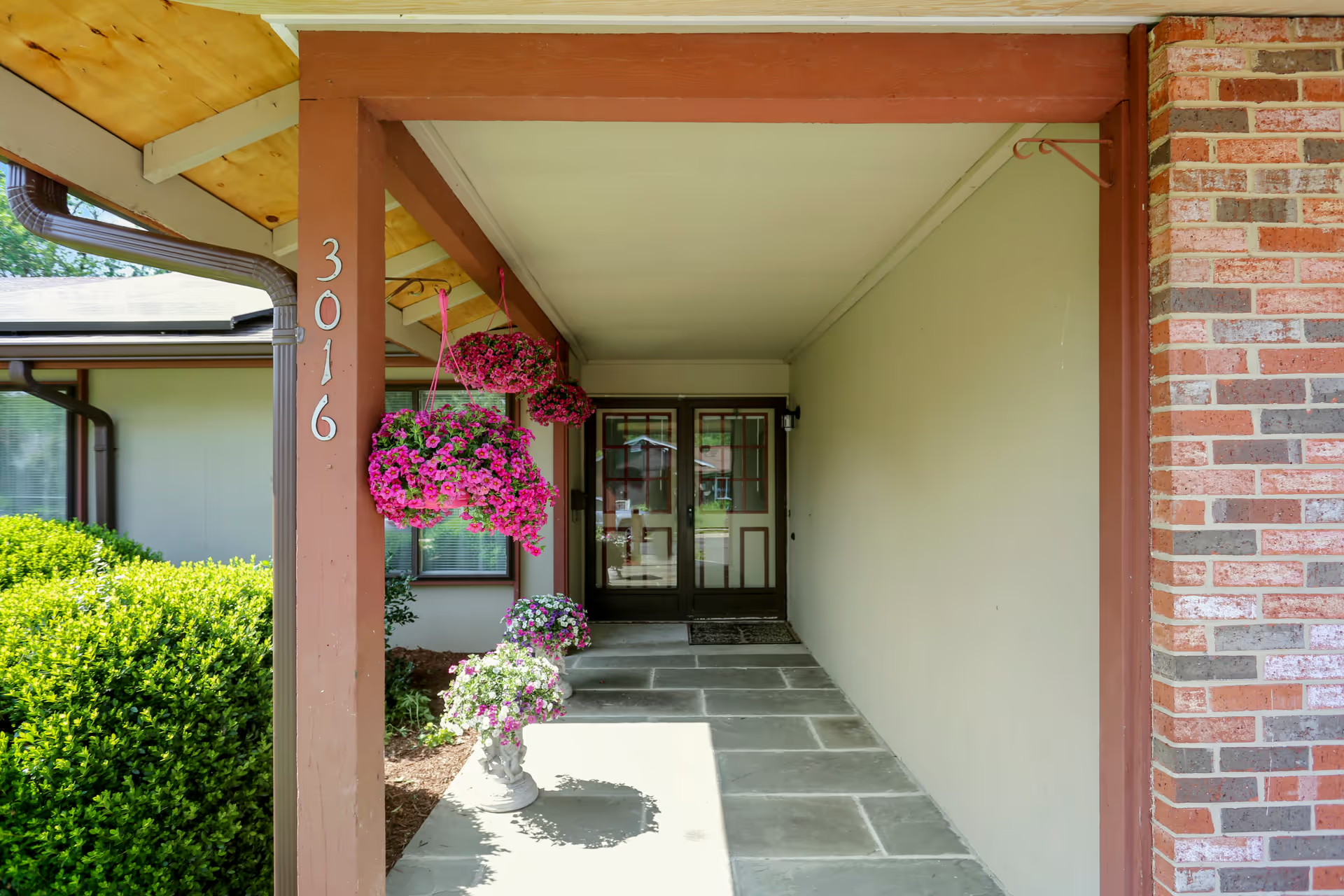
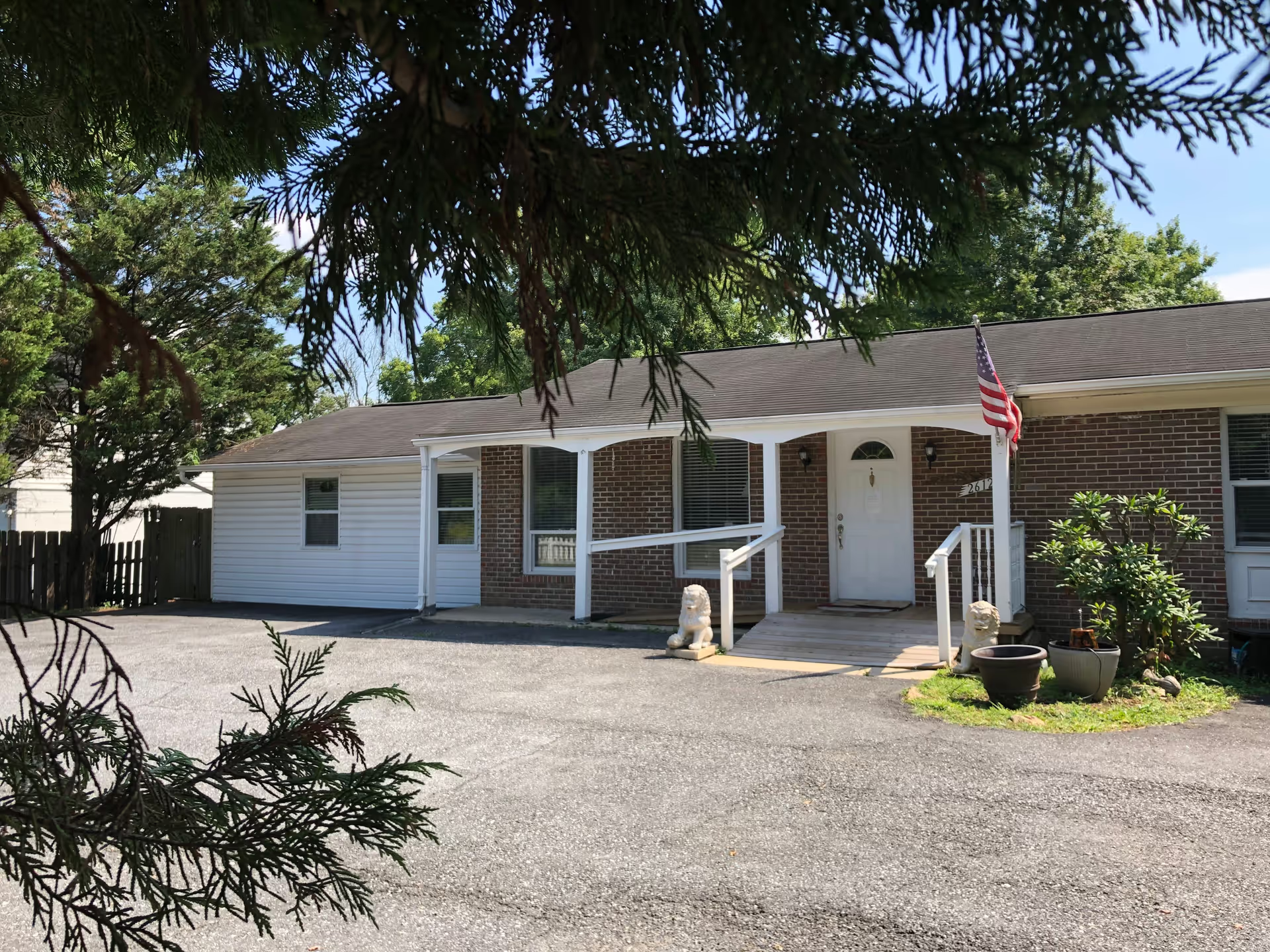
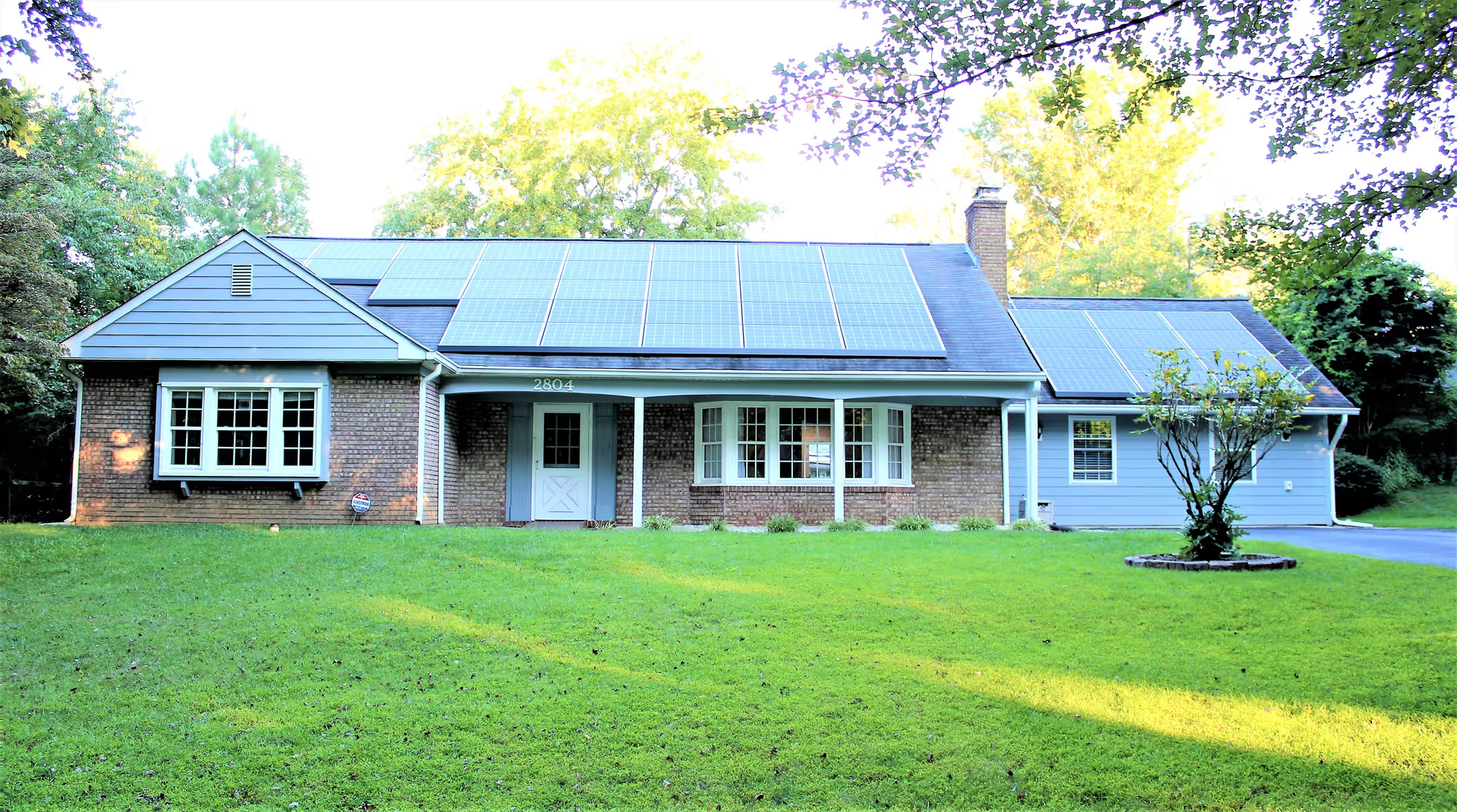
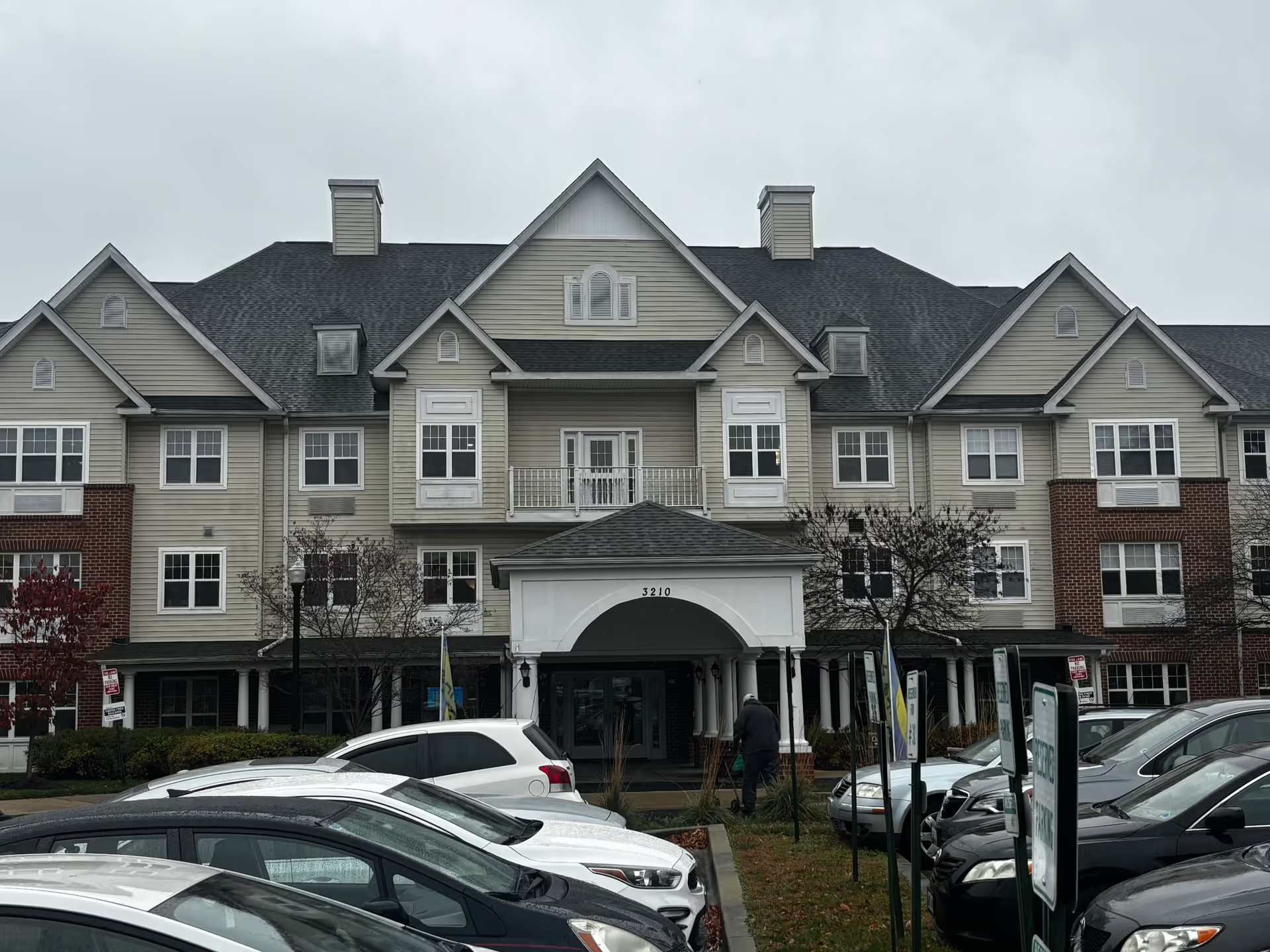
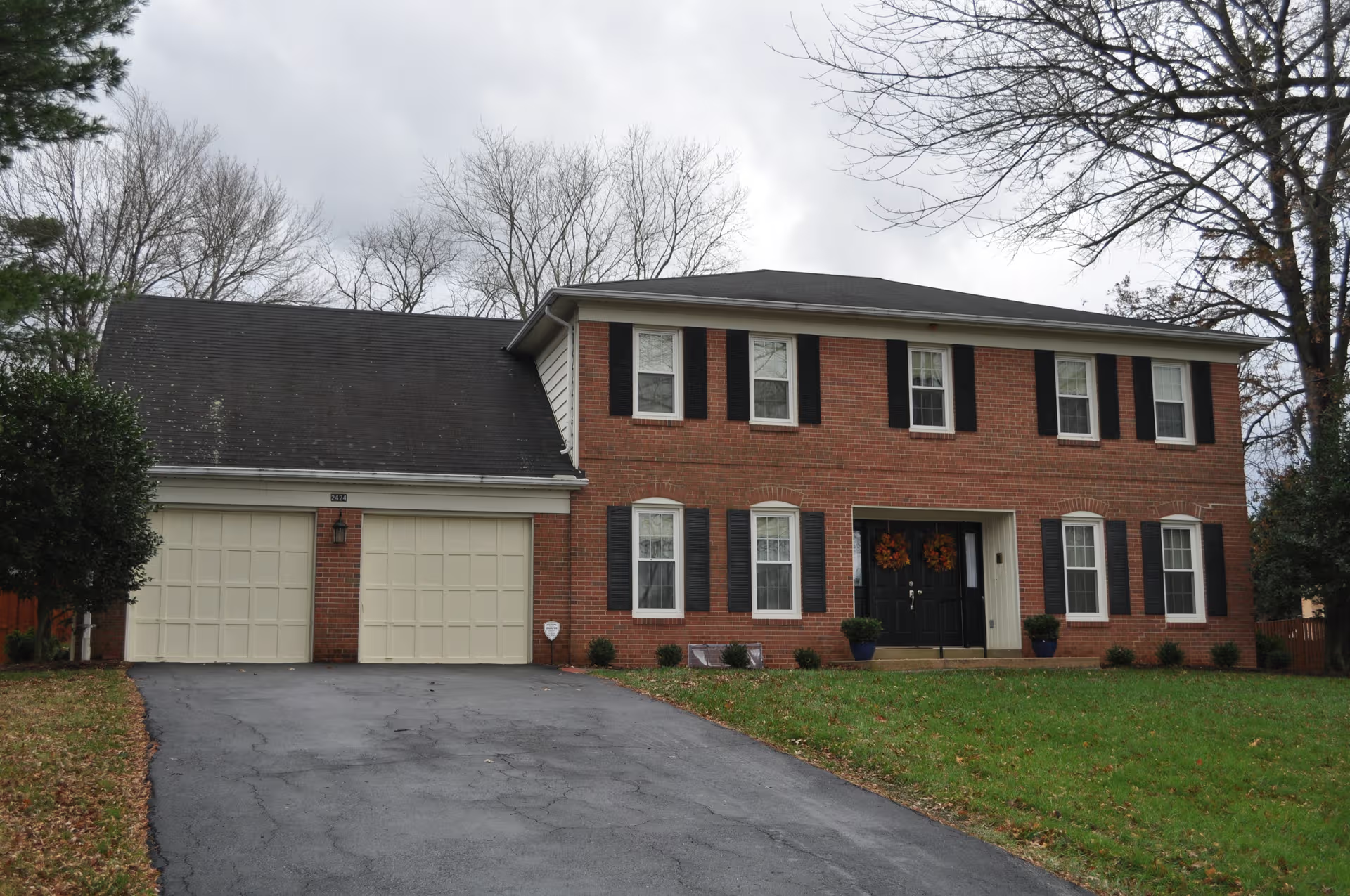
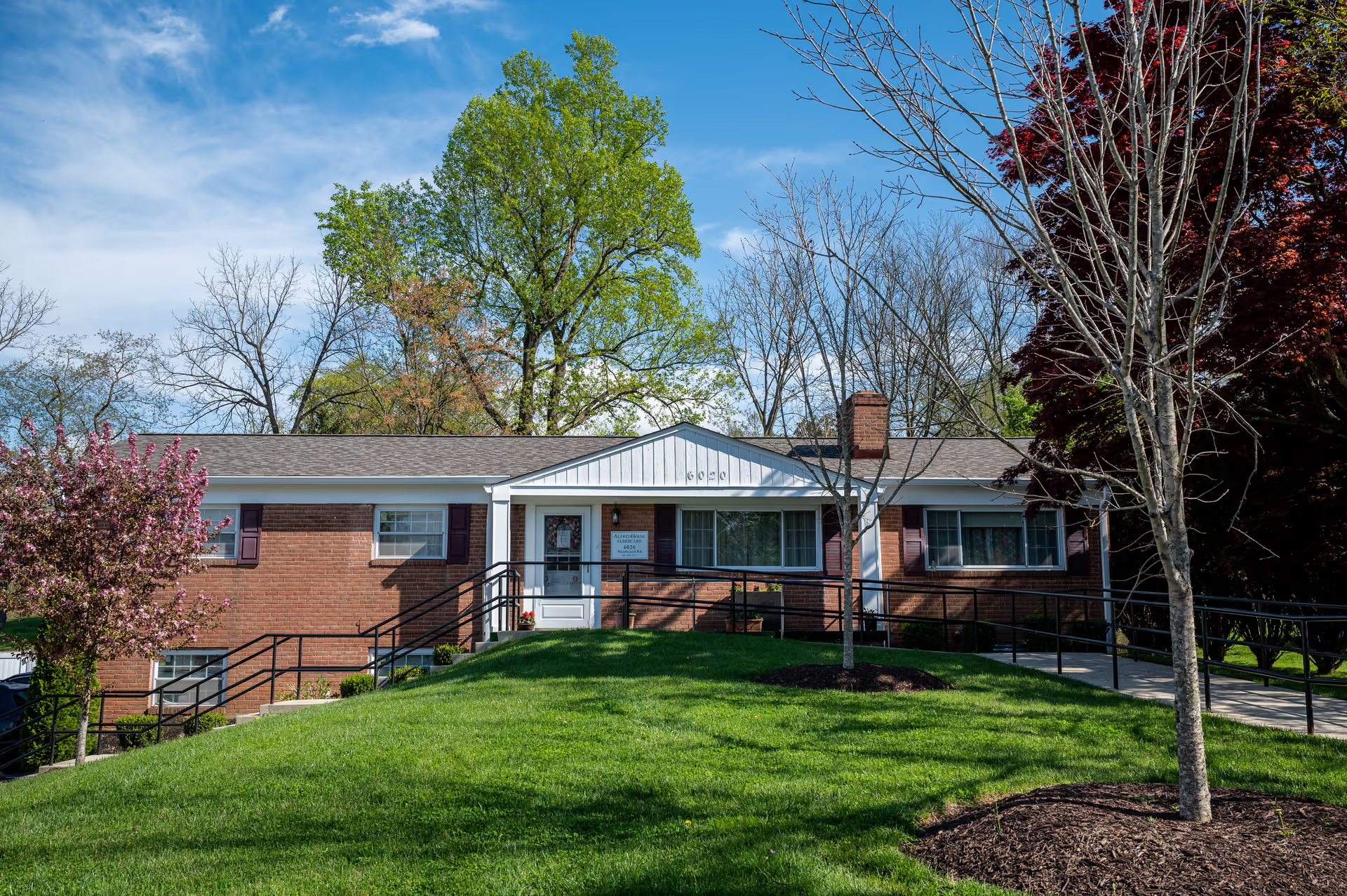
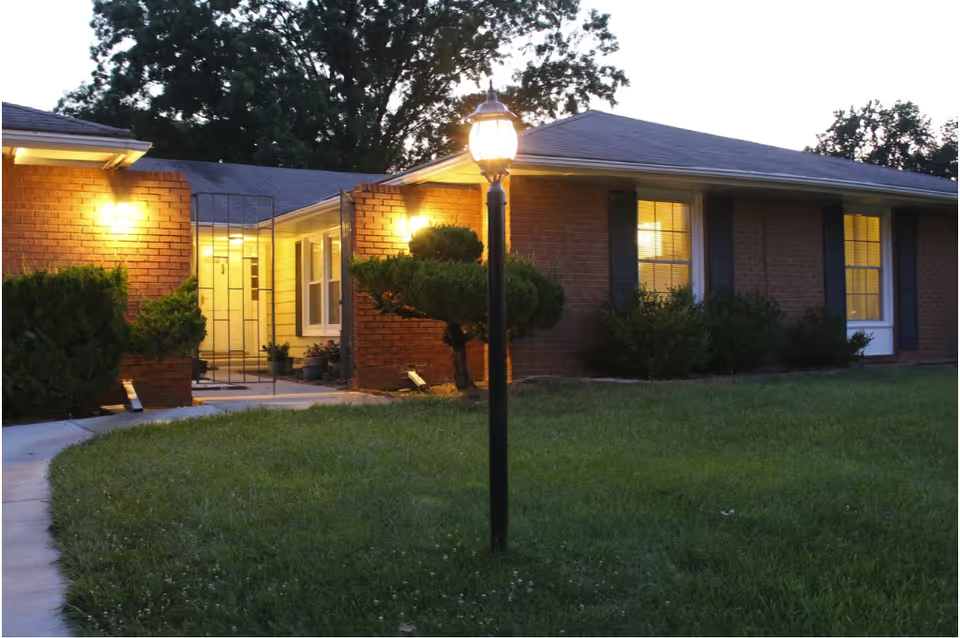
Overall impression: The facility is consistently described as a small, home-style assisted living environment with a warm, family-oriented atmosphere. Many comments emphasize attentive, compassionate caregivers, a calm and secure setting, and strong family satisfaction. The small-resident house model and home-cooked meals are recurrent positives, and community activities—particularly spiritual programming, crafts, and family celebrations—contribute to an engaged environment.
Care quality and staff: Strengths include a steady pattern of descriptions of caring, professional, and knowledgeable staff who provide attentive oversight and create a reassuring environment for families. However, there are isolated but notable concerns indicating operational weaknesses: communication can be impeded by limited English proficiency among some staff, and several accounts point to inconsistent delivery of basic personal-care tasks. Additionally, specific concerns about transfers suggest gaps in mobility-assistance technique or training that could affect resident safety.
Dining and activities: Dining is a clear strength; reviewers highlight fresh, homemade, nutritious meals and a home-style kitchen approach. Activities are described as engaging and community-focused, with regular spiritual offerings (Bible study), crafts, and celebratory events that support social connection and routine.
Facilities and safety: The physical setting is characterized as warm and home-like, consistent with the small-house model. Many families find the environment calm and peaceful. Contrastingly, some comments raise safety-management and monitoring gaps, and express concern about the facility’s ability to meet the needs of residents with more advanced mobility or dementia care needs. These concerns suggest that the homelike model may not always be paired with sufficient clinical or dementia-specific resources.
Management, communication, and notable patterns: Family endorsements suggest responsive family communication and an emphasis on personalized care for many residents. At the same time, the negative accounts—while less frequent in the set—signal potential issues in staff training, language-concordant communication, and dementia-specific programming. For prospective residents and families, recommended pre-admission steps include: observing staff–resident interactions during transfers and personal-care moments, asking about staff language capabilities and how language barriers are handled, reviewing dementia-care training and protocols, and confirming supervision/monitoring practices for mobility and safety. These checks will help determine whether the facility’s homelike strengths align with a given resident’s clinical and communication needs.