Overall impression: The facility is frequently characterized by reviewers as a warm, community-focused senior living environment with a strong emphasis on hospitality, dining, and person-centered care. Praise centers on an engaged caregiving team, visible administrative leadership, and a wide set of services that support independent and assisted-living needs. Many families and residents highlighted the dining program, therapy services, and the social atmosphere as key strengths that contributed to quality of life and a smooth transition into the community.
Care and staff: Reviewers consistently praise staff compassion, attentiveness, and clinical responsiveness. Nursing and caregiving teams receive favorable mention for individualized attention, crisis response capability, and round‑the‑clock availability. Leadership and sales/administration are often described as hands-on and communicative; several comments reflect confidence in the executive team’s involvement. At the same time, reviewers flagged operational patterns that affect care consistency: occasional understaffing, turnover among front-line staff or leadership presence that varies, and communication lapses between staff and families. These issues are described as intermittent rather than pervasive but have been cited as sources of anxiety or uneven experiences for some families.
Dining and meals: Dining is a clear strength for the community. Multiple accounts note restaurant-quality meals prepared by trained culinary staff, menu variety, accommodations for dietary needs, and well-managed special events (holiday dinners, luncheons). Positive observations include attentive dining-room service and enjoyable family dining opportunities. Counterbalancing this, a subset of accounts reference variability in meal-service consistency—most commonly food temperature or delivery issues—indicating that meal execution can be uneven at times.
Activities and therapy: The activity program is broad and active, with organized classes, outings, performances, faith services, exercise programs, arts and crafts, and intergenerational events. Therapy and rehabilitation services are highlighted as strong contributors to resident progress and satisfaction. Some reviewers observed that resident participation levels vary and that activity offerings were constrained at times by pandemic restrictions or staffing, suggesting that the vibrancy of the program may depend on participation and operational capacity.
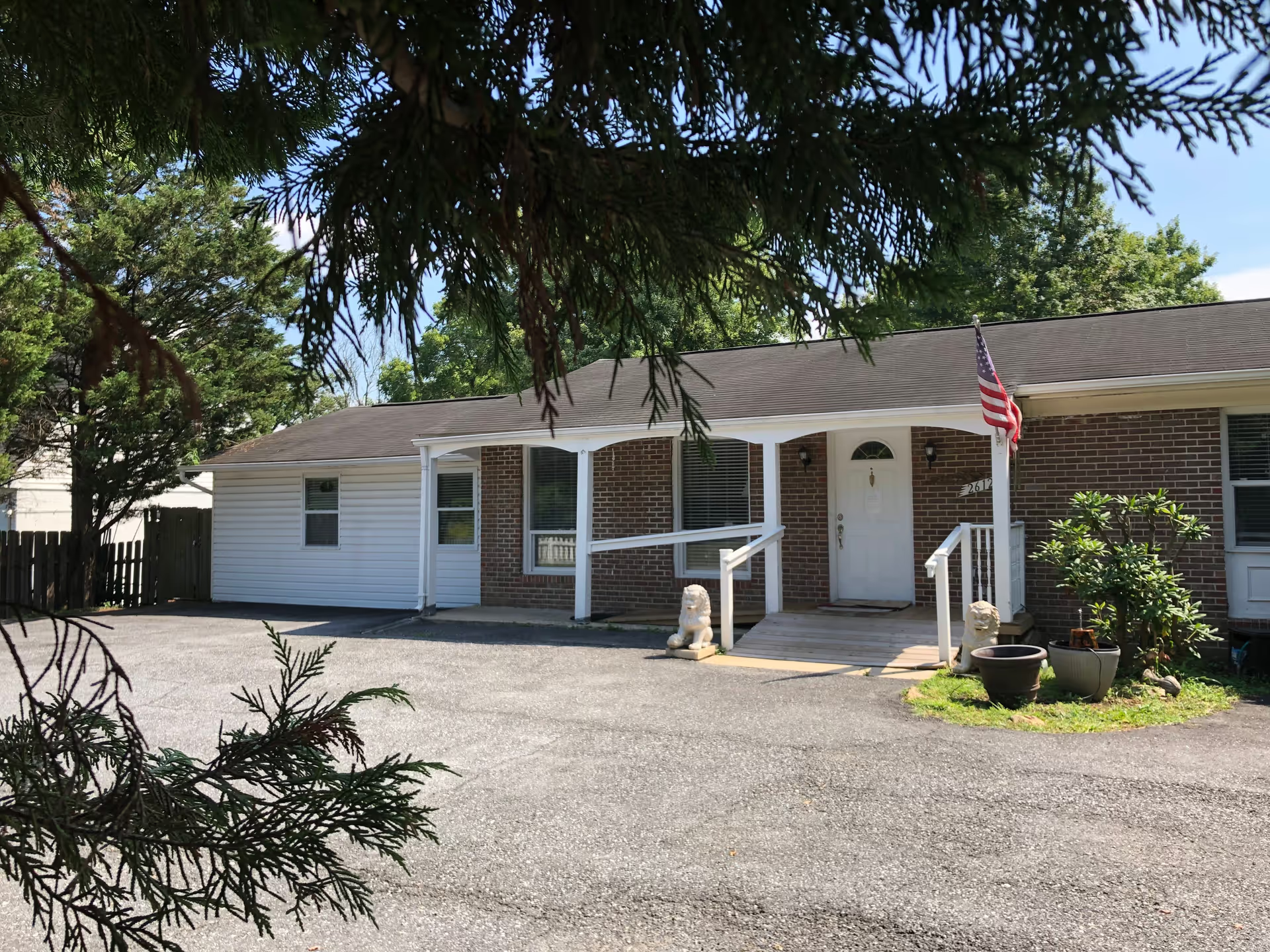
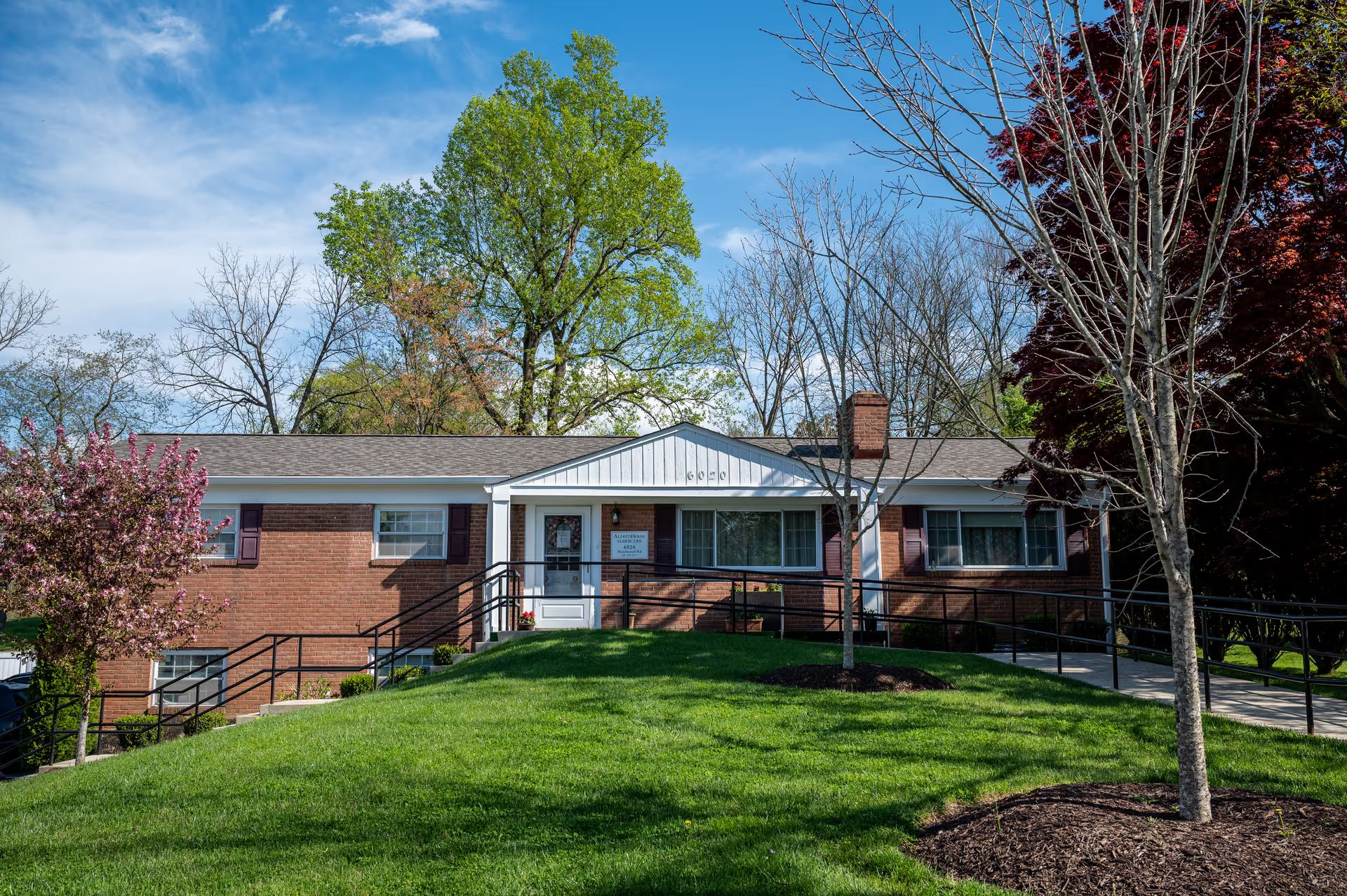
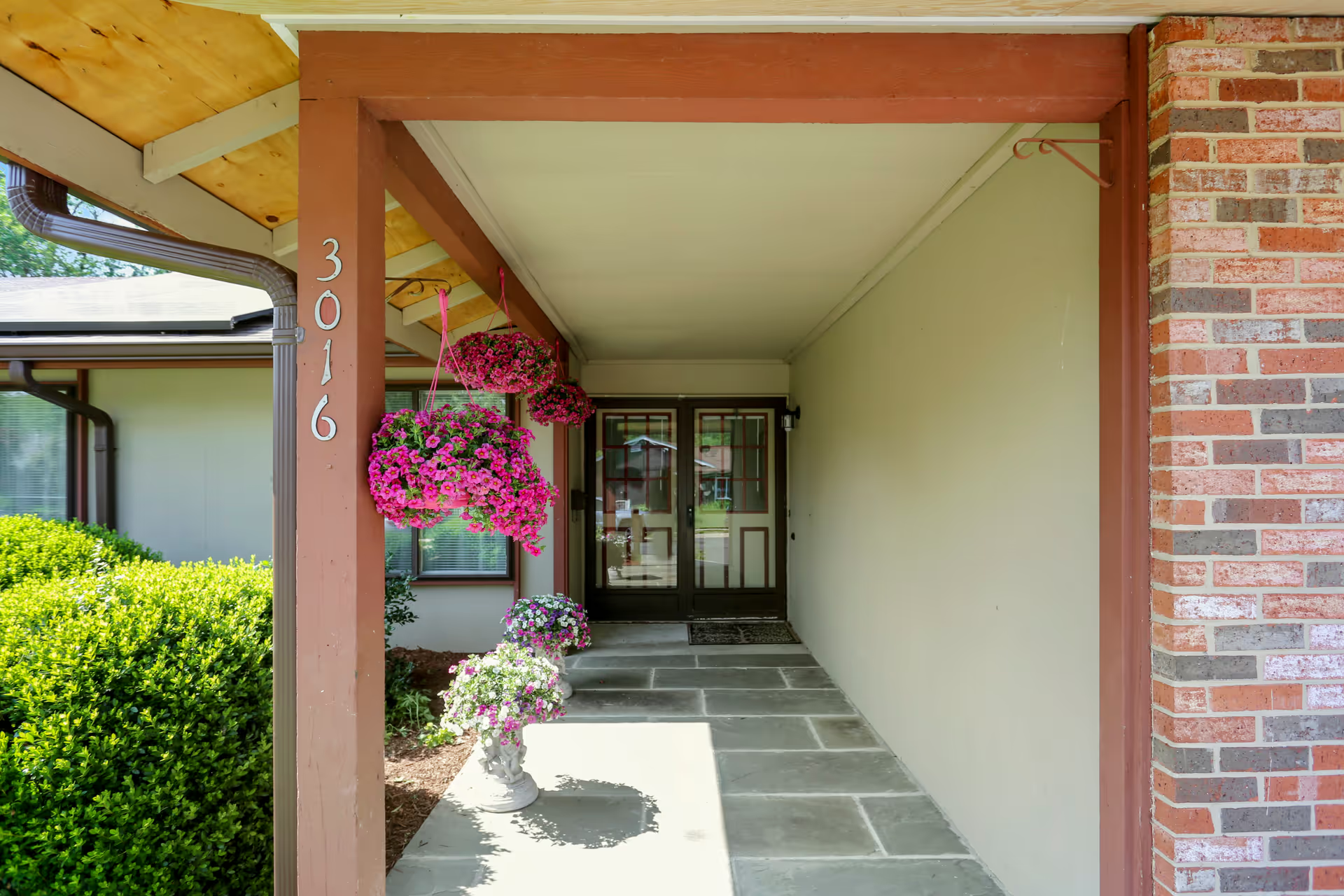
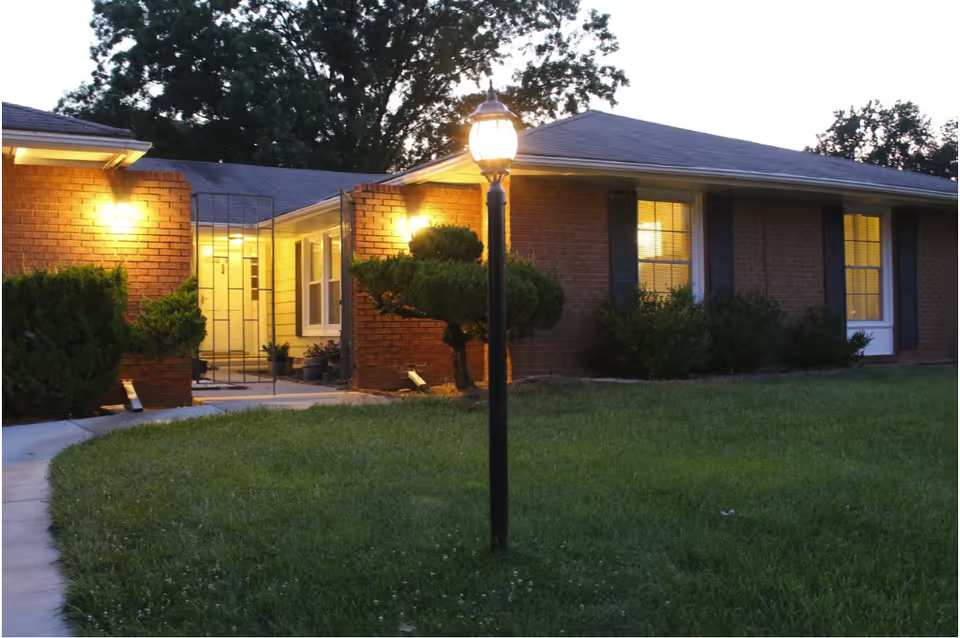
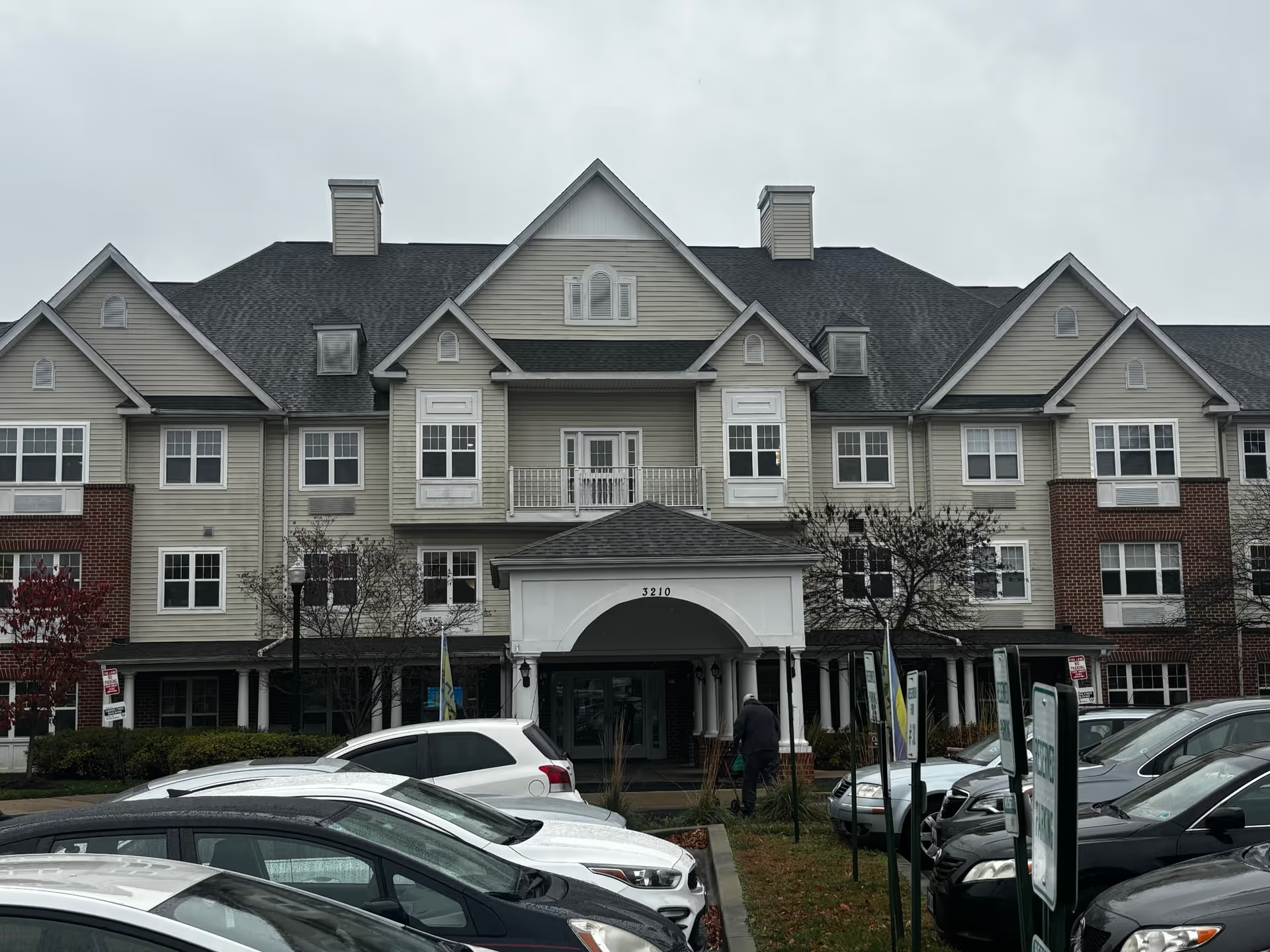
Facilities and services: Physical accommodations receive positive notes for spacious, light-filled apartments with full kitchens, communal dining and lounge areas, and pleasant outdoor space. On-site services such as pharmacy access, laundry, salon services, and transportation are valued. However, a number of reviews indicate sanitation and odor concerns in particular areas and inconsistencies in housekeeping and maintenance attention. Maintenance responsiveness is sometimes praised as timely, while other accounts describe slower or less effective follow-up, pointing to variability in facility operations.
Management and patterns to watch: Leadership is frequently cited as proactive, transparent, and family-oriented; the facility’s pandemic response and infection-control measures drew commendation. Still, reviews reveal patterns worth monitoring: staff turnover or changes in key personnel can affect day-to-day culture and consistency; communication between staff and families sometimes lapses; and there is occasional confusion about whether a given apartment or service falls under independent or assisted living. Families considering the community should clarify level-of-care expectations and procedures for incident communication during the tour and in the move-in agreement.
Bottom line: The facility presents as a hospitality-minded community with notable strengths in dining, social programming, rehabilitation services, and a generally compassionate staff culture. Prospective residents and families should weigh these strengths against operational variability noted by some families—particularly around sanitation consistency, staffing levels, meal-service execution, and communication—and seek direct clarification on staffing patterns, incontinence-care protocols, maintenance response procedures, and level-of-care classification during the selection process.