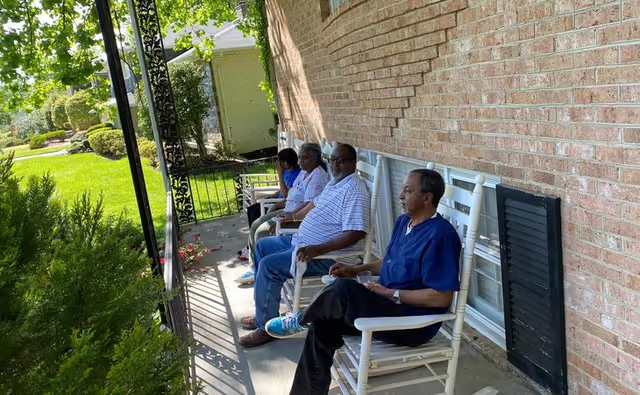
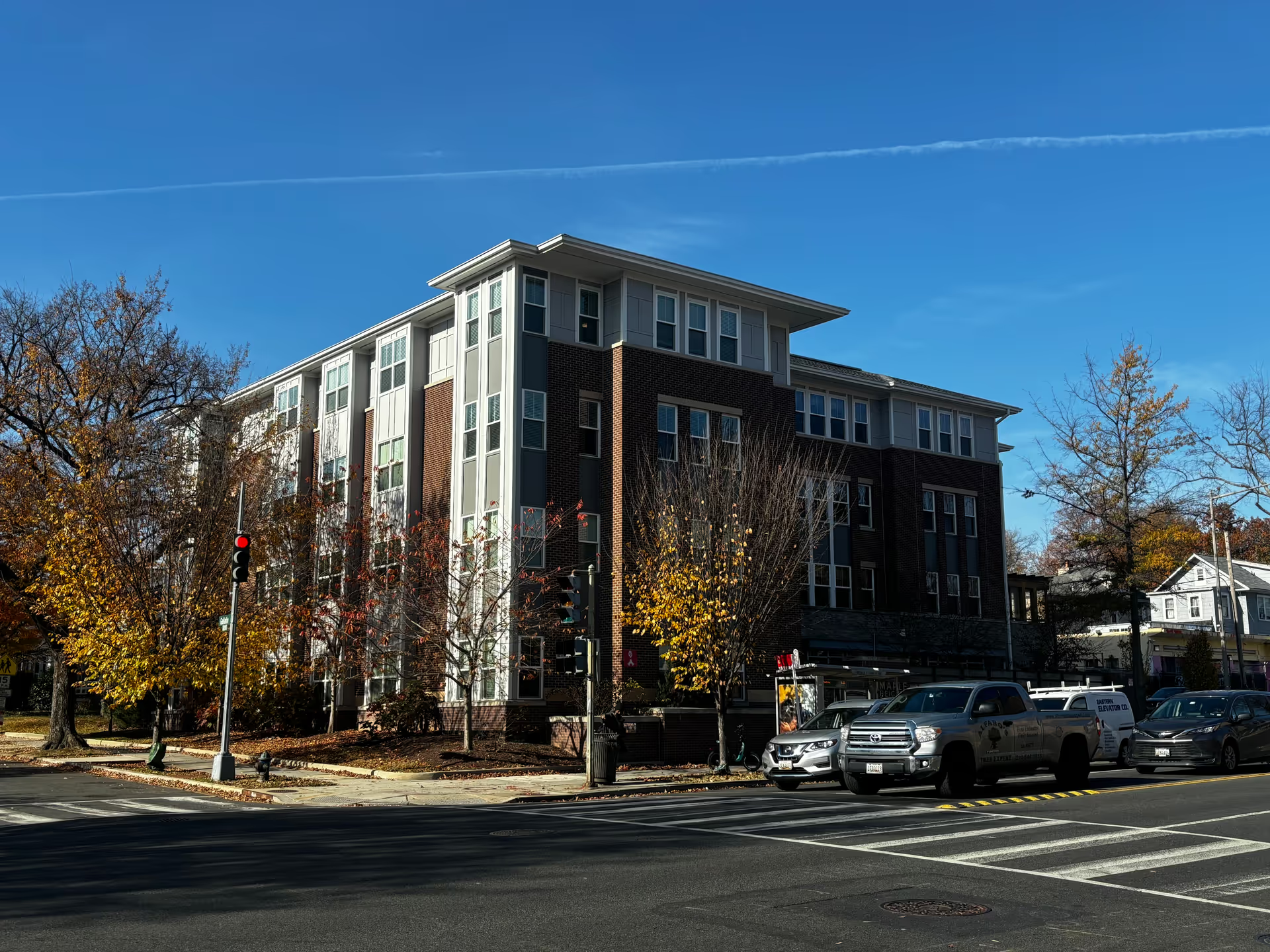
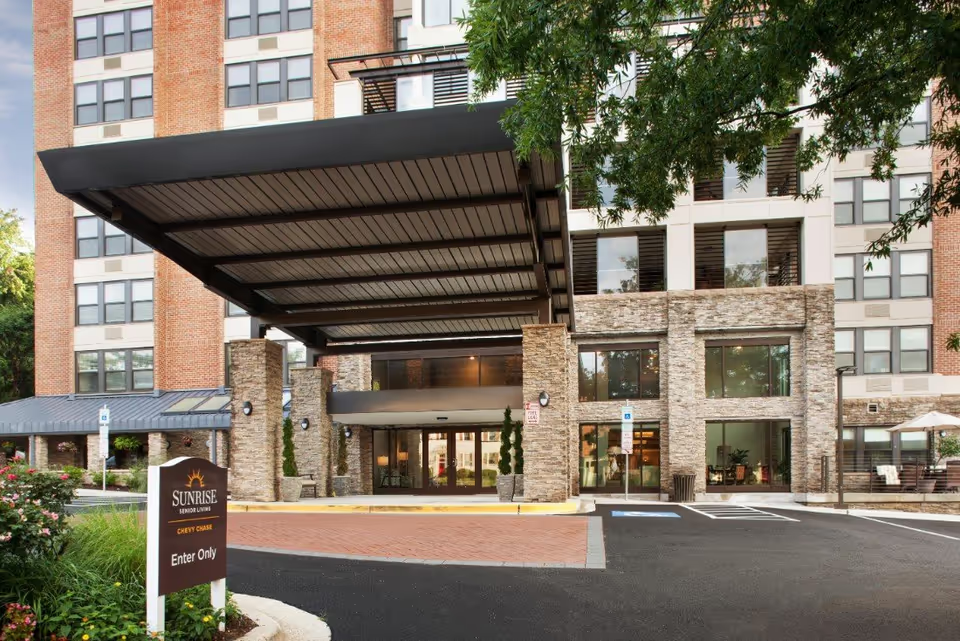
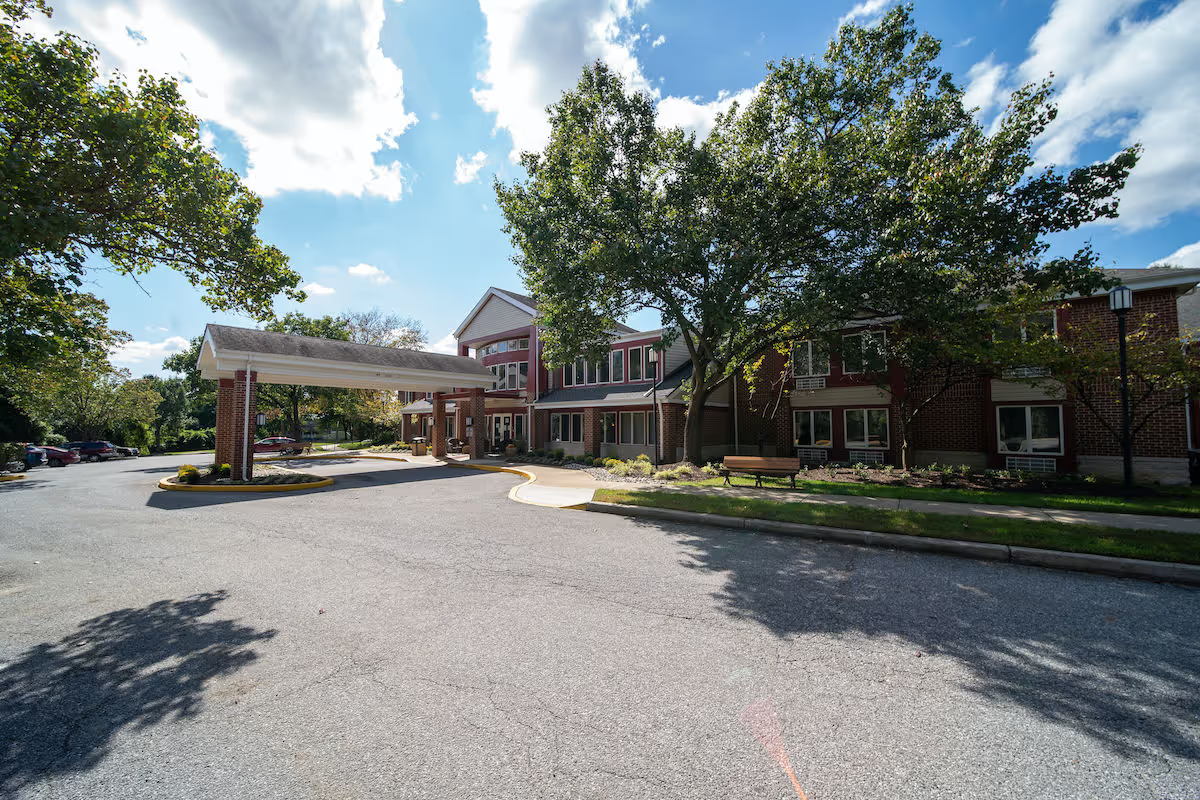
Sligo Creek Healthcare elicits strongly mixed impressions: many reviews describe successful, recovery-oriented rehabilitative stays with clear functional improvement, while others outline significant operational shortcomings that affected clinical outcomes and resident experience. Rehabilitation services are frequently cited as a major strength — physical and occupational therapists are credited with restoring mobility, teaching family members home strategies, and providing intensive weekday and weekend programming that contributed to measurable gains. In parallel, several reviewers praised compassionate caregivers, attentive nursing in individual cases, proactive housekeeping, and accessible front-desk procedures that supported admissions and family contact.
Conversely, a recurring pattern of inconsistent care quality emerges across multiple domains. Staffing levels and reliance on temporary contract personnel are commonly linked to slow response times, missed or delayed assistance, and variability in personal-care routines such as bathing and linen changes. Medication management and pharmacy delivery were identified as operational weaknesses in multiple accounts, including missed doses, unclear consent communication, and delayed refills that families found concerning. Wound care and clinical follow-through are uneven: some reviews describe successful wound management, while others document gaps in clinician coordination, outdated equipment, and transfers to higher-acuity settings after clinical decline.
Dining and nutrition receive mixed evaluations: some residents find meals enjoyable and creatively prepared, with regular service and friendly kitchen staff; others describe inconsistent portioning, strong seasoning preferences, and insufficient diabetes-appropriate options or clear menus. Activities and therapy amenities are frequently noted as positive contributors to morale, including exercise rooms, board games, and an active calendar; however, the availability and execution of activities can vary by unit and by staffing.
Facility condition and sanitation reports are also mixed. Several accounts describe clean, well-maintained common areas, functioning utilities, and regular room cleaning. At the same time, other reviews raise sanitation and pest-control concerns, odor concerns in parts of the building, and occasional maintenance shortcomings such as inconsistent air-conditioning or older equipment. Shared rooms and high bed counts in some units were noted as a capacity and privacy issue.
Communication, leadership, and safety culture are prominent themes. Families and residents describe both responsive, engaged administrators and, in other instances, unresponsive social work and poor phone responsiveness from unit staff. Concerns about staff conduct and professionalism appear with some frequency, ranging from curt interactions to behaviors that led families to question supervision and safety protocols; there are also isolated, serious allegations involving property security that warrant attention. A few reviewers referenced concerns following a resident's death and active investigations into staff actions, which highlight the need for transparent incident response and family communication.
Bottom line: Sligo Creek Healthcare offers demonstrable strengths in rehabilitation and pockets of compassionate care and housekeeping, making it an effective option for some post-acute and short-term rehab needs. However, variability in staffing, medication processes, clinical follow-through, sanitation controls, and interpersonal responsiveness produces a polarized set of experiences. Prospective residents and families should verify current staffing and clinical protocols, review therapy scheduling and diabetic/dietary accommodations, inspect unit cleanliness and pest-control measures, and discuss how the facility communicates with families and handles adverse events before making placement decisions.