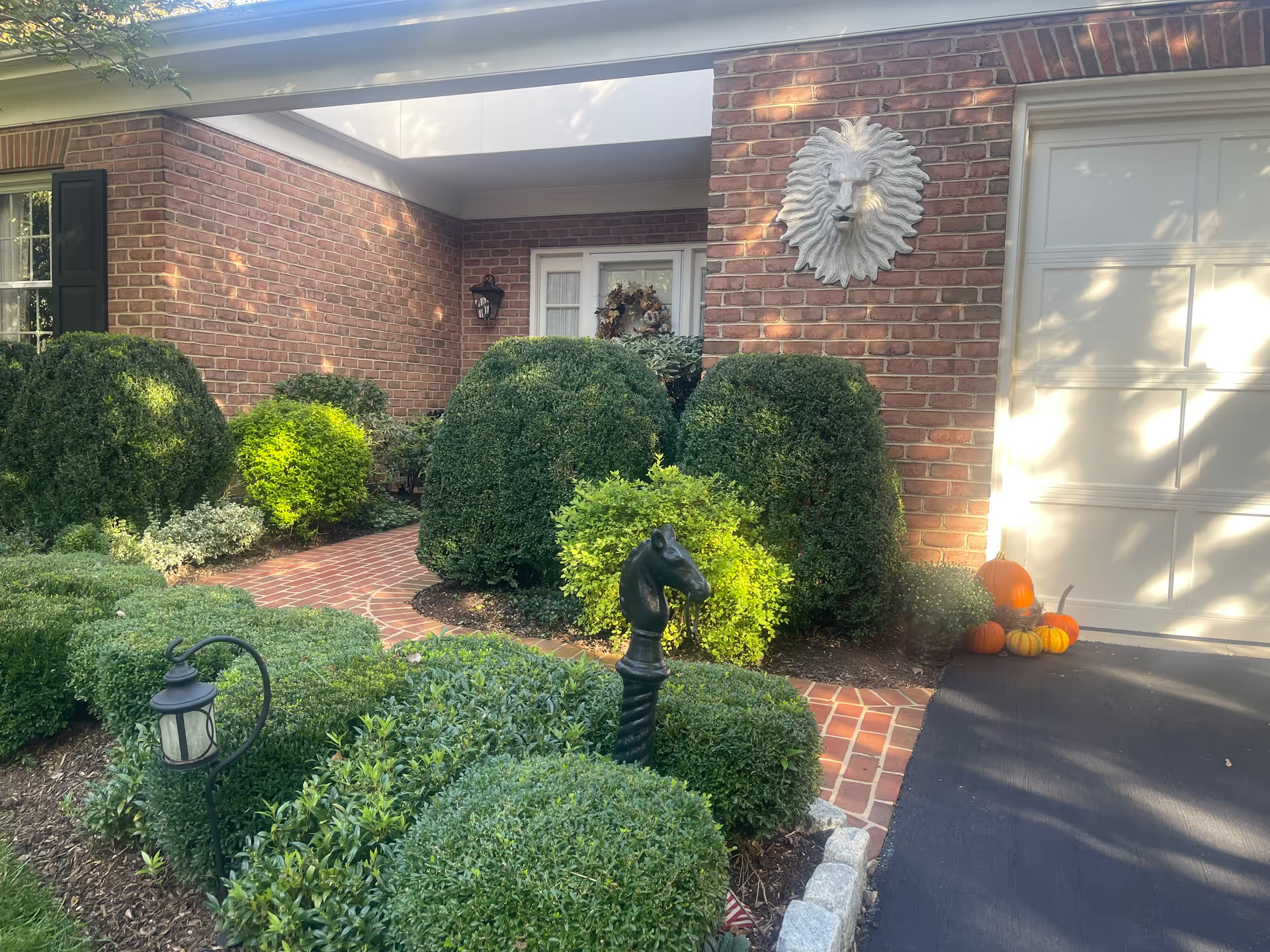
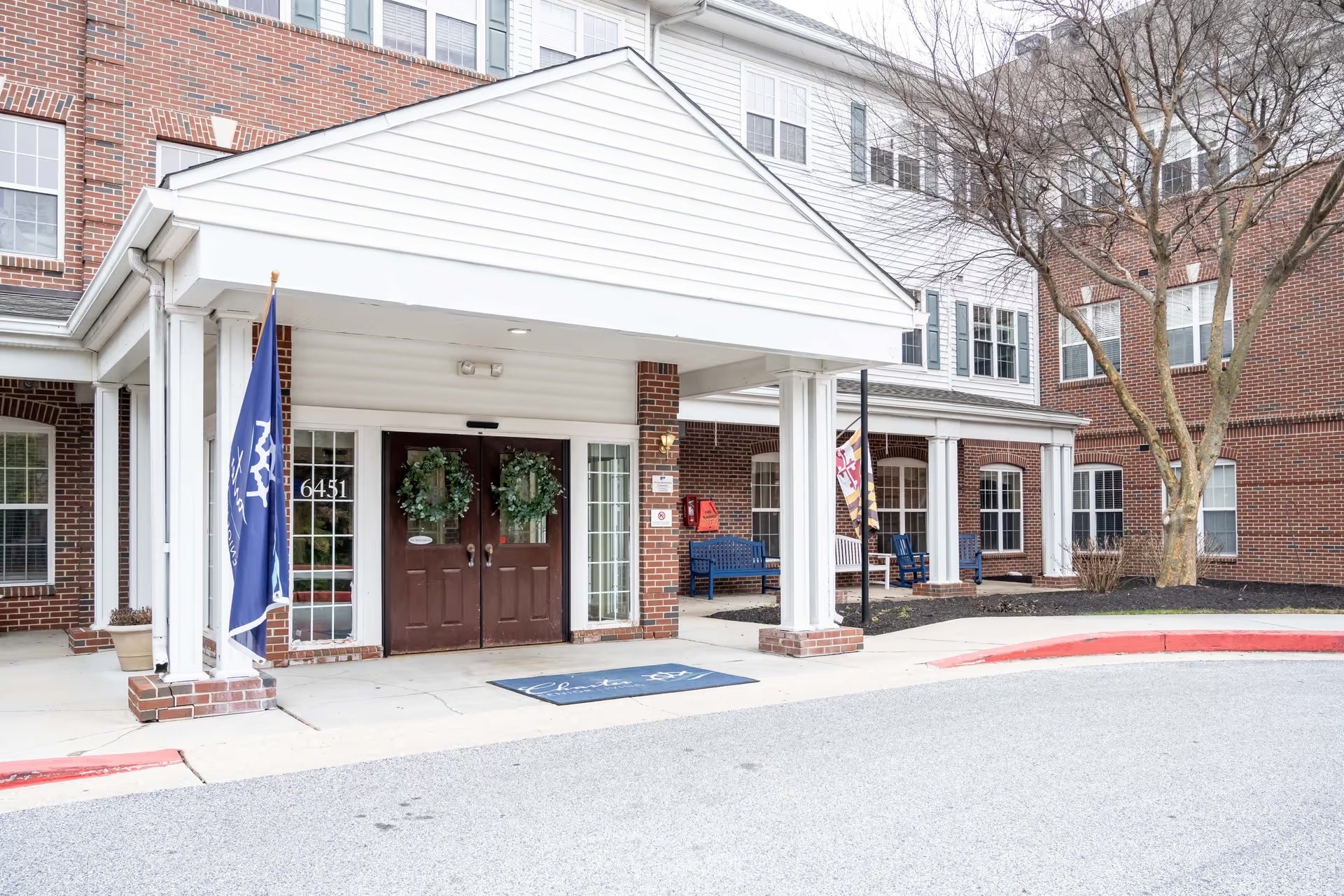
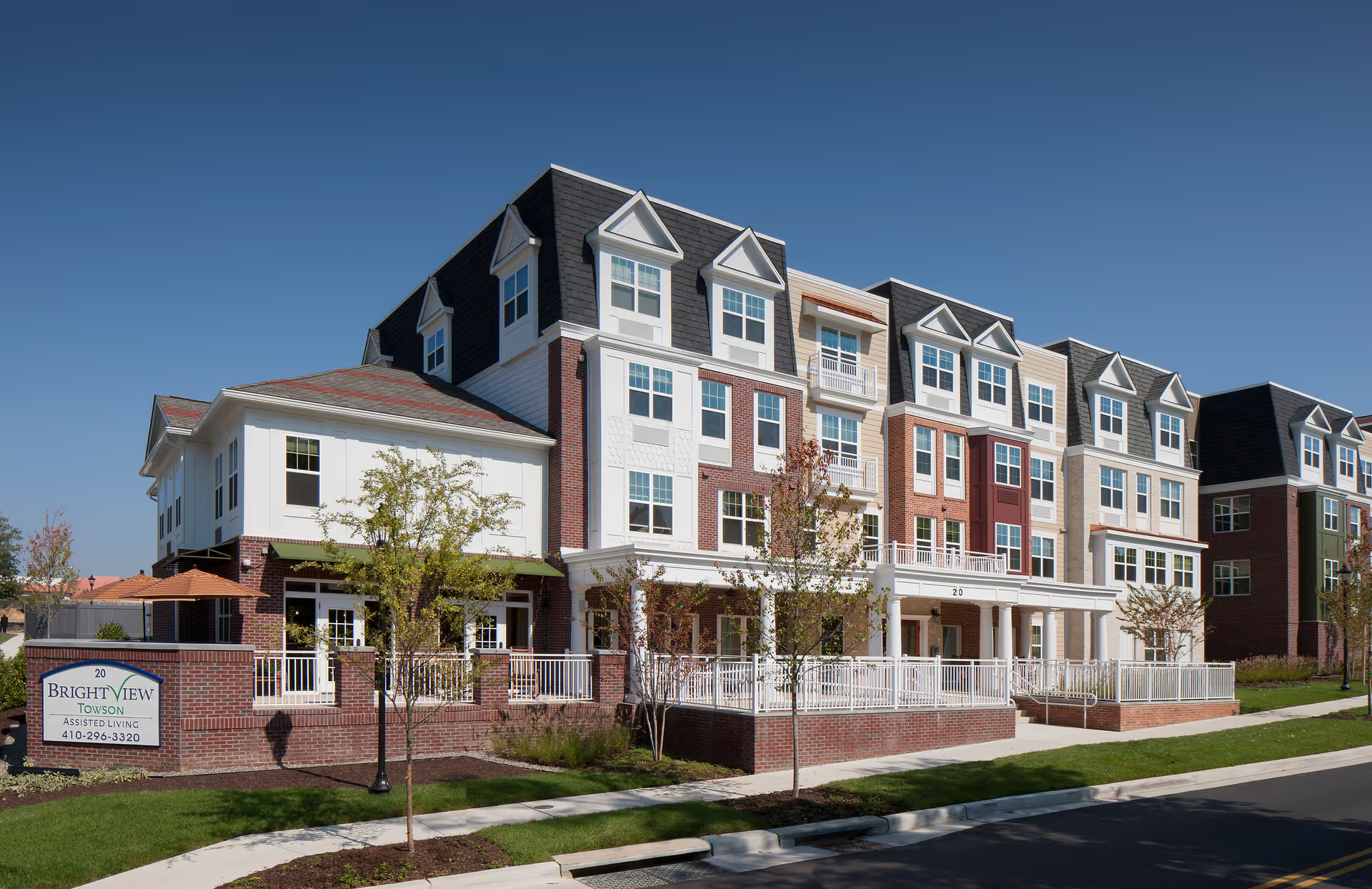
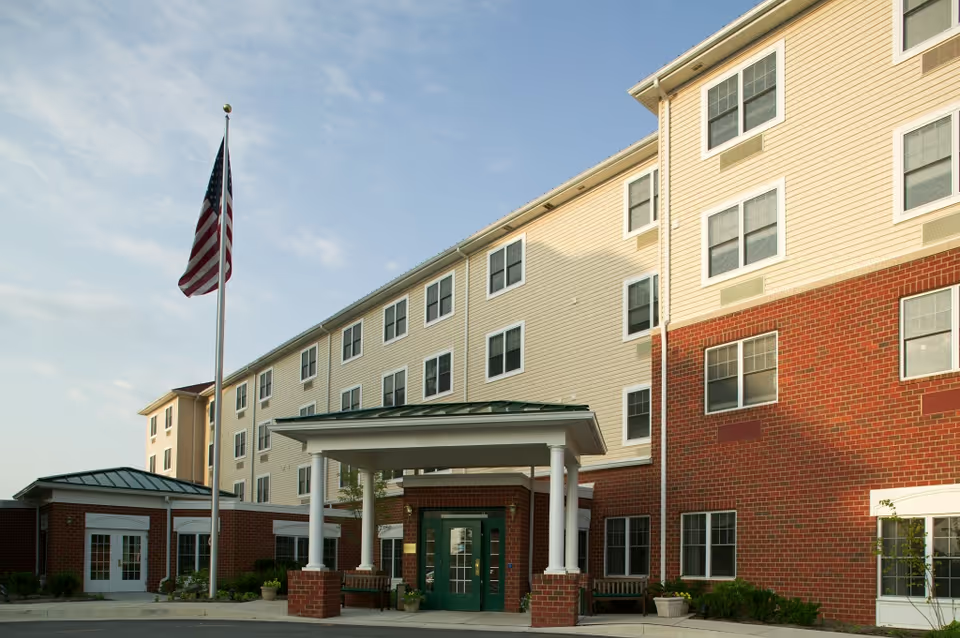
Overview Arden Courts Towson presents as a focused memory-care provider with many attributes families value for residents living with dementia: a secure, single-floor layout, barrier-free design, private rooms with en-suite bathrooms, and extensive outdoor courtyards and walking paths that support independence and safe wandering. The building has been remodeled in places and is often described as clean, home-like, and pleasantly decorated. The community’s dementia specialization is reflected in on-site therapy offerings, structured activity programs, and a number of staff members and leaders who are praised for compassion and accessibility.
Care quality and clinical concerns Care quality descriptions are mixed. Positive accounts emphasize compassionate bedside care, good hospice coordination, effective physical therapy, and clinical staff who can coordinate with families and outside clinicians. However, recurring operational concerns include inconsistent staffing levels and high turnover, which families connect to gaps in personal-care delivery (irregular bathing, clothing issues) and supervision. Several comments point to medication-management and documentation weaknesses, and there are references to regulatory survey deficiencies that raise questions about consistent clinical oversight. The aggregate impression is of a facility that can deliver attentive, specialized care but whose performance is uneven because of operational instability.
Staff and management Frontline caregivers, activities staff, and some members of administration receive substantial praise for kindness, resident engagement, and communication. Executive leadership is described as accessible and advocacy-focused in many accounts. At the same time, families report variability in staff training specific to dementia care, occasional casual conduct (dress-code and cell-phone use), and inconsistent responsiveness outside core hours. Communication practices vary: some families receive thorough, frequent updates while others report delayed or problem-focused contact and uneven follow-through on care-plan requests. Billing and fee-transparency also emerge as recurring administrative concerns, with families describing discrepancies between initial quotes and ongoing charges.
Dining and activities Dining is generally regarded as a strength: on-site cuisine prepared by a chef, nutritious menus, and communal dining occasions are frequently noted positively. Criticisms center on limited menu variety at times, desire for fresher fruit/produce choices, and occasional inconsistency in food quality. Activities are consistently highlighted as a strong point—an energetic activities director, frequent themed and meaningful programs, outings, and rituals that support engagement and socialization. Some families would like a broader array of offerings more tailored to male residents or more individual-focused options for residents with limited participation ability.
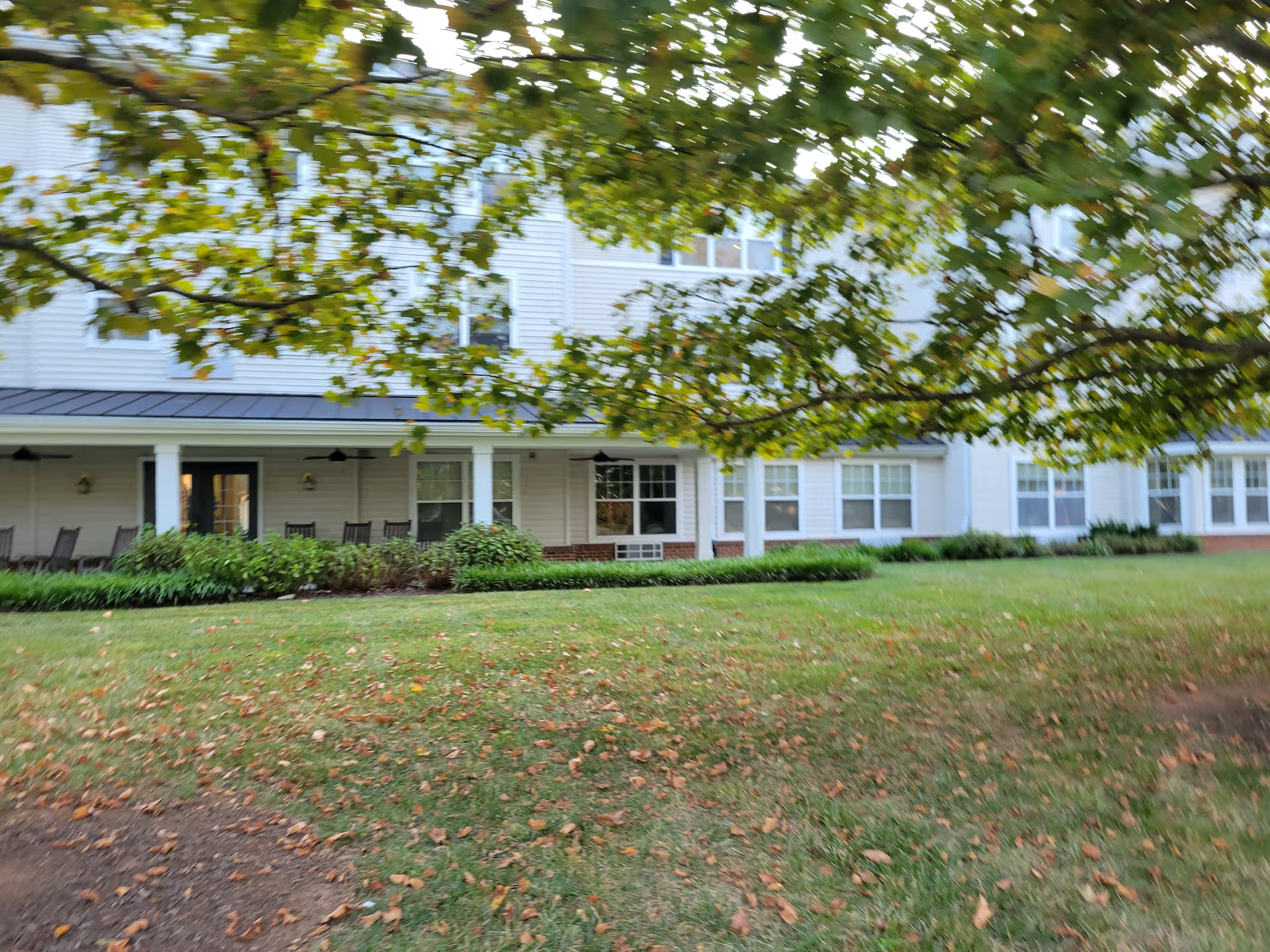
Facilities and operations Physical plant attributes are clear strengths: safe outdoor spaces, secure courtyards, non-institutional small-house atmospheres, and generally well-maintained common areas. Operational weaknesses noted include weekend reductions in maintenance coverage, intermittent cleanliness or shower-room issues, laundry and personal-item management inconsistencies, and isolated pest-control concerns. Families also describe small room sizes and limited in-room entertainment options for some residents.
Notable patterns and decision factors The overall pattern in feedback is a facility with strong dementia-program features and many caring staff, balanced against operational instability tied to staffing levels, training, medication controls, communication, and administrative transparency. Prospective families should weigh the facility’s dementia specialization, activity program, outdoor environment, and hospice/therapy strengths against the potential for inconsistent day-to-day delivery of personal care, variable communication, and billing questions. For individuals requiring close clinical oversight or continuous 24/7 private-duty support, families may wish to confirm current staffing ratios, medication-administration protocols, regulatory status, and written fee structures before admission.