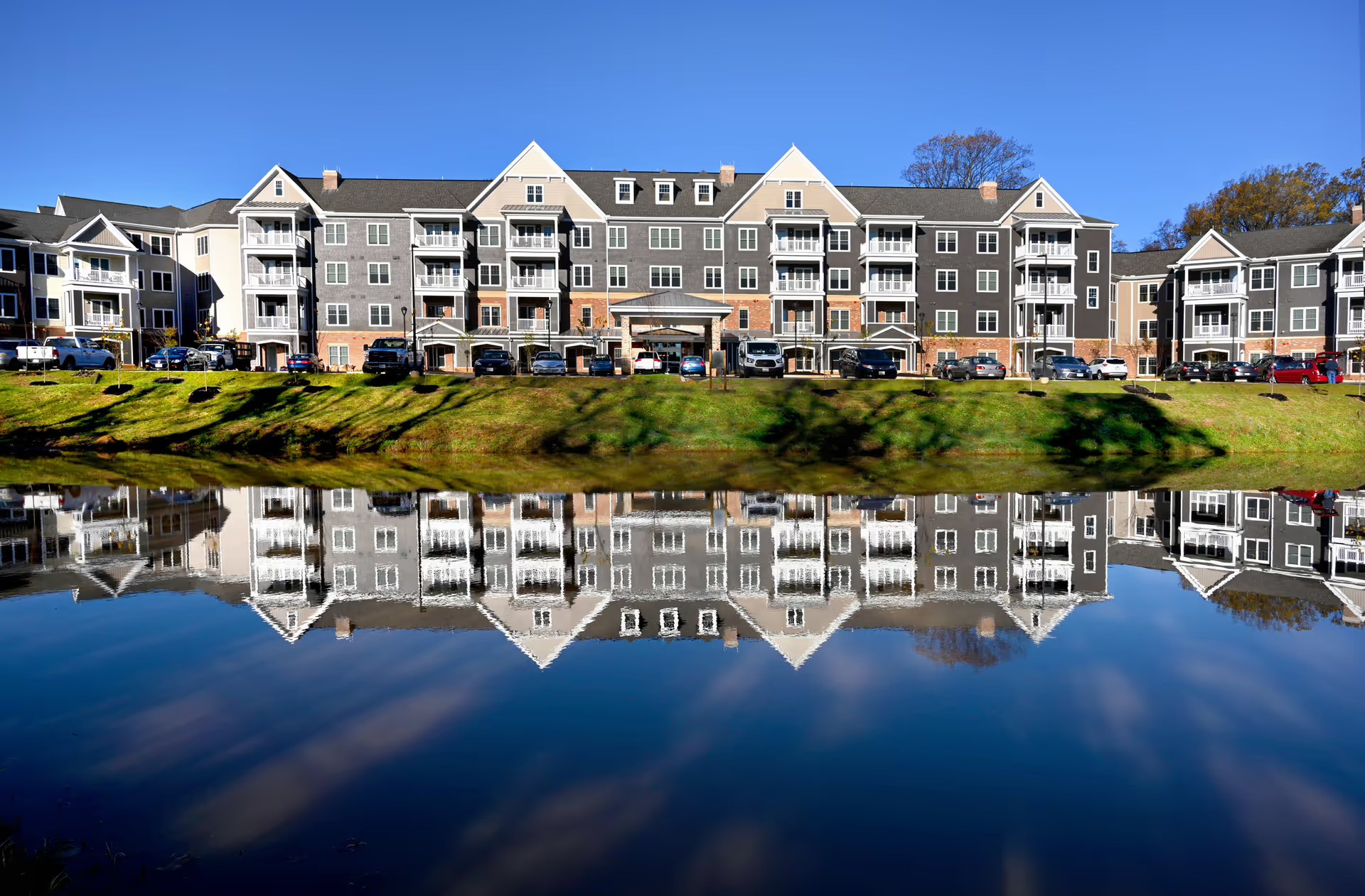
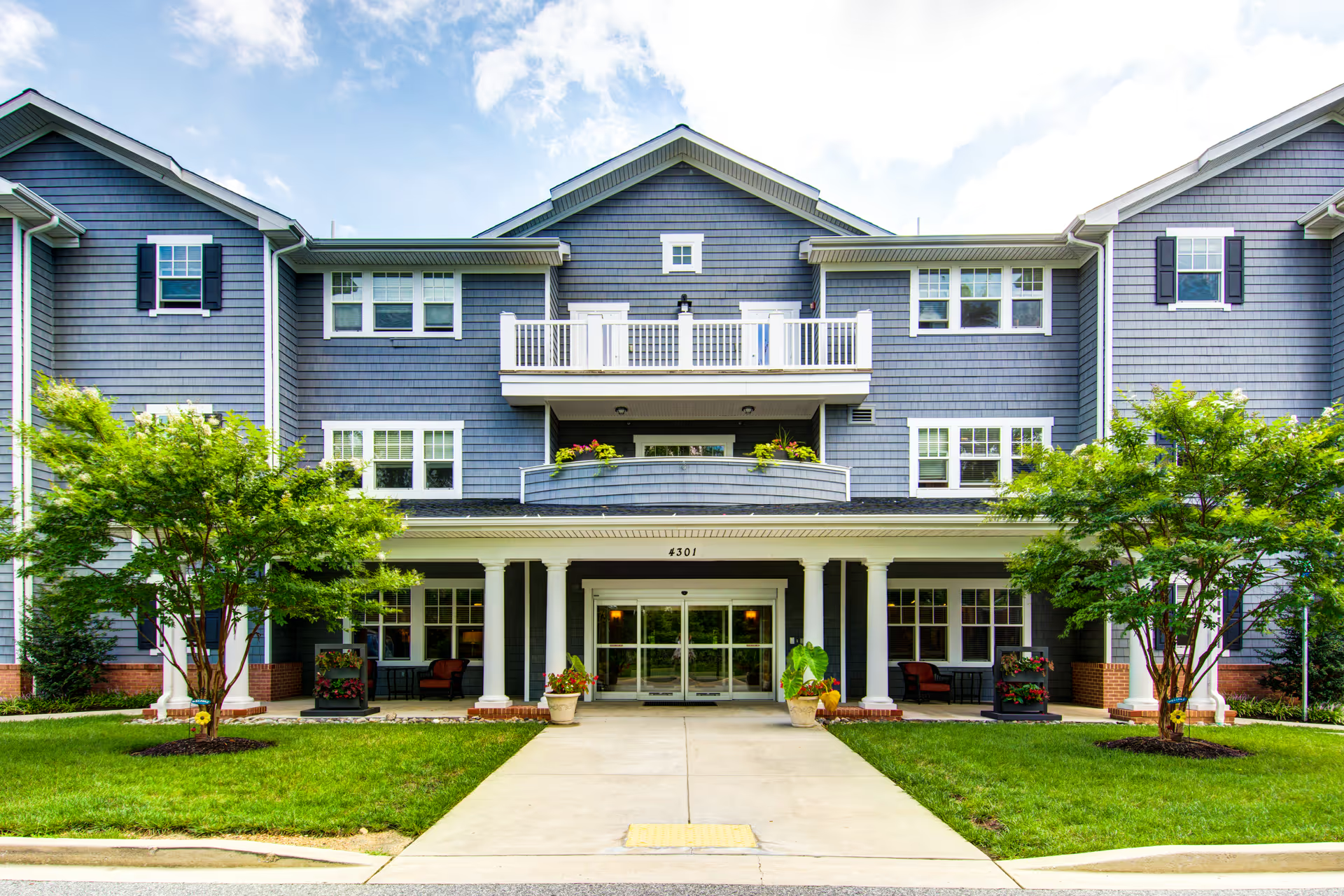
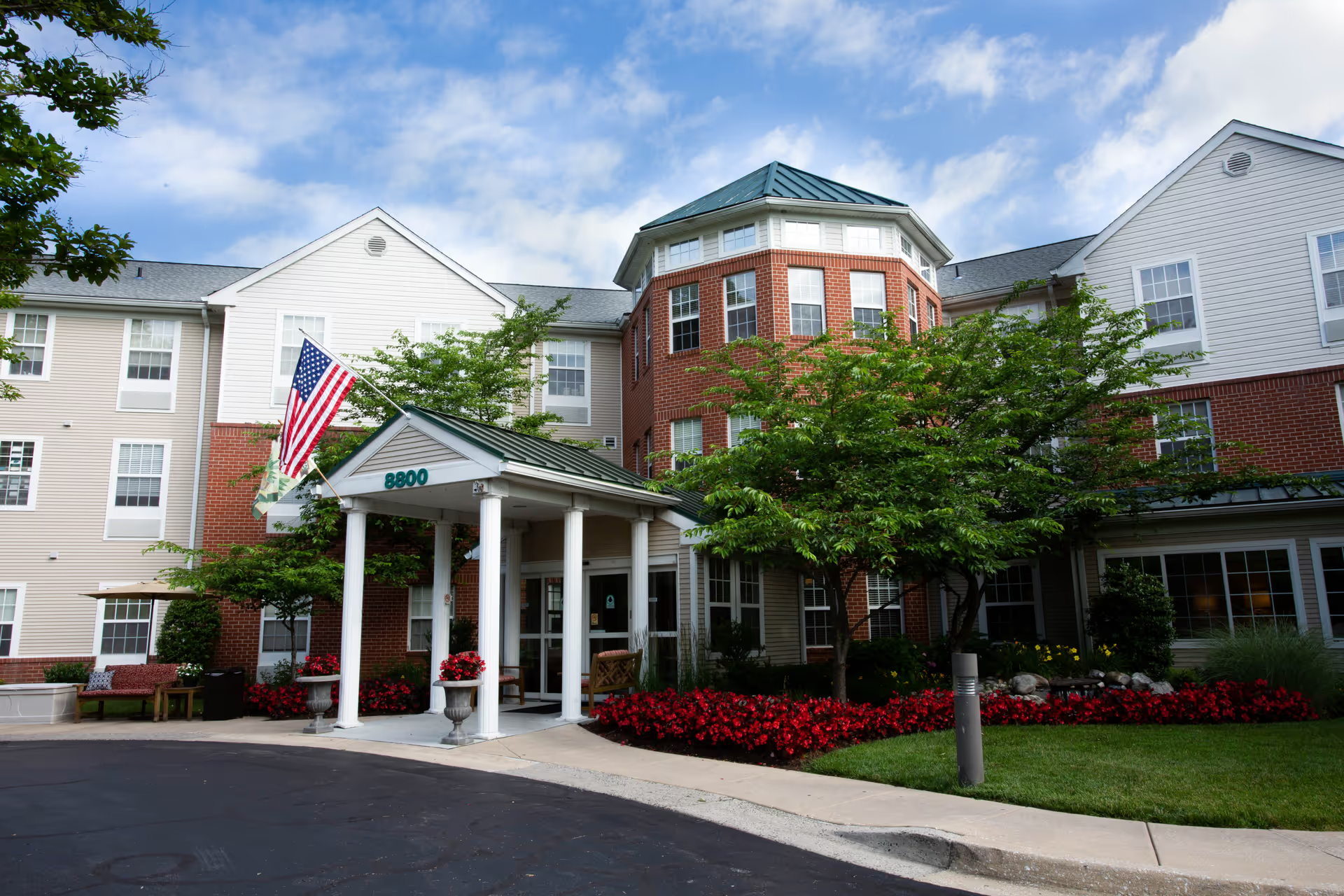
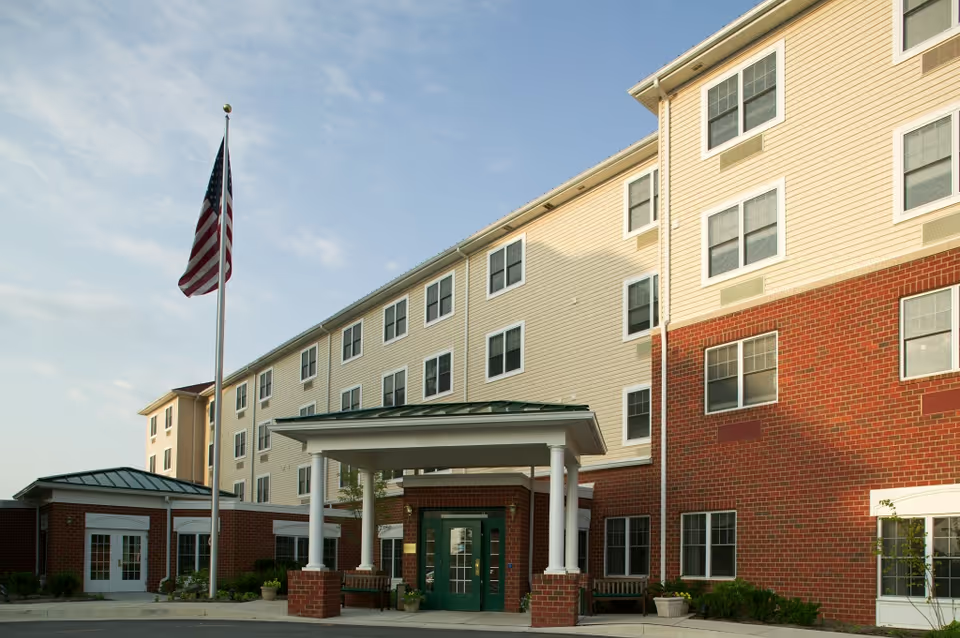
Pickersgill Retirement Community presents a mixed but distinct profile. Strengths that recur across reviews include an attractive, well-landscaped campus with walking paths and convenient parking, a continuum-of-care model (independent through higher-care options), and a broad activity program that includes clubs, exercise classes, outings, and regular social events. Many accounts highlight compassionate, attentive staff, on-site clinical and rehabilitation services, housekeeping and laundry options, and supportive admissions and transition assistance. The community’s not-for-profit status, volunteer involvement, and availability of hospice services are additional positive features noted by families.
Care quality and staffing show a clear pattern of variability. Numerous reviewers describe attentive nursing and dignified caregiving that improved quality of life; others describe slower responsiveness, concerns about caregiver tone, and delays in attending to resident needs. This creates an overall impression of inconsistent care quality that appears to vary by unit and shift. Operationally, this suggests gaps in staffing coverage, supervision, or training that prospective families should clarify during tours and admissions conversations.
Dining and hospitality services are another mixed area. Many residents praise the food, meal variety, and housekeeping; at the same time there are repeated comments about inconsistent meal temperature, occasional late service, and reduced dining assistance since COVID-era changes. Prospective residents should ask about current meal-service procedures, assistance availability, and any recent changes to dining staffing or the food committee.
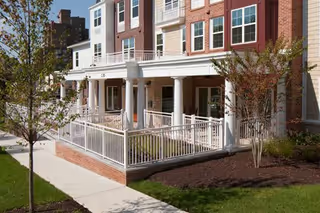
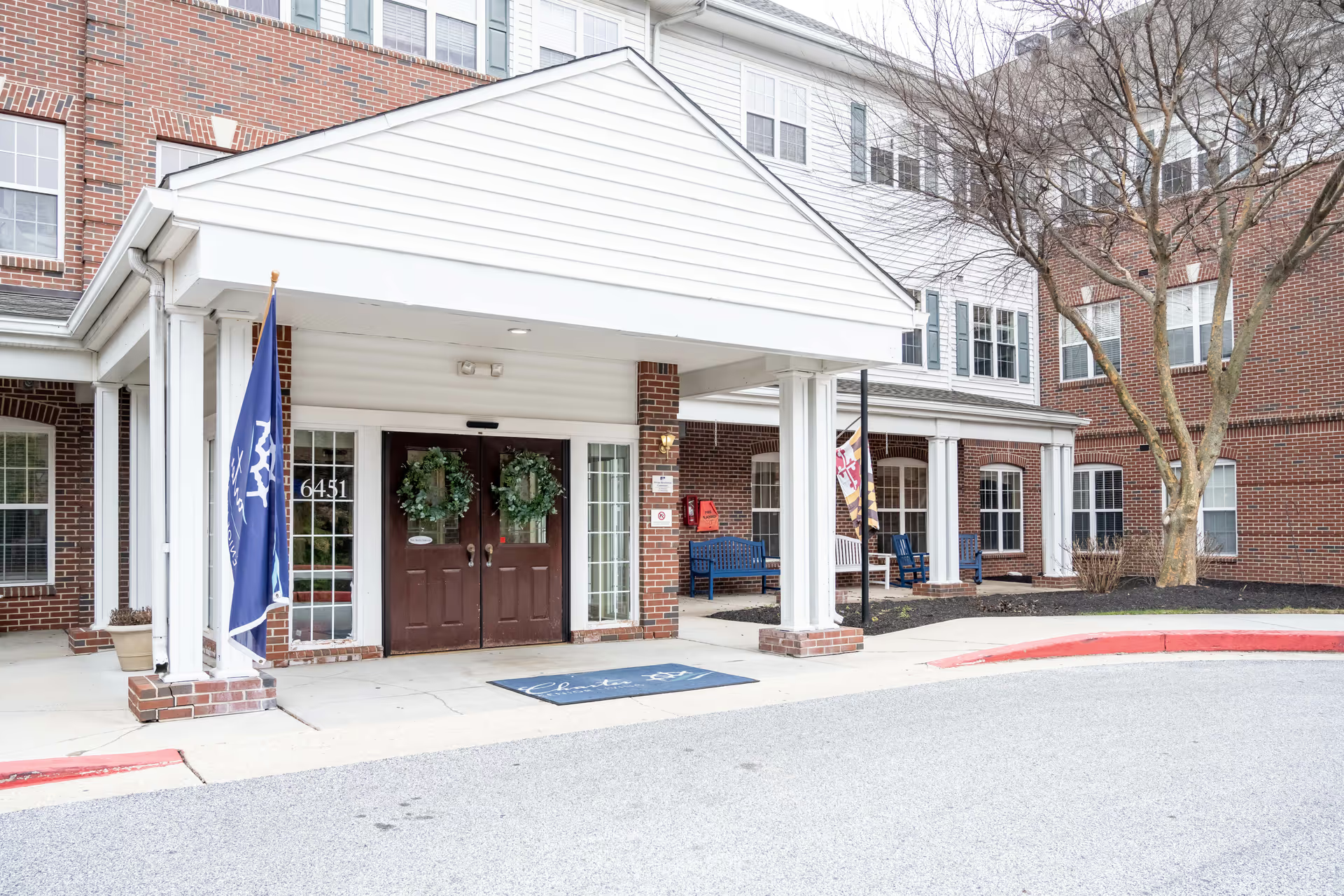
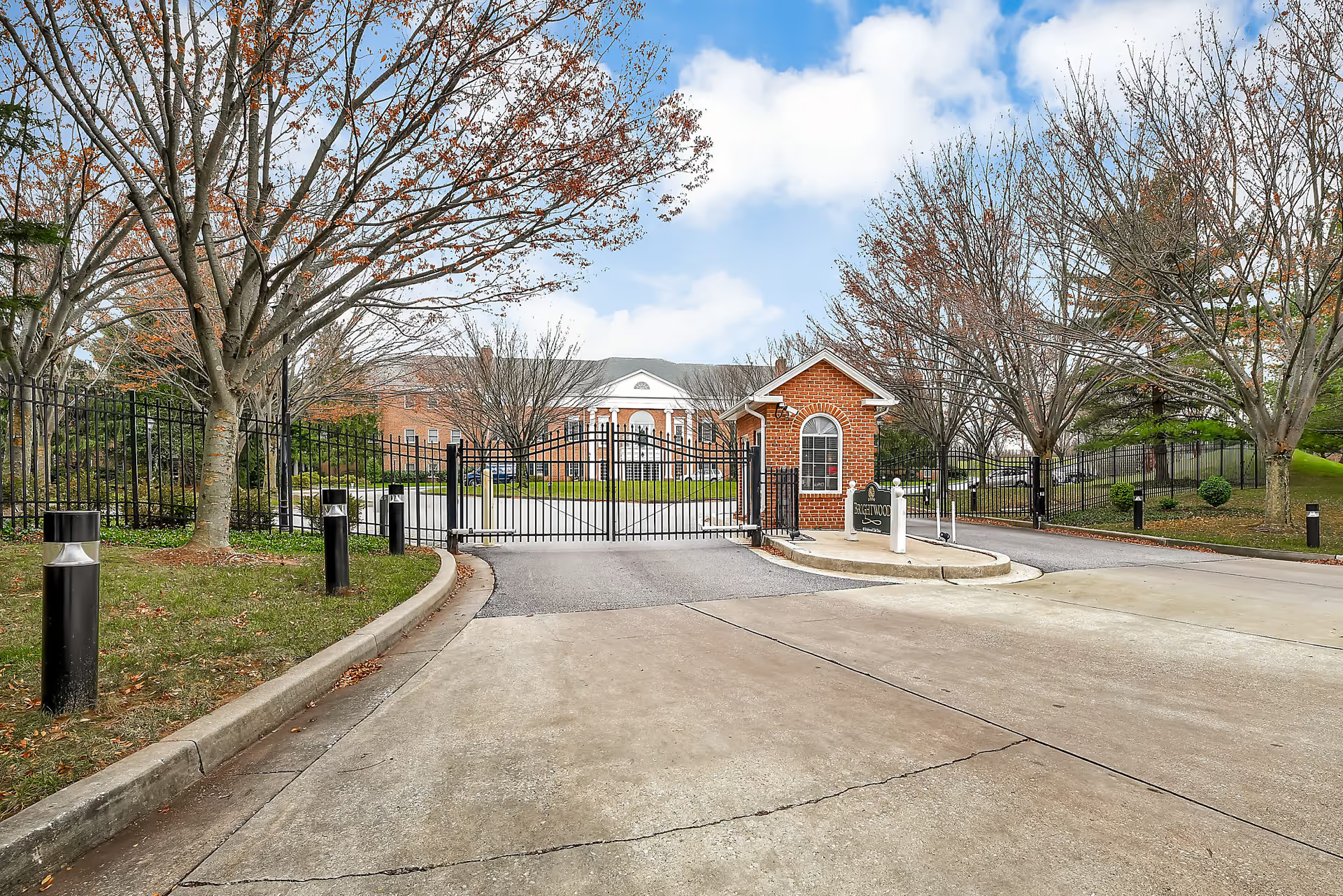
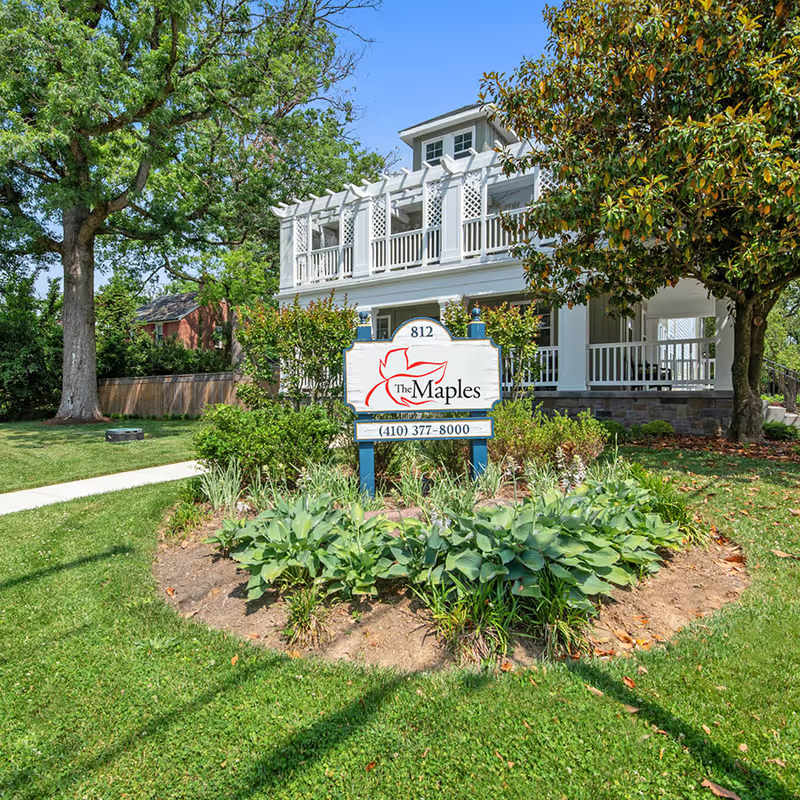
Facility condition and campus amenities are generally favorable, with many reviewers noting clean common areas, pleasant grounds, and a homelike atmosphere. However, there are recurring notes about variable apartment conditions—some units have been renovated while others show dated finishes and smaller floor plans. There are also several sanitation and pest-control concerns cited; these are described in service and cleanliness terms rather than as isolated anecdotes, and they warrant direct questions about current pest-control protocols and recent remediation efforts during a visit.
Management and policies produce contrasting impressions. Admissions staff and transition assistance receive positive mentions for being helpful and thorough, but some accounts raise concerns about organizational communication, unit-level management, and staffing oversight. Cost transparency and value for assisted levels also appear to vary—some families find pricing reasonable, while others view assisted-living costs as higher than expected and note structural factors (separate assisted-living floors) that can affect couples living together.
Notable patterns for families to consider: the community offers strong programming, on-site clinical and rehab services, and a generally pleasant campus experience, but there is a documented divergence in resident experience tied to unit-level staffing, cleanliness oversight, and dining consistency. During a tour and follow-up conversations, prospective residents and their decision-makers should (1) observe current housekeeping and dining service lines, (2) ask about staffing ratios and supervisory coverage by shift, (3) review recent pest-control and sanitation records, (4) clarify costs and how couples are accommodated across care levels, and (5) request references or speak with current residents about day-to-day responsiveness. These targeted inquiries will help families weigh the facility’s clear strengths against operational areas that have produced concern in multiple accounts.