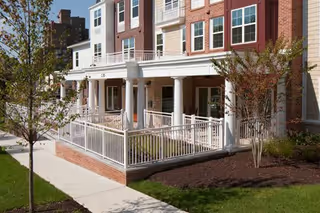
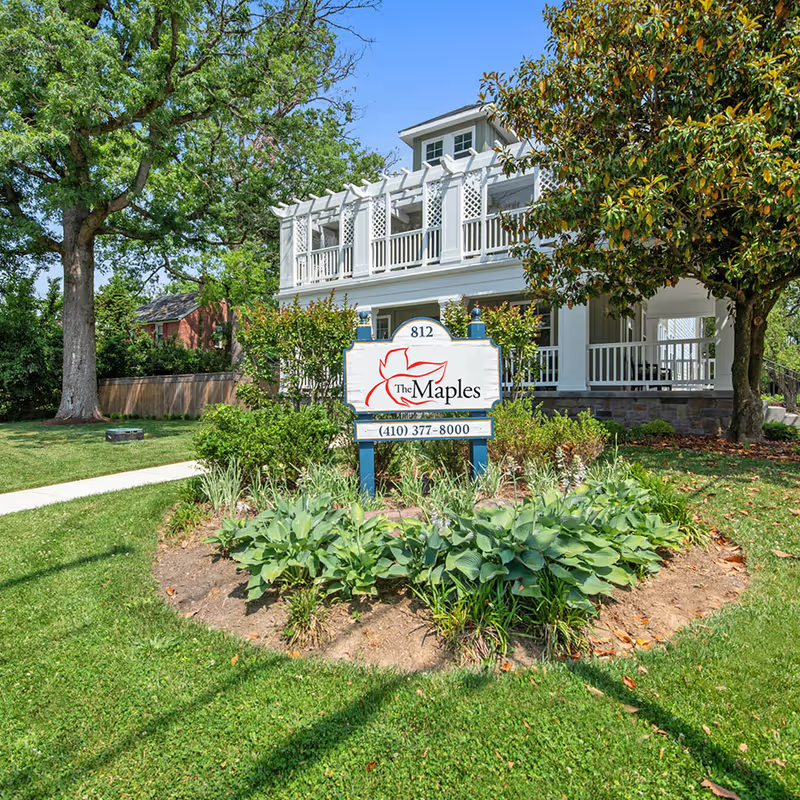
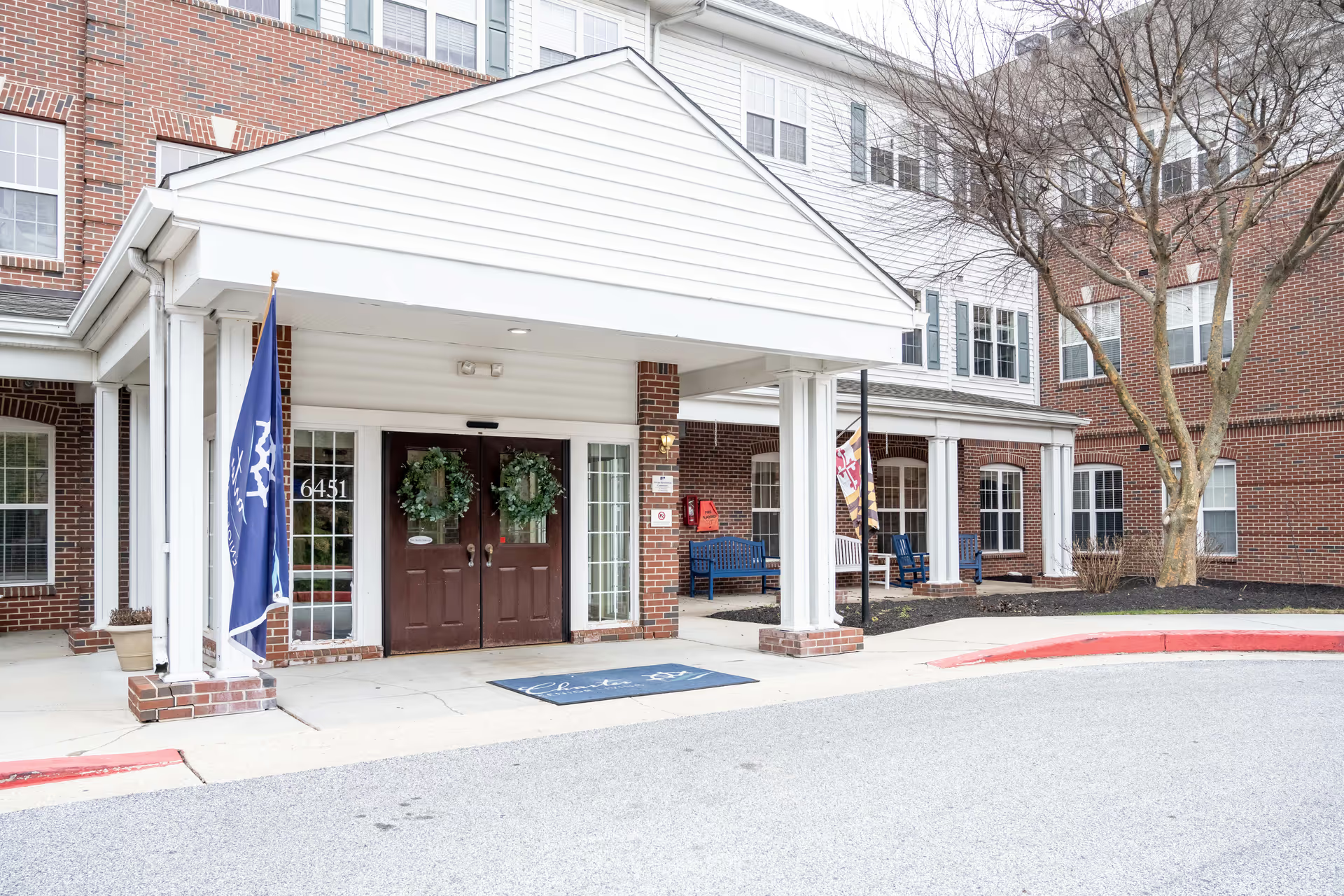
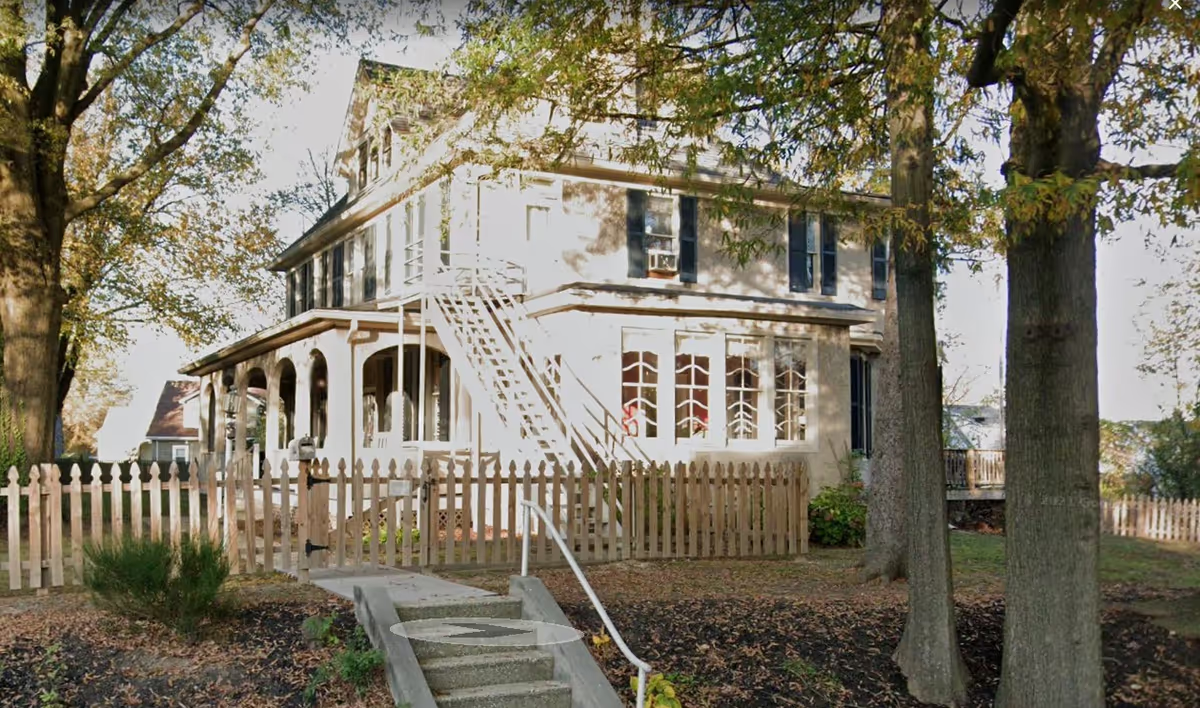
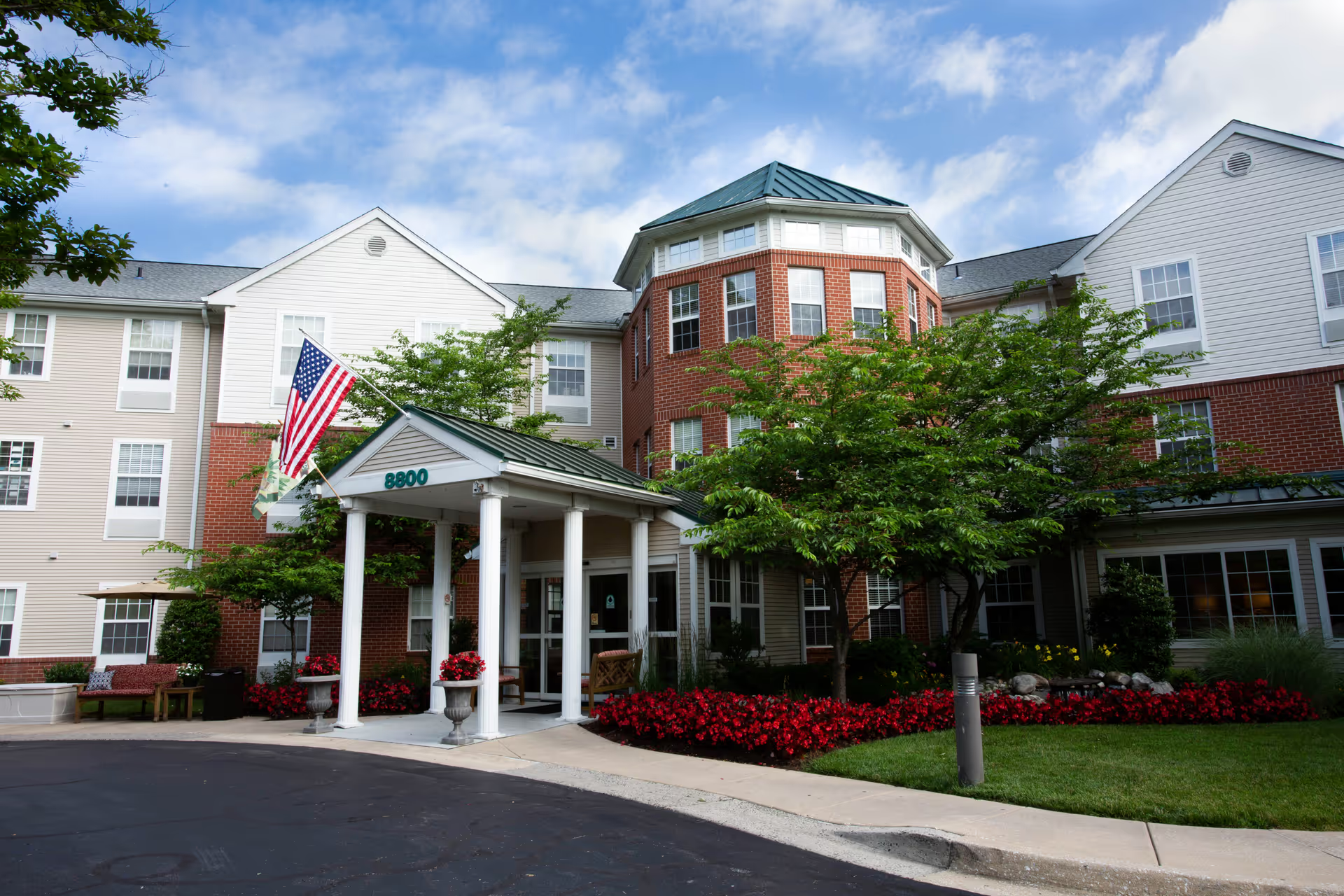
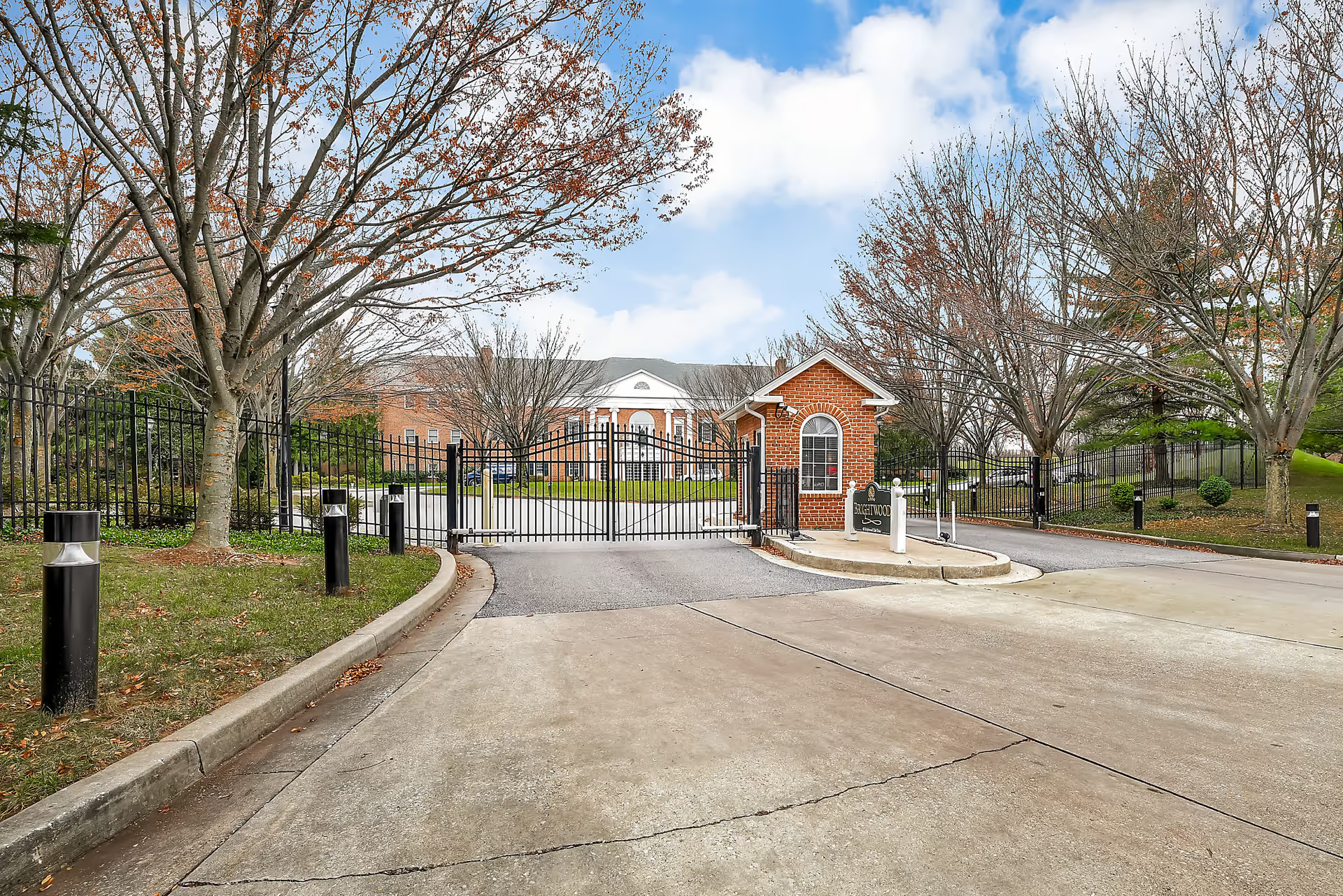
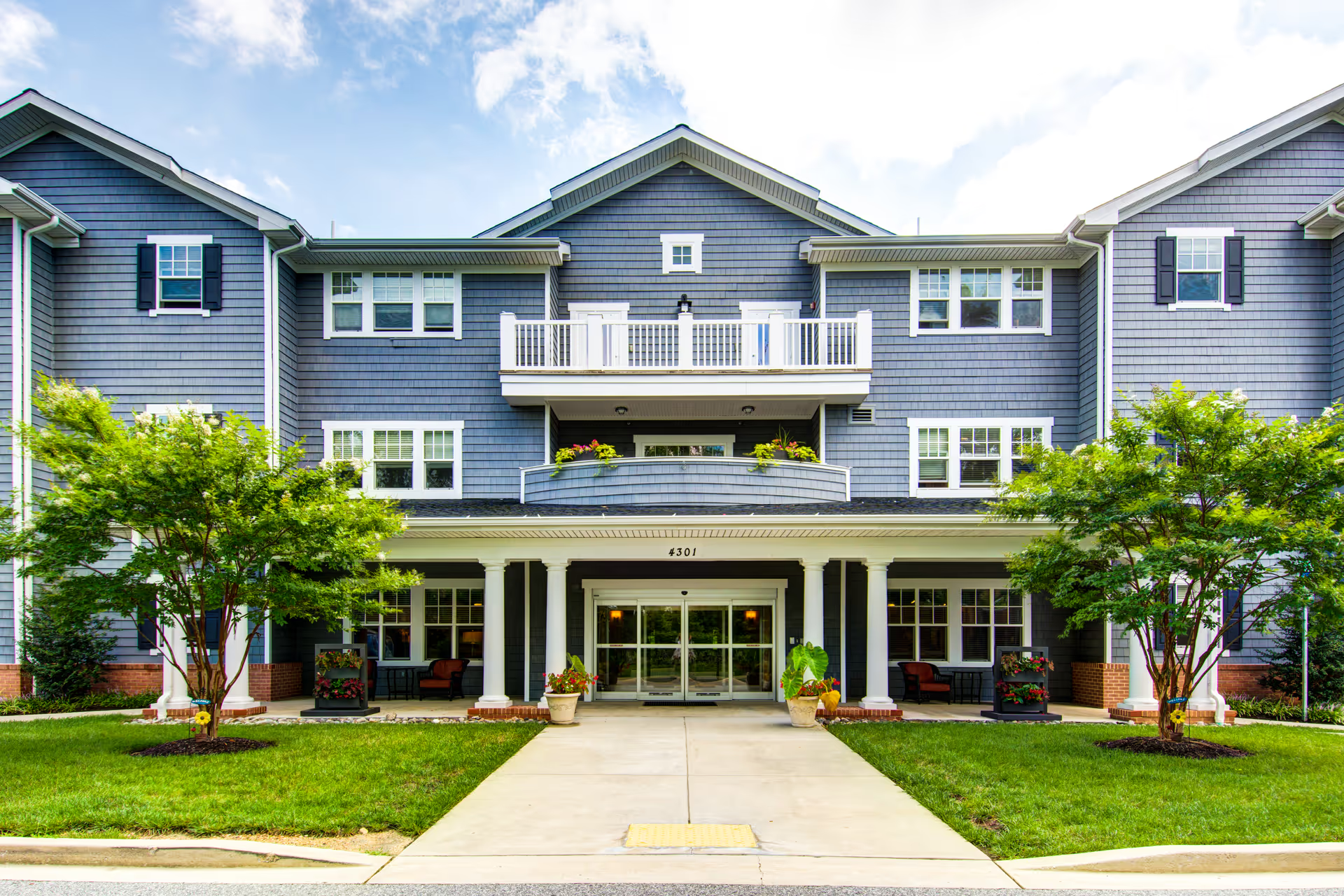
Seaton Towson presents a mixed but distinctive profile: many families describe a small, home-like community with compassionate staff, private rooms, and active social programming, while others raise operational concerns that warrant further inquiry. The facility’s strengths include attentive caregivers, a family-oriented atmosphere, secure entry, and on-site therapy services which support both short-term rehabilitation and memory-care needs. Common positive notes reference renovated communal areas with a colonial aesthetic, accessible amenities (laundry, salon, transport), and a convenient Towson location.
Care quality and staffing appear uneven. Several families praised individual nurses and aides for responsiveness and personalized attention, and some described around-the-clock coverage and solid communication from named staff. However, there are consistent operational themes indicating variability: night-shift coverage and response to call lights were described as insufficient by some, and reviewers identified gaps in medication administration and clinical processes (including difficulty with compression-stockings management and inconsistent handling of wound/pressure-injury monitoring). These issues point to staffing and clinical-protocol inconsistencies rather than universal absence of care.
Dining and dietary management show a similar split. The facility offers a social dining room and in-room meal delivery, and many residents enjoy the meals and dining atmosphere. At the same time, there are documented weaknesses in menu accommodations (no diabetic-specific menus referenced) and concerns about dietary staff training and role assignments that occasionally intersect with non-dietary tasks (linen handling), suggesting process and staffing-role clarity issues in the kitchen and nutrition services.
Activities and rehabilitation are notable strengths for many residents: recurring groups, classes, clubs, outings, and twice-weekly therapy were mentioned positively. Yet activity availability appears inconsistent across residents or units, and some families reported limited programming or lack of an activity calendar, indicating uneven program delivery or communication about scheduled offerings.
Facility condition and sanitation show a contrast between exterior updates and interior needs. Multiple reviewers praised bright, clean, and renovated common areas, porches, and apartment views; others described sanitation and pest-control concerns, lapses in linen management, and delays in replacing soiled textiles. These mixed observations suggest that while capital improvements have been made, housekeeping and ongoing maintenance processes may be inconsistent.
Management and administration present a divided picture. Some families compliment new ownership, specific staff members, and a smooth admissions experience; others described communication breakdowns, lack of transparency around staffing changes, and organizational disarray. There are also isolated but serious allegations — including concerns following a resident’s death, theft of personal items, and falls — that indicate the need for careful follow-up by prospective families and external reviewers. These do not uniformly characterize the facility but are significant enough that families should ask for documentation of staffing levels, incident protocols, and quality-improvement actions.
Bottom line: Seaton Towson offers many of the qualities families seek in a small, community-focused senior residence—engaged caregivers, on-site therapy, private apartments, and active social life—but operational inconsistencies exist across staffing, clinical management, dietary services, sanitation, and administration. Prospective residents and families should arrange detailed, specific questions during touring: request current staffing rosters by shift, medication and incident-reporting protocols, pest-control and housekeeping logs, examples of individualized care plans (including diabetic meals and compression-stockings management), and a copy of the activity calendar. Those follow-ups will help determine whether the facility’s strengths align with a particular resident’s clinical and lifestyle needs.