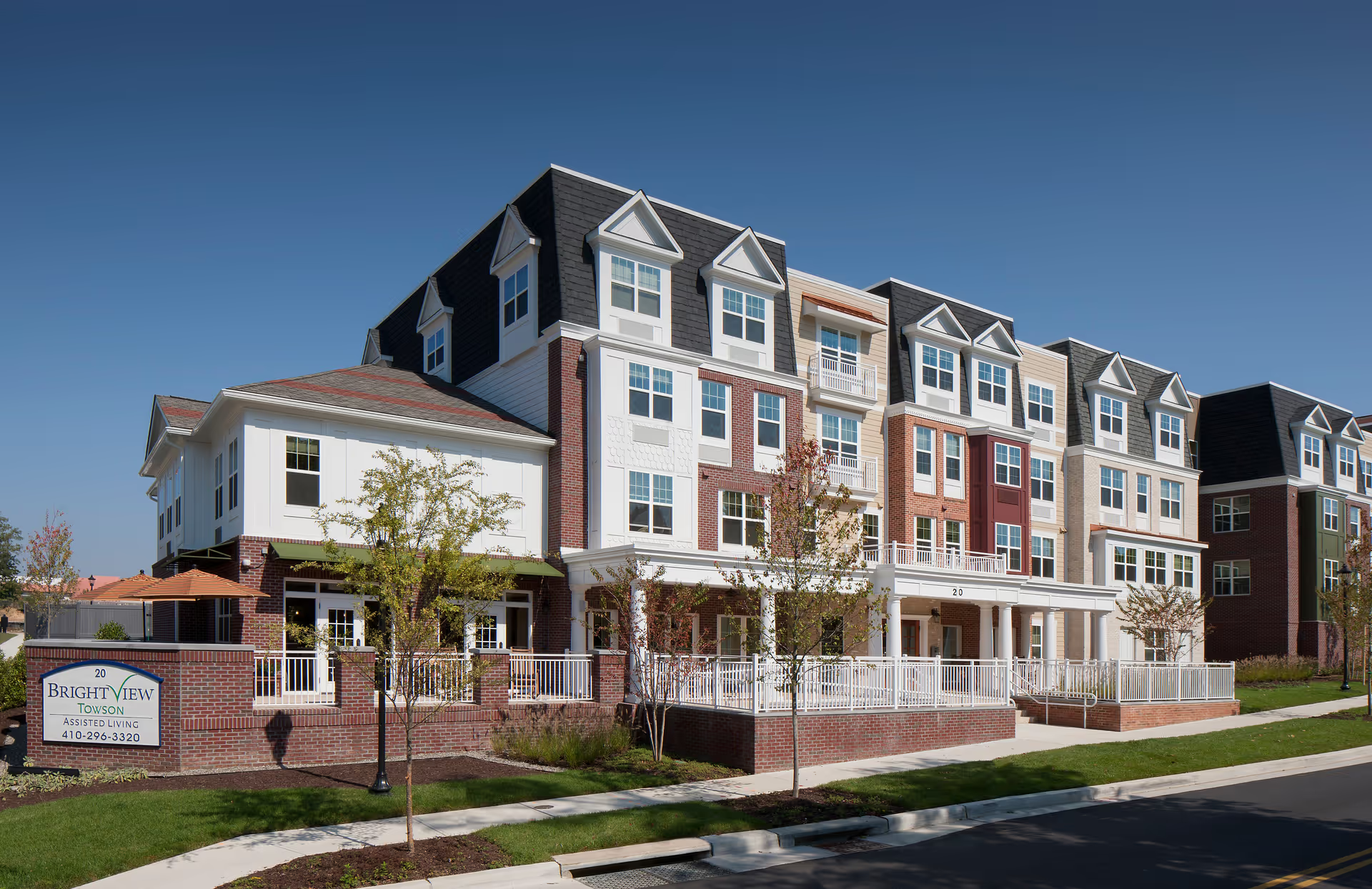
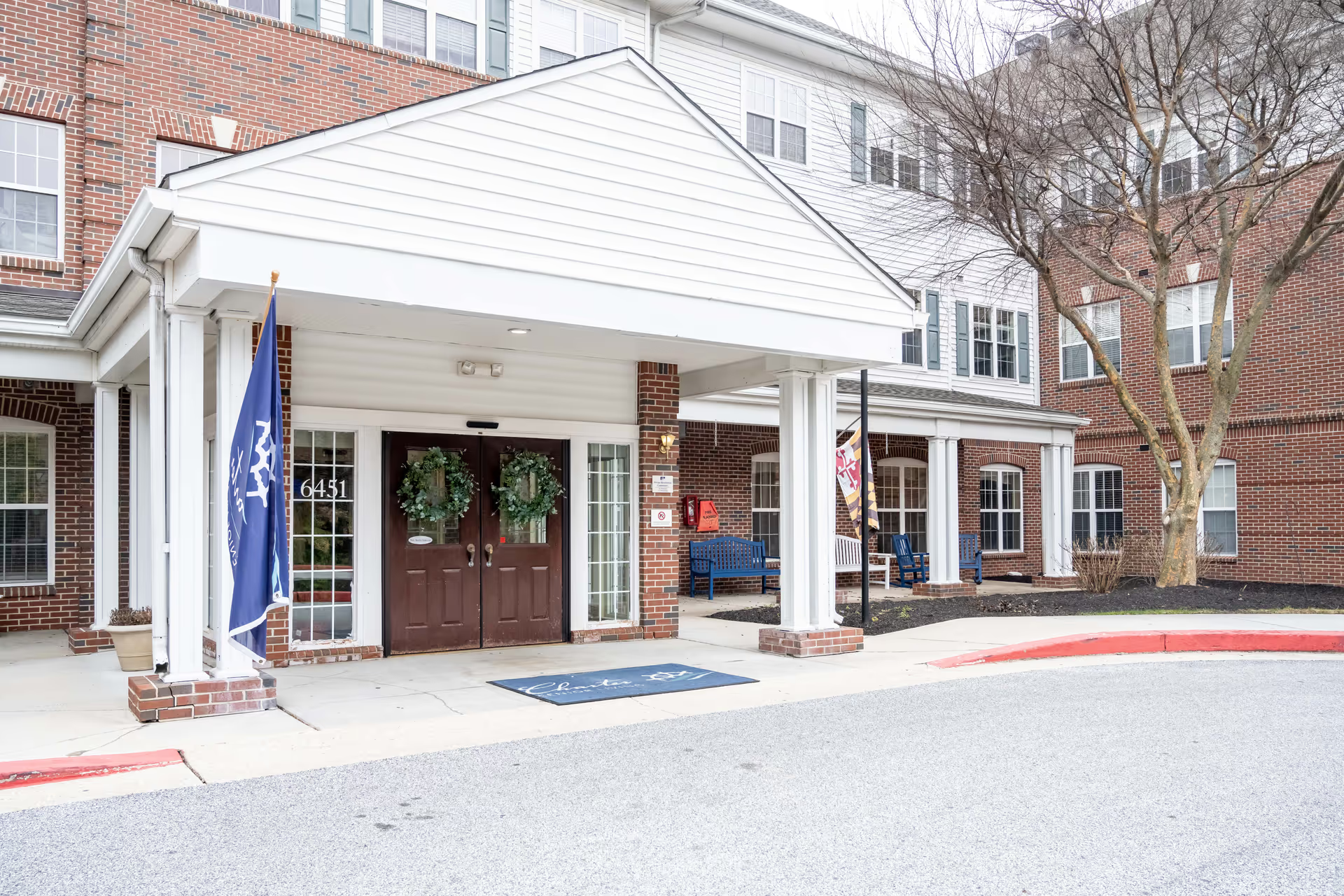
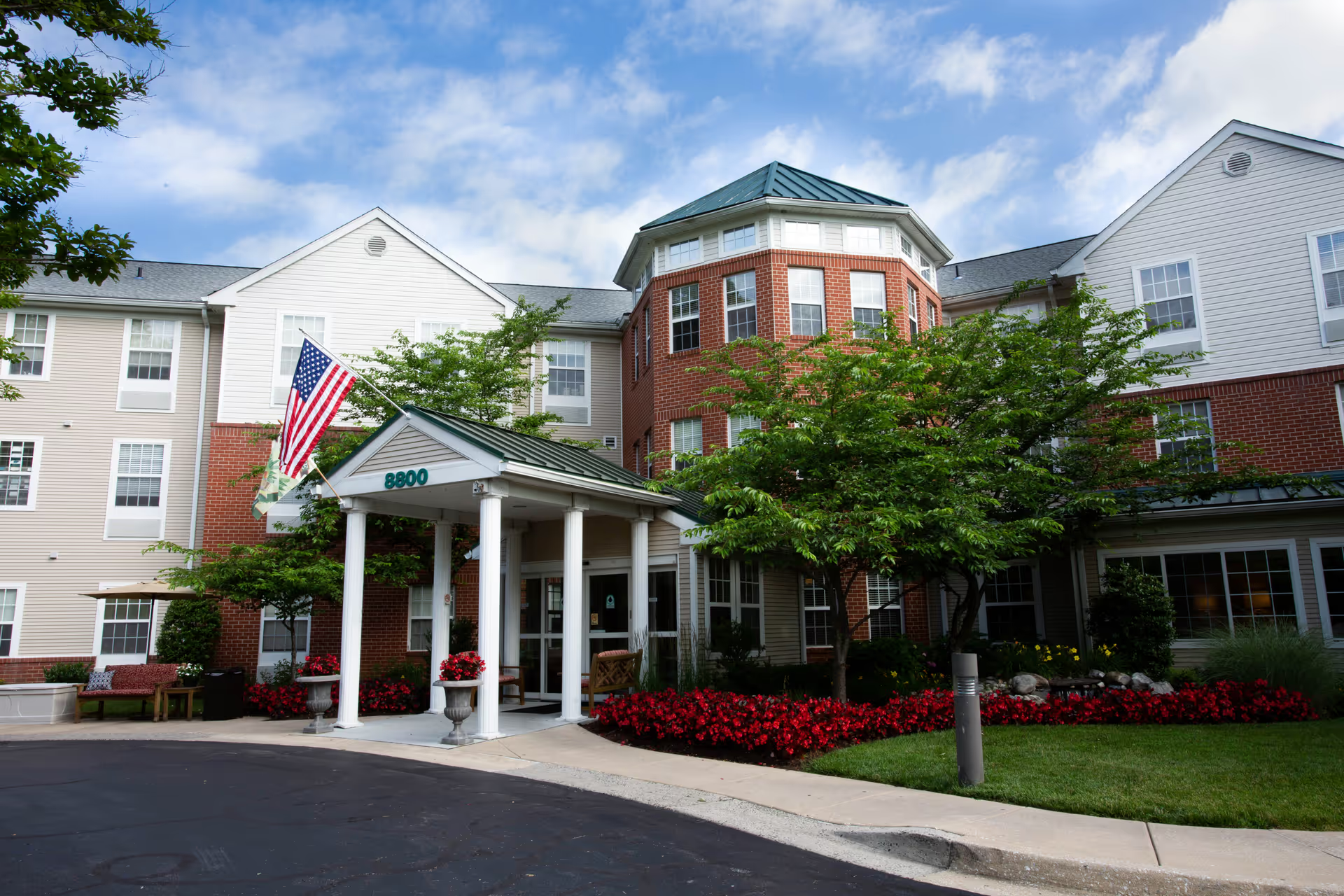
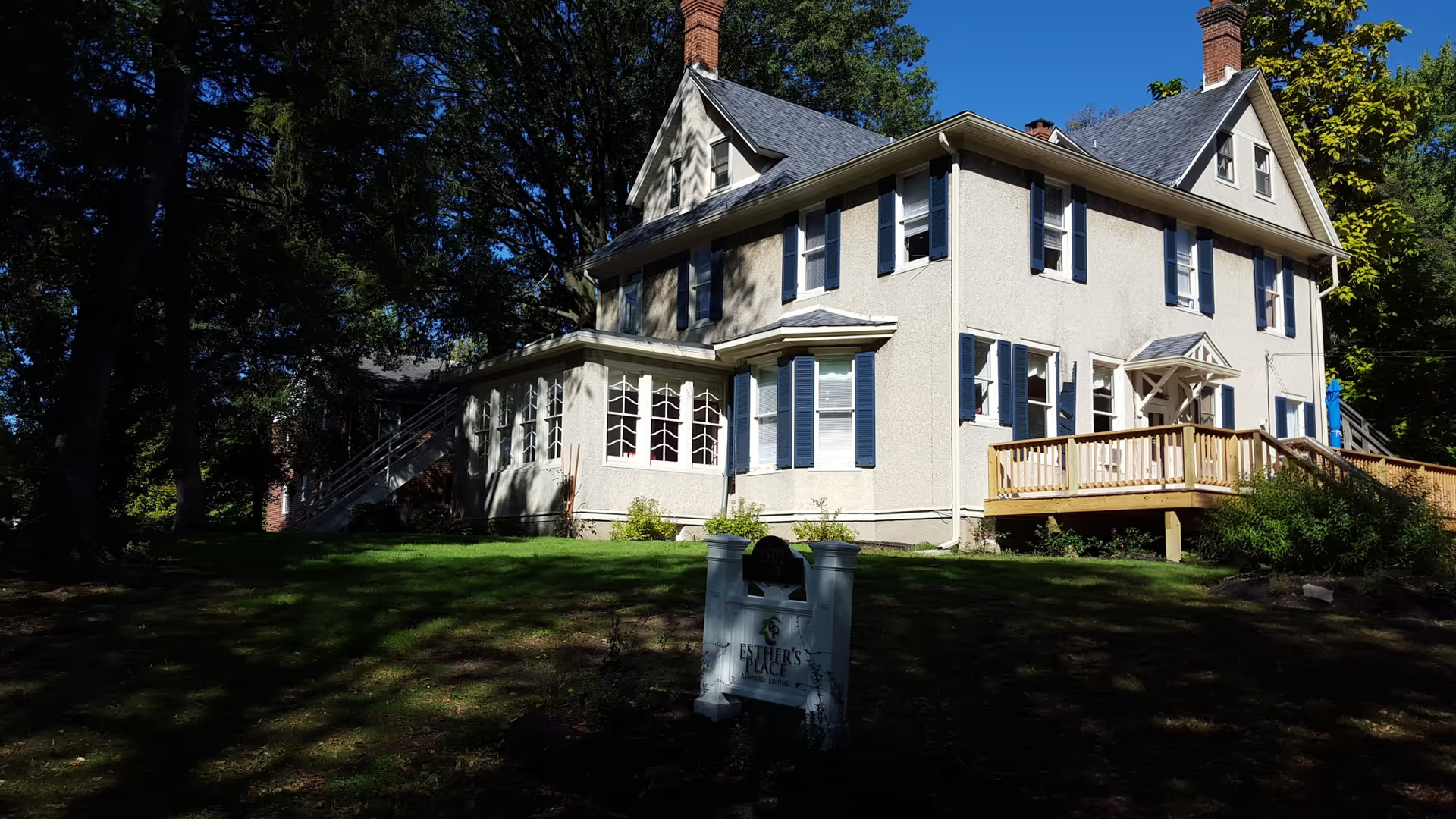
Towson Rehabilitation and Healthcare Center elicits strongly mixed impressions. Many families praised individual caregivers, therapists, and some administrative staff for compassion, responsiveness, and clinical skill; multiple reviewers singled out specific nurses and aides as providing attentive, above-and-beyond support. The facility offers onsite therapy services, recreational programming, and support from social workers that some families found helpful for discharge planning and recovery.
At the same time, a recurring pattern in reviews points to operational variability. Staffing appears inconsistent, with heavy use of agency or temporary personnel and frequent turnover; reviewers linked this to language barriers, uneven bedside manner, and variable clinical competence. Families raised concerns about timeliness of responses to call bells and routine care needs, as well as delays or inconsistencies in medication administration and wound management. Several accounts describe falls and transfer-safety issues that suggest opportunities to strengthen fall-prevention protocols and transfer training.
Cleanliness and environmental maintenance are areas of uneven performance. While portions of the building and many rooms are described as clean and well-maintained, other areas and shared bathrooms were noted to have cleanliness and odor concerns, and some reviewers reported inconsistent linen changes and housekeeping. Dining quality and choice were also inconsistent: some families praised meals and hospitality, while others described limited menu options and poor meal preparation that prompted families to supplement food from outside.
Therapy and rehabilitation services are available but described as variable in intensity and scheduling; a commonly mentioned plan was short-duration PT sessions (for example, one hour five times weekly) that some families felt were insufficient to produce expected progress. Communication gaps about rehab goals and family updates were also reported. Administrative experiences varied: some families praised prompt paperwork assistance and engaged leadership, while others described high administrative turnover, slow handling of Medicaid or discharge paperwork, and inconsistent incident reporting.
Other operational concerns include laundry and personal-belongings management, with reports of missing items, and occasional allegations of misplaced jewelry. Recreation and activities are a clear strength for many residents, with staff-led programs and spiritual services appreciated. Prospective residents and families should weigh the facility’s strong individual caregivers and therapy resources against variability in staffing, cleanliness, and consistency of clinical processes.
Practical recommendations for families considering or monitoring care here include: verify the current staffing model and agency usage, confirm therapy frequency and rehabilitation goals in writing, review wound-care and medication administration protocols, request a documented communication plan for family updates, and inspect room and bathroom cleanliness on admission. Documenting concerns and maintaining frequent in-person checks during the initial placement period may help identify and address inconsistencies early.