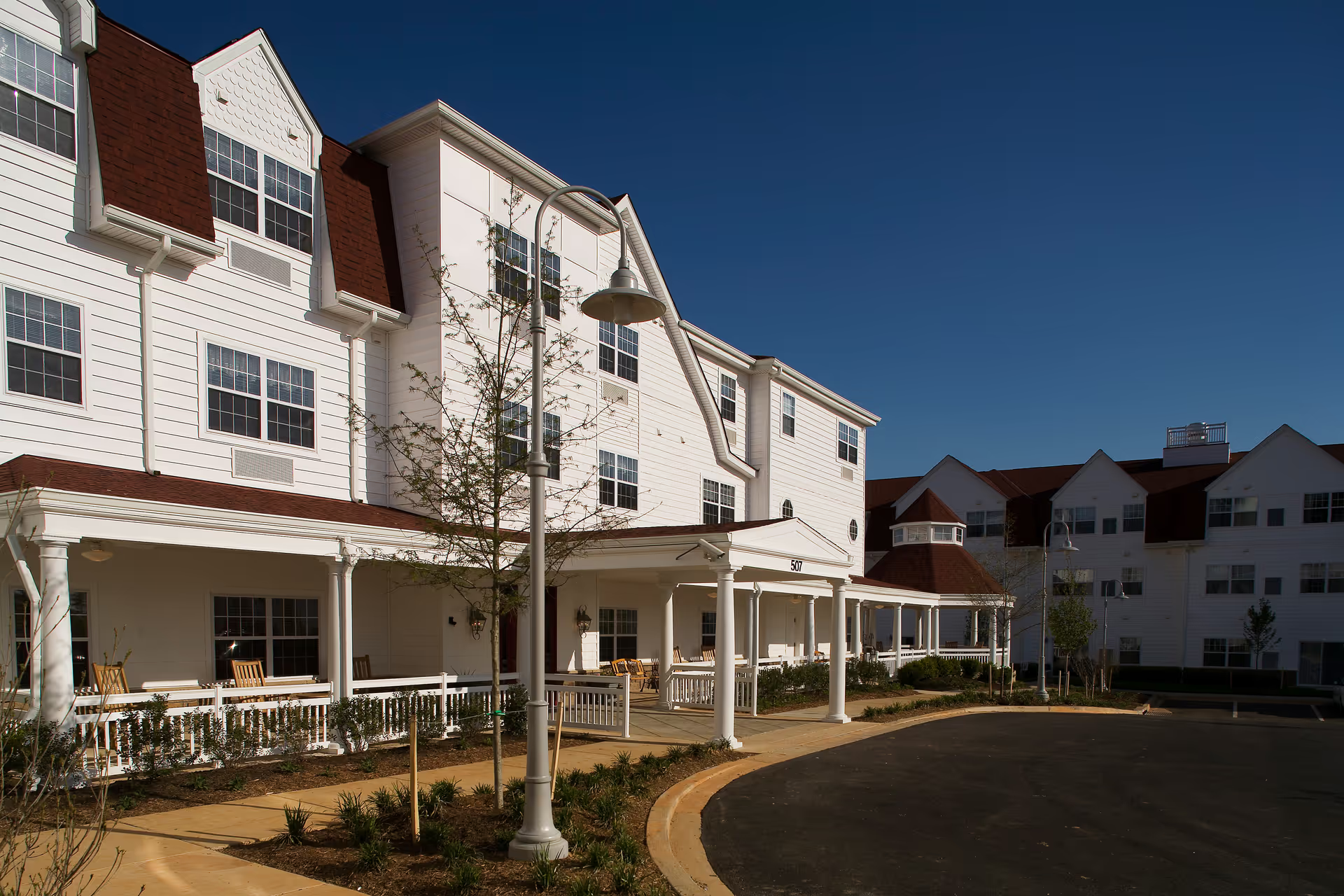
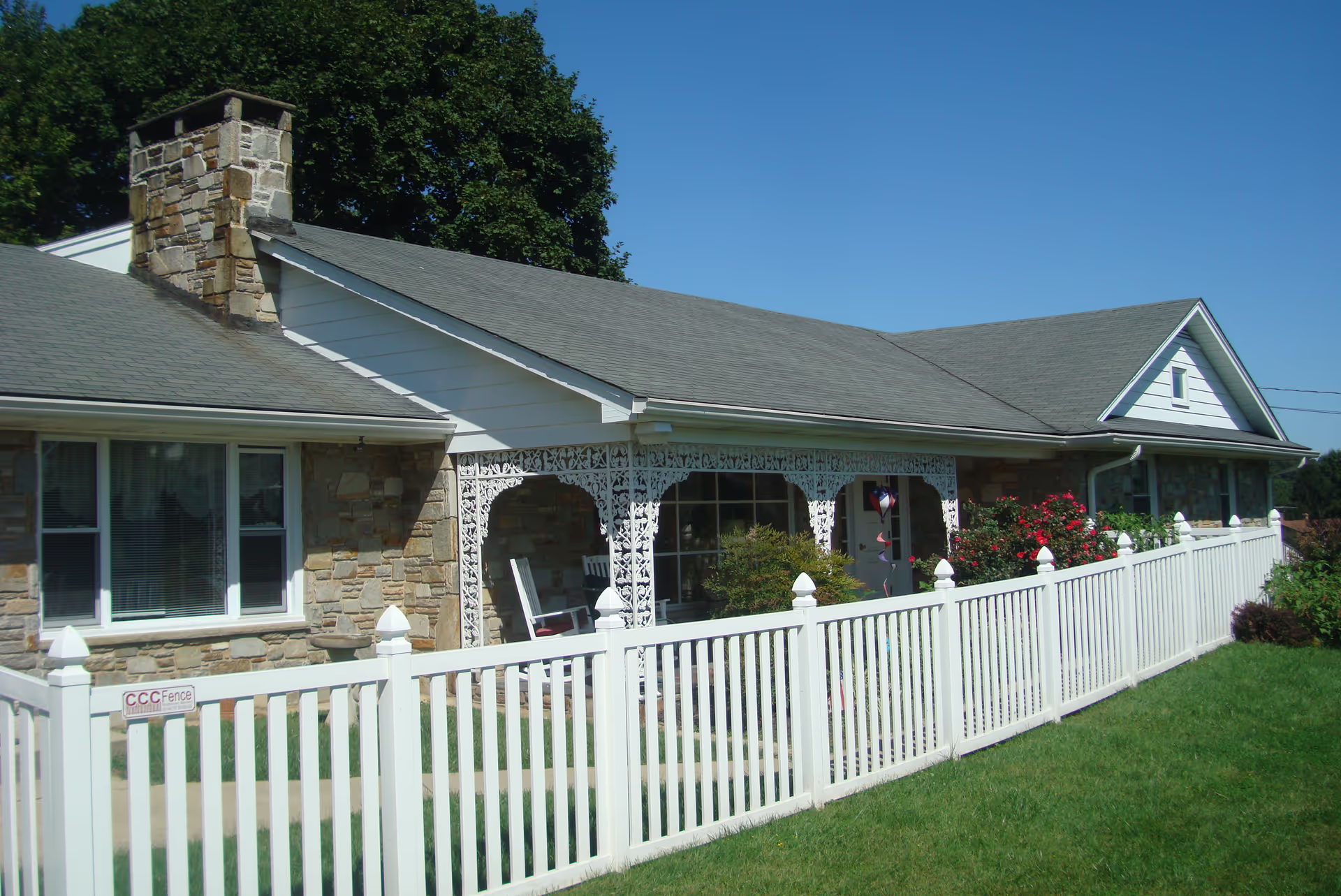
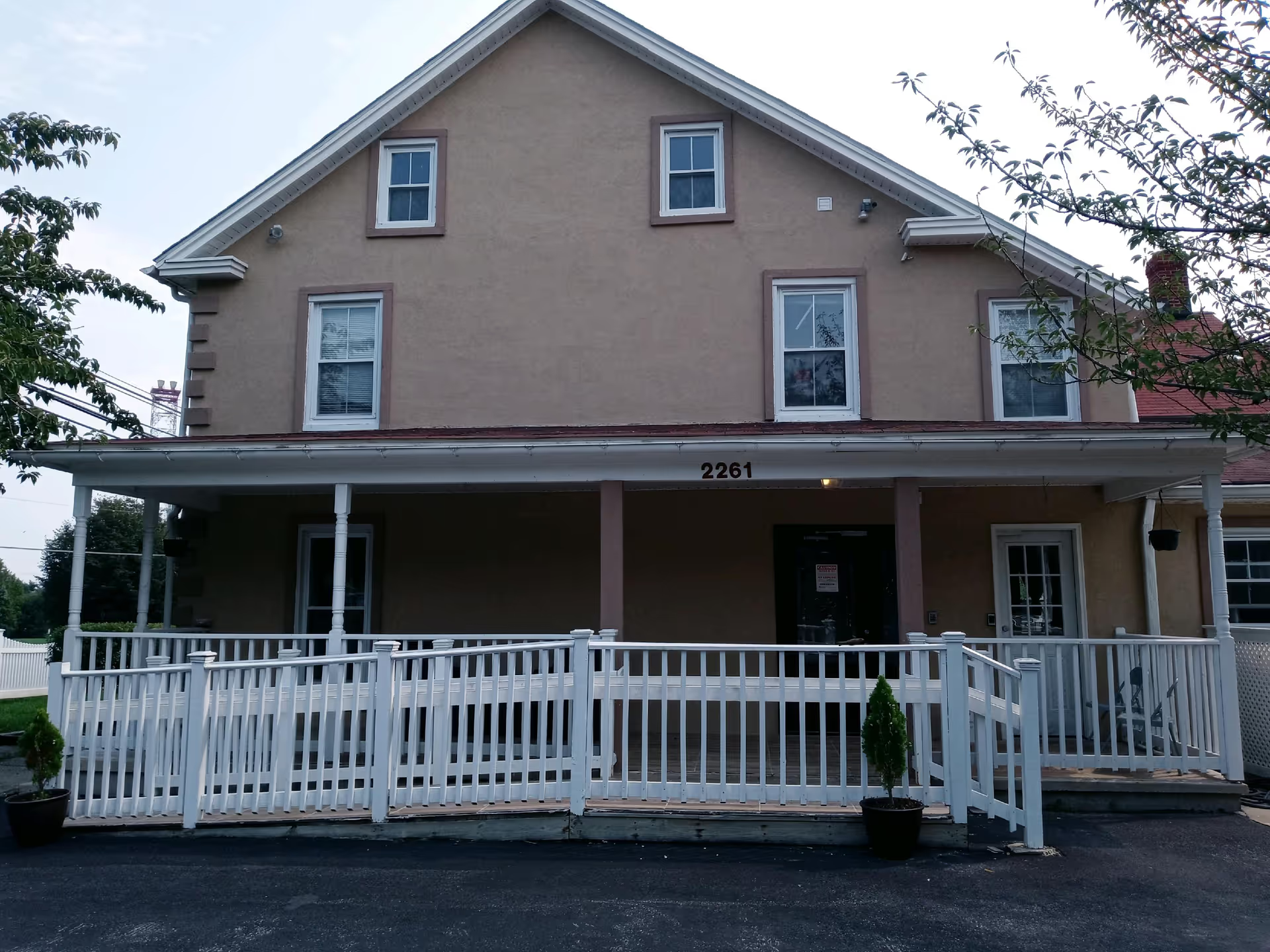
Carroll Lutheran Village is presented across reviews as a large, well-amenitized continuing-care community with a broad spectrum of services from independent living through hospice. Strengths frequently noted include a compassionate and personable caregiving staff, robust rehabilitation services (PT/OT/ST), and numerous on-site amenities such as pools, fitness facilities, salon services, multiple dining venues, a library, and outdoor recreational features. Newer buildings and common areas receive consistent praise for modern finishes and thoughtful layout, and many families describe a strong campus atmosphere marked by resident camaraderie and active programming for mind, body, and spirit.
Clinical care and staffing are described in generally positive terms: nursing and caregiving teams are often characterized as kind, attentive, and responsive, and rehabilitation therapists are praised for producing measurable gains. Family involvement and flexible visitation are highlighted as advantages for continuity of care. That said, a notable pattern of communication and coordination weaknesses appears in multiple accounts. These include unclear or delayed updates to families, difficulty getting answers to important questions, inconsistent documentation of patient progress, and operational problems around move-ins, weekend services, and discharges. Several reviews point to discharge-planning gaps and concerns about post-acute follow-up; prospective residents should clarify transitional-care processes during tours.
Dining, activities, and social life are prominent positives: reviewers commonly praise the variety of dining options and generally high-quality meals, as well as a full schedule of social, wellness, and faith-based activities (including chapel services and musical programs). Reviewers also value the campus shuttle, trips, committee input opportunities, and specialty offerings such as a carpentry shop and community garden. Operational hiccups in the dining experience (orientation to dining systems, occasional service interruptions) are mentioned and would merit checking on current procedures.
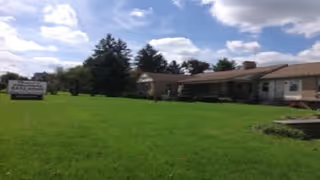
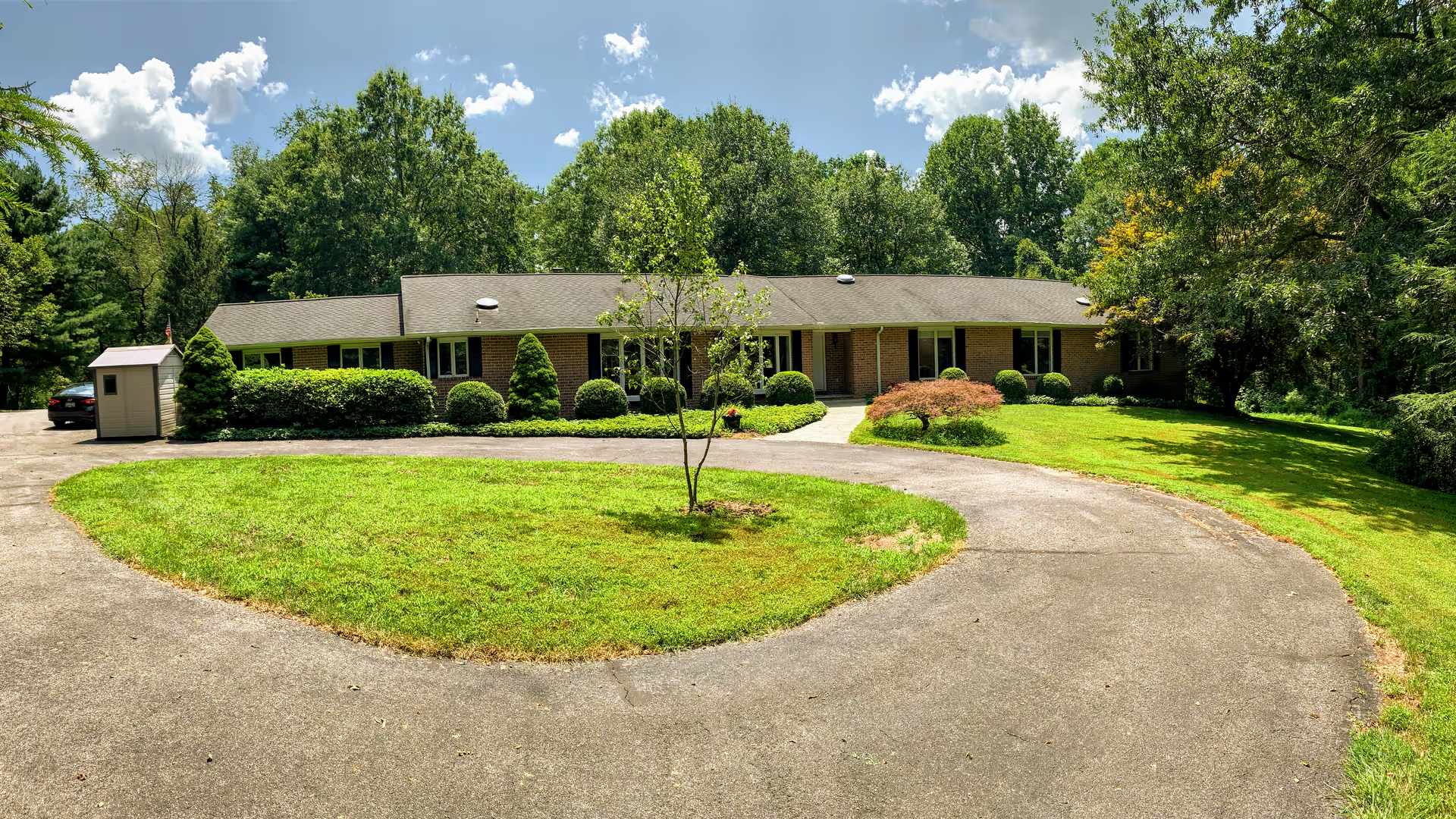
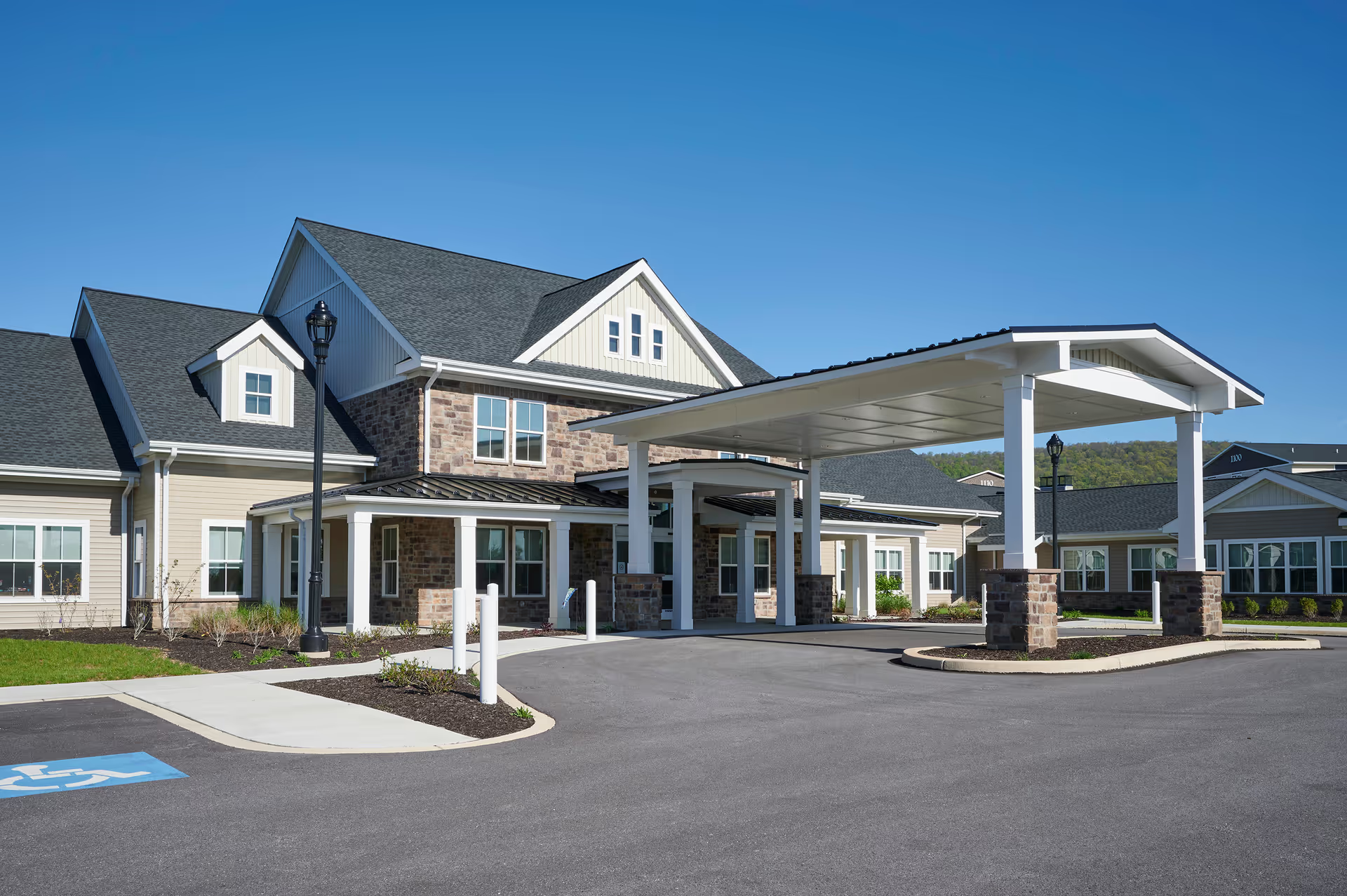
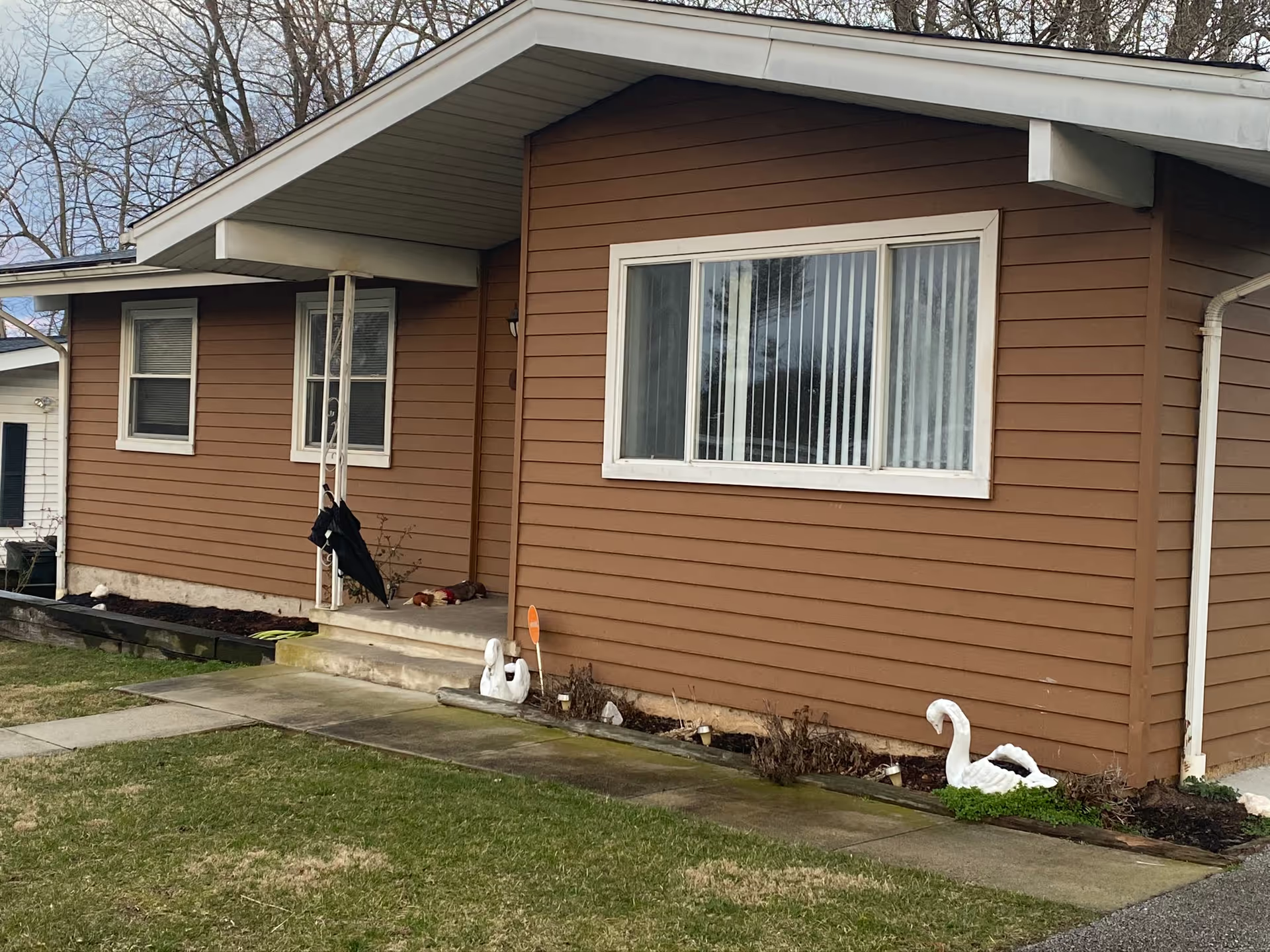
Facilities and campus features are a mixed but largely favorable picture. Grounds and outdoor amenities are seen as attractive and well-maintained; new housing is described as bright and modern. Several comments call out a contrast between newer and older sections, with the older buildings described as darker or in need of updating. Additional practical considerations raised include limited internet in some units, parking constraints, and a relatively rural location that can affect access. Cost is frequently noted as high; some families perceive price not always aligned with administrative responsiveness.
A small number of serious concerns appear in the feedback, including an allegation of staff financial misconduct and contract disputes. There are also mentions of lower-than-expected resident vaccination uptake compared with peer communities. These items are not presented as systemic across the whole campus in the available summaries, but they are important to probe directly with administration and to review in contract and policy documentation.
Overall, Carroll Lutheran Village appears to offer extensive amenities, strong therapeutic resources, and a supportive community environment, particularly in its newer housing and program offerings. The main themes for prospective residents and families to investigate further are communication and care-coordination practices, the condition differences between building sections, discharge and post-acute planning, internet/connectivity availability, parking, and contract terms. Asking targeted questions about these operational areas during a visit will help clarify whether the community’s strengths align with an individual’s priorities and risk tolerance.