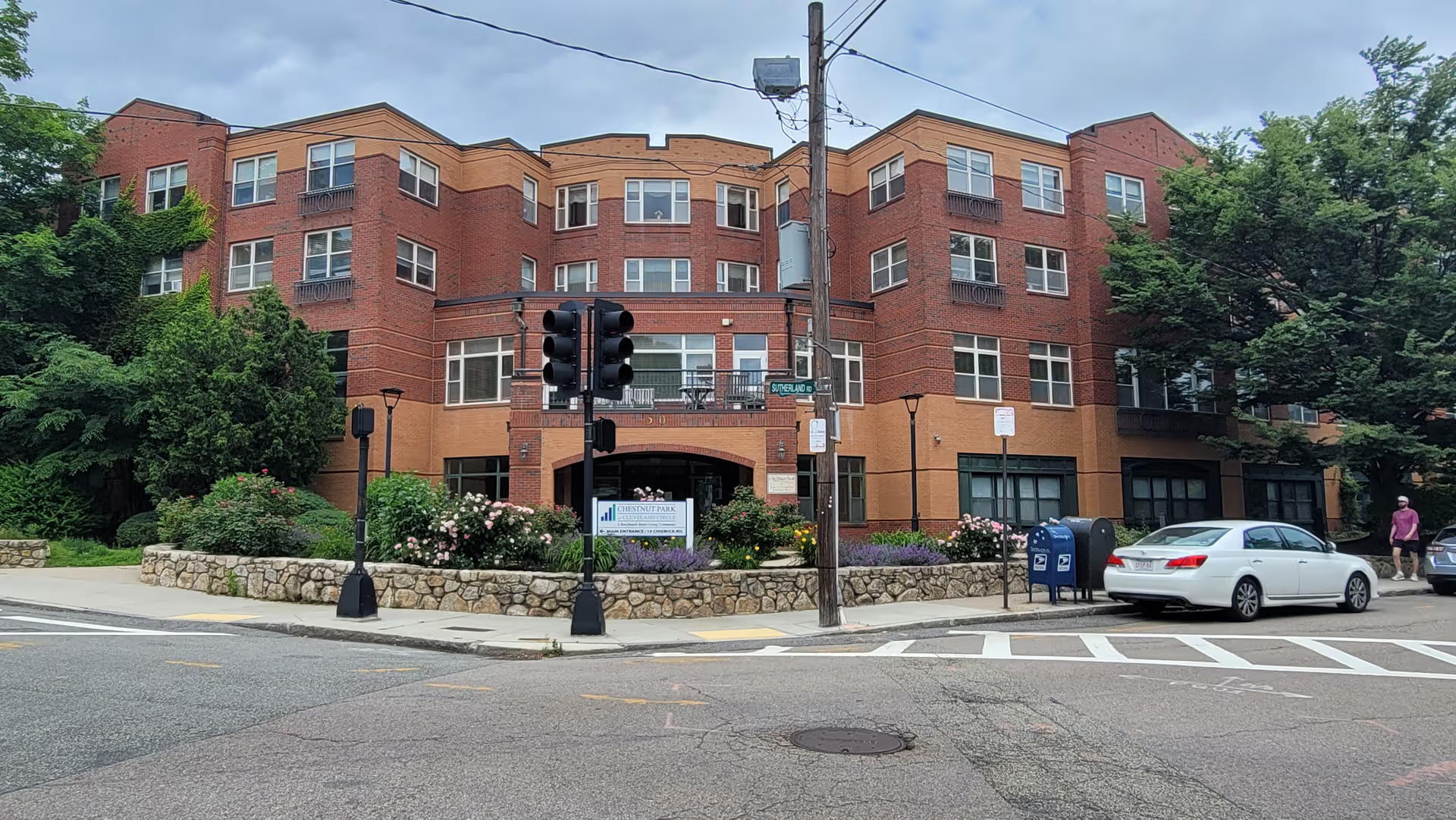
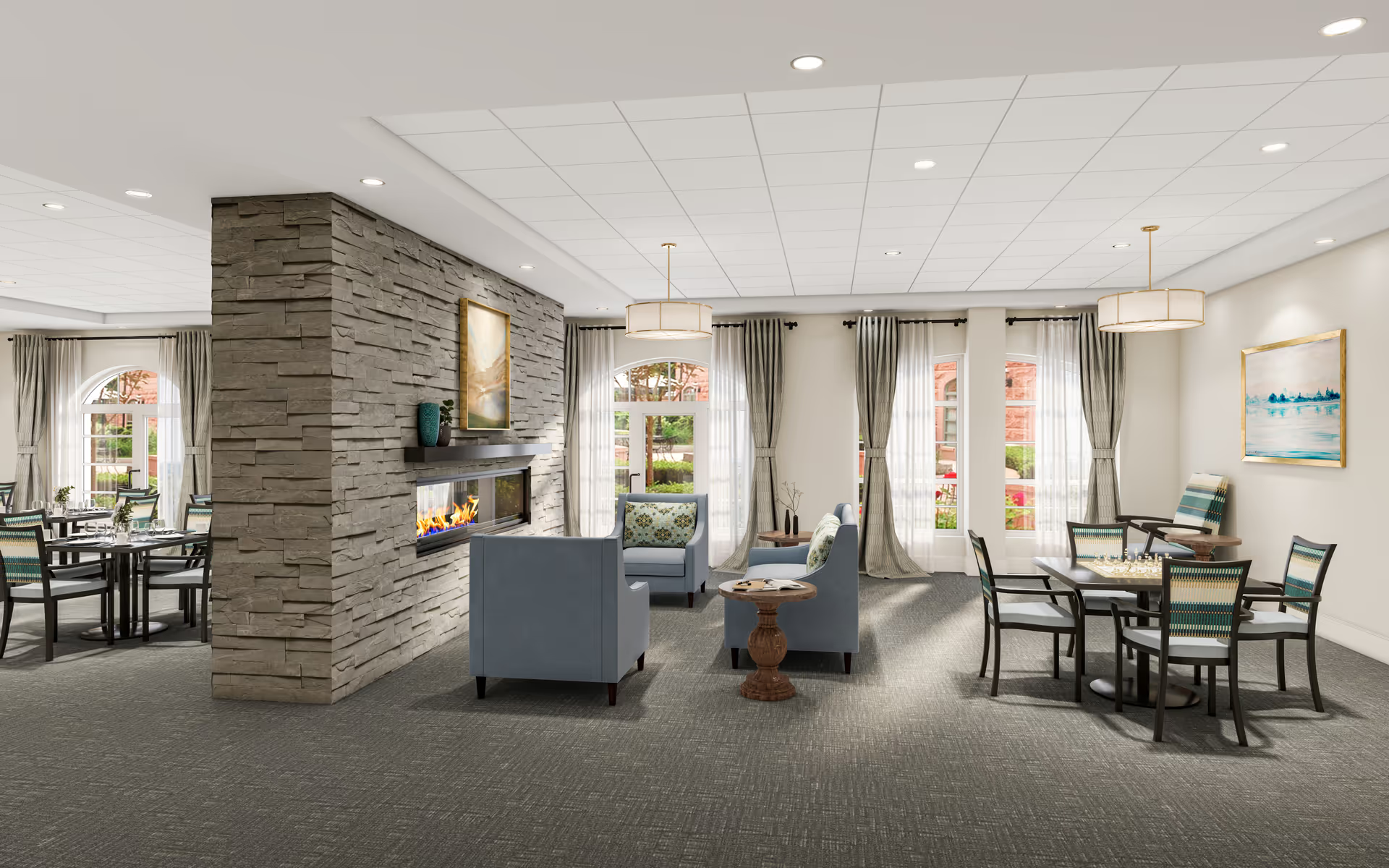
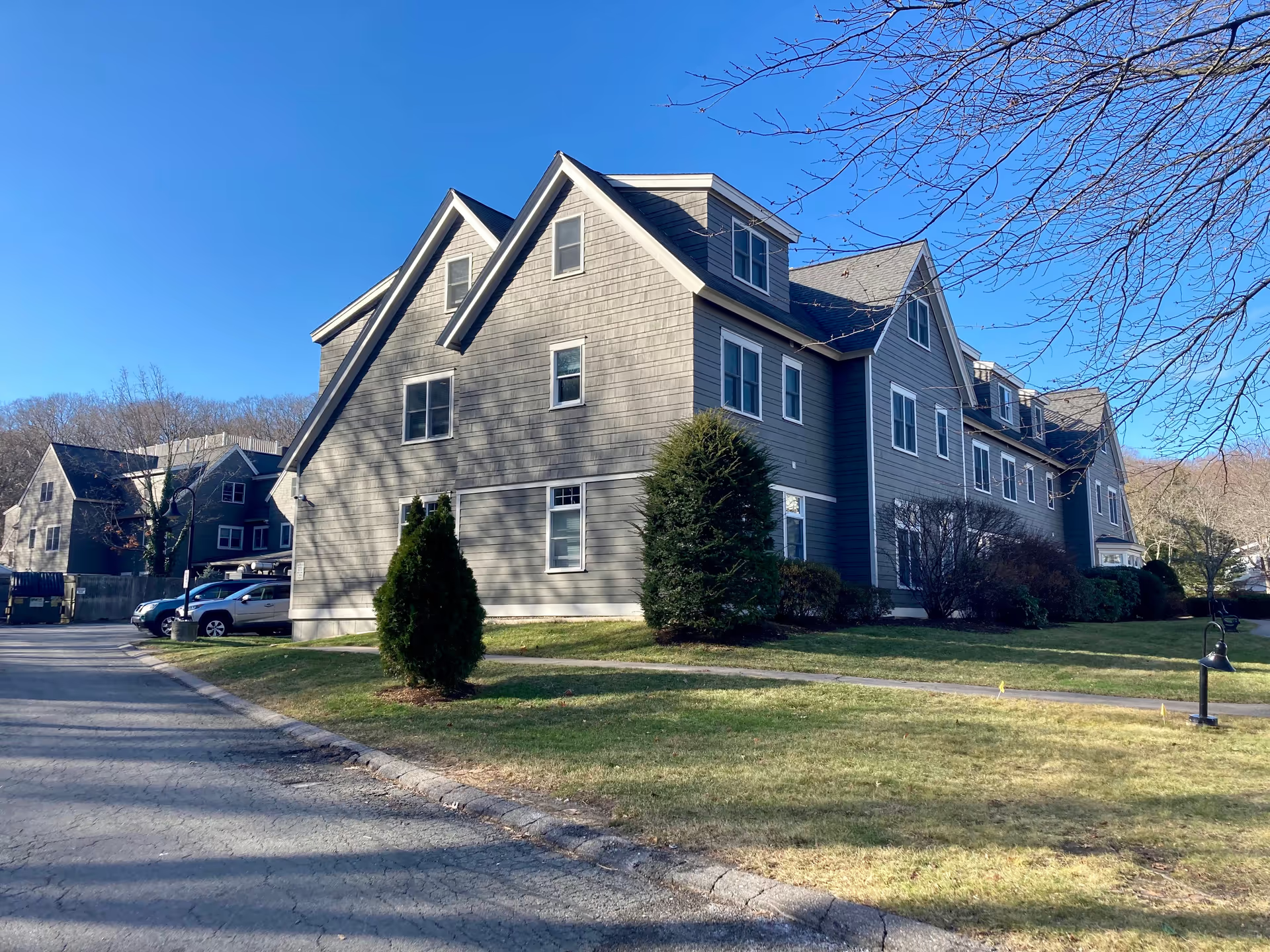
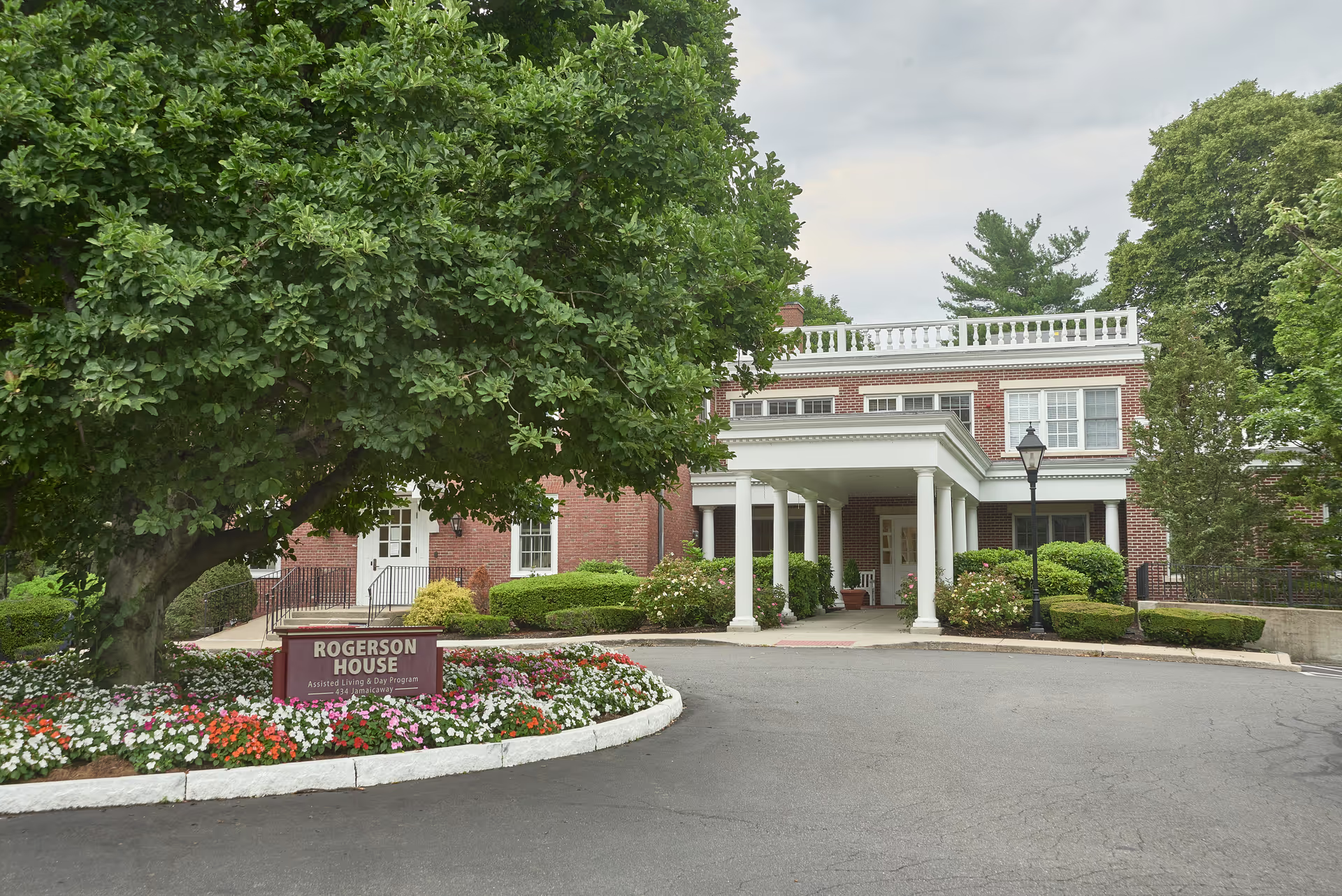
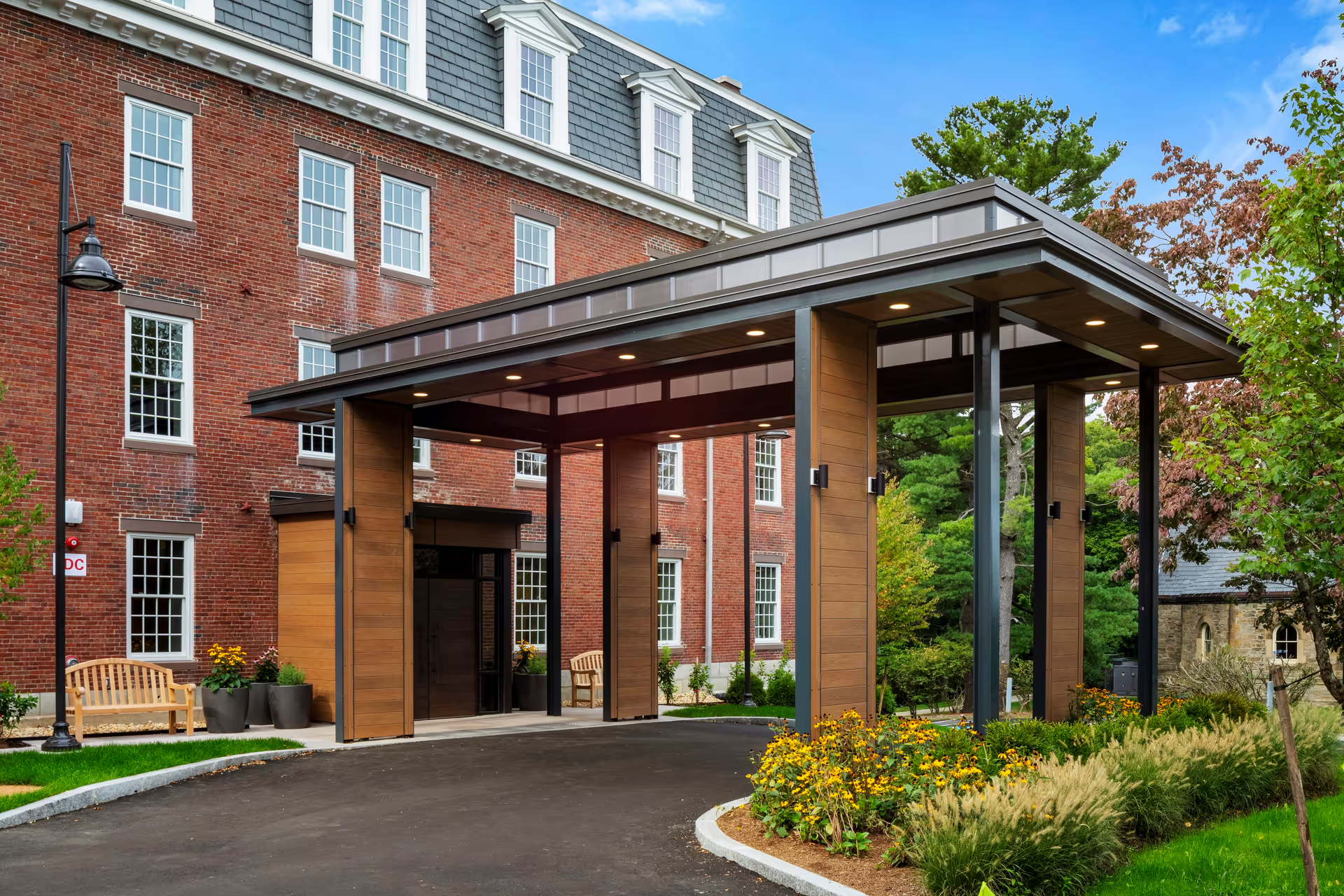
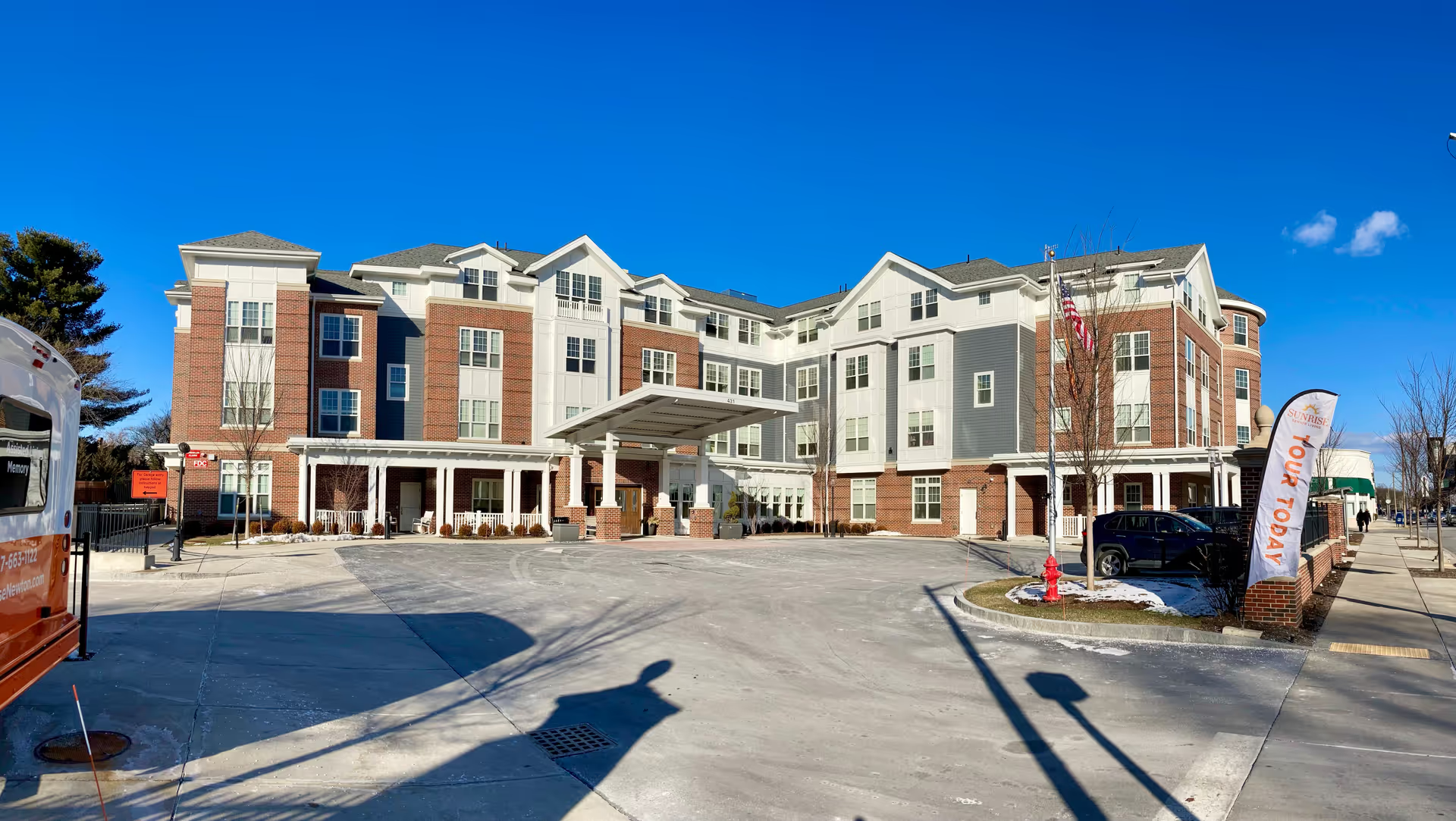
Waterstone at the Circle is consistently described as a polished, amenity-rich independent living community with a strong emphasis on social programming and high-quality dining. Reviewers praise the facility's downtown-adjacent location, boutique-style apartments with ample natural light, and an extensive set of shared spaces — indoor pool, exercise rooms, theater, library, craft room, and multiple dining venues — that support an active social life. Many residents and family members highlight the convenience of shuttle/ride services for medical and social appointments and the proximity to cultural resources in Boston.
Staff and care receive frequent positive mention: front-desk and concierge personnel are characterized as warm and helpful, maintenance responses are described as rapid, and housekeeping is noted for being friendly and thorough. The community also receives credit for compassionate hospice and end-of-life support and for fostering a welcoming, family-like atmosphere. At the same time, reviewers indicate a pattern-level concern about the community's suitability for people whose care needs are progressing beyond independent living. Several comments reflect that clinical support and staffing levels may be inconsistent for residents requiring more intensive assistance, and that the resident mix sometimes includes individuals with significant memory impairment whose behaviors can affect the independent-living social environment.
Dining and programming are central strengths. The dining program is widely described as chef-driven with sophisticated menus and heart-healthy, low-sodium options; reviewers note both fine-dining experiences and casual bistro offerings. Life-enrichment is active and diverse: lectures, concerts, writing groups, men's discussion groups, book and movie clubs, card and board games, and resident-initiated activities are common. That said, there are isolated operational issues connected to food service — characterized as sanitation lapses and occasional service-staff communication challenges — that suggest opportunities for tighter quality control and staff training in dining operations.
Facility operations and management present a mixed picture. Many reviews emphasize professional, attentive staff and a smoothly managed move-in transition, while others describe disorganization, inconsistent communication from management, or front-office shortcomings. Affordability and value-for-cost are recurrent themes: some families view the community as expensive but worth the amenities and service, whereas others feel the price point is not justified by the experience. Prospective residents should also consider community fit: those seeking an intellectually engaged, resident-led independent-living environment report high satisfaction, while those expecting a strictly homogeneous low-acuity population may experience mismatches due to the presence of higher-acuity residents.
Overall, Waterstone at the Circle is well suited to independent seniors who prioritize social programming, high-quality dining, and a comprehensive amenity package in an urban location. Prospective residents and families should assess current clinical supports and management responsiveness relative to changing care needs, inquire about dining quality-control practices and staff language/communication training, and consider financial expectations to determine whether the community aligns with their clinical and lifestyle priorities.