Overall impression is of a small, urban community with strong front-line caregiving and a broad set of social and cultural offerings, paired with operational inconsistencies that affect day-to-day resident experience. Many reviewers emphasized the strengths of direct-care staff — described as caring, personable and attentive — and praised the facility’s focus on outings, intellectual programs, and comfortable common areas. The community’s proximity to Cambridge/Harvard and nearby parks, along with organized transportation, makes it appealing to elders who remain relatively active and who seek cultural engagement.
Care quality and staffing appear mixed. Direct-care employees consistently receive positive feedback for responsiveness, personalized attention and respectful interactions. At the same time, there are recurring operational concerns: delays in responding to call-button requests, uneven medication-administration practices, and inconsistent morning routines. These patterns suggest that while caregiving staff are dedicated, staffing levels, task coordination, or clinical protocols may not be uniformly reliable across shifts.
Dining and related services elicit divergent impressions. Several accounts praise chef-prepared meals and gourmet options, on-site clinical services, and organized mealtimes; other accounts describe inconsistent meal preparation and a menu that could use updating. Housekeeping is present and active on many floors, but reviewers also described variability in sanitation and laundry service, indicating inconsistent execution of environmental services.
Activities are a clear asset when they run as intended: frequent museum trips, concerts, group discussions and weekly outings create a lively calendar for residents who participate. However, activity engagement is uneven, and the memory-care unit in particular is described as having limited programming and low resident involvement. Families considering the community for advanced dementia care should weigh these limitations carefully.
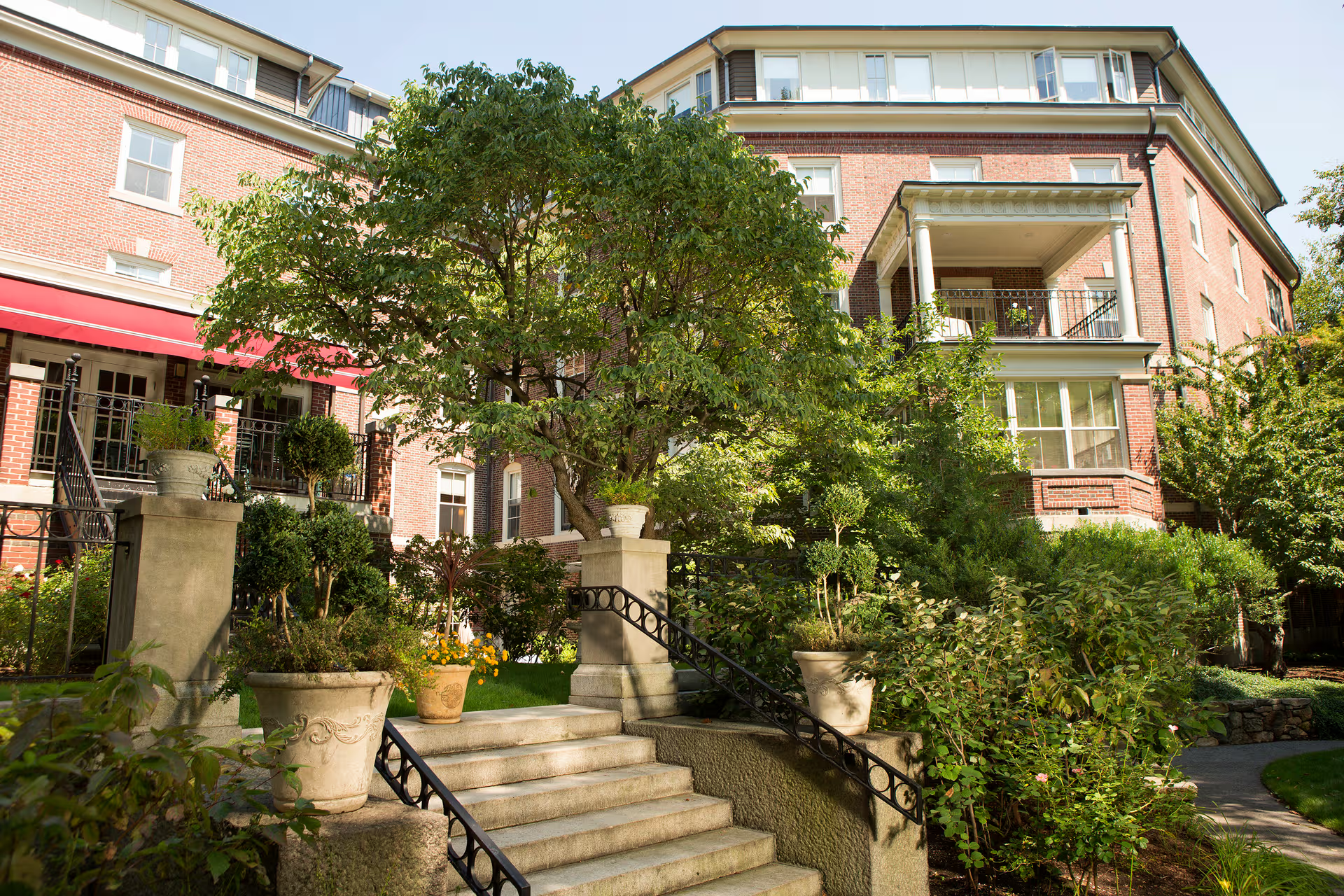
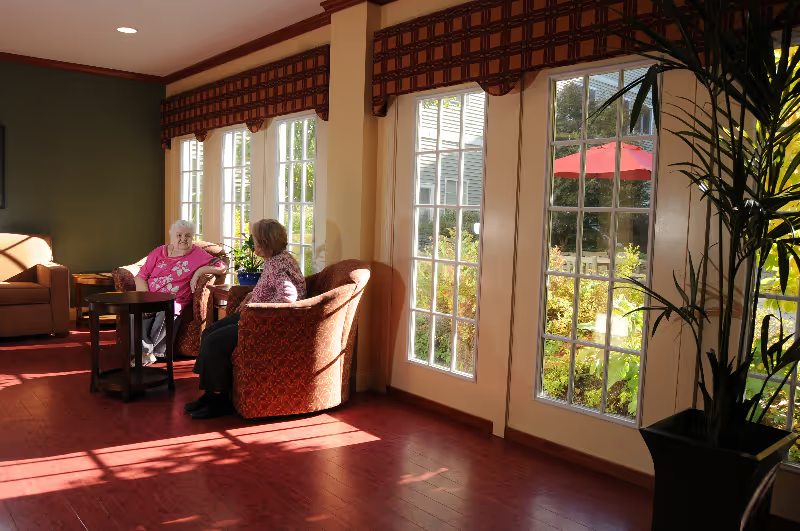
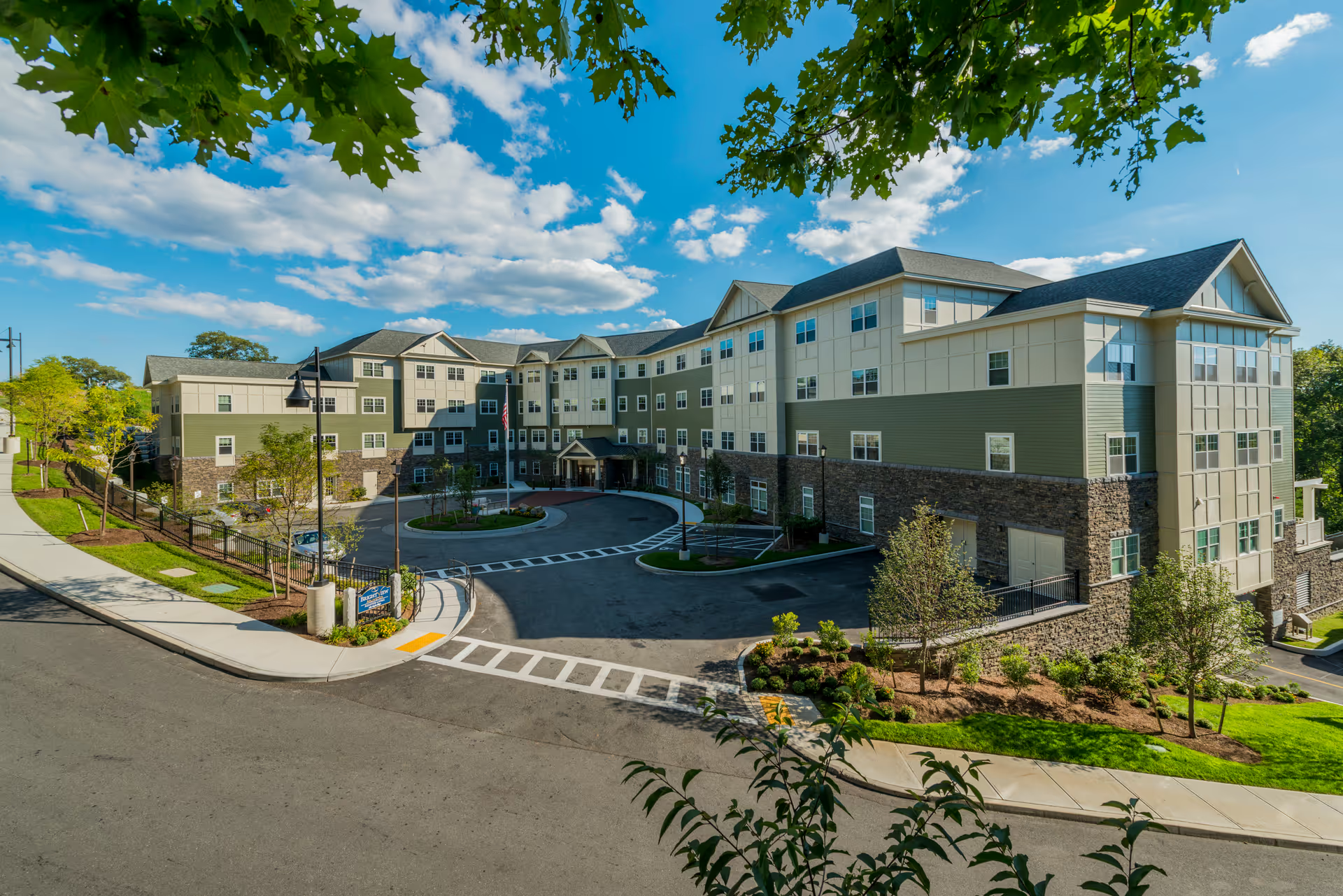
Facility and amenities are a mix of positives and areas needing attention. Common rooms, gardens, and patios are comfortable and well used; some apartments are spacious and well appointed. Conversely, some resident rooms are described as dark or dated, and reviewers noted inconsistent temperature control and limited green space beyond the primary garden. Administrative aspects also vary: the family-owned model yields personalized service in some cases, but move-in processes, paperwork and leadership availability were called cumbersome or inconsistent by other families.
In summary, Cadbury Commons appears well suited to older adults who are relatively independent, socially and intellectually active, and who value attentive caregiving and frequent cultural outings. Prospective residents and families should verify current protocols around medication administration, response times, memory-care programming, and environmental services during a tour and through direct questions to management, and should confirm cost and contract terms given the facility’s higher price point in the area.