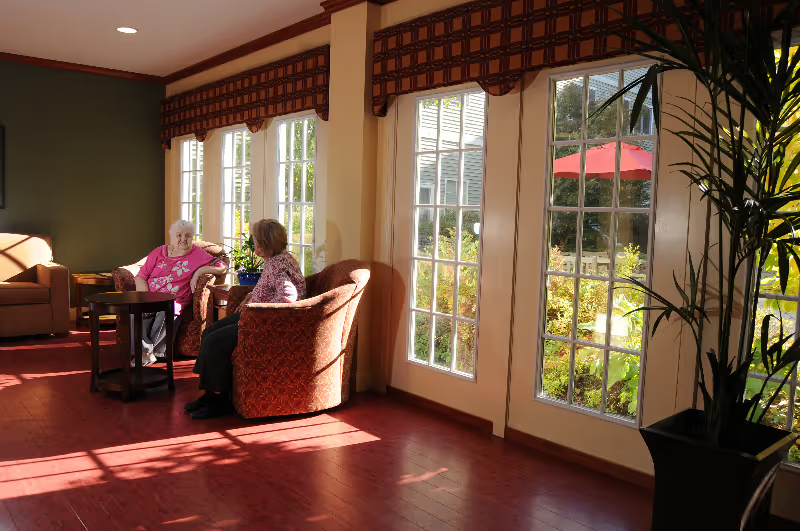
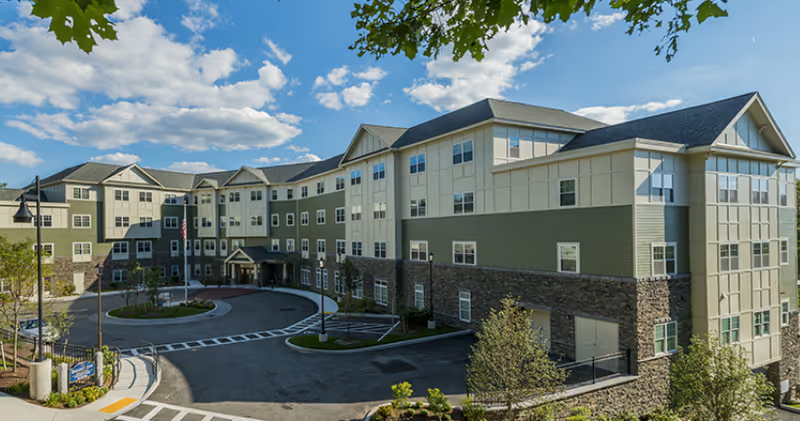
The reviews for Sancta Maria Nursing Facility present a mixed picture with distinct areas of strength alongside recurring operational concerns. Positive feedback centers on clinical rehabilitation and some professional staff: multiple families praised the facility's physical and occupational therapy teams for effective short-term rehab outcomes, mobility gains, and successful discharge home. Several reviewers also described compassionate nursing and caregiving, a welcoming admission process, private-room accommodations, and administrative staff who were responsive and helpful on certain shifts. When care met expectations, families cited clean, well-maintained areas, engaging activities, and meals that supported appetite and weight maintenance.
Concurrently, a substantial set of operational weaknesses emerges. Medication-management failures and inconsistent medication scheduling are a frequent theme, as are uneven staffing levels that correlate with slower responses to call lights and alarm delays. Communication barriers—particularly limited English proficiency among some frontline staff—contribute to family frustration and misunderstandings. Sanitation concerns, including issues requiring pest-control attention in some units, and inconsistent food quality were also noted. Several reviewers described safety-equipment maintenance gaps (for example, older beds and mobility devices needing repair) and insufficient supervision or environmental controls for residents with cognitive impairment, leading to wandering-risk concerns.
The facility appears to deliver high-quality care under favorable conditions (adequate staffing, engaged therapists, and proactive administration), but the experience can vary considerably by floor, shift, and individual staff. This variability is reflected in contrasting reports: families who felt well-supported and saw meaningful clinical improvement, and others who reported rapid decline, medication problems, or unaddressed needs. Some reviewers raised serious issues including allegations of theft and substance misuse; others called for regulatory review. These accounts suggest that certain problems may be episodic but significant when they occur.
For prospective residents and families, focus areas for inquiry should include current staffing ratios by unit and shift, medication-administration protocols and audit procedures, language-capacity and communication supports, pest-control and sanitation protocols, alarm and call-response metrics, fall- and wandering-risk mitigation strategies, and discharge-planning practices. Visiting in person, asking to speak with therapy staff, reviewing recent inspection or survey results, and clarifying how the facility handles incident follow-up and family communication can help assess whether the facility’s strengths are reliably delivered in a particular unit or time window.