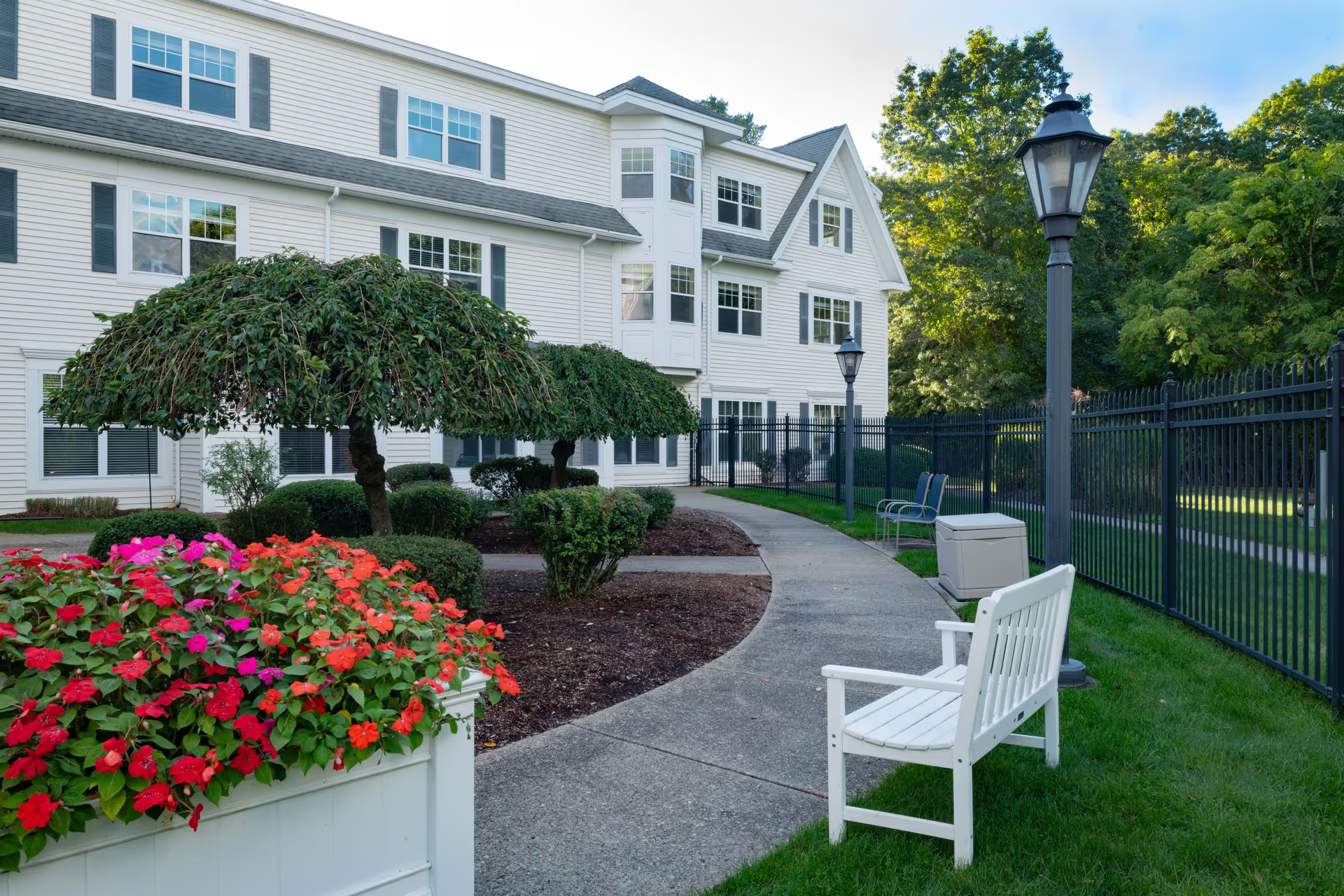
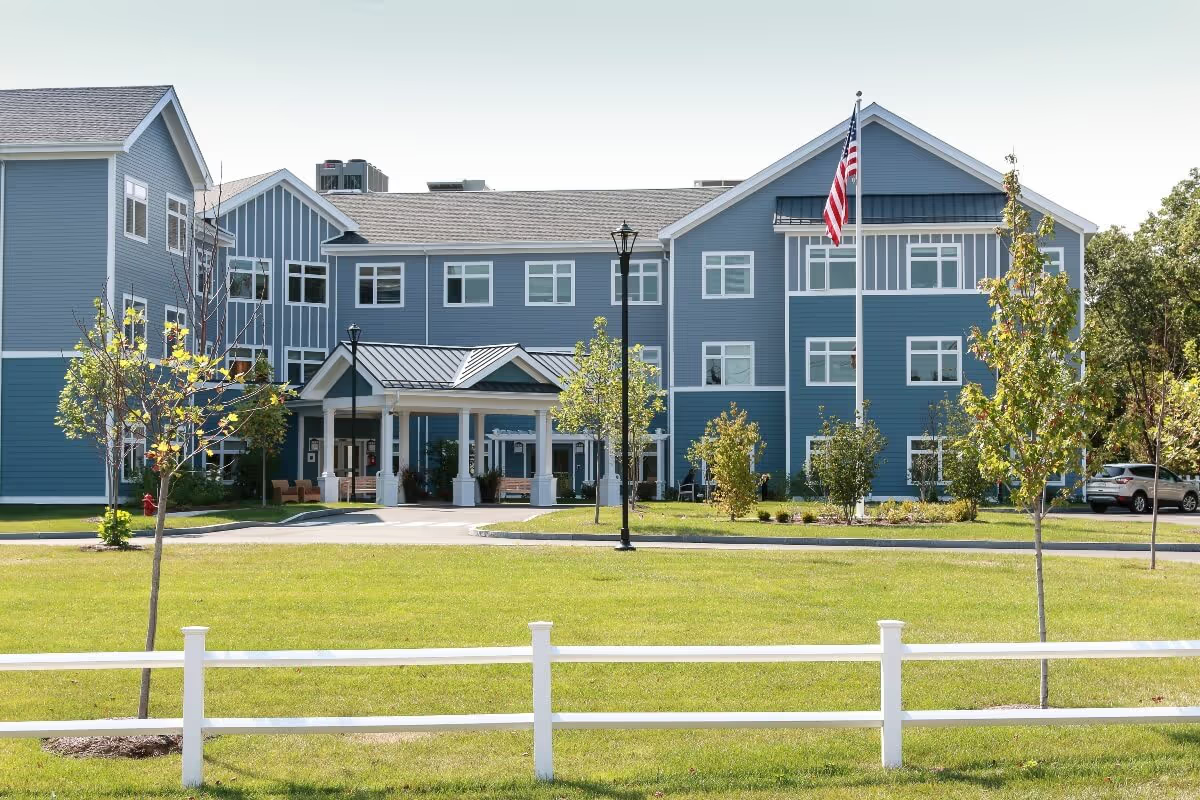
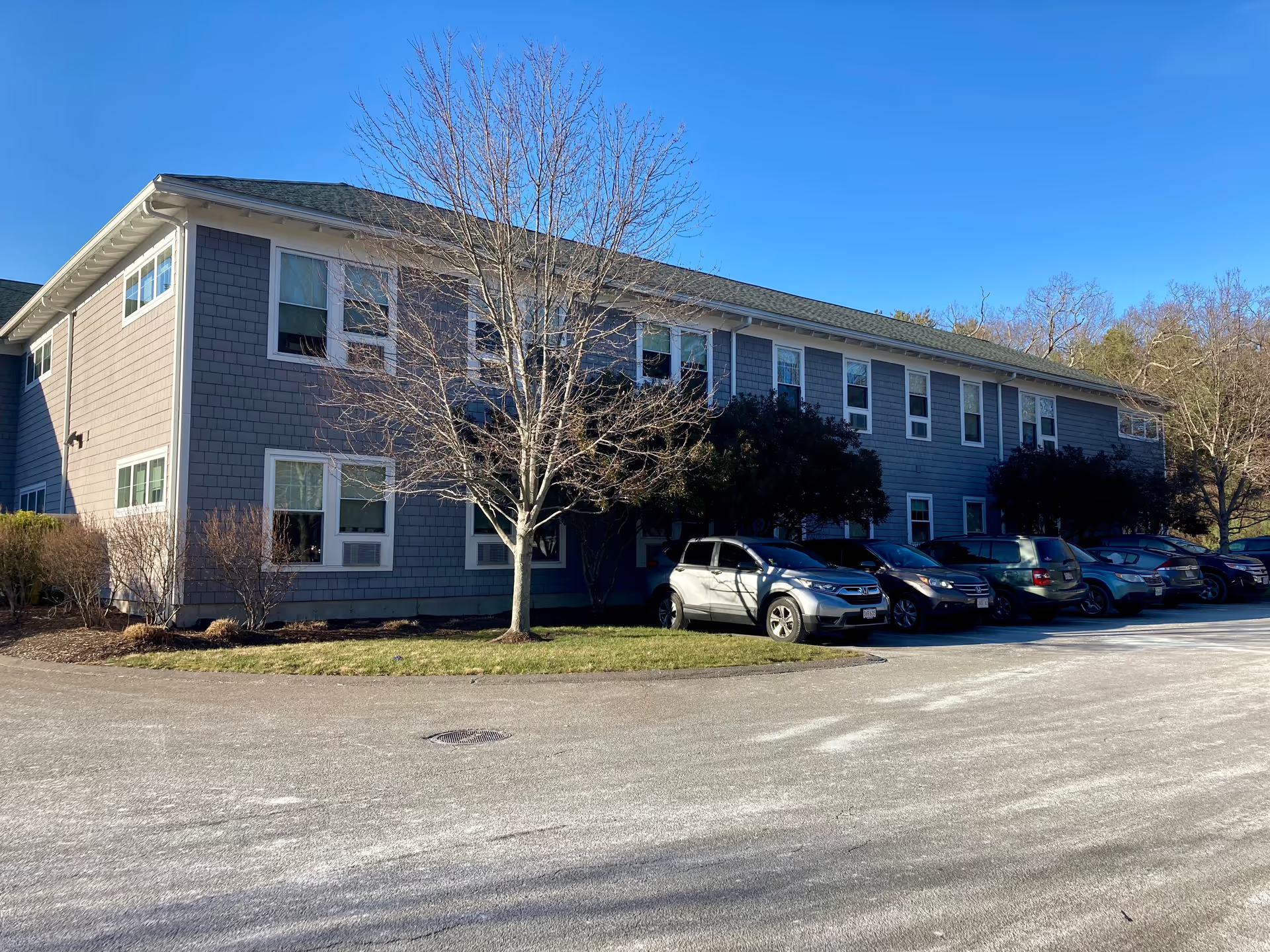
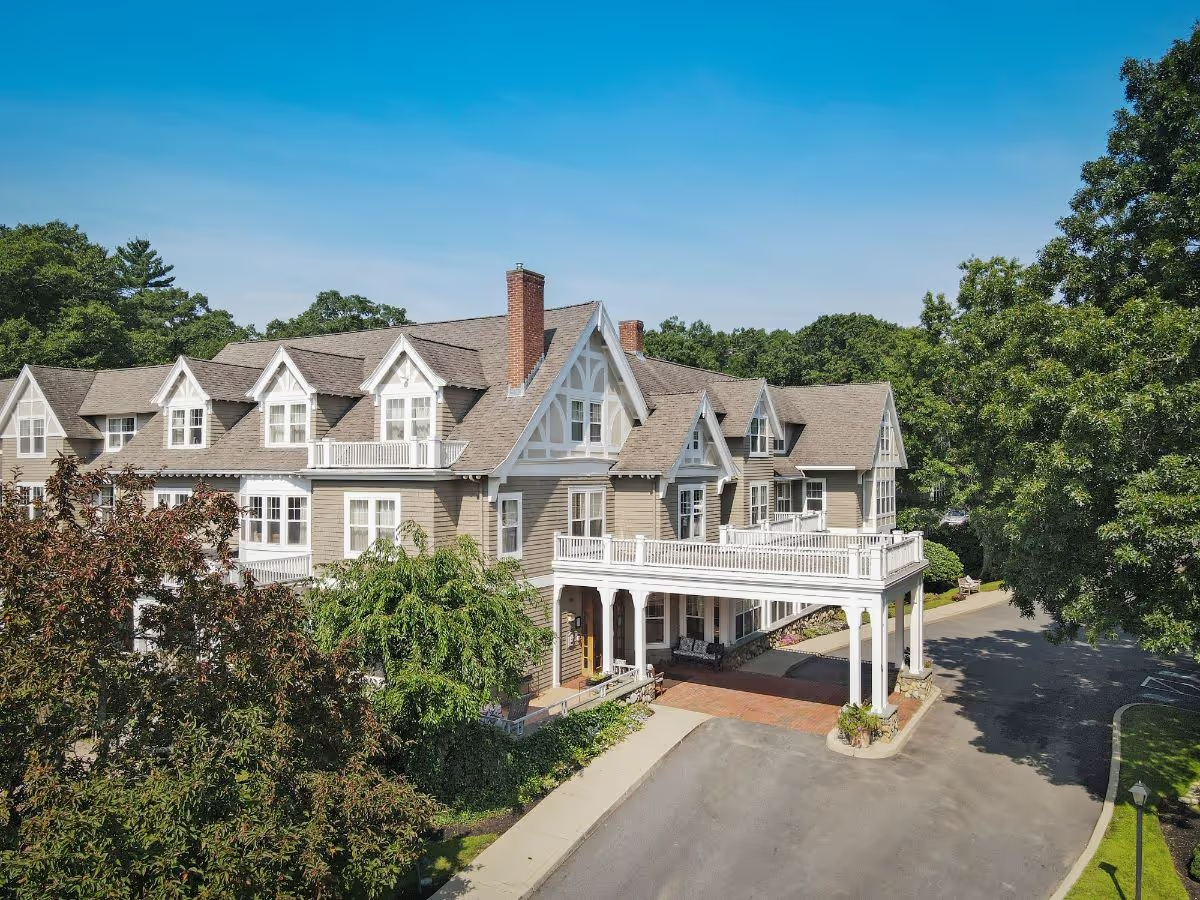
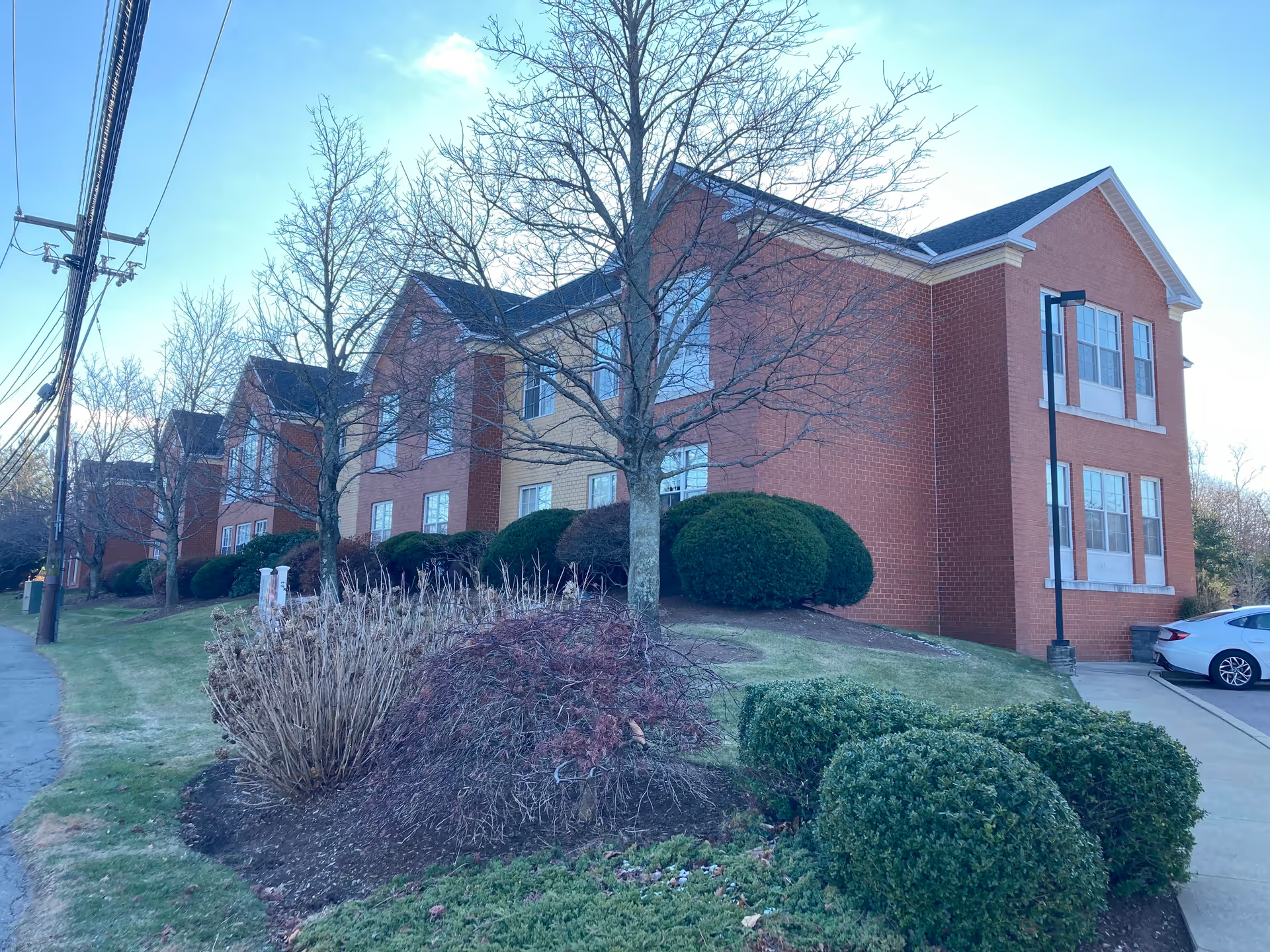
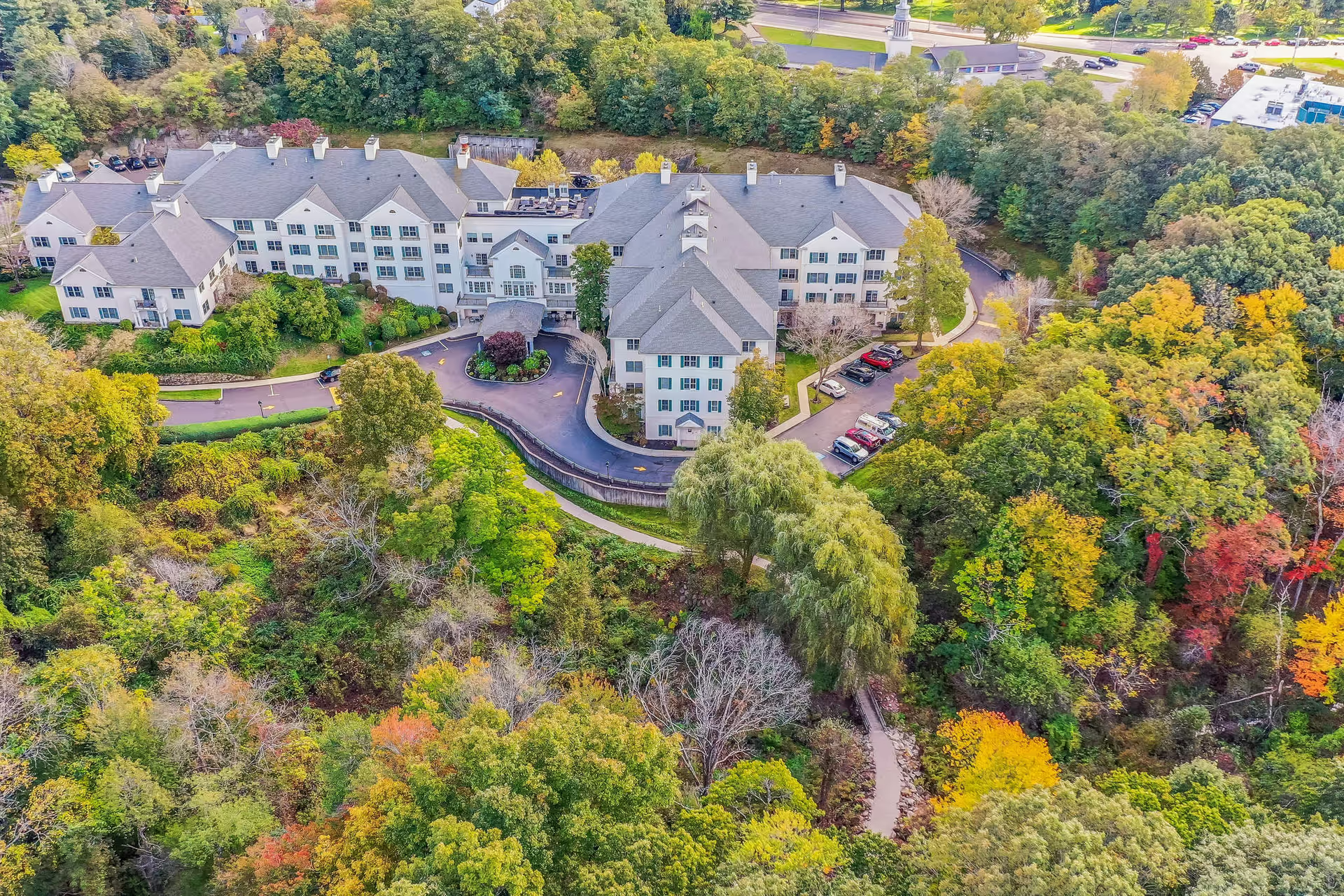
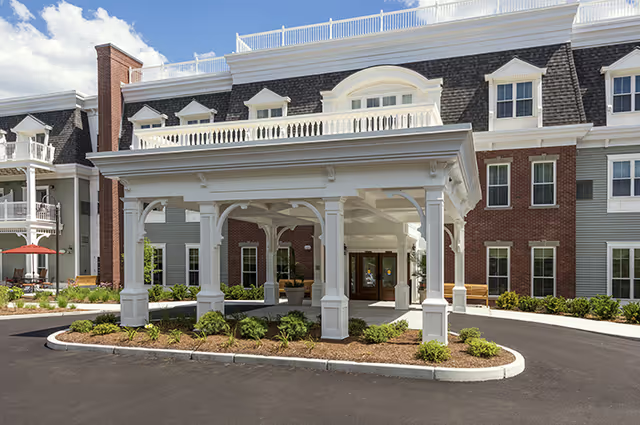
Traditions of Dedham is frequently described as a warm, well-appointed assisted-living community with a strong emphasis on social engagement and hospitality. Reviewers consistently praise the caregiving staff as compassionate and attentive, the activities team as creative and energetic, and the dining program as restaurant-quality with diverse, chef-prepared menus. The community layout and recent renovations are commonly noted as bright, home-like, and well maintained; on-site amenities such as a salon, pub/happy hours, transportation, and robust therapy services support an active lifestyle for many residents.
Activity programming is a clear strength: residents participate in daily structured options including exercise classes, art and trivia, live music, themed events, off-site trips, and intergenerational programming. Families emphasize that these opportunities improve mood, socialization, and overall quality of life. Dining and food service receive frequent commendation for taste, presentation, and attentive waitstaff; special events and holiday programming are also highlighted as well run and detail-oriented.
Care quality and management elicit generally positive impressions, with reviewers noting responsive management, regular housekeeping for many apartments, proactive coordination with outside healthcare providers, and strong hospice and therapy coordination when needed. The community’s response to infection-control events has been described as organized, with testing and isolation procedures implemented and social activities resumed afterward, which influenced families’ willingness to recommend the community for both respite and long-term stays.
Several operational patterns, however, warrant verification during a tour. Multiple accounts point to inconsistent medication-administration practices and reminder systems (for example, eye-drop and CPAP reminders), suggesting that medication processes can vary by shift or assignment. Housekeeping and room-cleanliness quality appear uneven across units; while many report spotless common areas and weekly cleaning, others describe lapses in room-level housekeeping. Reviewers also describe episodes implying staffing strain — language barriers, inconsistent aide conduct, and variability in responsiveness — which can affect daily experiences. Feedback about memory-care is mixed: some families praise individualized attention and successful transitions, while others perceive gaps in dementia-specific supports.
Practical considerations raised by reviewers include the cost of care (with some services described as expensive or not covered by insurance) and the need for clearer non-digital information channels and financial-assistance explanations. A small number of voices also raised concerns about marketing transparency and online review authenticity; prospective families may want to confirm contractual, pricing, and assistance details directly.
Overall, Traditions of Dedham presents as a community with notable strengths in staffing culture, activity programming, dining, and facility quality. Prospective residents and families should weigh those strengths against the operational areas noted above by asking targeted questions at a visit: how medication and reminder regimes are managed, standards and frequency of apartment housekeeping, specifics of dementia-care programming, and the full scope of charges and financial-assistance options. These checks will help determine whether the facility’s strong social and hospitality offerings align with an individual resident’s clinical and daily-support needs.