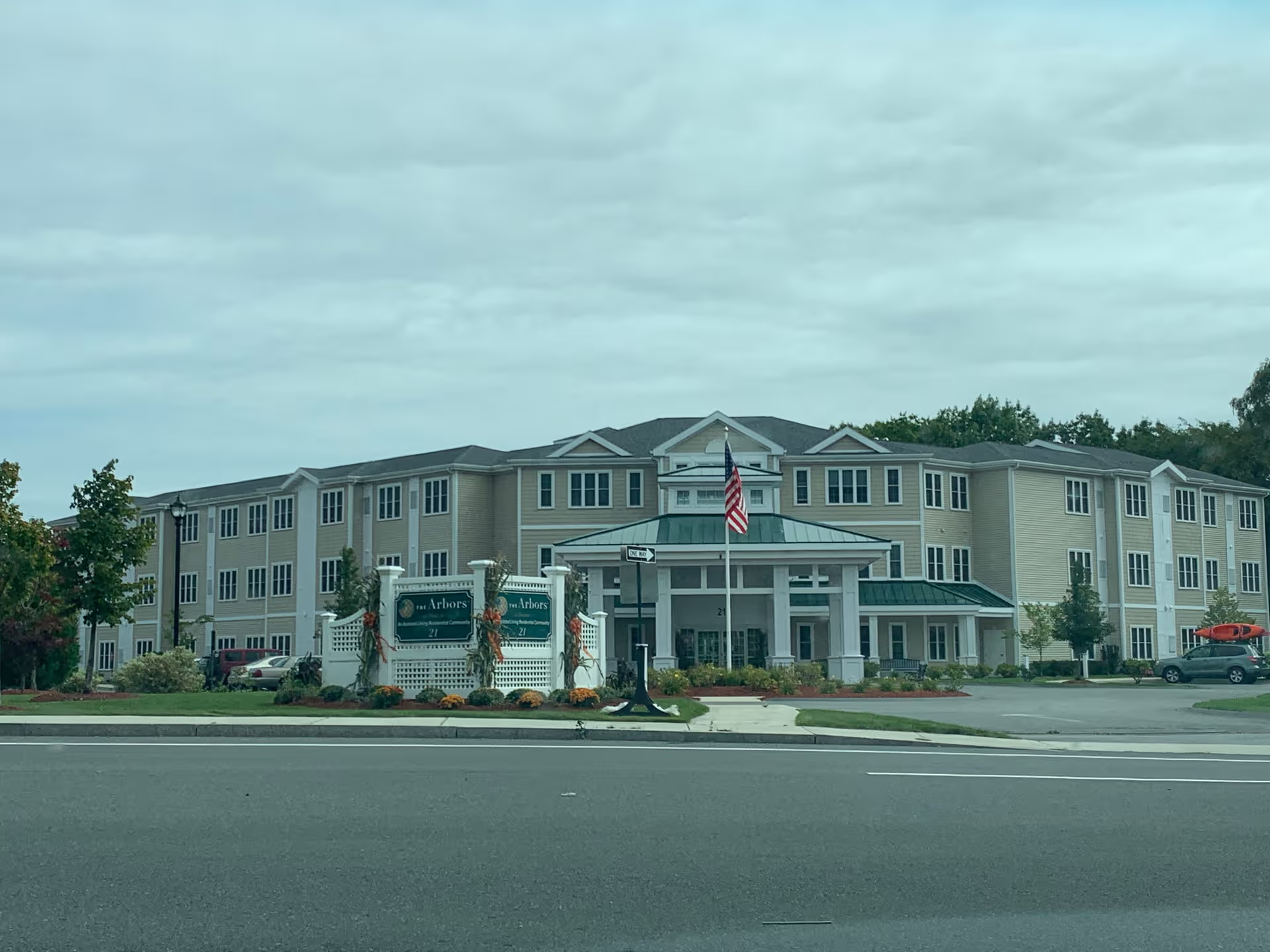
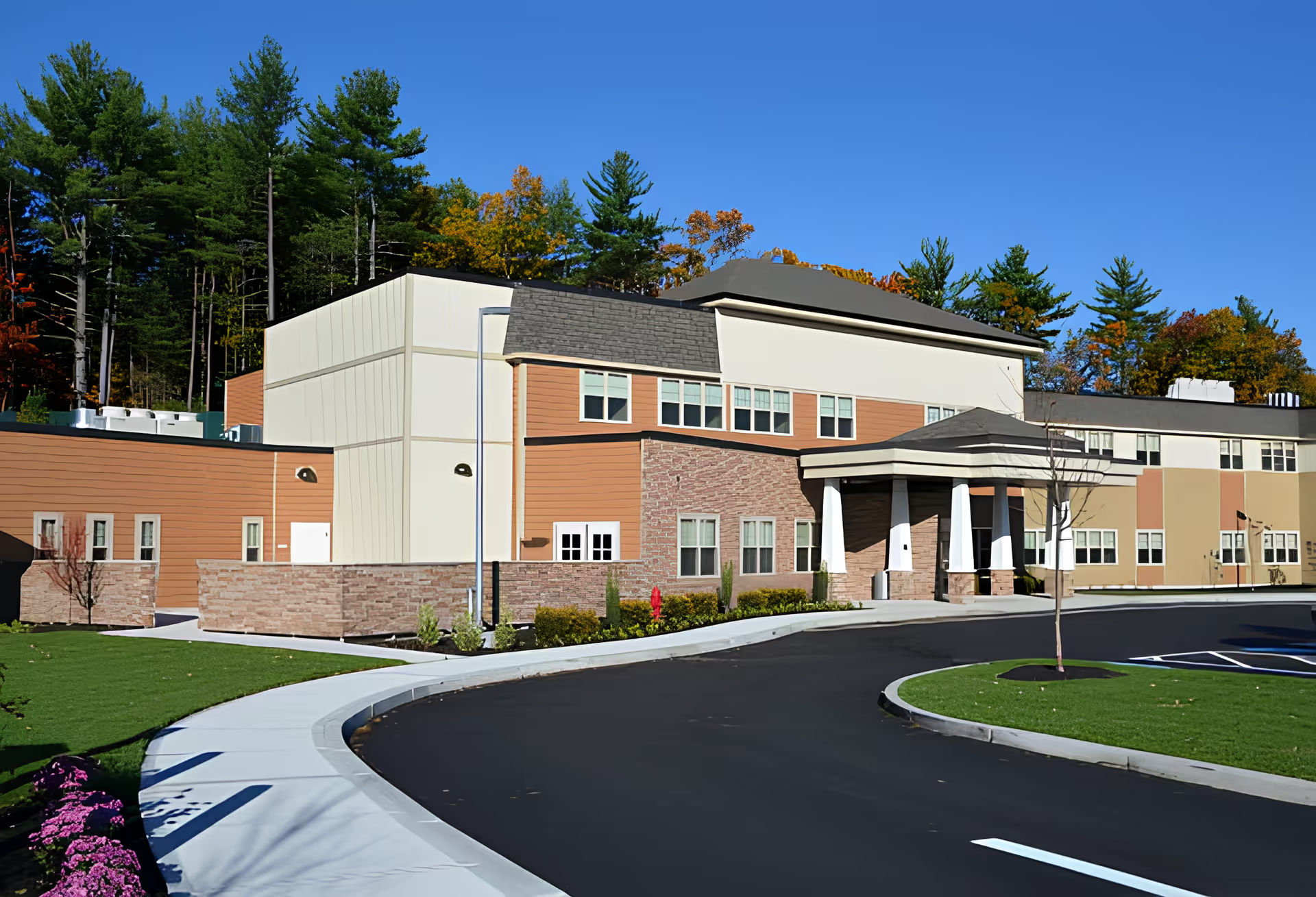
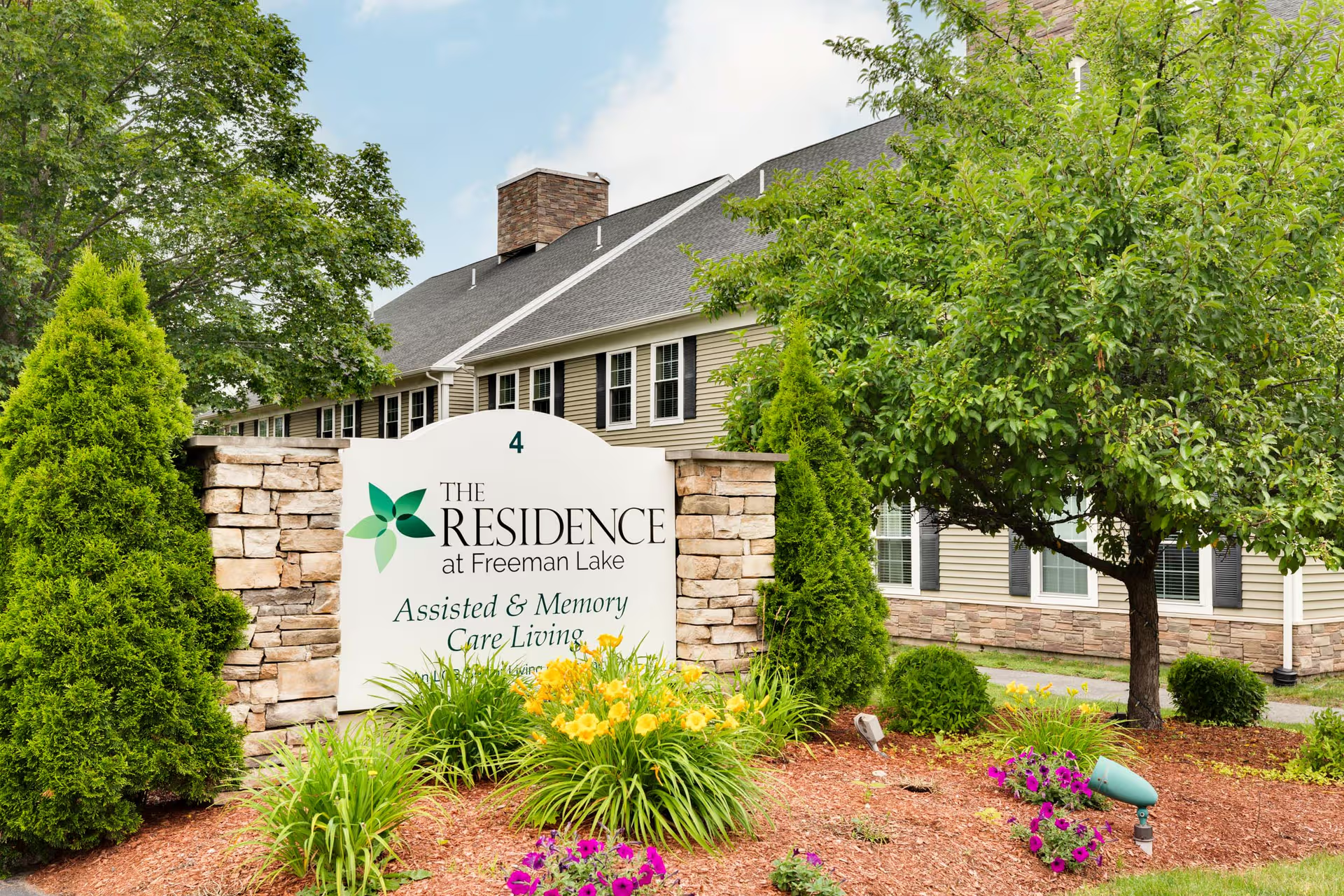
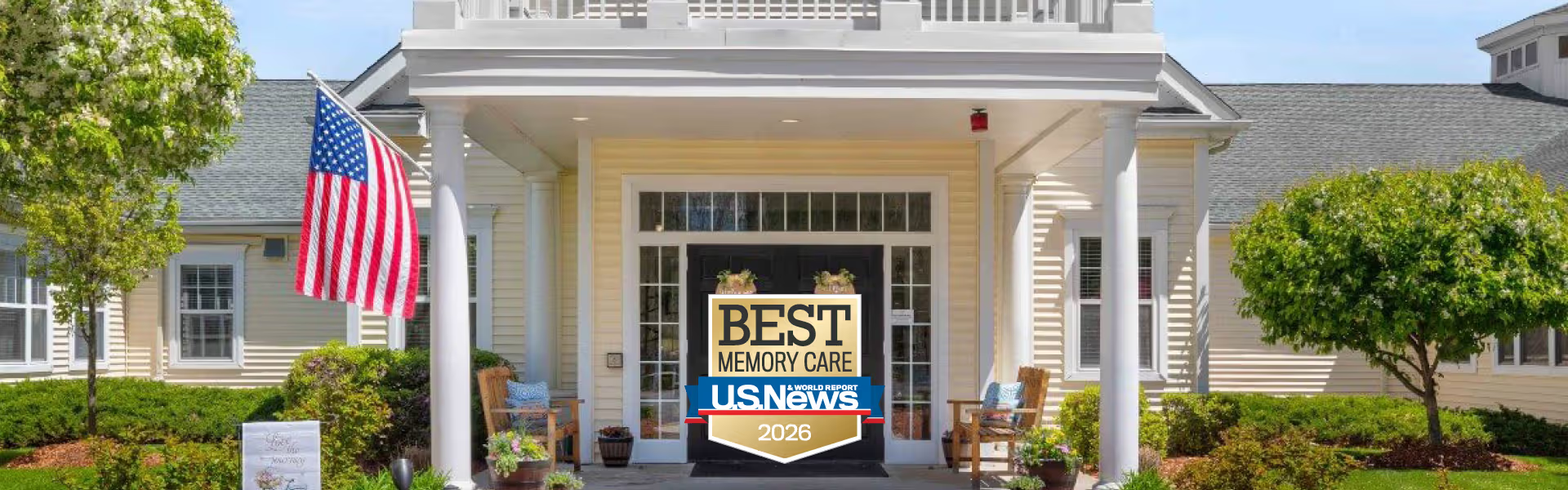
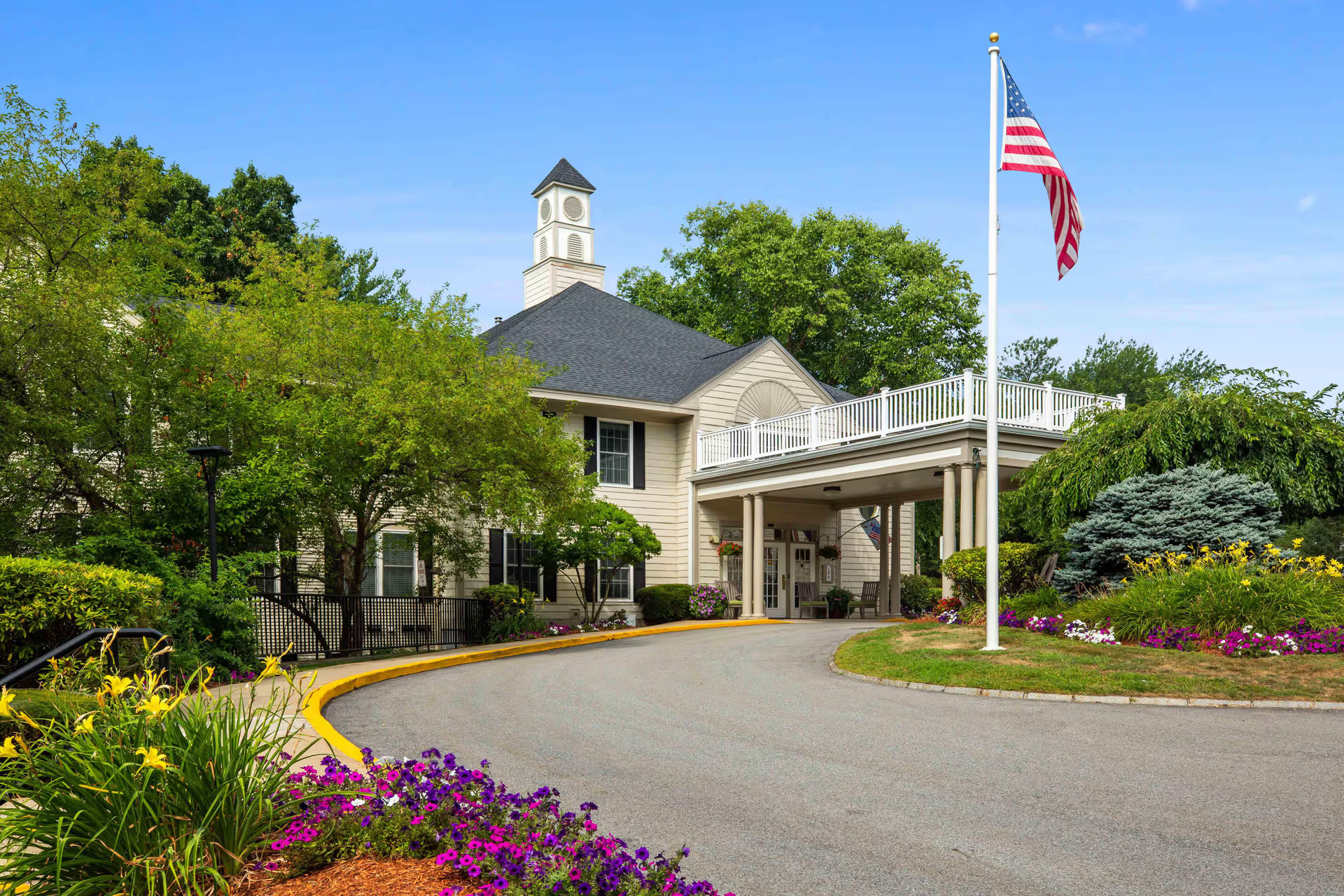
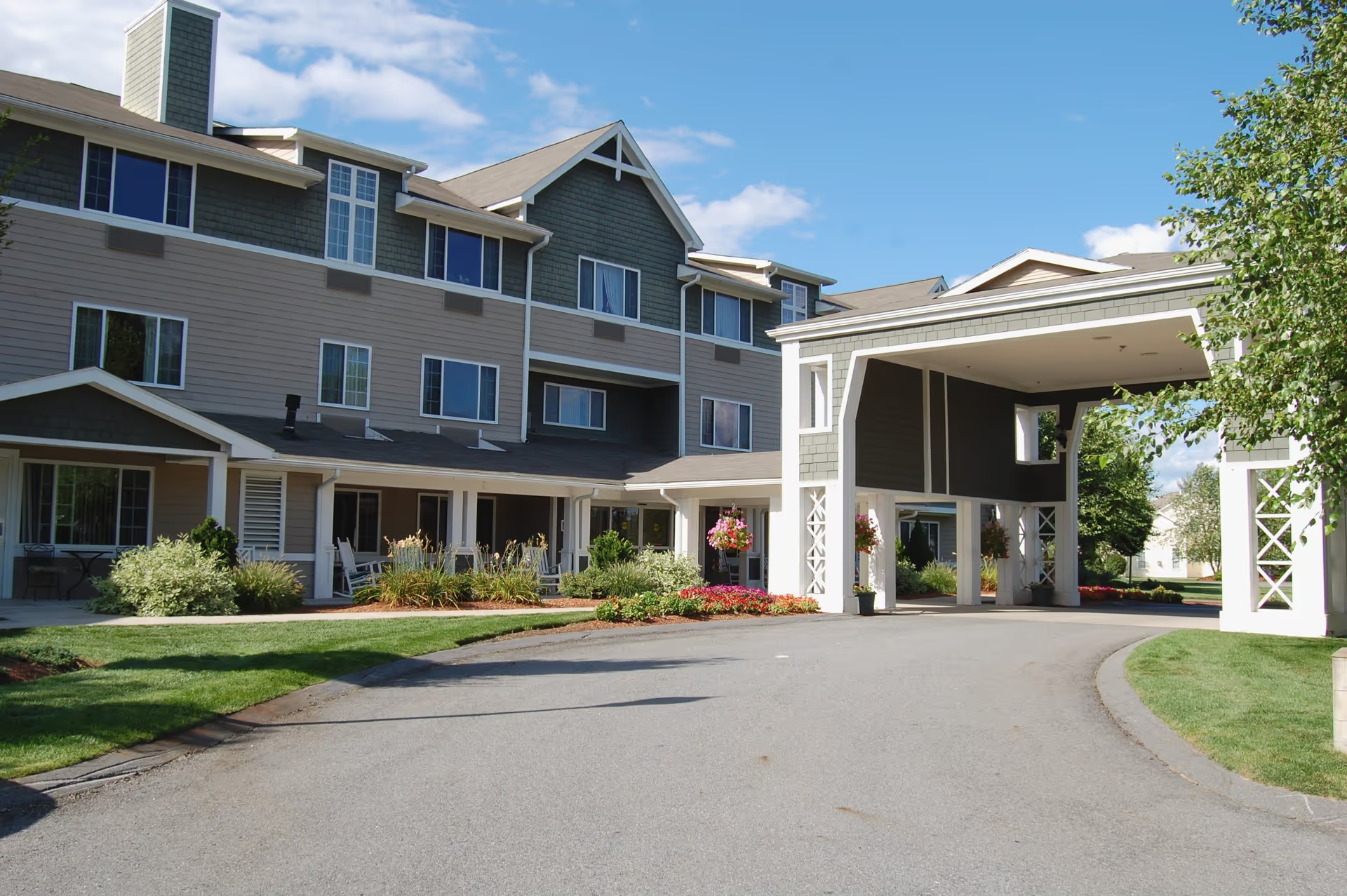
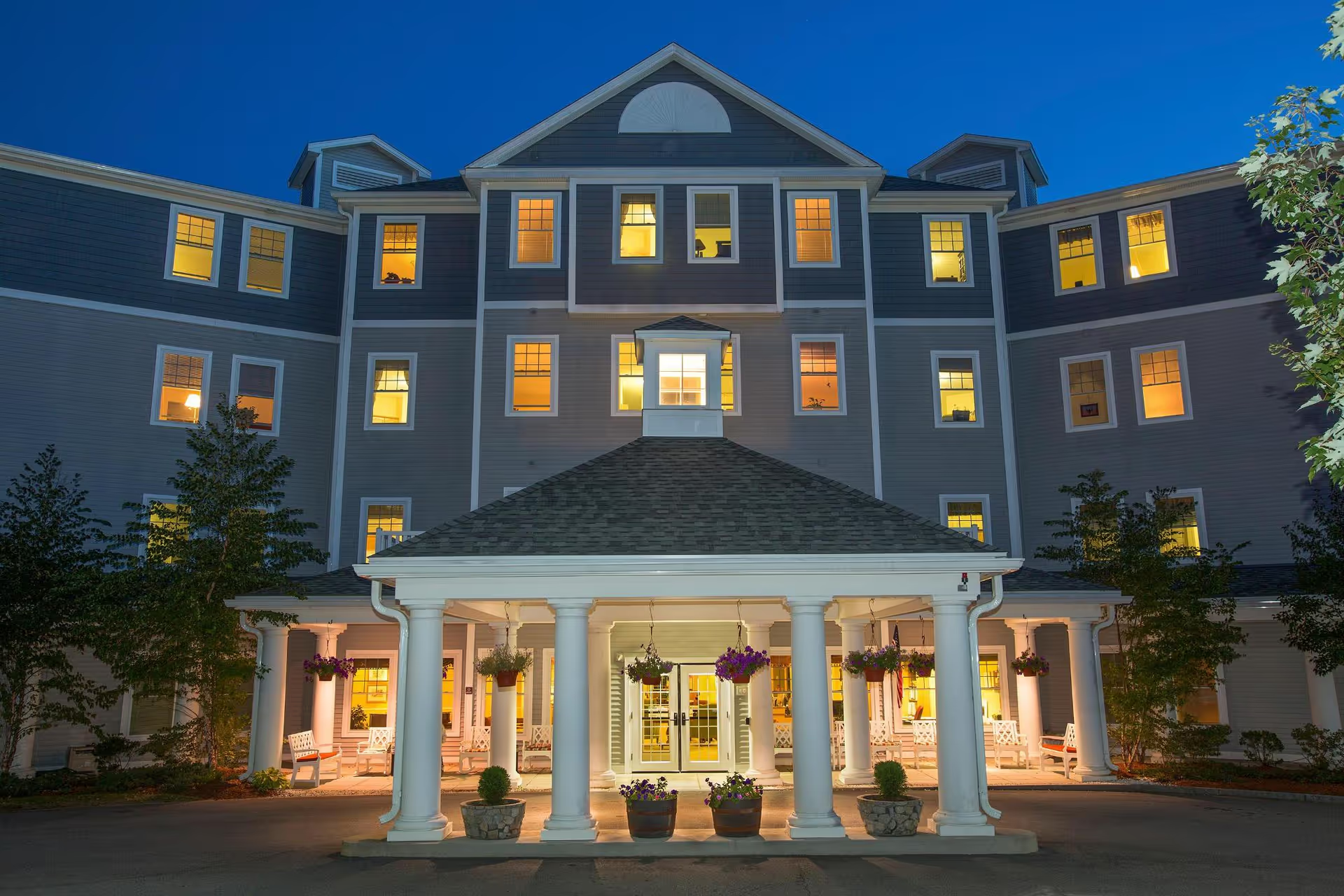
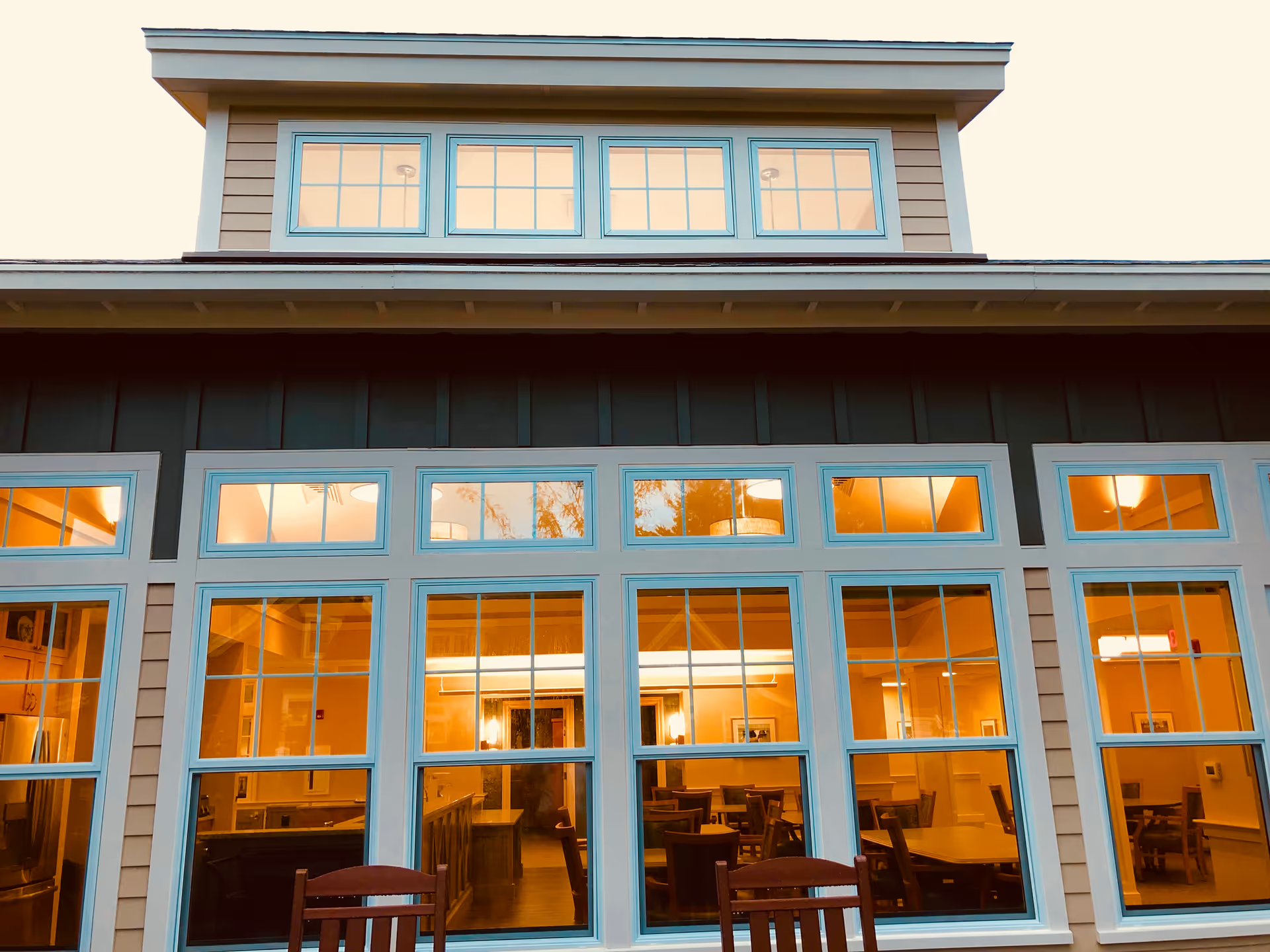
Giving Tree Senior Living presents as a modern, well‑appointed community with many strengths but also operational inconsistencies that prospective families should evaluate. The facility is repeatedly described as brand‑new, bright, and home‑like, with a range of shared amenities — including a pub, movie and game rooms, piano in the lobby, on‑site salon and food options — and private studio apartments with en suite bathrooms. Housekeeping and facility upkeep receive frequent praise, and outdoor space such as a fenced courtyard supports resident access to fresh air and supervised activity.
Staffing and day‑to‑day caregiving are the facility’s most frequently cited strengths. Reviewers consistently highlight compassionate, respectful, and resident‑focused staff who know residents by name, facilitate warm transitions, and engage families with clear communication. There are multiple mentions of strong hospice coordination and proactive medical communication. Administrative responsiveness is often noted at move‑in, and the team is credited with helping residents settle and participate in community life.
Dining and social programming are other positive patterns. Meals are commonly described as generous and varied, with flexible dining options and family‑style spaces. The community offers a wide mix of social and recreational activities — music, trivia, arts and crafts, outings, Happy Hour, and light sports games — and many residents appear socially engaged. However, activity intensity varies by neighborhood: assisted‑living programming is described as richer, while the memory‑care area is noted as having fewer or more limited offerings.
Despite many favorable reports, there are recurrent operational concerns that merit attention. Reviewers describe inconsistency in clinical care continuity, with specific issues around medication administration, bathing schedules, and responsiveness at night. These items indicate variability in clinical practices and staffing coverage rather than a single type of failure. Relatedly, staff experience and turnover — including differences between daytime and nighttime responsiveness — are raised as an ongoing challenge, and start‑up dynamics or low occupancy have been linked to limited programming at times.
Management and business‑practice issues are another recurring theme. While some families describe clear, helpful leadership and owner involvement, others report communication breakdowns between nursing and management, coordination problems during leadership transitions, and concerns about personal‑property handling during moves. More serious financial concerns appear in several accounts; there are allegations of unethical billing and questions about ownership transparency that should prompt direct inquiry. Cleanliness and sanitation receive strong praise overall, but a subset of accounts points to inconsistent sanitation or incontinence‑care practices in certain episodes; these suggest variability in practice rather than a uniformly poor environment.
In summary, Giving Tree offers many of the physical features and social supports families typically seek — modern facilities, active social programming, personable staff, and good dining — but the community shows mixed reliability in some clinical and administrative areas. Prospective families should do targeted due diligence: ask about medication‑administration policies and night staffing, request recent staffing and turnover data, clarify billing and move‑out/property protocols, and review the memory‑care activity schedule. Those steps will help determine if the community’s strengths align with a particular resident’s clinical needs and family expectations.