Carvalho Grove Health and Rehabilitation Center presents a mixed but largely rehabilitative-focused profile. Many families and former residents describe strong post-acute outcomes driven by an engaged physical-therapy program and clinical teams that emphasize recovery goals. The facility is frequently praised for its ability to support patients through difficult medical recoveries, with examples of residents relearning to walk and receiving persistent encouragement and clinical oversight throughout long rehabilitation courses.
Staffing is a clear strength in multiple accounts: nurses, therapists, CNAs, case managers and certain administrators receive repeated positive mention for compassion, attentiveness and teamwork. Reviewers highlighted proactive caregiving, helpful bathing and dressing assistance, responsive case management, and the availability of hospice support with compassionate personnel. These strengths are associated with effective interdisciplinary coordination that supports rehabilitation and short-term post-acute care objectives.
Dining and engagement are generally described positively. Several reviewers noted varied menus, nourishing meals, and an active activities program that contributes to resident morale. Cleanliness is also cited as a positive in many accounts, with descriptions of scheduled deep-cleaning of floors and rooms and staff attention to housekeeping. Administration and leadership were praised by some for steady oversight and performance during challenging periods.
At the same time, a number of operational concerns appear across reviews. There are recurring references to uneven responsiveness during evenings and periods when staffing feels thin, and a few reviewers described delays in assistance after falls. These accounts map to broader facility-level issues such as variability in individual staff competency, gaps in fall-prevention and transfer-safety practices, and occasional medication-safety process deficiencies. Supply-management problems (for example, availability of incontinence supplies and tube-feeding needs) and pest-control or sanitation concerns in specific resident areas were also mentioned.
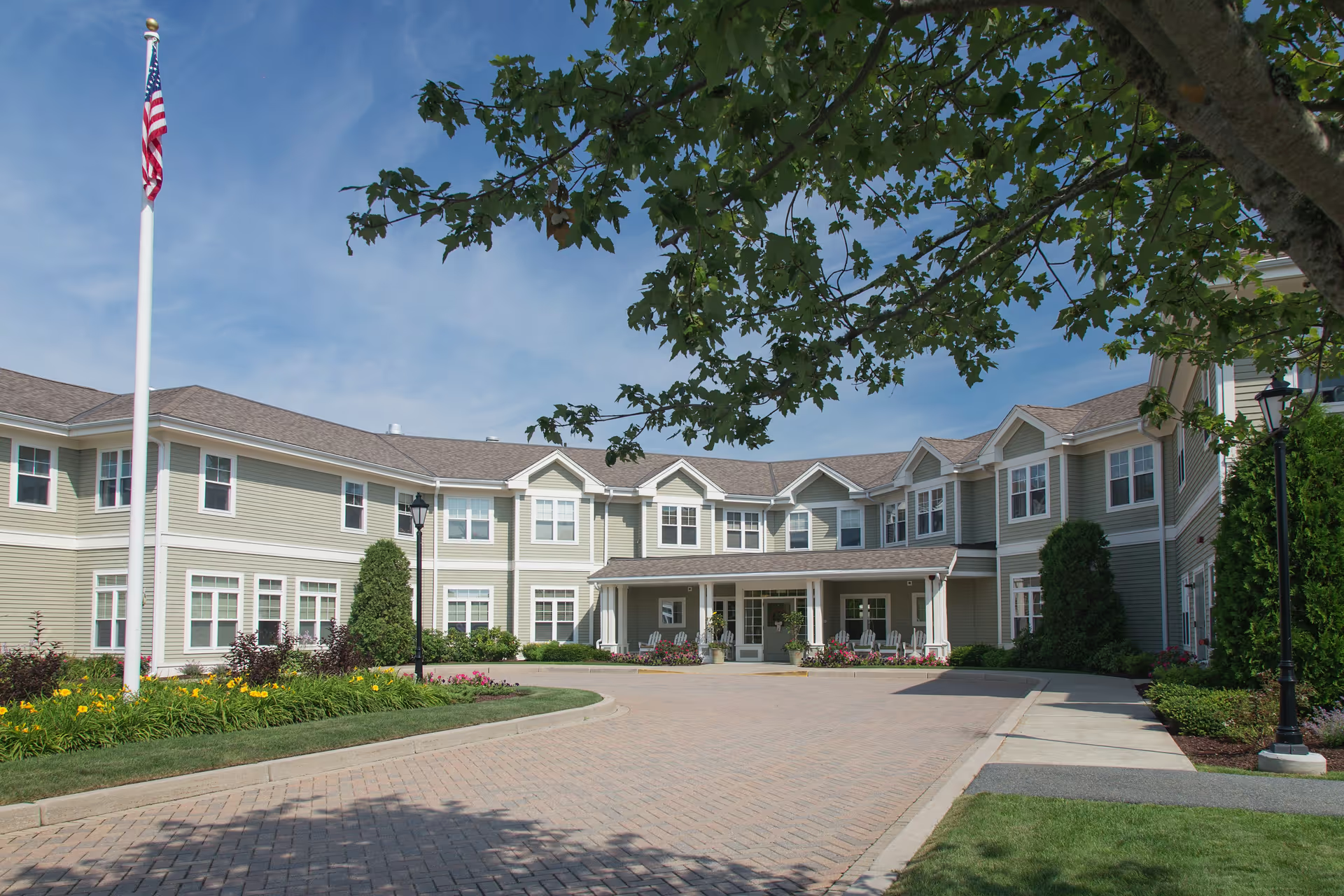
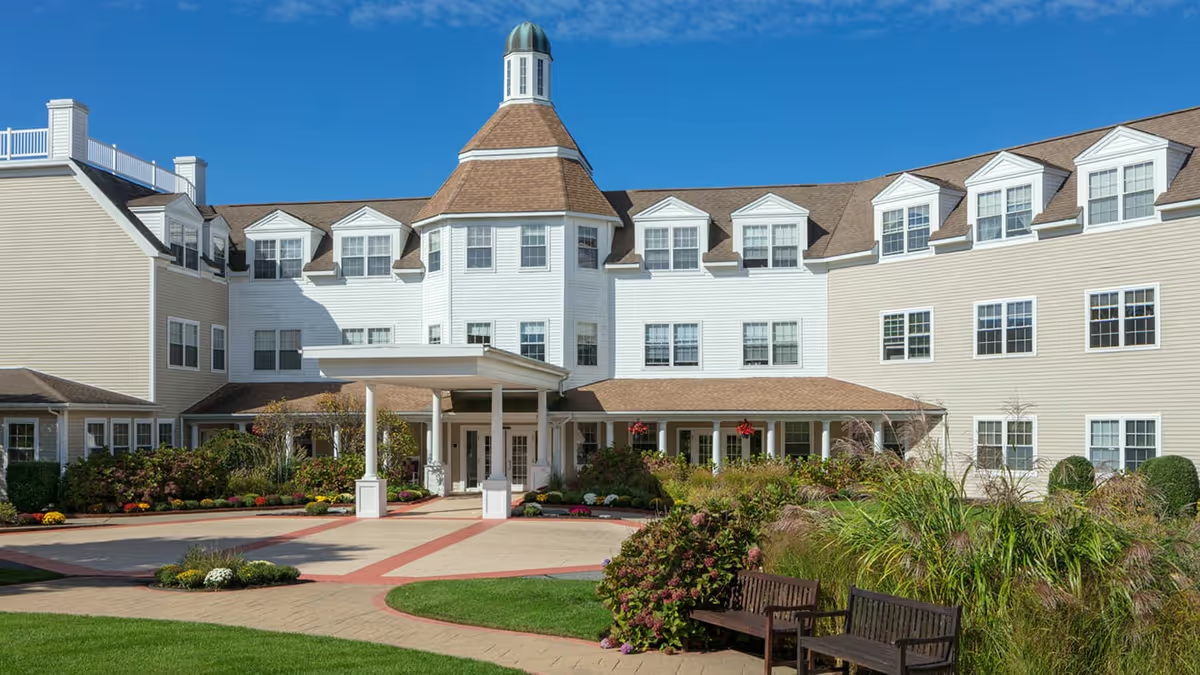
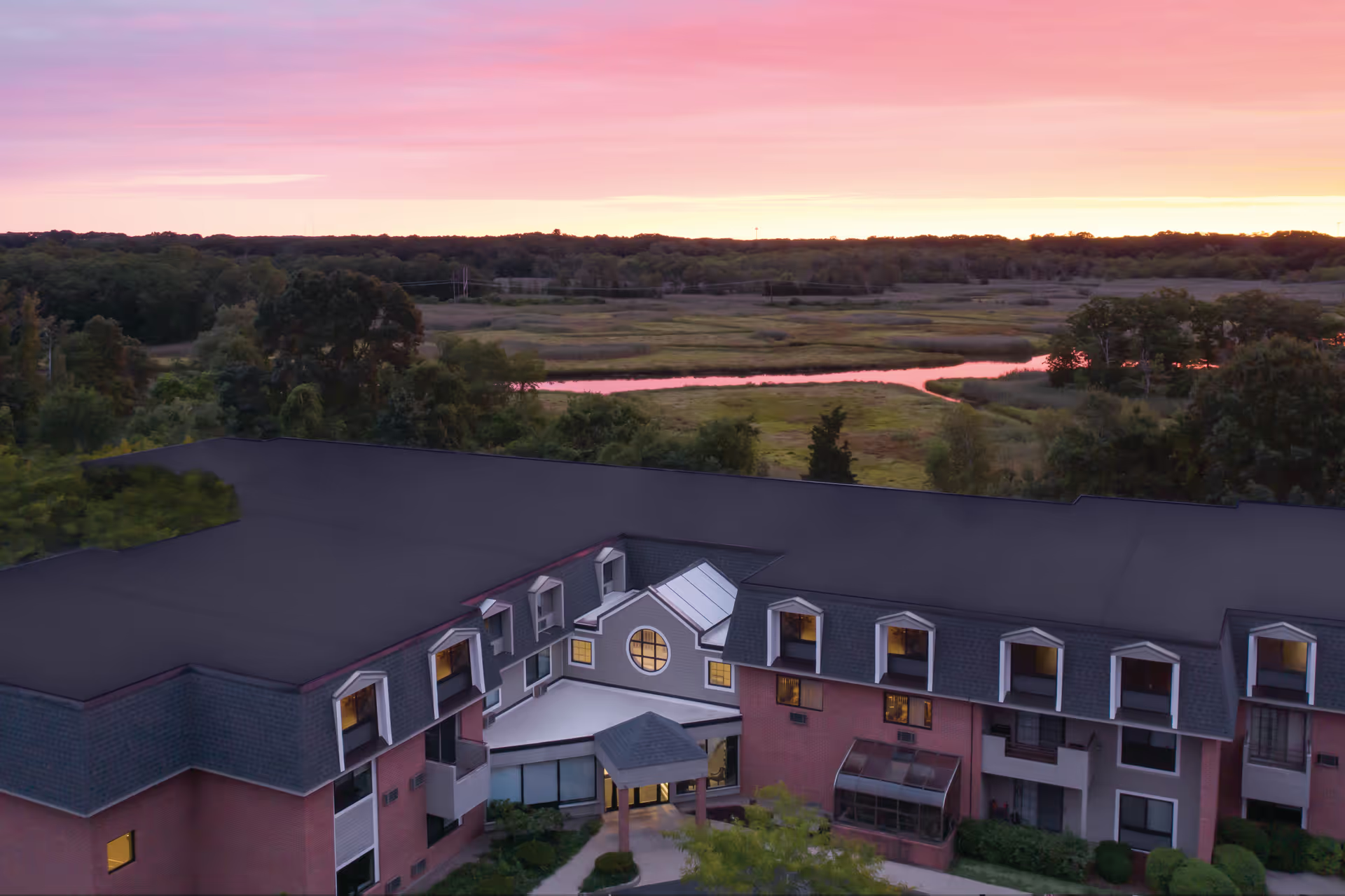
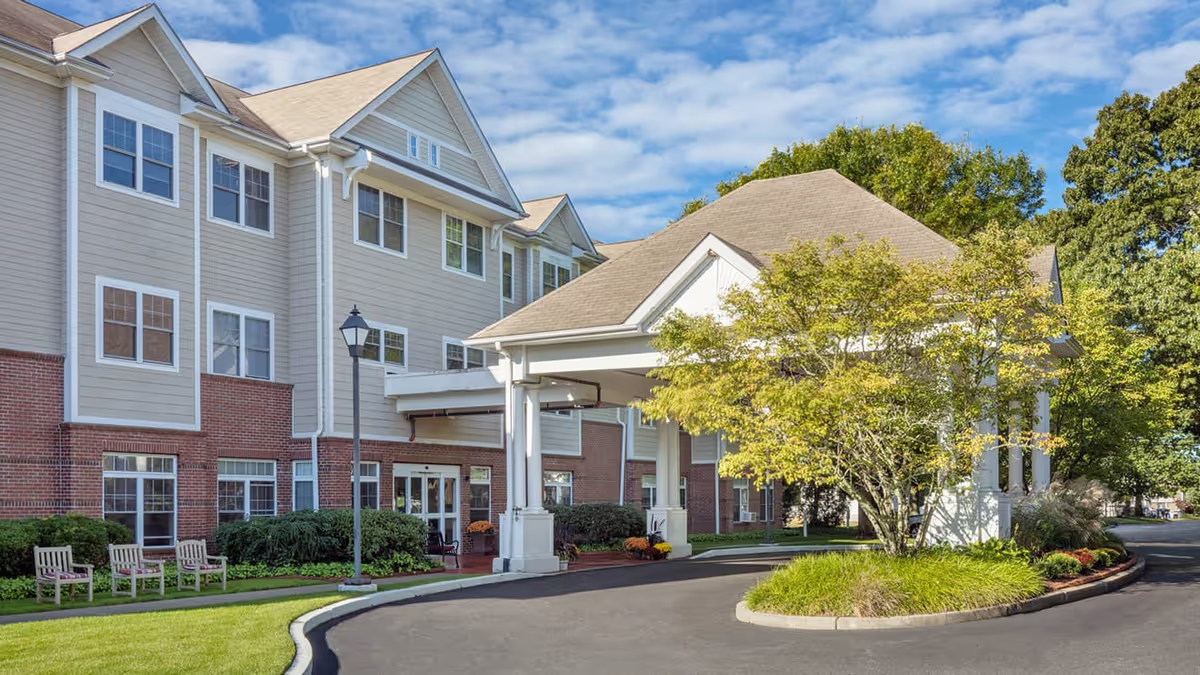
Long-term care for residents with dementia emerged as a specific area of weakness in several narratives; reviewers suggested that staff training and programming for cognitively impaired residents may not meet all needs. The facility’s physical plant was described as an older building that performs adequately for rehabilitation but may require further maintenance or modernization to improve resident comfort and safety. A small number of reviewers referenced a regulatory complaint and other serious individual concerns, underscoring the variation in experience.
In summary, Carvalho Grove appears to perform strongly as a post-acute rehabilitation center, with notable strengths in therapy services, many compassionate caregivers, and active clinical coordination. Prospective residents and families prioritizing short-term recovery and robust rehab therapy are likely to find considerable value. Families considering long-term placement for advanced dementia, or those for whom consistent overnight staffing and tightly controlled supply and safety processes are critical, should seek specifics about dementia programming, night staffing levels, supply protocols, pest-control measures, and fall-prevention practices during a tour and through direct questions to leadership.