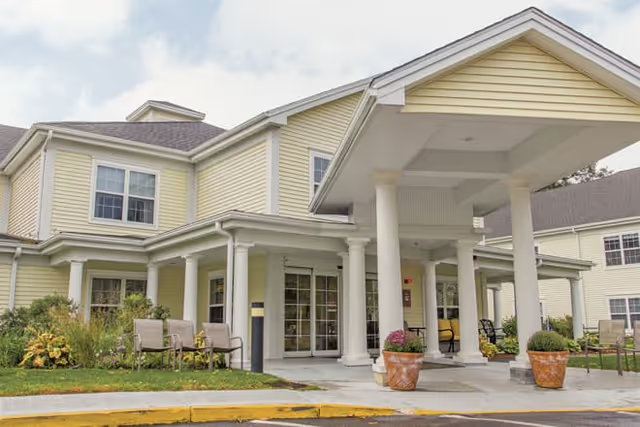
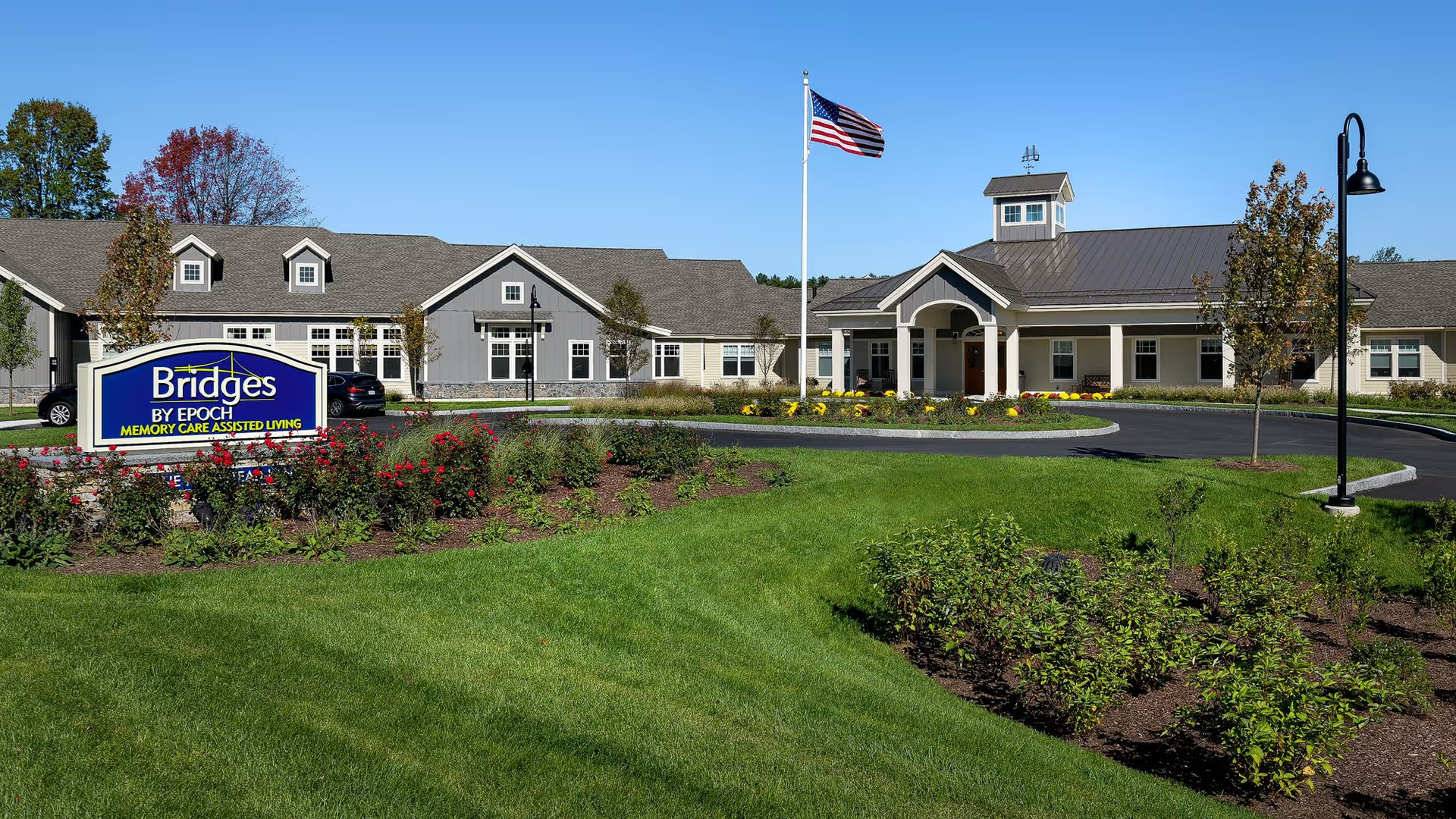
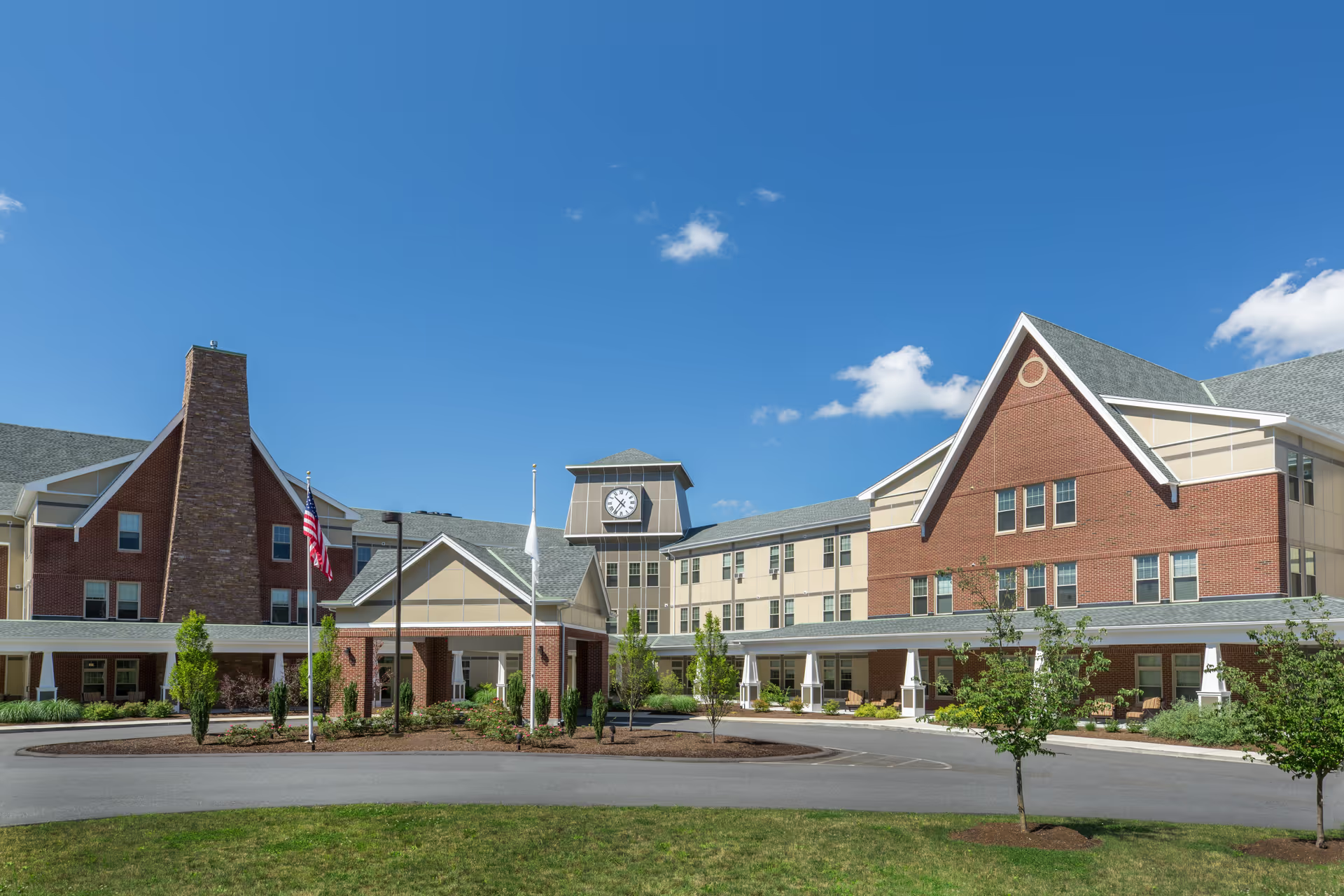
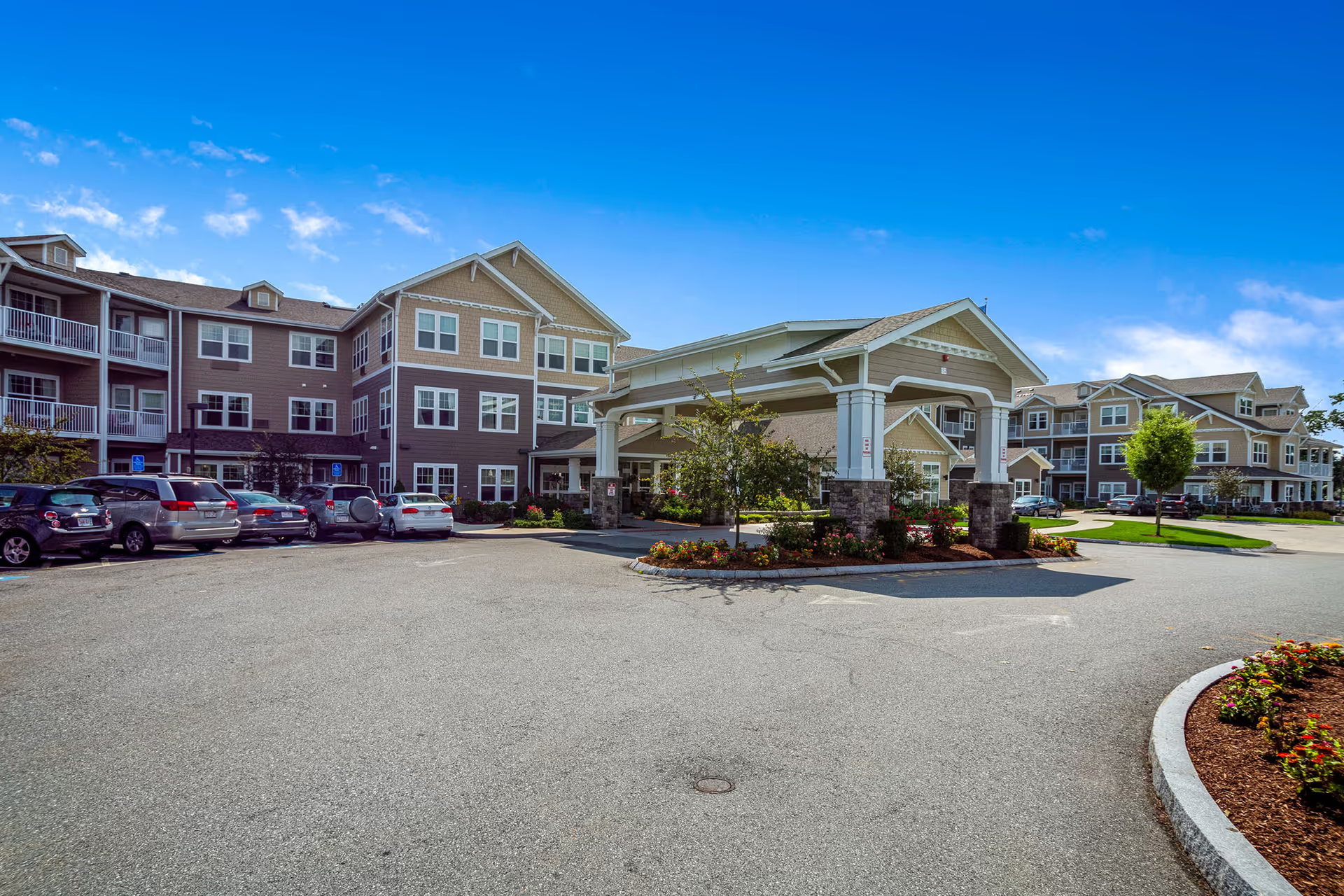
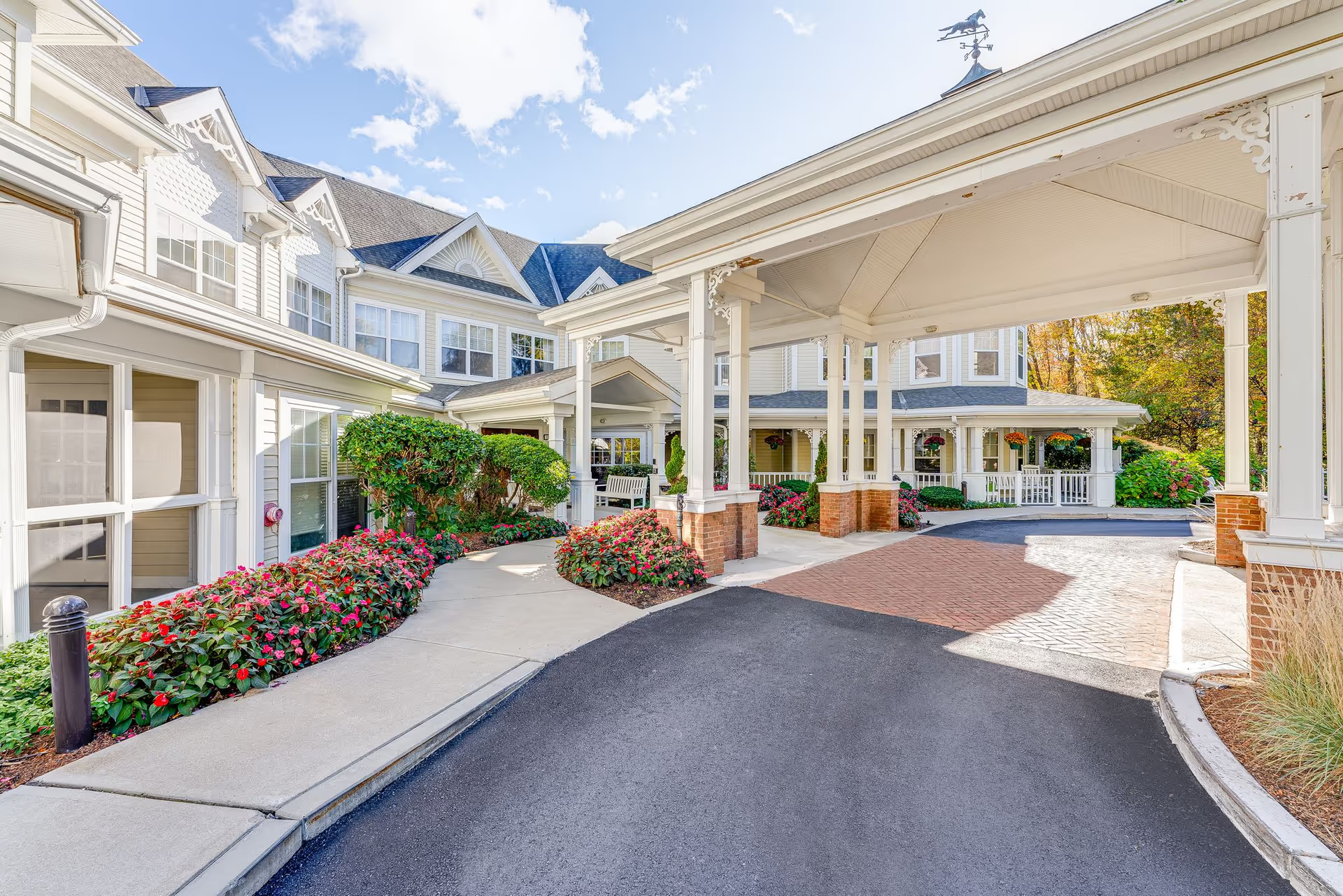
Overall impression The Branches of Framingham is frequently described as a clean, modern, hotel-like senior living community with attractive common areas, pleasant outdoor spaces, and a broad array of on-site amenities. Many families praised the environment as bright, well-maintained, and welcoming; admissions and tour experiences are consistently described as positive. The community projects an active social culture with residents engaged in meals, classes, outings, and volunteer-style opportunities.
Care and staff A dominant theme is the presence of compassionate, attentive caregivers—people who learn residents’ names, provide personalized interactions, and help with transitions into the community. Memory care in particular is highlighted for its thoughtful layout and continuity of care; several families specifically recommended the community for Memory Care needs. At the same time, reviewers describe notable variability in caregiver performance. Staffing instability, including high turnover and reliance on agency or temporary staff, has been linked to inconsistencies in daily care routines, occasional delays in response, and uneven training or conduct. Families reported both exceptional individualized attention and, in other cases, concerns about responsiveness, prioritization of tasks, or communication tone.
Dining and nutrition Dining is a visible strength for many residents: reviewers noted varied menus, thoughtful preparation, daily specials, and social dining that facilitates friendships. Several accounts singled out the chef and particular dishes positively. Conversely, there are recurrent notes about variability in food quality and dining-service continuity tied to kitchen staffing shortages; some families experienced less satisfactory meals or service disruptions during busy periods. Meal-delivery options and accommodations for special requests were identified as helpful features.
Activities and social life The activity program is broad and active, with exercise classes, crafts, musical performances, outings, volunteer opportunities (gardening, ESL tutoring), and intergenerational or cultural events. Reviewers repeatedly cited the calendar as robust and helpful for resident engagement; the dining room is often described as a social hub. The community supports both group programming and options for residents who prefer meals in their rooms.
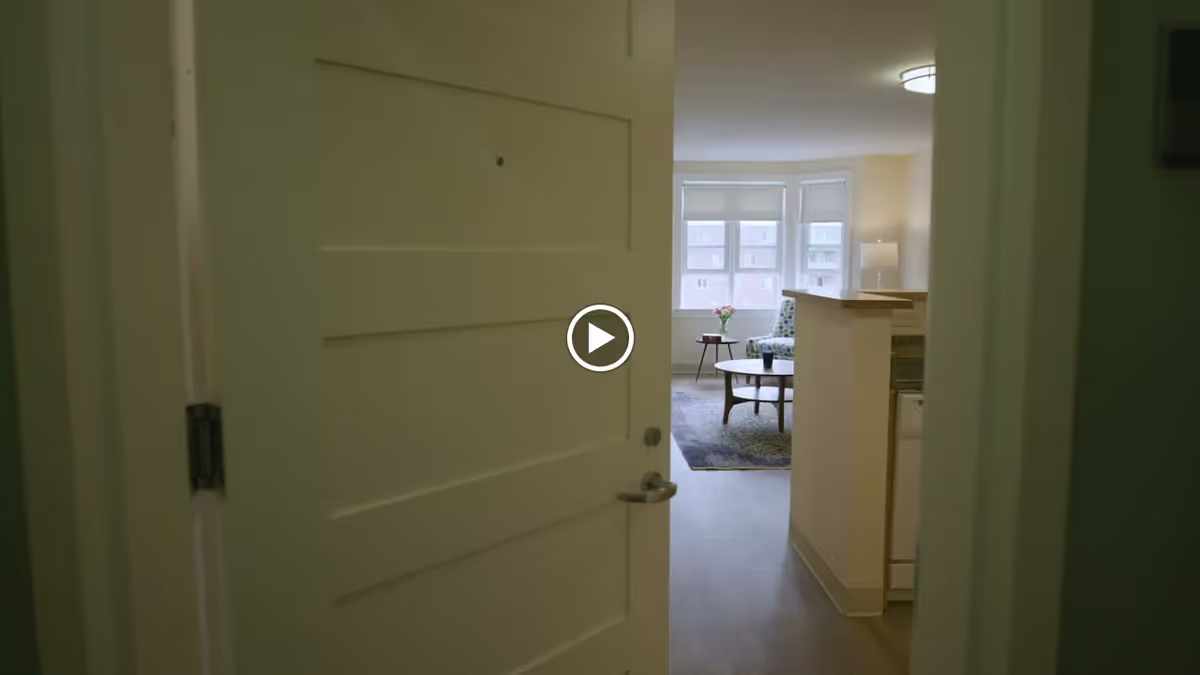
Facilities and amenities Physical plant attributes are consistently praised: modern décor, natural light, comfortable apartments (private and shared), salon, library, gym, and outdoor patios. Some comments noted smaller room sizes or bedroom layouts that are not ideal for every resident, and there are occasional references to higher pricing for certain unit types. Overall accessibility, thoughtful common spaces, and attractive landscaping are strengths.
Management, communication, and operations Management and front‑of‑house teams are described as organized and supportive in many reports, with proactive maintenance and a generally responsive admissions process. However, communication gaps with families emerge as a recurrent operational issue—examples include delayed or limited updates during health or infection-control events, occasional lapses in care coordination with external providers, and appointment scheduling or home-care service coordination problems. Pricing transparency is another operational concern: families noted extra fees (for medication dispensing, private nursing, or à la carte services) and desired clearer, consolidated cost information.
Notable patterns and decision guidance The Branches presents a mix of clear strengths (facility condition, broad activities, strong memory-care emphasis, and many attentive staff members) alongside operational weaknesses that potential residents and families should evaluate. The most consistent area of concern is staffing continuity: reliance on agency staff and turnover can produce variability in care quality and service reliability. There are also recurring themes around medication-management practices, dining-service consistency during staffing shortages, and family communication during critical events. A small number of more serious conduct and privacy concerns were raised; prospective families may wish to ask management directly about staff training, supervision practices, camera and privacy policies, incident reporting, and any past corrective actions.
Bottom line For families prioritizing a modern, engaging community with strong memory-care programming and an active social calendar, The Branches of Framingham offers many positives and a number of satisfied families. Those for whom consistent staffing, tightly controlled medication processes, or absolute predictability in dining and scheduling are critical should seek detailed, current information from management about staffing ratios, agency-staff use, fee schedules, and communication protocols before making a placement decision.